Keeping pool water looking and feeling perfect is always a talking point among pool owners. Over the years, I’ve learned that sometimes it’s not obvious when things are starting to slip. You might think all you need to do is glance at the water and check if it looks blue or clear. But from my own experience, the real signs can appear in ways you wouldn’t expect. In this article, I want to share the seven signals that show your pool water is calling out for help, so you can avoid bad surprises when you step into the pool for the first swim of the season.
1. Water turns cloudy or dull
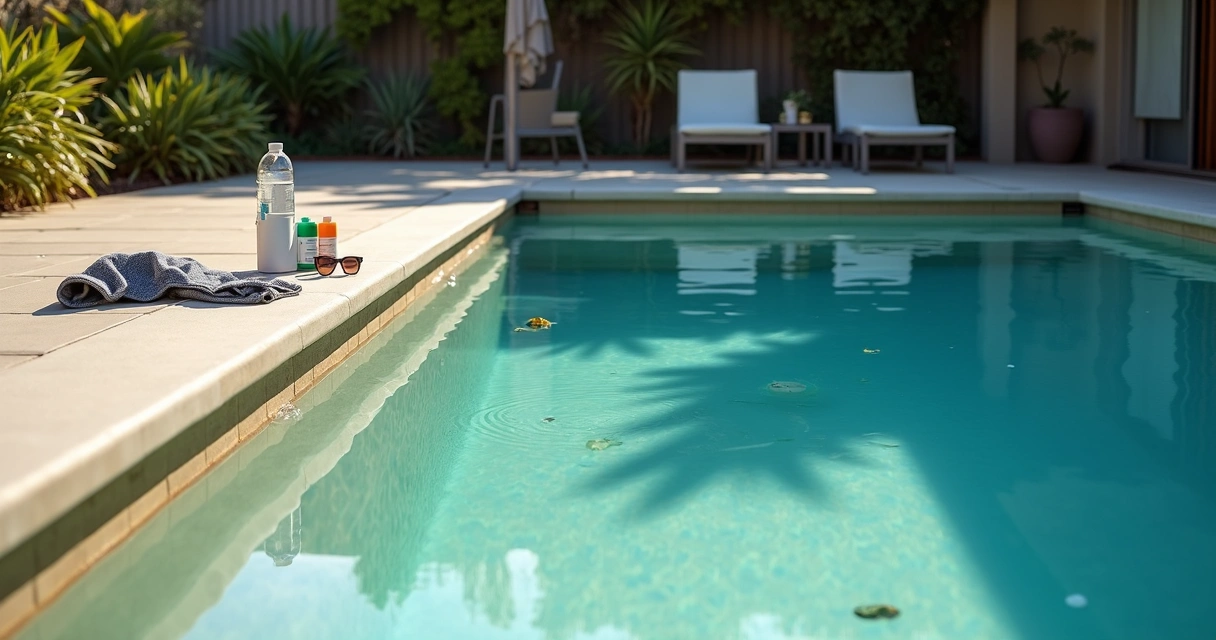
The first thing I always look for is how the water looks against the light. Crystal-clear pool water actually sparkles. If the water seems cloudy, milky, or just doesn’t reflect the sun as it should, it’s usually much more than just dirt on the surface.
The most common reasons for cloudy water, from what I’ve seen, are unbalanced chemicals (like high pH or low chlorine), debris that the filters missed, or someone swimming when they weren’t as clean as they should be. Even the smallest imbalance can flip clarity almost overnight.
Cloudy pool water is usually a warning that something is off with your water chemistry or filter system.
I recommend regular water testing, and if you aren’t sure where to start, understanding basic pool water issues makes troubleshooting much easier.
2. Green or yellow colors appear
It’s hard to ignore when a patch of green or yellow starts to creep across your pool. In my own backyard, the first time this happened, I thought it was pollen. But, as I soon learned, that isn’t always the case. Algae blooms often start slowly, barely visible, until suddenly the water looks like someone poured in a can of pea soup. Yellow or mustard algae are less common but even more stubborn to treat.
Green or yellow water almost always signals an algae bloom, which needs fast action.
These blooms form when chlorine is too low or when filtration isn’t working well. By the time you spot color changes, you’ll need more than just a simple dose of chlorine. A platform like MyPoolMate can help identify root causes and direct you toward a plan that treats the problem right away, instead of applying generic advice.
3. Strong or unpleasant odors
Whenever I approach a pool and smell a sharp chemical scent, or something unpleasant, I pay extra attention. The classic “chlorine smell” is often seen as normal, but what I’ve learned is that this actually means the water doesn’t have enough free chlorine. What you are smelling is chloramine, a byproduct formed when chlorine combines with sweat, sunscreen, or other contaminants.
Water should barely smell at all—just a subtle hint of freshness, never chemicals.
Whenever you sense an odd smell, it’s the right time to check chlorine and pH levels. Persistent odors are your pool’s way of raising a flag. If you want to know more about water chemistry, I found some tips on balancing pool chemistry that really helped me understand what each smell might mean.
4. Eye, skin or nose irritation
Many people, myself included, once believed that eye burning or dry skin were “just part of swimming.” In fact, this is a sign of unbalanced water—usually low pH, low alkalinity, or high chloramine levels. Swimmers may begin complaining that their eyes sting or their skin feels tight after getting out of the water.
If swimming leaves you with red eyes or itchy skin, it’s time to check and adjust the pool’s chemical levels.
Keeping pH and chlorine within the recommended range will fix this in most cases. Over-prescription of chemicals is common when the root cause isn’t identified. I know how helpful it is to have AI-powered platforms, like MyPoolMate, that create personalized recommendations using your pool’s data instead of following generic rules.
5. Slippery or slimy surfaces
Have you ever entered a pool and noticed the steps or floor feel slick? This is not just a matter of poor cleaning. I once nearly slipped when stepping onto the underwater stairs, only to discover a thin film had formed overnight. Algae and bacteria create these biofilms, making the surfaces dangerously slippery and causing potential health hazards.
When the pool feels slippery, microorganisms have started to take hold.
This goes beyond surface-level cleaning. It signals bacteria or algae have begun to colonize, and the pool water chemistry might already be off. Consistent brushing and monitoring with a modern web app can help you prevent it from getting worse.
6. Visible debris or floating particles
A few leaves and bugs are nothing new, especially after storms. But I take floating debris more seriously if it’s happening frequently, or when the particles don’t clear after your usual cleaning routine. These can be signs that filtration is underperforming or completely missing small debris. Sometimes, these particles are bits of dead algae, sunscreen residue, or even invisible to the naked eye until they clump together.
Persistent or unexplained debris in pool water is a sign the filtration system or chemical balance needs urgent attention.
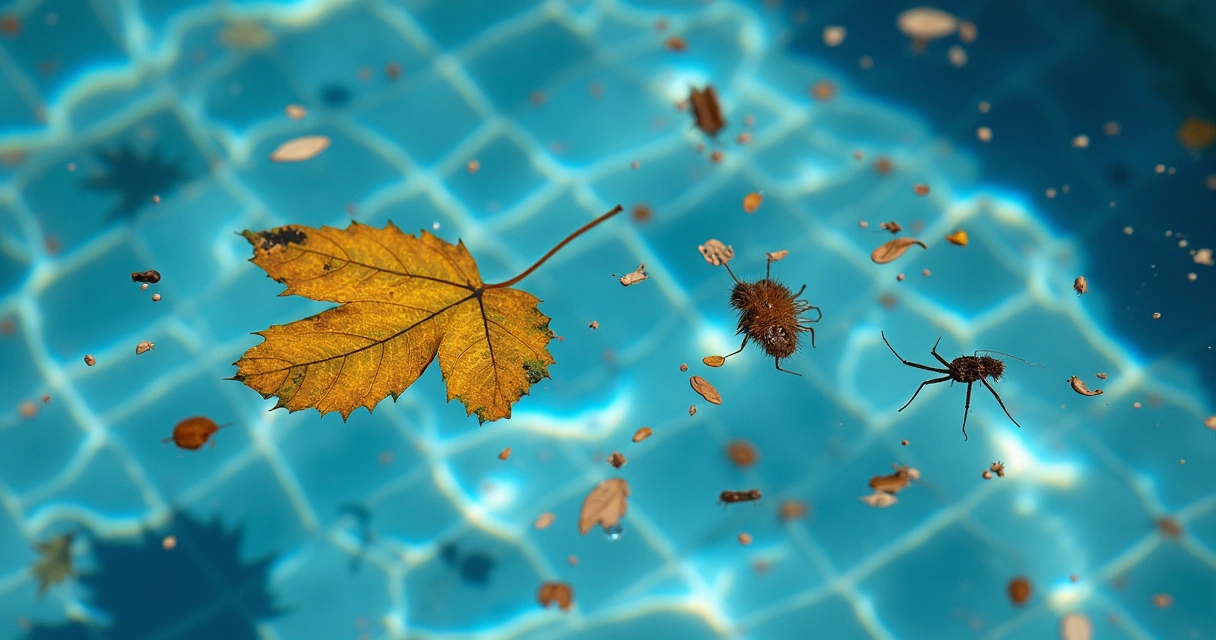
Checking your filter regularly and keeping your schedule organized goes a long way. I like to use a tool that reminds me of cleaning routines, which helps me avoid missing out on when to check things. MyPoolMate, for example, allows you to track cleaning, record problems with debris, and spot patterns in recurring maintenance needs.
7. Sudden drop in chlorine levels or water clarity
There have been days when my water test reading came back showing no free chlorine, even though I had shocked the pool just days before. If your chlorine vanishes faster than expected or the pool gets cloudy very suddenly, it can mean a host of problems, from high bather loads to an influx of rainwater diluting the chemicals. The water might look fine one day, and the next morning, you’re dealing with cloudiness or worse.
Rapid chlorine drop is often due to organic waste, excess sunlight, or issues with stabilizer and filtration, and always means a closer look is needed.
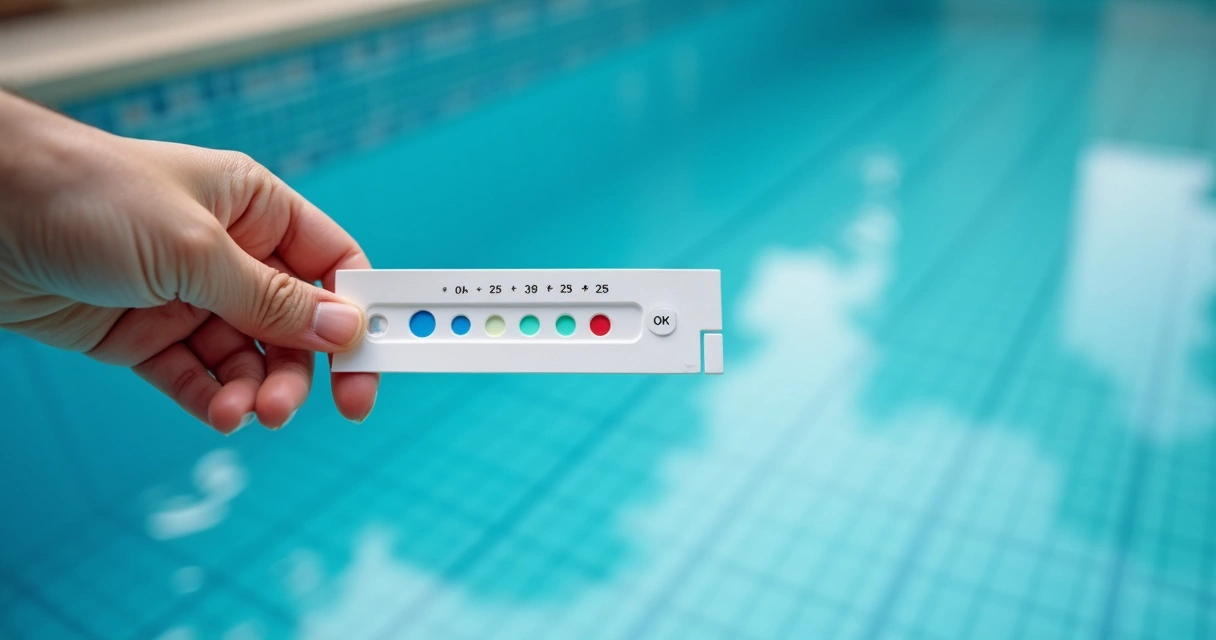
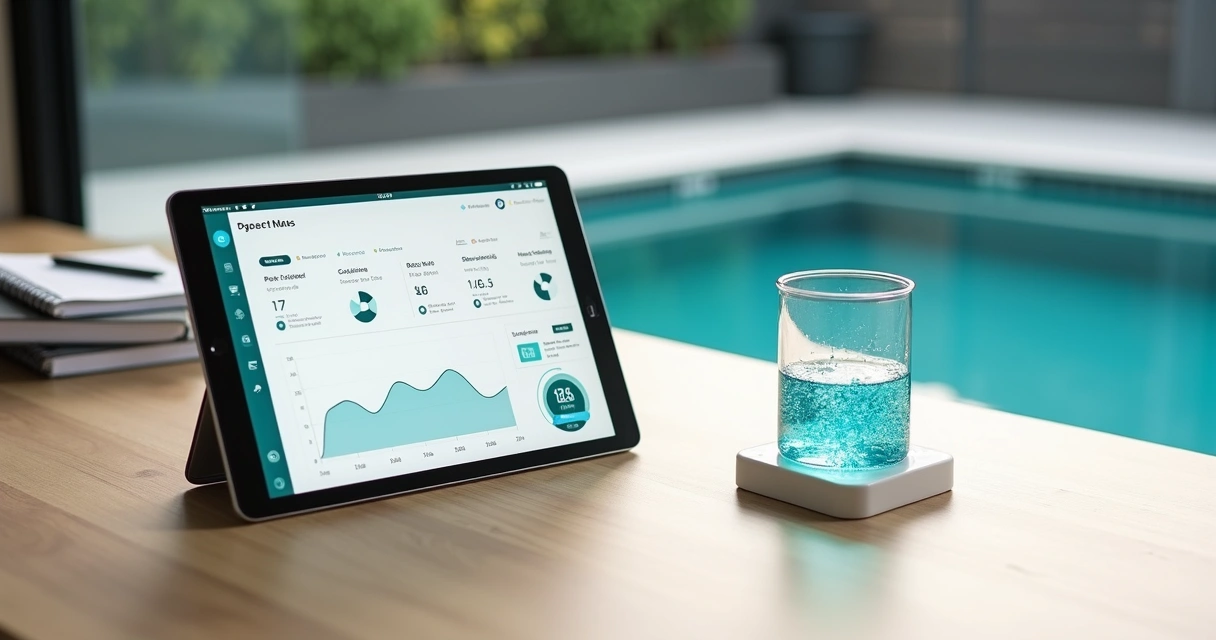
I run regular tests and keep a log of the results, which is simple if you use a web app designed for Australian pools. Insights into test histories and seasonal changes have helped me catch problems before they become emergencies. You can read more about pool maintenance and avoid sudden issues by searching in the MyPoolMate articles library.
Bringing it all together
These seven signals aren’t always obvious, but once you spot them, you’ll get better at preventing bigger headaches. In my experience, using a personalized, AI-powered assistant like MyPoolMate really closes the gap between knowing something is wrong and understanding exactly what needs to be done. Creating a full profile for your pool, tracking water chemistry, and getting feedback takes away confusion and helps avoid overspending on chemicals you may not need.
Staying informed is key. If you want more support or stories from people who faced similar pool care challenges, you can also check Pedro Correia de Sá’s articles for further reading.
If you notice one or more of these signals in your pool, it might be the right time to try out MyPoolMate and experience for yourself what a personalised, root-cause approach to pool care can mean for you—and your pool’s water clarity.
Frequently asked questions
What are signs pool water needs treatment?
Signs that your pool water needs treatment include cloudiness, green or yellow coloring, strong chemical or unpleasant smells, eye or skin irritation, slippery surfaces, persistent debris, and sudden drops in chlorine. If you notice these indicators, immediate testing and treatment are recommended.
How to tell if pool water is unsafe?
The most telling signs of unsafe pool water are visible algae, cloudy appearance, unusual odors, and irritation of eyes or skin after swimming. These conditions often mean bacteria or pathogens could be present and swimming should be avoided until the water is treated and tests within safe parameters.
Why does my pool water look green?
Green pool water is most commonly caused by algae growth, which happens when the chlorine level is too low to keep algae in check. It can also be due to filter problems or water contamination from rain, dust, or leaves. Address the underlying cause, not just the color itself.
How often should I treat pool water?
I recommend testing your pool water at least every week, and more often during heavy use or after storms. Regular treatment is needed to keep chemical levels balanced, and sometimes special treatment is necessary if any of the warning signs above show up. Using tools that adapt to your pool’s specifics, like MyPoolMate, helps ensure you aren’t treating the water unnecessarily.
What happens if I skip pool treatment?
Skipping pool treatment leads to issues like bacteria growth, algae blooms, skin and eye irritation, and eventual damage to the pool surface or equipment. Keeping up regular care protects your health and the long-term value of your pool. It’s much easier to maintain a pool than to recover from neglect.