
If you've ever watched a sparkling pool turn cloudy almost overnight, you probably understand just how tricky pool maintenance can be. I’ve spent years working with pool owners across Australia, testing different ways to keep water safe and clear. Through all the trial and error, one piece of equipment stands out as a quiet helper: the pool chlorinator. In this article, I want to break down exactly how these work, the main varieties available, and the most common hiccups I see people run into.
Why pool chlorinators matter
I often get asked why anyone would bother with a pool chlorinator instead of simply tossing some chlorine in by hand every week. The short answer is a pool chlorinator keeps chlorine levels steady, with little effort from you, and helps prevent issues like algae blooms, cloudy water, and even itchy skin. I’ve found that the people who use chlorinators consistently report cleaner, healthier pools—without much fuss.
With tech platforms like MyPoolMate now making it easier than ever to monitor, plan, and fine-tune your pool chemistry, understanding your chlorinator is an easy win for pool owners.
The main types of pool chlorinators
From simple floaters to smart units that practically think for themselves, the variety can be overwhelming. Let’s look at the three types I see most often:
- Floating chlorine dispensers
- Automatic pool chlorinators
- Saltwater chlorinators
Each fits different needs and budgets. Below I’ll lay out how each one works, and what you should know before choosing or using them.
Floating chlorine dispensers: simple but not perfect
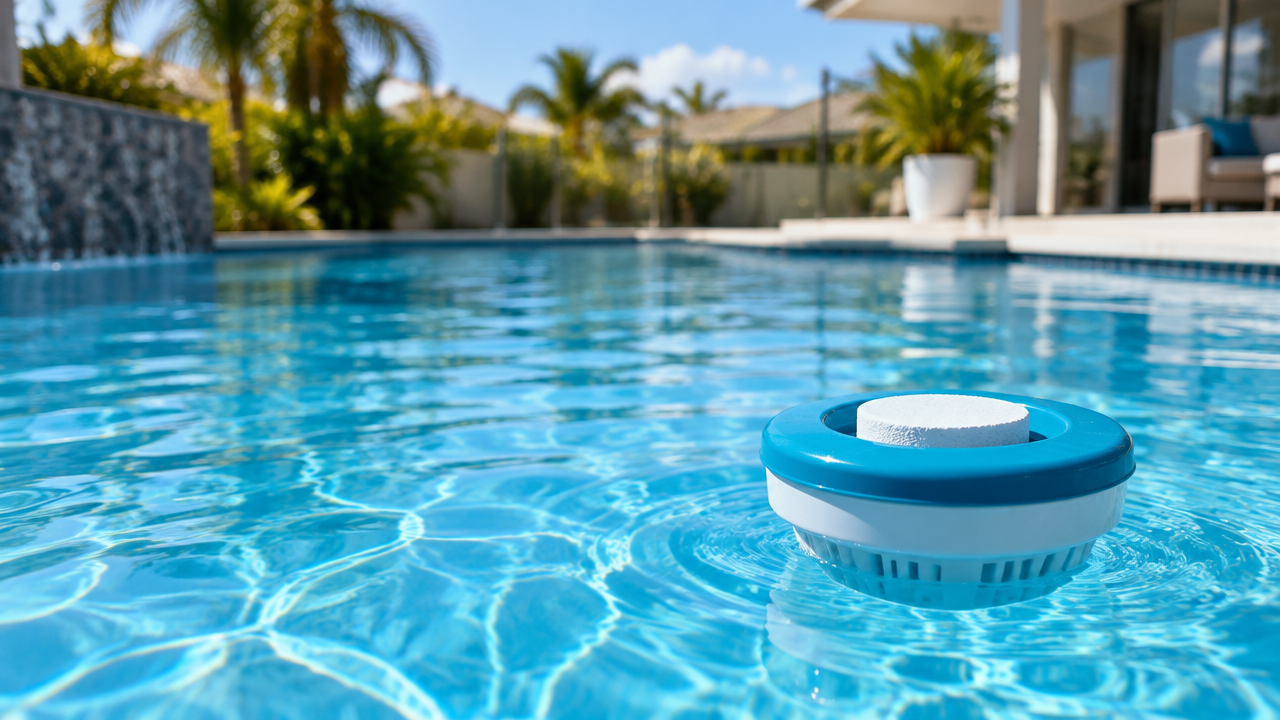
These are often the first thing new pool owners try. They’re that classic little plastic device slowly bobbing around the water, usually filled with chlorine “pucks.”
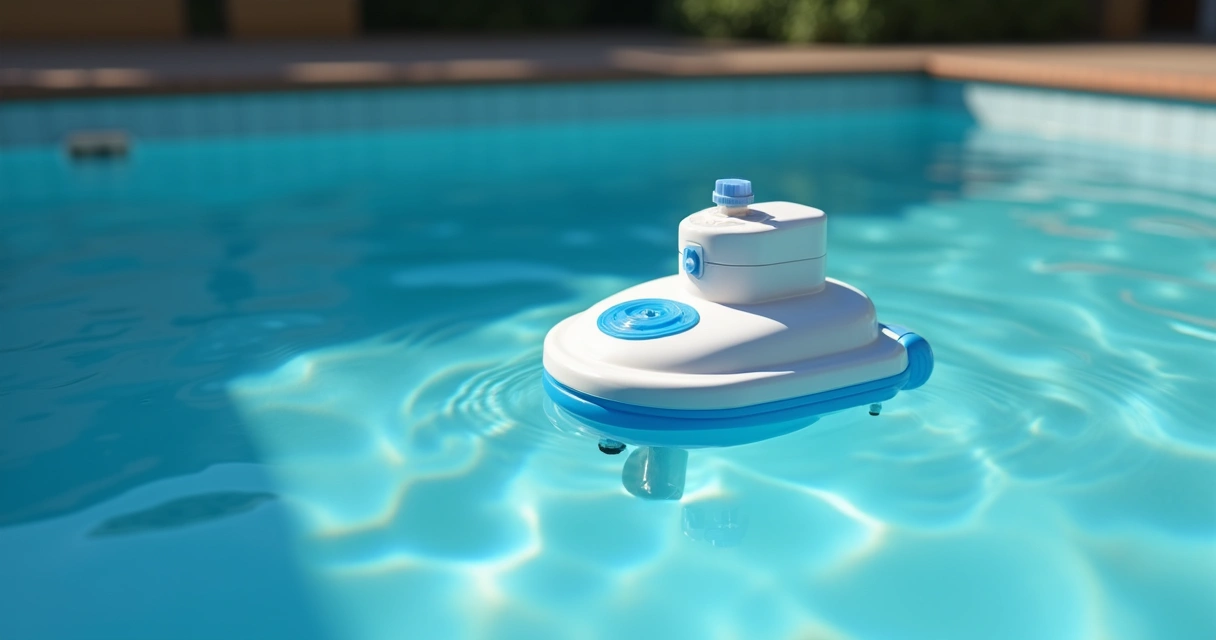
Here’s how they work:
- You open the dispenser, drop in one or more slow-dissolving chlorine tablets, and adjust the openings to control how much water flows inside.
- As it floats, water enters, dissolves a little of the puck, and distributes chlorine through the pool.
- This keeps a slow flow of sanitizer in the water over several days—or even a week, depending on how hot, sunny, or busy your pool is.
The big upsides: they’re inexpensive, last for years, and are simple to refill.
But there are some downsides I’ve seen firsthand:
- The dispenser can get stuck in a corner of the pool, leading to uneven chlorination (and sometimes bleaching the pool finish in that spot).
- Exactly how much chlorine is dispensed can be hard to control, which means you’ll still want to test the water regularly or use a platform like MyPoolMate to track results.
Simple, but a little too hands-off.
Why not put chlorine pucks directly in the skimmer?
I’ve made this mistake myself when rushing. While it seems logical, placing tablets in the skimmer can cause problems:
- The skimmer basket can fill with undissolved pucks, clogging flow.
- Much worse, the water passing through the skimmer becomes highly concentrated with chlorine, and this concentrated water heads straight through your pump and filter equipment.
Over time, the strong chlorine flow can lead to corrosion and damage, shortening the life of your pool gear.
Automatic pool chlorinators: consistent results
When you’re ready to take a step up, this kind of chlorinator automates much of the process. Automatic pool chlorinators are plumbed into your filtration system, usually after the main filter. I’ve installed these for friends and noticed they give much steadier results compared to floaters.
Key features include:
- A refillable chamber for chlorine tablets or sticks, sealed to minimize fumes and evaporation.
- A dial or control that lets you set the flow rate and, therefore, how much chlorine is dispensed into the return water flow.
- The returning filtered water then mixes with a controlled dose of sanitizer before reaching the pool again.
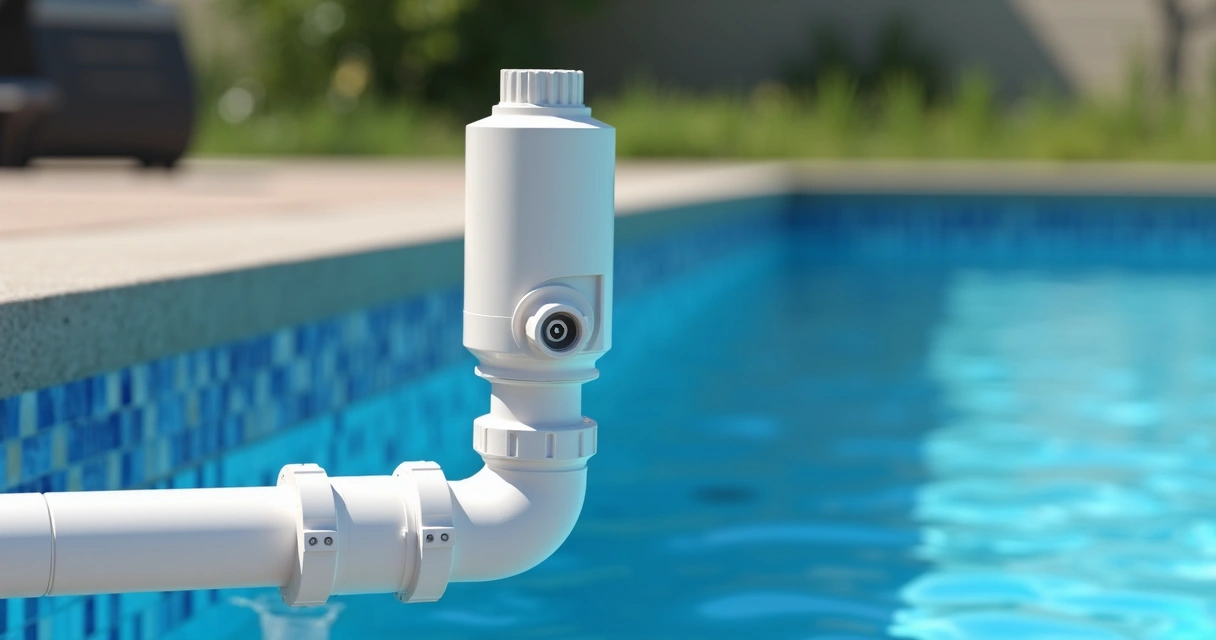
What I appreciate most here is the risk of corrosion is reduced, since the highly chlorinated water never touches your pump and filter directly. But—there’s a catch.
Handling automatic pool chlorinators safely
The refill chamber is sealed for a reason. When you unscrew it, even on cooler days, there’s often a strong smell or a small rush of gas. Those with sensitive noses, or respiratory issues, might feel uncomfortable.
- Always refill in a well-ventilated area, with the pump turned off.
- Check O-rings and seals on every refill, since leaks are common as these parts age.
There are automatic dosing machines as well, like the Astral Hurlcon Rola Chem Chlorine Acid Dosing Machine 20/5 RC9 Series, that can dispense accurate amounts of chlorine or acid. These pair well with digital testing systems or with smart apps like MyPoolMate, which help you spot trends by keeping track of your test history.
Saltwater chlorinators: smooth, gentle, automated
This is where modern tech really steps up. Saltwater chlorinators have grown in popularity because they deliver chlorine automatically, without you handling or storing harsh chemicals directly. In my own experience, switching to saltwater made pool care feel almost hands-free.
Here’s what makes saltwater systems different:
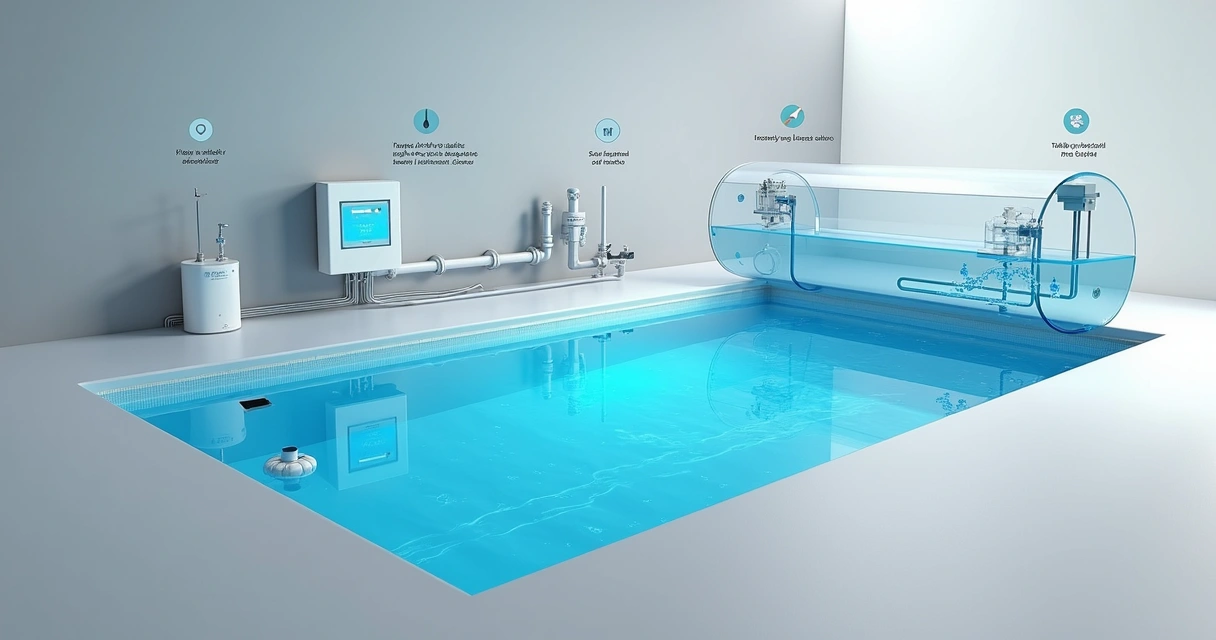
- Two main parts: a control box (usually by your pump area) and a salt cell plumbed into your return line.
- You maintain a low level of dissolved pool salt (much milder than seawater).
- The control box sends a mild electrical pulse through the salt cell, turning dissolved salt into Hypochlorous Acid—the same active sanitizer in regular chlorine pools.
- This happens all the time when your pump is on, so chlorine levels stay stable with little attention.
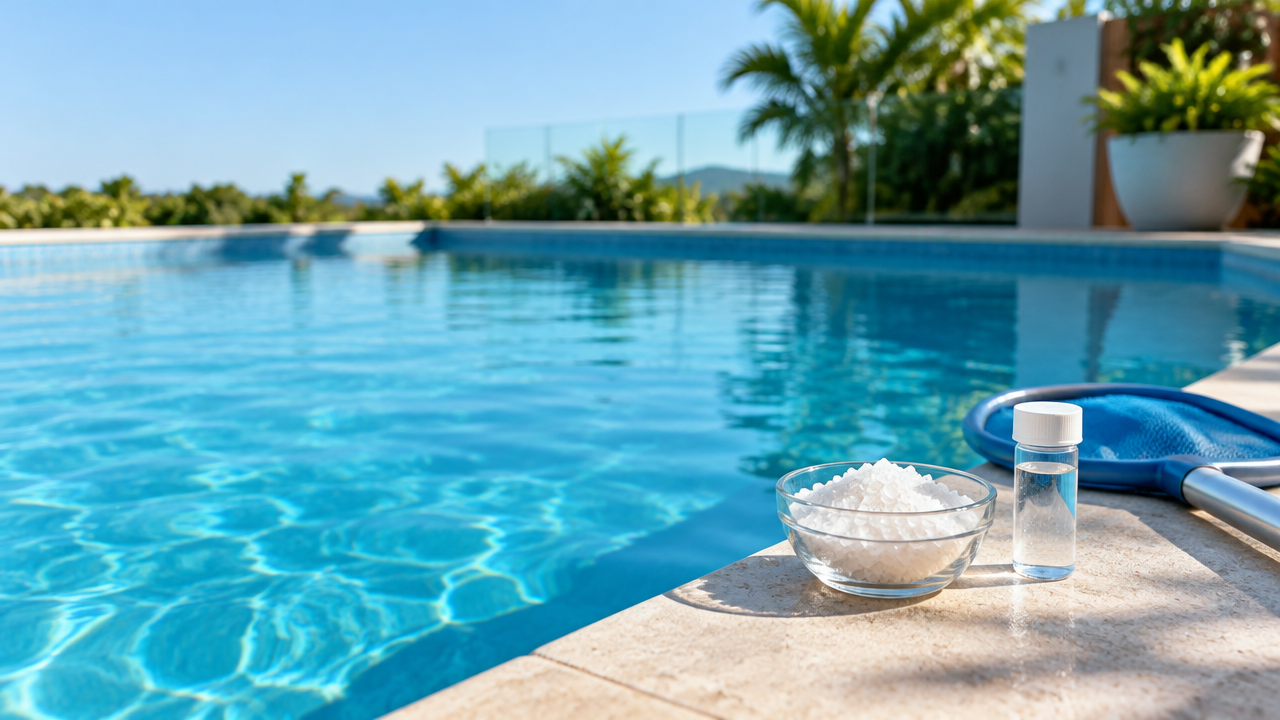
With saltwater, you’ll only need to top up the salt a few times a year. Most brands require you to use salt specifically formulated for pools. Table salt or rock salt can add unwanted minerals, cause staining, or confuse the chlorinator’s sensors, so sticking to pool salt is a must.
Gentler water. Less work, less smell.
If you’re sensitive to the “pool smell” or have swimmers with skin irritation, saltwater is often a treat. Most swimmers say the water feels silkier and more refreshing, and many forget they’re even swimming in chlorine at all.
If saltwater pools sound interesting, you may want to find out more about chlorine alternatives, since there are certainly other ways to sanitize water that might suit specific allergies or concerns.
Common mistakes with pool chlorinators
Even well-meaning pool owners fall into these traps—I know I have, especially in the early days. Here are the main issues I run into when helping others, and what I recommend instead:
- Failing to test chlorine levels regularly, especially after heavy use, rain, or hot weather. Even an automatic system can under- or overdose your pool depending on bather load and temperature.
- Using non-pool salt or old tablets. Pool-formulated products are made to minimize unwanted minerals. Using food-grade salt in a saltwater system can cause major problems.
- Ignoring maintenance. O-rings and gaskets wear out on all types.
- Adding tablets to the skimmer basket—see above for why this should be avoided completely.
- Letting floating dispensers get stuck in corners. A quick push with the skimmer net every couple days can save you trouble.
If you want to check more troubleshooting tips, you can browse solutions on our pool care advice blog, or filter by common mistakes. The MyPoolMate app also keeps a history of your pool’s readings and sends reminders, helping you avoid these errors before they become big issues.
Getting the most from your chlorinator
After years of testing, here’s what I do—and what I suggest to new pool owners:
- Pick a chlorinator type that fits not just your budget, but your time and comfort level with chemicals.
- Consider smart tools like MyPoolMate to track, record and analyze your water chemistry. This helps spot issues long before you see cloudy water or green walls.
- Add small, regular checks to your pool care routine. Even the most automated system works better with a little human oversight.
- Stay curious. Explore topics like pool safety and equipment care to keep improving your experience.
If you like practical tips, special discounts, and want reminders about seasonal pool care, join our mailing list. You’ll get updates a few times a month, and you can stop at any time if it’s not helping.
I write about pool maintenance for MyPoolMate and share what works for residential pools across Australia. You can find more of my articles on my author page or search through our growing knowledge base using our search tool.
Conclusion
If there’s one thing I believe about pool care, it’s this: the right chlorinator removes the guesswork. Your pool stays clean, safe, and fun to swim in, with less effort—and your equipment lasts longer. As more pool owners use digital tools like MyPoolMate, keeping tabs on your water chemistry is getting simpler too. If you’re ready to take the hassle out of pool ownership, get to know your chlorinator options, use smart technology, and enjoy swimming for what it really is—a pleasure, not a chore. Feel free to learn more about MyPoolMate and how we’re transforming pool care for Australians everywhere.
Frequently asked questions
What is a pool chlorinator?
A pool chlorinator is a device designed to add chlorine to your pool water in a controlled, consistent way. This keeps sanitizer levels steady and helps prevent algae, bacteria, and unpleasant water issues. Chlorinators can be as simple as floating dispensers or as advanced as automated or saltwater systems, each with their own methods for maintaining healthy water.
How to choose the right chlorinator?
Think about your pool size, budget, and how much hands-on work you want. Floating dispensers are budget-friendly and simple, but require regular checking. Automatic chlorinators are more consistent and minimize chemical handling. Saltwater systems automate even more and are gentle on skin, but cost more up front. Also, check for compatibility with your existing pool setup.
What are common pool chlorinator mistakes?
The mistakes I see most often include adding chlorine tablets to the skimmer basket (risking equipment damage), letting floating dispensers get stuck, not testing chlorine levels after heavy pool use, using the wrong type of salt for saltwater systems, and skipping routine maintenance or inspection of O-rings and seals.
Is a pool chlorinator worth it?
In my view, yes. Pool chlorinators reduce the time and hassle needed to keep your water healthy. Pools without them tend to swing from under- to over-chlorinated, making swim time unpredictable and sometimes unsafe. Automated or saltwater systems are especially popular among those who value hands-off, reliable care.
How much do pool chlorinators cost?
Costs can vary widely depending on type. Floating dispensers are usually under $50. Automatic chlorinators range from $150 to over $500, depending on features. Saltwater chlorinators start around $800 but can go up based on pool size and brand. Remember that installation and ongoing supplies (like tablets or pool salt) are extra.