
If you call Queensland home and have a swimming pool, you already know it’s more than a luxury. It’s a slice of our lifestyle, an oasis after long summer days. But looking back at my own experience, I’ve seen how quickly crystal water turns cloudy if you’re not careful. In this article, I’ll share the routines, checks, and habits I use for caring for pools in Queensland’s climate, all shaped by local laws, research, and new technology—including MyPoolMate’s approach to smart maintenance.
Why regular pool care in Queensland matters year-round
Queensland’s pool maintenance isn’t just about sparkling water. With high UV, intense summer storms, and unpredictable rainfall, our local conditions mean algae, debris, and imbalanced water chemistry can happen at any time of year. Drowning risks and legal standards also bring strong safety requirements. Government guidelines mandate fencing at least 1200 mm high and regular maintenance to keep barriers safe and compliant (pool safety fencing guide).
The heart of the matter is simple:
Clean water keeps your pool safe, fun, and worry-free.
And when you add Queensland laws on registration, fencing, and signage (pool safety requirements), neglecting maintenance can get expensive.
Weekly and monthly pool maintenance: My schedule for Queensland
Over the years, I’ve found routine is everything. Here’s my step-by-step schedule, with tips for adjusting as seasons change:
- Skim daily: Remove leaves, insects, and debris from the pool surface. Don’t wait until things sink, or you’ll strain your filter.
- Brush walls and steps weekly, paying extra attention to areas with little circulation.
- Vacuum weekly or more during storms and heavy use periods. Using a robotic cleaner saves effort but always check corners manually.
- Check and empty skimmer and pump baskets weekly. With all the gum trees and plants around, blockages are all too common.
- Clean the pool filter as directed by the manufacturer. For sand filters, backwash every two weeks; cartridge filters need rinsing each month, or more if pressure rises.
- Inspect pool fencing and gates weekly for safety and compliance, since non-compliance often results from gate failure or objects left near the fence (pool safety tips).
The timing shifts a little in winter—less debris, but don’t ignore filter care. Even when the pool is used less, algae can strike.
Water chemistry: Balancing for Queensland’s unique conditions
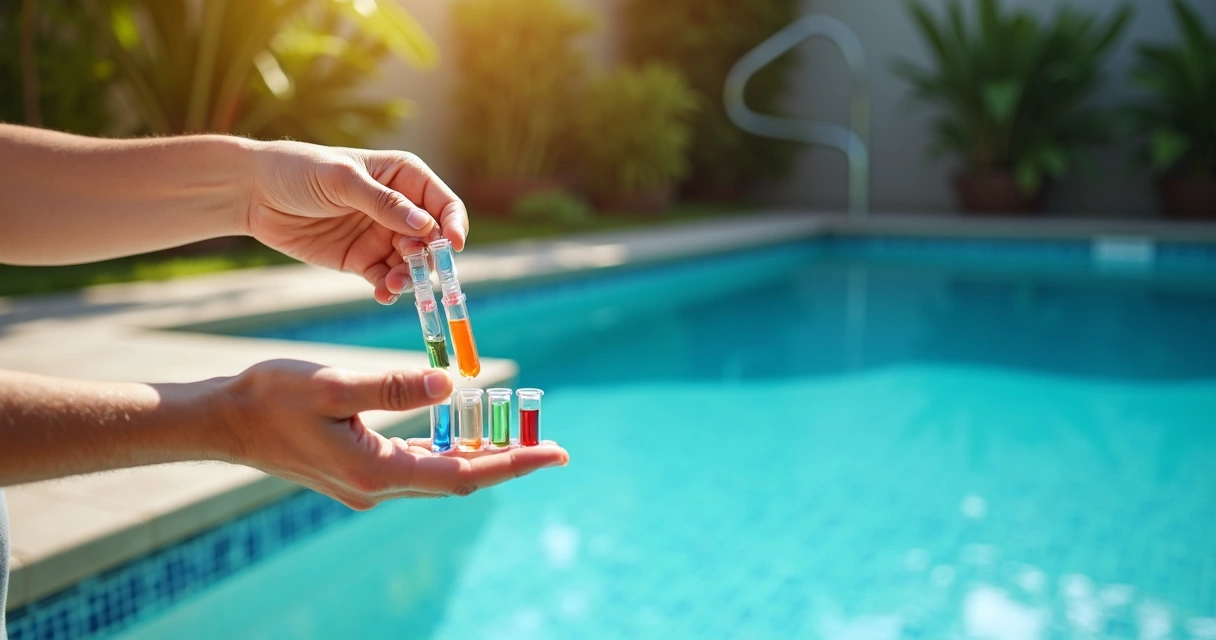
In my opinion, water testing is the backbone of pool care. With Queensland’s mix of storm rain and blazing sun, keeping water balanced means regular adjustment. Here’s my chemistry routine:
- Test water at least once a week in summer, and every two weeks in winter. Use fresh reagents or reliable digital testers. If there’s been heavy rain or lots of swimmers, test again sooner.
- Keep pH in the 7.2 to 7.8 range. The sun’s intensity in Queensland can push pH up fast, so I check this closely after hot, sunny days. High pH can cause scaling and cloudy water.
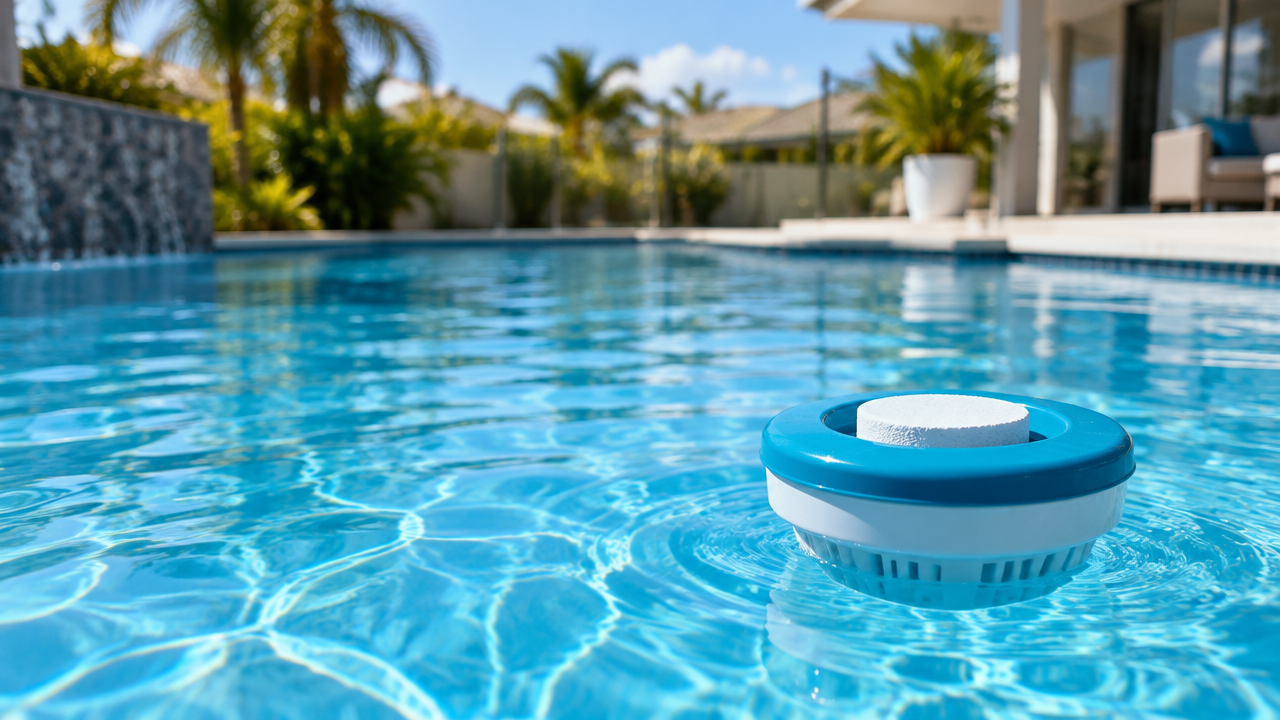
- Maintain free chlorine levels according to pool type—generally between 1 and 3 ppm for most pools, but saltwater models need tailored advice. MyPoolMate’s AI tools help by tracking this based on your actual pool specs, not just generic numbers.
- Check and adjust total alkalinity every month. Aim for 80-120 ppm as your buffer against pH swings. Unstable alkalinity is common here if you top up after storms.
- Monitor calcium hardness. For fiberglass, lower is better; for concrete, slightly higher (stay in manufacturer’s advised range). Queensland’s soft water often needs added calcium.
- Record each result in a log. A digital option like MyPoolMate lets you store results and see trends, so you stop problems before they grow.
I always use pool chemistry calculators that factor in temperature, volume, and sanitizer type. Blanket advice often leads to over-chemicaling—something I’m eager to avoid after years of wasted money.
Algae prevention and emergency shock: My approach
Algae love heat and sunlight. In Queensland, prevention beats cure every time. I’ve seen so many cases where skipping just one or two checks ends with a green pool. Here’s what I do:
- Maintain consistent chlorine levels—never let it fall to zero.
- Brush along tile joints and shaded areas often, where algae first take hold.
- Use a preventative algaecide if the weather is especially hot, and after big rains.
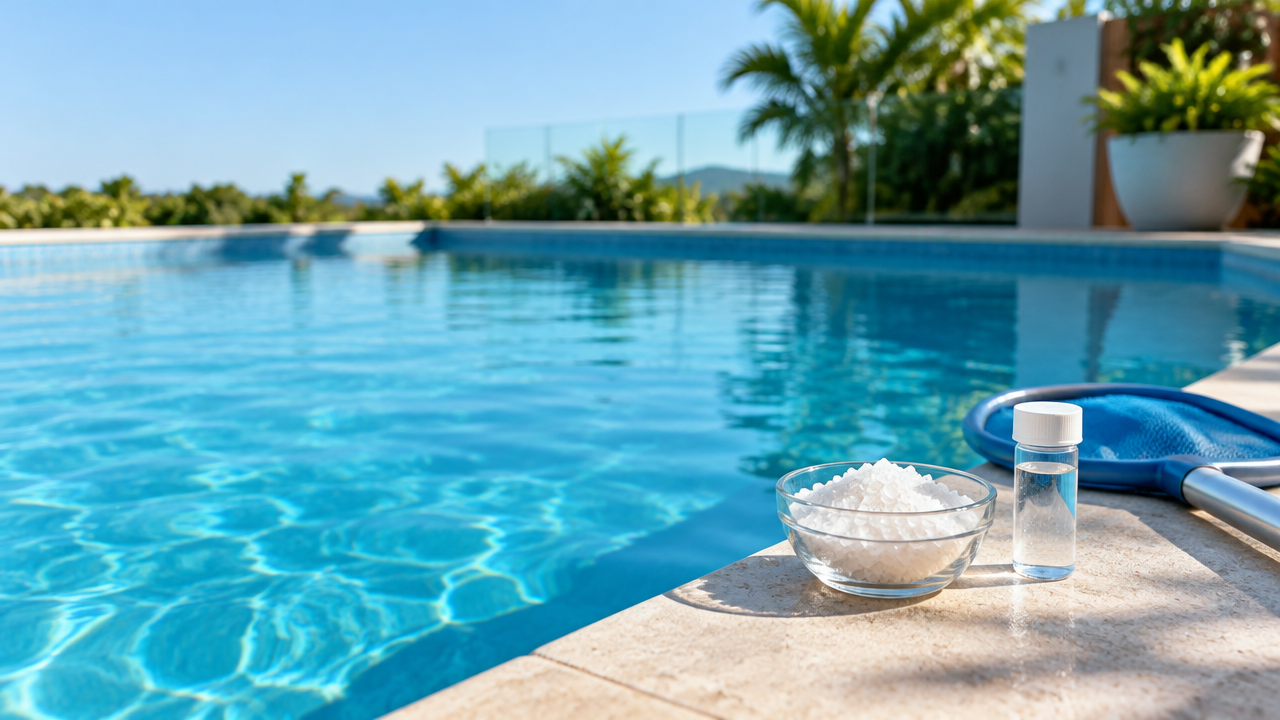
- If water turns green or opaque, I use shock treatment immediately—using granular chlorine doubled up for a fast dose. After shocking, I run the pump 24–48 hours, filter thoroughly, then retest before swimming.
- For complex blooms or recurring algae, I document the situation and consult with AI-driven analysis via MyPoolMate’s recovery plans, uploading images and data for step-by-step guidance.
Proper routine makes emergencies rare, but having a clear protocol gets things back on track in a hurry.
Correct water level and system care
It’s easy to miss, but water level matters. I make sure the level is halfway up the skimmer opening. Too low risks air inlets and pump damage. Too high means poor skimming and floating debris left behind. After storms or topping up due to evaporation, I keep close watch, especially in Queensland’s hot months.
And for equipment, I recommend monthly checks of:
- Pump noise and leaks
- Timer and automation system function
- Saltwater cell scaling
- Filter pressure (documented in maintenance records)
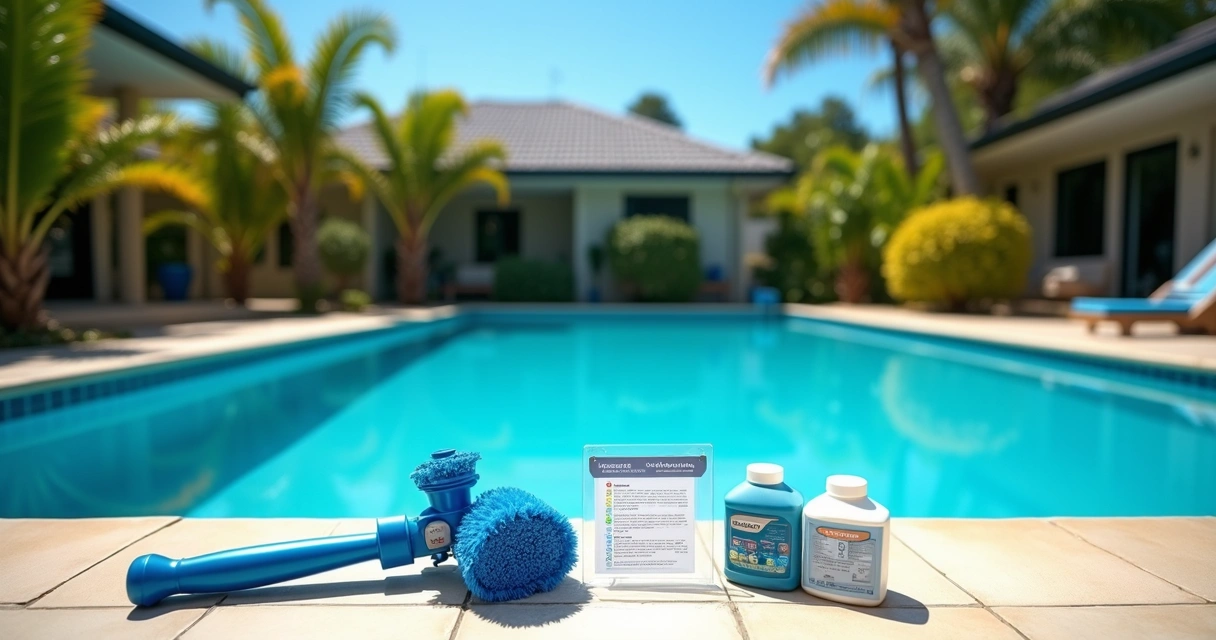
A simple toolkit—screwdriver, pool brush, and adjustable spanner—handles most quick fixes. If something feels off, I schedule a professional inspection, as required under the MP 3.4 pool safety standards.
How to avoid common errors with Queensland pools
Over years of experience, I’ve noticed some mistakes keep repeating, especially for new pool owners:
- Adding chemicals without testing—never dose blindly.
- Assuming all pools need the same products; in truth, volume, type (fiberglass, concrete), and sanitizer system (chlorine, salt, mineral) all matter. MyPoolMate shines here, with custom recommendations based on your actual pool type.
- Ignoring fence and gate checks—a leading contributor to accident risk, as confirmed in Queensland's pool fencing laws.
- Neglecting regular filter cleaning, leading to cloudy water and higher running costs.
- Storing pool chemicals unsafely or mixing them incorrectly. Always read instructions and store chemicals dry and separately.
If you’re keen to know how these practices connect with pool type, I’ve covered it more in my blogs at connecting pool type to routine care.
Modern tools and AI for smart pool management
For people who like precise results, apps powered by AI are a game-changer. In my case, using MyPoolMate, I input water tests after each check and let the AI track trends, generate reports, and alert me if a parameter falls out of range. This avoids wasted chemicals and costly errors.
It even helps schedule tasks, recommend timing for filter cleaning, and send reminders for safety checks. The ability to track multiple pools, add technicians, or record photos of fence fixes, sets modern pool management apart from old-school guesswork.
For more articles and practical tips, you can browse more insights I share on the MyPoolMate blog search page.
Smart safety habits: Fencing, signage, and registration
According to Queensland pool rules, every pool must have:
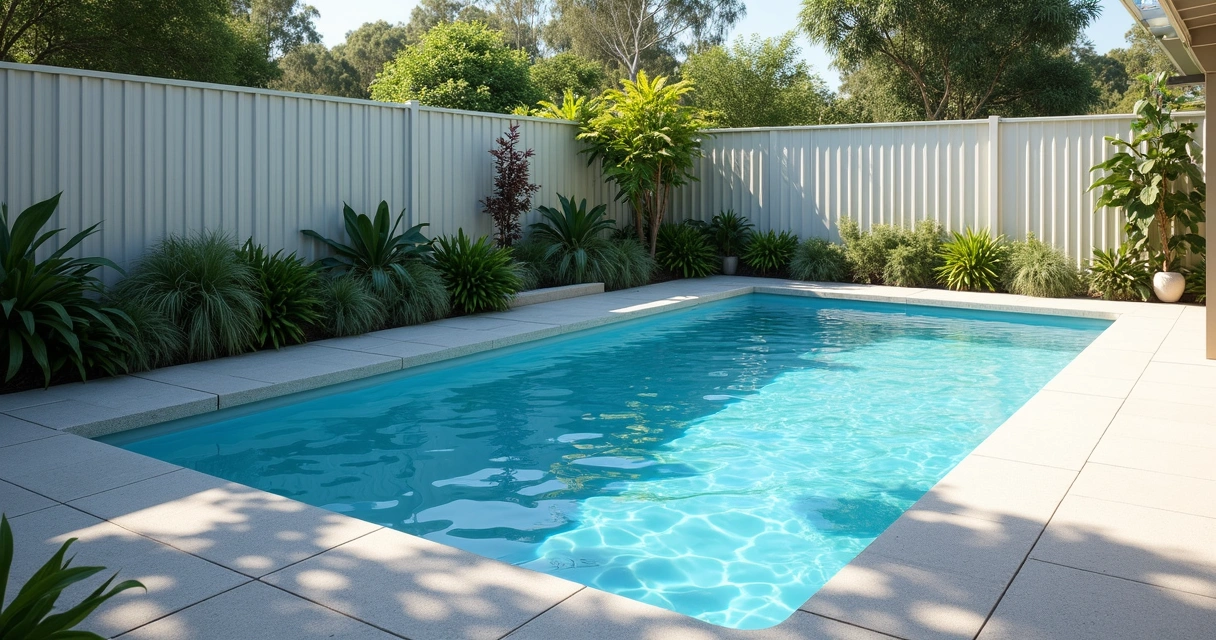
- A fence or barrier at least 1200 mm high, never climbable
- Self-latching, self-closing gates
- No climbable objects placed near the fence
- CPR sign in clear view
- Registration with the Pool Safety Register
These aren’t just ticks in the box. As mentioned in safety tips from Queensland authorities, well-maintained fencing, active supervision, and swim lessons are all part of preventing drownings.
Details on the legal side—including the core MP 3.4 barrier standard—are covered in depth in the Queensland government guidelines.
My conclusion: Pool maintenance in Queensland isn’t guesswork, it’s smart routine
Through all the pools I’ve owned and cared for, I’ve seen that the best results come from routine, record-keeping, and rapid response to change. The Queensland climate demands attention to both water chemistry and physical safety measures, year-round—not just in summer.
I always recommend modern tools and tailored advice, such as using AI-powered platforms like MyPoolMate to match actions to your pool’s individual needs, track compliance, and avoid the guesswork that leads to expensive or risky mistakes. With laws evolving, and the safety of our loved ones at stake, careful management pays off every time.
If you want to take the hassle out of pool care, or simply keep learning, I invite you to find more practical insights on our platform and see how MyPoolMate can help you look after your pool, your way.
Frequently Asked Questions
What is pool maintenance in Queensland?
Pool maintenance in Queensland means regularly cleaning, testing, and adjusting your pool to keep water clear, healthy, and safe while complying with state laws on safety fencing and signage. This includes skimming, brushing, vacuuming, checking water levels, and keeping all safety equipment inspected and up to standard year-round for our warm, storm-prone climate.
How often should I clean my pool?
I recommend removing surface debris daily, brushing and vacuuming each week, and emptying skimmer baskets weekly, with some chores more frequent in summer or after storms. Filter cleaning ranges from fortnightly to monthly, depending on filter type and season. More information about creating a routine can be found on our guide to regular maintenance schedules.
What chemicals are needed for pools?
Most Queensland pools need chlorine (or a salt/magnesium alternative), pH adjusters (acid or buffer), total alkalinity increaser, calcium hardness control, and sometimes algaecide. Of course, amounts and combinations depend on your pool’s volume, surface, and sanitisation system. I find AI-powered apps like MyPoolMate help me avoid using more than I need, by adjusting dosages to my pool’s unique pattern.
How much does pool maintenance cost?
Average weekly running costs—including chemicals, water, and electricity—often range from $25 to $40 during summer, less in winter. Professional inspections and repairs are extra, and fines for not meeting Queensland fencing and safety requirements can be substantial if neglected.
How to find reliable pool services?
Look for local technicians familiar with Queensland laws and climate, check reviews, and ask if they use digital management tools. Services that track your pool's specifications and provide tailored recommendations, such as those featured in my articles at our author profiles, tend to give the most reliable results.