
When I look at a pool that keeps turning cloudy, growing algae, or losing chlorine too fast, I usually do not blame the chemicals first. I look at circulation. In my experience, poor water movement causes many of the problems pool owners treat again and again without fixing the real cause.
Pool water circulation is the continuous movement of water through the pump, filter, and returns so the whole pool stays mixed, filtered, and sanitised.
That sounds simple. Still, many backyard pools do not circulate as well as owners think. I have seen clean-looking water hide dead spots, weak return flow, and dirty filters. Then one hot week arrives, and the pool starts slipping.
This is one reason I like the approach behind MyPoolMate. Good pool care starts with the pool’s real setup, not generic advice. Circulation depends on volume, shape, surface, equipment, season, and how the pool is used. One pool may need a small change. Another may need a full check of pump run time and return direction.
How circulation works
A standard pool circulation system follows a loop. Water leaves the pool through skimmer boxes and, in many pools, the main drain. It then travels to the pump, passes through the filter, and often through a chlorinator, salt cell, or heater. After that, it returns to the pool through return jets.
If one part of that loop is weak, the whole pool feels it.
The main jobs of circulation are easy to understand:
- Carry debris toward the skimmer and filter
- Spread chlorine and other chemicals through the water
- Help stop algae from settling in still areas
- Keep water temperature more even
- Support clear, balanced water after testing and treatment
When I explain this to pool owners, I often say that chemicals cannot work well if they do not move well. A pool is not a still container. It is a system.
Signs your pool circulation is poor
You do not need to be a technician to notice circulation problems. In my experience, the signs often appear before the water goes fully green.
Watch for patterns like these:
- Cloudy water that returns soon after treatment
- Algae forming in steps, corners, or along walls
- Weak flow from return jets
- Debris sitting in the same places every day
- One part of the pool testing very different from another
- Air bubbles in the pump basket or from returns
I once saw a pool that looked fine from the patio. Up close, the shallow-end steps felt slimy every week. The cause was not a lack of chlorine. It was poor movement near the entry area, made worse by a dirty filter cartridge and short pump run time.
Still water invites trouble.
If your system also struggles to start properly, this guide on how to prime your pool pump step by step can help you check a common cause of weak flow.
What affects water movement?
Several things shape how well a pool circulates. Some are obvious. Others get missed for months.
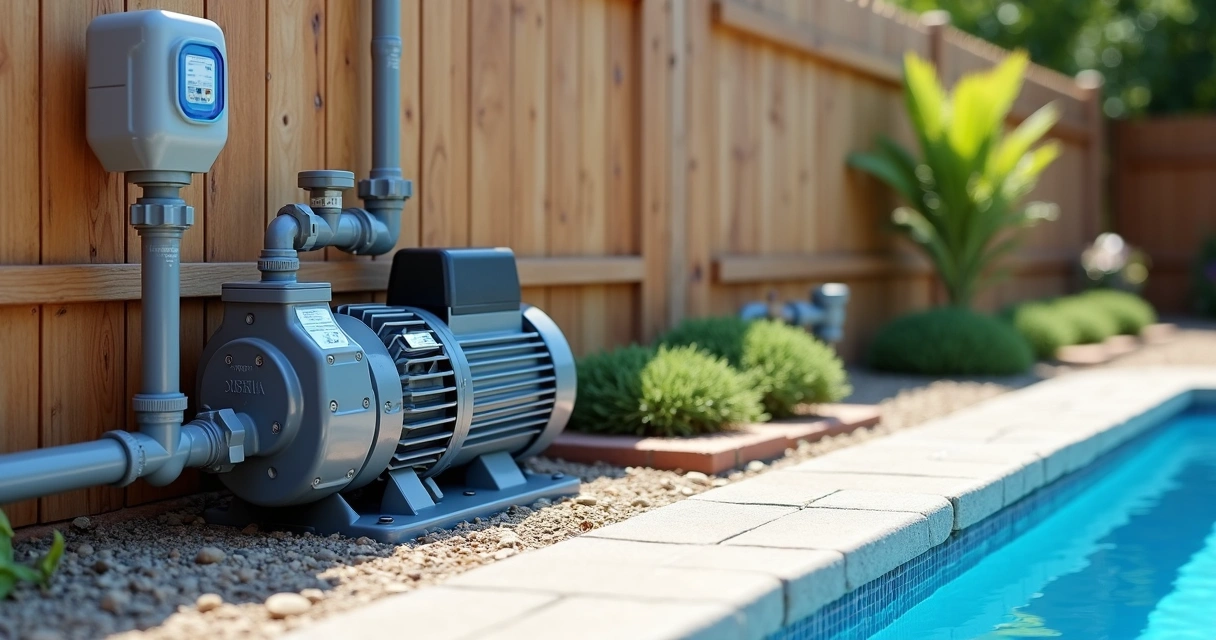
The first is pump run time. If the pump does not run long enough, the water may never pass through the system enough times to stay well mixed. In hot Australian weather, this becomes more noticeable.
The second is filter condition. A clogged cartridge, dirty sand bed, or loaded DE filter restricts flow. I often tell people to treat the filter as part of circulation, not a separate issue. This article on how to clean a pool filter cartridge is useful if you suspect reduced flow.
Other factors matter too:
- Pool shape and depth changes
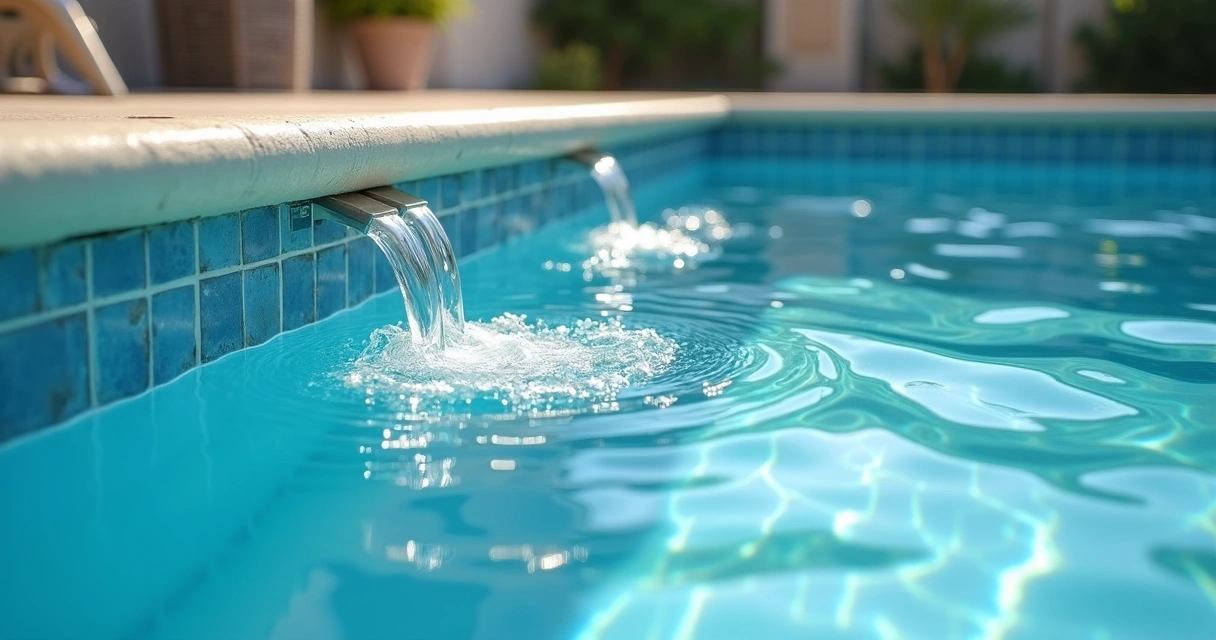
- Return jet direction and placement
- Blocked skimmer baskets or pump baskets
- Air leaks on the suction side
- Undersized or ageing equipment
- Heavy leaf load, rain, or frequent swimmer use
Salt pools add one more layer. If the salt cell is not working well, you may mistake a chlorine issue for a circulation issue, or the other way around. If that sounds familiar, I suggest reading this guide to check if a pool salt cell is working.
How I improve circulation in real pools
I like to start with simple checks before making big changes. Most of the time, the problem is not mysterious.
- Check return strength by hand at each jet.
- Empty skimmer and pump baskets.
- Inspect the pump lid and suction side for air leaks.
- Clean or backwash the filter if pressure is high or flow is weak.
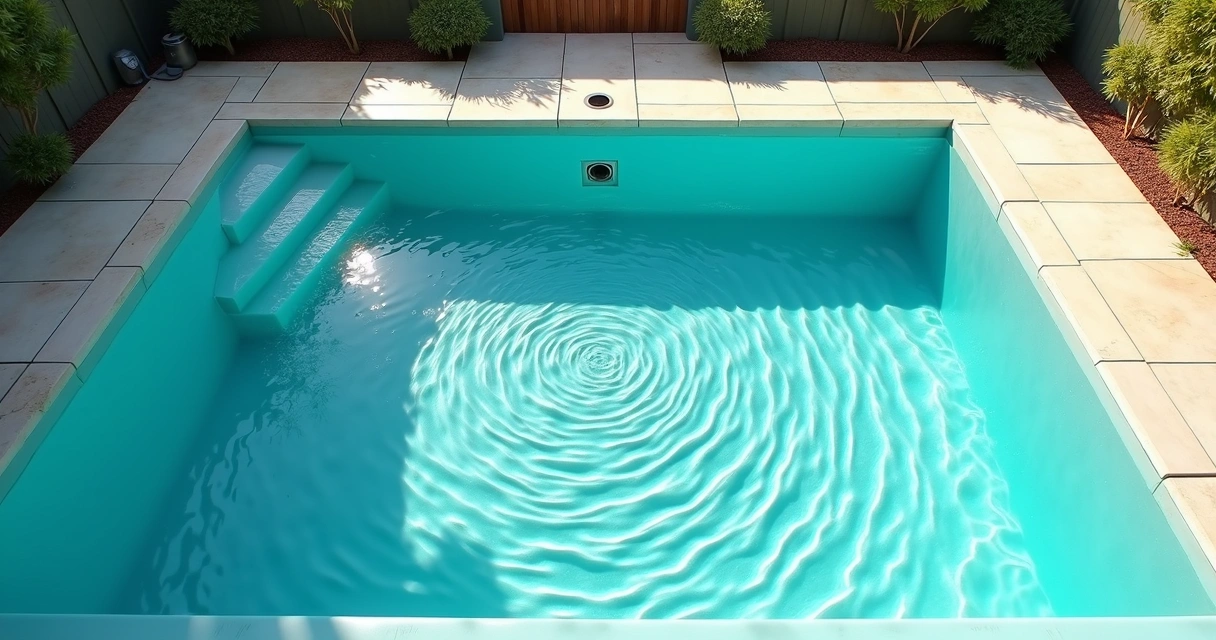
- Aim return jets to create a circular pattern across the surface.
- Increase pump run time during hot weather or heavy use.
The best return jet setup is one that keeps water moving in a consistent circular pattern with no obvious dead spots.
I also pay attention to brushing. People often see brushing as only a cleaning task, but it also helps suspend fine debris and algae so the system can catch it. Good circulation and brushing work together.
If you want broader seasonal care ideas, I think this pool maintenance resource is a good place to build a routine.
How long should a pool pump run?
This is one of the most common questions I hear. The honest answer is that there is no single number for every pool. Weather, pool size, bather load, filter type, and chlorination method all matter.
Still, I usually see these patterns work well for residential pools:
- Cool months: often 4 to 6 hours a day
- Mild conditions: often 6 to 8 hours a day
- Hot summer periods: often 8 to 12 hours a day
If the pool is recovering from algae, heavy rain, or very high use, more run time may be needed for a short period. With MyPoolMate, this kind of adjustment makes sense because the recommendation can be tied to the pool’s latest test results and seasonal conditions, not just a fixed guess.
Season, chemistry, and circulation
I have noticed that owners sometimes separate water chemistry from circulation too much. In reality, they affect each other all the time. If circulation is weak, chlorine may not spread evenly. If debris builds up, chlorine demand rises. If water is not filtered well, cloudy water lingers longer.
Good circulation helps every chemical treatment work more evenly and more predictably.
This matters a lot in Australia, where heat, storms, and long swim seasons can push pools hard. For owners in that setting, this Queensland pool maintenance guide gives useful context for climate-related care.
Conclusion
When I sum it up, pool water circulation is not just about moving water from one side to another. It is about helping the whole pool stay clean, mixed, filtered, and easier to manage. Better circulation can lower waste, support clearer water, and make your test results make more sense.
If your pool has recurring problems, I would start by checking flow before buying more chemicals. That small shift in thinking can save time and frustration. If you want help matching circulation, testing, and treatment to your own pool, I suggest getting to know MyPoolMate and seeing how its pool-aware guidance can support smarter care.
Frequently asked questions
What is pool water circulation?
Pool water circulation is the movement of water through the skimmer, pump, filter, and return jets, then back into the pool. This process helps remove debris, spread sanitiser, and reduce still areas where algae can grow.
How often should I run my pool pump?
I usually suggest adjusting pump time by season and pool conditions. Many pools need about 4 to 6 hours in cooler weather, 6 to 8 hours in mild periods, and 8 to 12 hours in hot summer conditions or during heavy use.
What are the best pool circulation tips?
The best tips I can give are to clean baskets often, keep the filter clean, aim return jets to create a circular flow, brush walls and steps, and increase pump time when heat, storms, or swimmer load rise.
How can I improve pool water flow?
You can improve water flow by checking for clogged baskets, cleaning the filter, fixing suction air leaks, priming the pump correctly, and making sure return jets are not poorly aimed. In some cases, longer pump run time also helps.
Why is pool circulation important?
Pool circulation matters because it supports filtration, helps chemicals mix evenly, reduces dead spots, and makes it harder for algae and cloudy water to take hold. In my experience, strong circulation makes pool care simpler and more accurate.