
For most pool owners, it’s easy to forget about the salt cell, until something isn’t quite right with the water. I know I used to stare at my own pool, wondering if the chlorinator was really keeping things clean, or if I was missing an obvious problem. Checking if your salt cell is working doesn’t have to be complicated, and breaking things down into simple steps helps keep the process stress-free. I’ll explain how I approach checking a salt cell, what warning signs to look for, and why routine maintenance can spare you frustration (and money) in the long run.
What a salt cell does in your pool
The salt cell sits at the heart of a saltwater pool’s chlorinator. Its job is simple but clever: it transforms salt water into chlorine using a process called electrolysis. The result? Your pool stays sanitised with a gentle trickle of chlorine, produced as salty water passes through the cell’s metal plates while a low electrical current runs through.
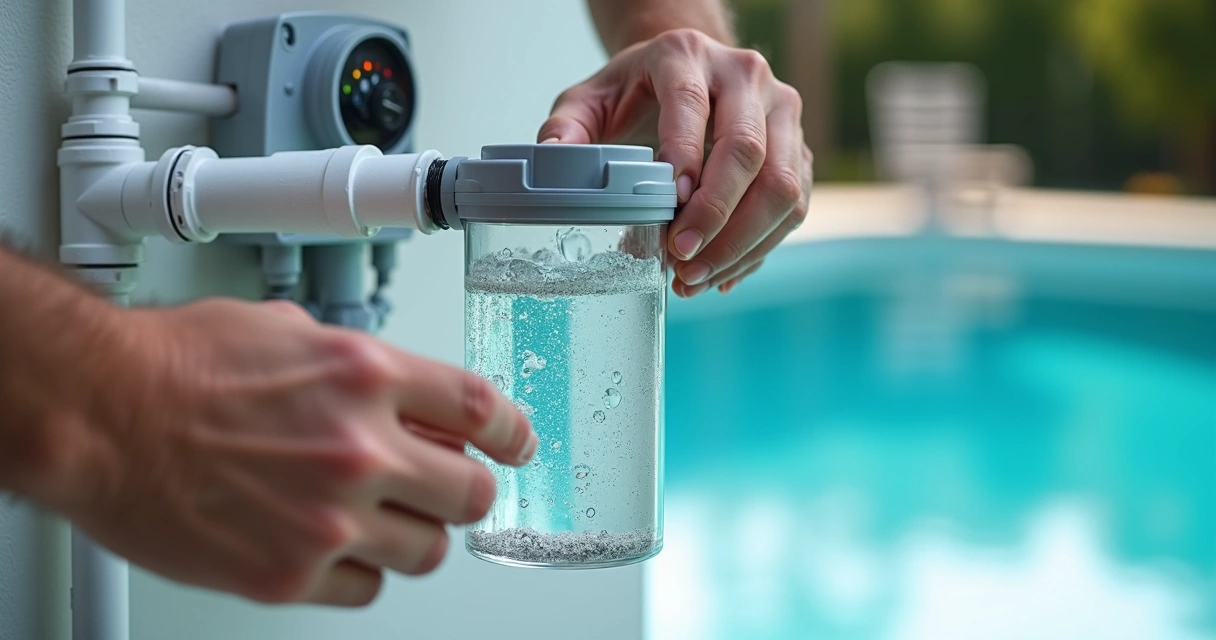
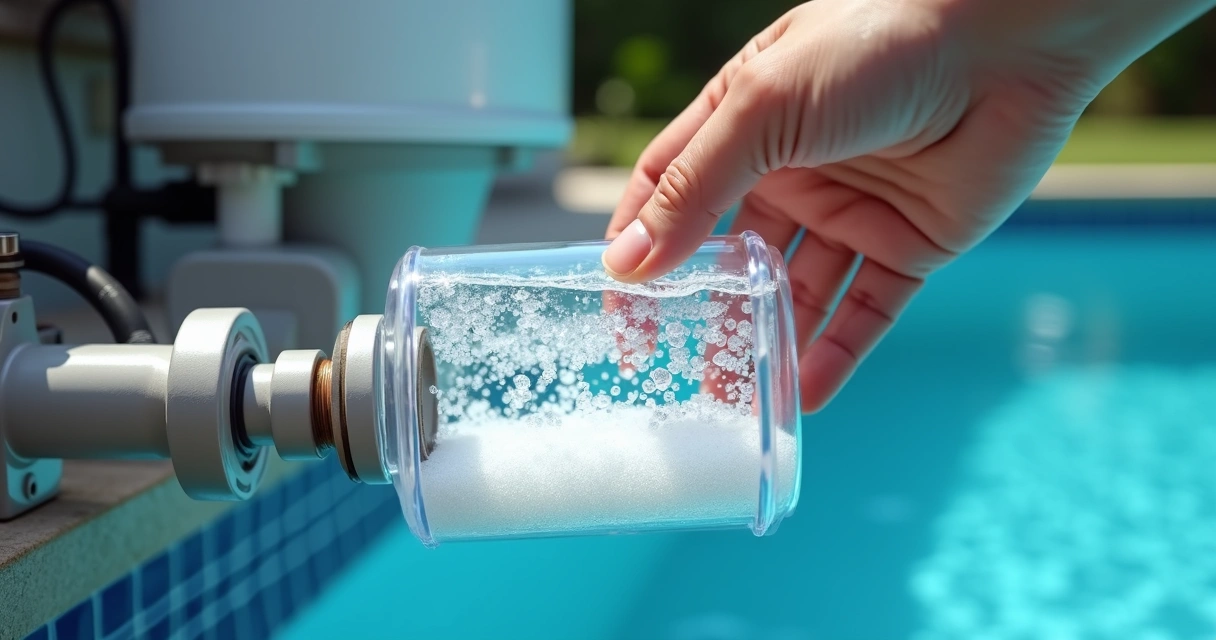
A working salt cell creates clouds of tiny bubbles and a slightly cloudy appearance inside the cell, that’s chlorine being made on the spot.
Most modern salt cells last between five and seven years, or about 10,000 hours of use. Replacement costs in Australia typically range from $200 to $900, depending on the make and model. Keeping your salt cell running smoothly can help delay this expense, and it’s why I recommend regular checks to my clients. If you need more background on how pool chlorinators actually work, it can be helpful for troubleshooting.
Quick ways to check your salt cell’s performance
I’ve found that most salt cell problems make themselves known before they cause real trouble. Here’s how I check a cell in minutes, using just a few observations:
- Look for strong bubbles. If your salt cell has a clear plastic housing, check when the pump is running, you should see strong bubbling, fizzing, or a hissing sound. That’s the electrolysis process creating chlorine.
- Check indicator lights or digital displays on the chlorinator box. Many units have a needle gauge for “chlorine production”. If it’s low or dead, there’s likely a problem.
- If your cell isn’t visible in-line, do the bucket test: carefully disconnect the cell (with the power off), immerse just the cell in a bucket of salty pool water, then power it on briefly. Bubble production here means it’s working.
- Monitor your pool water visually. If chlorine drops low even when the cell is set higher than usual, the cell may be deteriorating.
If your pool doesn’t smell like chlorine and the water looks flat or green, the salt cell could be at fault.
The key is to act quickly. A healthy salt cell is easy to overlook, but when it fails, pool water slips out of balance fast.
What else to check: salt, water flow, and power
Sometimes the cell is just fine, but other factors are holding things back. If your cell seems inactive or your pool isn't getting enough chlorine, I always check three things:
- Salt level: Too little salt means not enough fuel for chlorine production. Too much salt can harm cells or trigger system warnings. For fixing high salt, see these simple steps for accurate testing and adjustment.
- Water flow: Most salt cells have a flow sensor or pressure switch. Low flow can be caused by a clogged pump basket, full skimmers, dirty filters, or closed valves. The cell won’t activate if flow drops.
- Power/control panel: If there’s no indicator light, check for a tripped breaker, blown fuse, or loose wires. Sometimes the fix is as simple as resetting a safety switch.
I also find that temperature can play a role. If pool water gets very cold, some systems will pause chlorine production to protect the cell. Warm weather, on the other hand, means you need more chlorine, a reminder that seasonal needs vary and platforms like MyPoolMate offer customisable targets for summer or winter.
Why balanced water chemistry matters
It’s easy to forget that salt cells depend on balanced water chemistry to function properly. I’ve heard from pool owners confused by persistent chlorine shortages, and the real culprit turns out to be low pH or unbalanced alkalinity, not the cell itself.
- Low pH: Makes chlorine work harder, burning off faster and leaving the pool unprotected.
- High alkalinity/low hardness: Can weaken the effectiveness of chlorine and encourage calcium buildup on the cell plates.
- Test kits or strips help you quickly spot these issues and correct the balance as soon as possible.
If you want to sharpen your understanding or see more on chemistry pitfalls, there’s a handy archive of pool chemistry guides and tips.
On the MyPoolMate platform, users can scan or input all their test data and track trends, which has saved me from trying to remember what I adjusted a week ago or last month.
Routine salt cell maintenance tips
Checking performance is one part, but keeping your salt cell clean is just as important. The most common headache I run into with older systems is calcium scale on the metal plates. Most “self-cleaning” models reverse polarity, shedding some buildup, but routine inspections are still necessary.
- Visually inspect the cell every month or two, especially if you have hard water or a history of calcium problems.
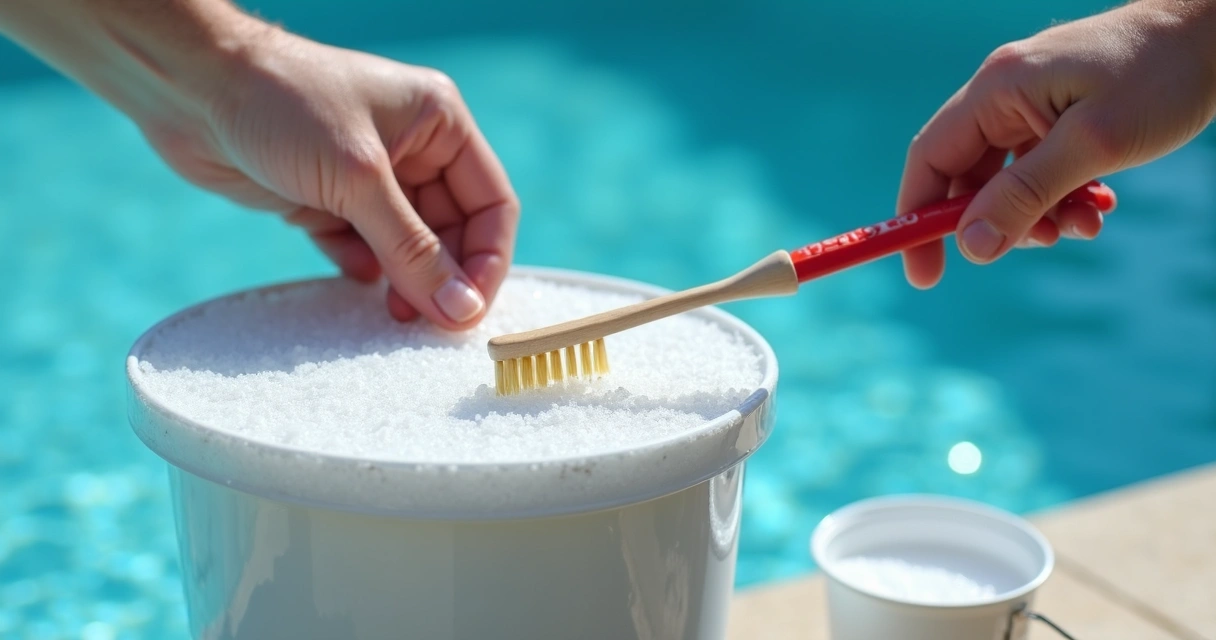
- If deposits are present, soak the cell in a 90% water, 10% acid solution (muriatic acid works), but never more than ten minutes at a time. Always rinse well afterward.
- A soft toothbrush works wonders on stubborn deposits or corroded terminals. I avoid metal brushes, which damage the cell plates quickly.
- Wipe down the connectors, screw terminals, and any exposed metal. Corrosion here shuts down chlorine production fast.
Routine cleaning means your salt cell runs smoother, lasts longer, and costs less in repairs.
For step-by-step troubleshooting beyond just cleaning, I recommend checking the most common salt water chlorinator issues and fixes list.
Signs it’s time to replace (not fix) your salt cell
Even with good care, every salt cell reaches the end sooner or later. Here’s what I look for if I suspect the cell isn’t coming back:
- Heavily worn, corroded, or missing plates inside the cell, usually visible through a clear case or after removal.
- Persistently low or “dead” chlorine readings even at the highest output setting on your chlorinator.
- Warnings like “low salt” or “check cell”, especially if you’ve recently topped up the salt and balanced water chemistry.
- Pools staying green or cloudy for days despite maxing out the cell and filtration.
- A cell older than seven years is likely due for a change, especially if repairs haven’t solved the issue.
Be aware that control boards and circuit boards also fail over time. Repairs or replacements for either cell or board aren’t cheap, sometimes running up to half the price of a new chlorinator. My suggestion: identify your cell model using your system’s label or manual, and if you’re unsure, consult a trusted supplier for advice. If you get stuck, it helps to have a contact for identification help, a tip I picked up after wrestling with “mystery box” setups in older pools. For more in-depth information on specific salt chlorinator brands, many find the AXIS salt chlorinator guide a helpful reference.
If you consistently see underperformance even after deep cleaning, it’s best to consider replacement.
Conclusion: Easy checks, healthier pool, less stress
In my experience, catching salt cell issues early is the difference between quick pool fixes and bigger repair bills. Watching for strong bubbling, reliable display lights, and steady chlorine levels means your pool will stay healthier all season. Remember to keep salt, water flow, and chemistry in balanced ranges, clean the cell regularly, and stay alert for signs of failing hardware.
Using a trusted tool like MyPoolMate makes it easier to track trends, check if anything’s off, and get custom advice for your exact pool setup. If you want ongoing tips or a little peace of mind on your next maintenance day, it’s worth joining the Pool Club. Members get access to discounts, offers, and practical advice to save time and money, and you can unsubscribe any time, no questions asked.
Frequently asked questions
What is a pool salt cell?
A pool salt cell is a key component inside a saltwater chlorinator that converts salt water into chlorine by passing electricity through a set of metal plates, producing bubbles and chlorine right in your pool plumbing.
How to tell if my salt cell works?
Check for strong bubbling or fizzing inside the salt cell when the pump is running, look at indicator lights or gauges on the chlorinator box, use a bucket test if needed, and monitor if your pool water stays clear and sanitised as expected.
What are signs of a bad salt cell?
Persistent low chlorine, cloudy or green pool water, warning lights like “low salt” even after adding salt, missing or corroded cell plates, or a cell older than 5–7 years that doesn’t improve with cleaning all point to a failing salt cell.
How often should I check my salt cell?
Every 4–8 weeks during swim season, and after storms, cold snaps, or signs of pool problems, visually inspect and clean the salt cell to keep it running reliably.
Can I clean a pool salt cell myself?
Yes, you can safely remove, inspect, and clean your pool salt cell by soaking it in a mild acid and water solution (10% acid, 90% water) for up to 10 minutes, or brushing gently with a soft brush to remove calcium deposits and surface corrosion.