
Pool running costs can creep up due to electricity, chemicals, and water top-ups, which each seem cheap at first but add up over time. In my experience, most of this can be avoided with the right setup and steady habits. I have seen many pool owners spend more than they need to, not because their pool is hard to manage, but because small issues go unnoticed for too long.
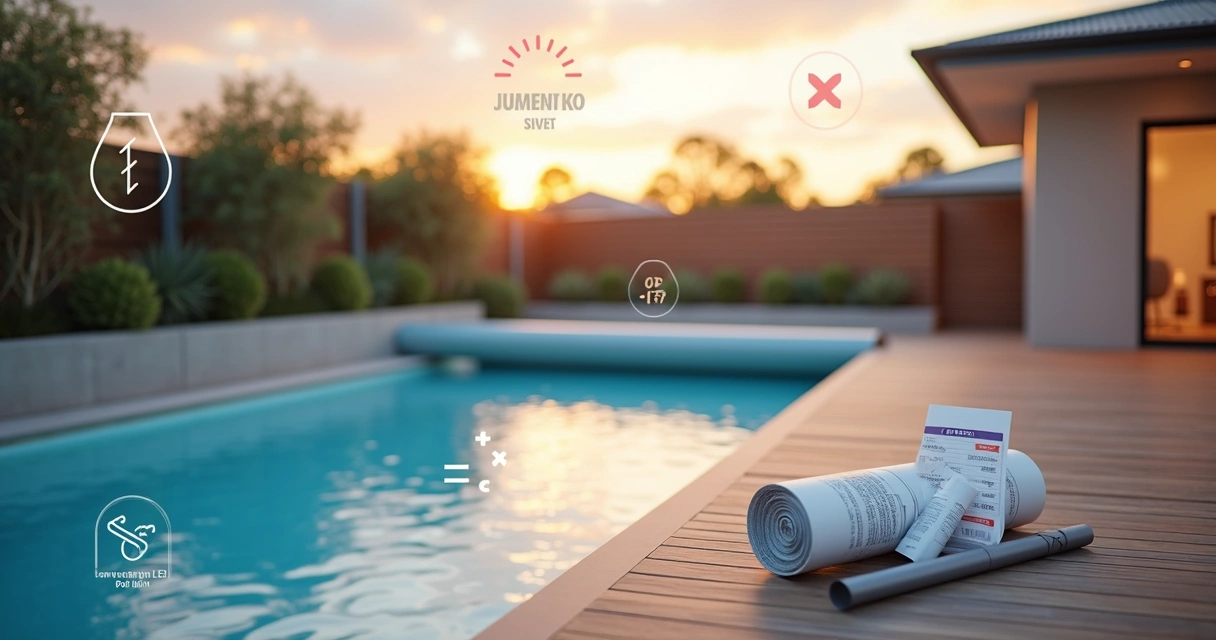
If I had to start with one simple fix, it would be a pool cover. Evaporation is a major source of water loss in Australian pools, especially in summer, and a cover helps keep moisture in while also reducing heat loss. That means less topping up and less work for the heater. I suggest browsing for pool covers that fit different pool shapes and sizes, because a good fit makes a real difference.
1. Use a pool cover every day you can
A pool cover can cut both water loss and heating costs by reducing evaporation.
I think this is the easiest win for most households. On hot and windy days, an uncovered pool can lose a surprising amount of water. That water has to be replaced, and if the pool is heated, the lost warmth also has to be replaced.
Even a basic cover helps. A better-fitted one helps more. I have noticed that owners who use a cover regularly usually deal with fewer chemistry swings too, because the water is more stable.
Small habit. Big savings.
2. Test the water before problems start
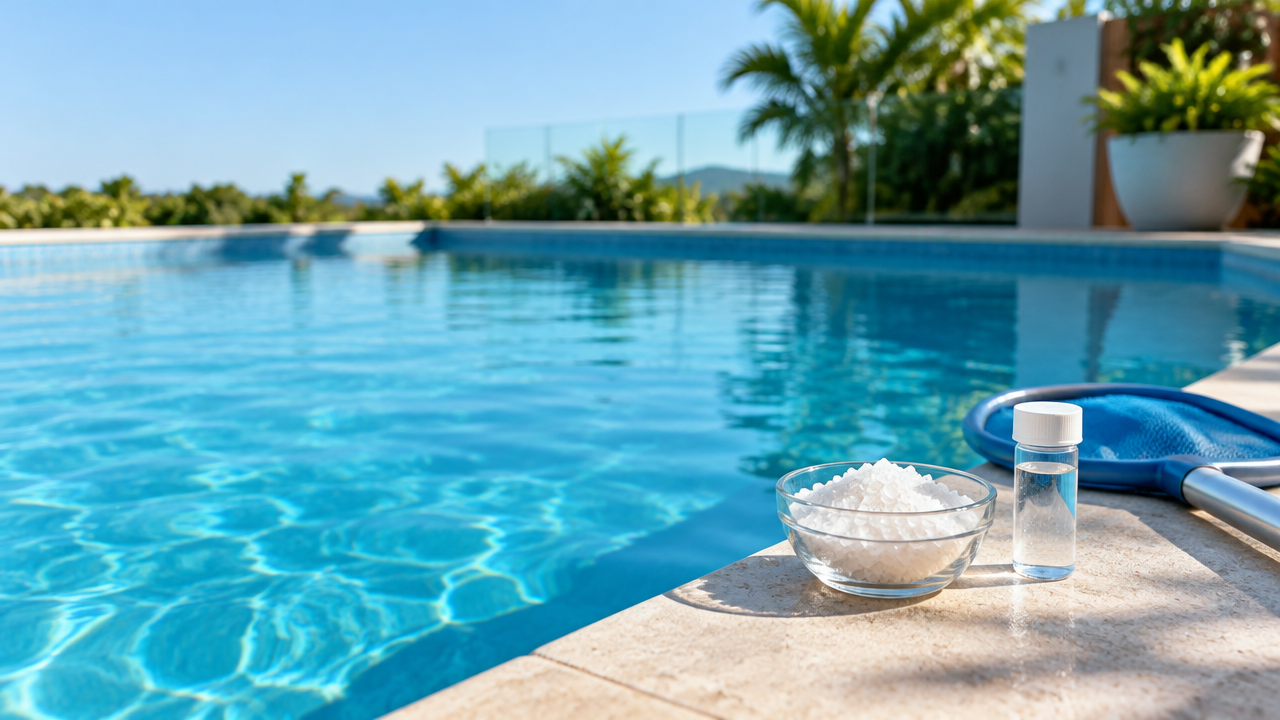
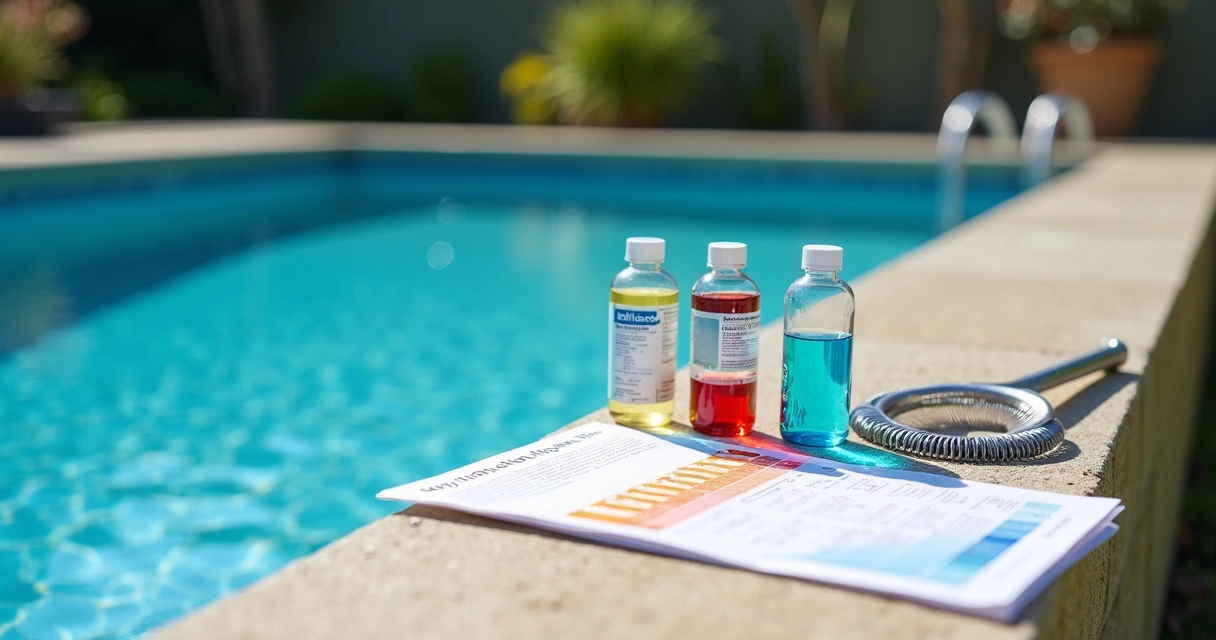
Regular water testing stops waste. When water is unbalanced, chemicals do not work as well, so more gets added than needed. I always suggest using a good pool test kit and testing at least once a week in summer, or after heavy rain. In cooler months, every two weeks is often enough.
The target ranges I like to keep in mind are:
- PH: 7.2 to 7.6
- Total alkalinity: 80 to 120 ppm
- Free chlorine: 1 to 3 ppm
- Calcium hardness: 200 to 400 ppm
Please check your pool surface manufacturer's guidelines on calcium, because some finishes need a tighter range. If I see people overspending on chemicals, it is often because they are treating symptoms instead of the cause. That is one reason tools like MyPoolMate are useful. The app looks at the full picture of the pool, rather than pushing broad, one-size-fits-all dosing.
If you want a deeper look at overbuying chemicals, I recommend reading this guide on whether you need all the chemicals pool owners are often told to buy.
3. Run the pump at cheaper times
Electricity is one of the biggest pool costs. I try to run pumps and filters at off-peak times, such as overnight or early morning in most Australian states, because power is often cheaper then. This does not reduce the work the system does, but it can lower the cost of doing it.
Most pools need 6 to 8 hours of filtration daily in summer. Some need less in cooler weather, depending on bather load, leaf fall, and equipment. If your pump is more than 10 years old and single-speed, I would seriously look at replacing it with a variable speed model.
Variable speed pumps can lower power use because they run slower for routine filtration.
For more detail on pool costs overall, I like this breakdown of pool maintenance costs in Australia.
4. Keep the filter clean
A dirty filter makes the pump work harder. That means more power used for worse results. I have seen pools with cloudy water where the fix was not more chemicals at all. It was just overdue cleaning.
My basic routine is simple:
- Check pressure readings often
- Backwash or clean when the filter pressure rises
- Inspect cartridges for wear or clogging
If you stay on top of this, the whole system runs better and your pump has an easier job.
5. Switch from halogen to LED lights
This is a smaller change, but it pays off over time. LED pool lights use much less power than halogen lights, last longer, and often come with colour-changing features. I like them because they lower running costs without changing how you use the pool.
LED pool lights are worth it because they use less electricity and usually last much longer than halogens.
If your current lights are old or failing, I think this upgrade makes good sense.
6. Check for leaks before they grow
Even a slow leak can waste a lot of water. I pay close attention around valves, pipe joiners, and older fittings, especially on ageing pools. Many owners blame evaporation when the real issue is a hidden leak.
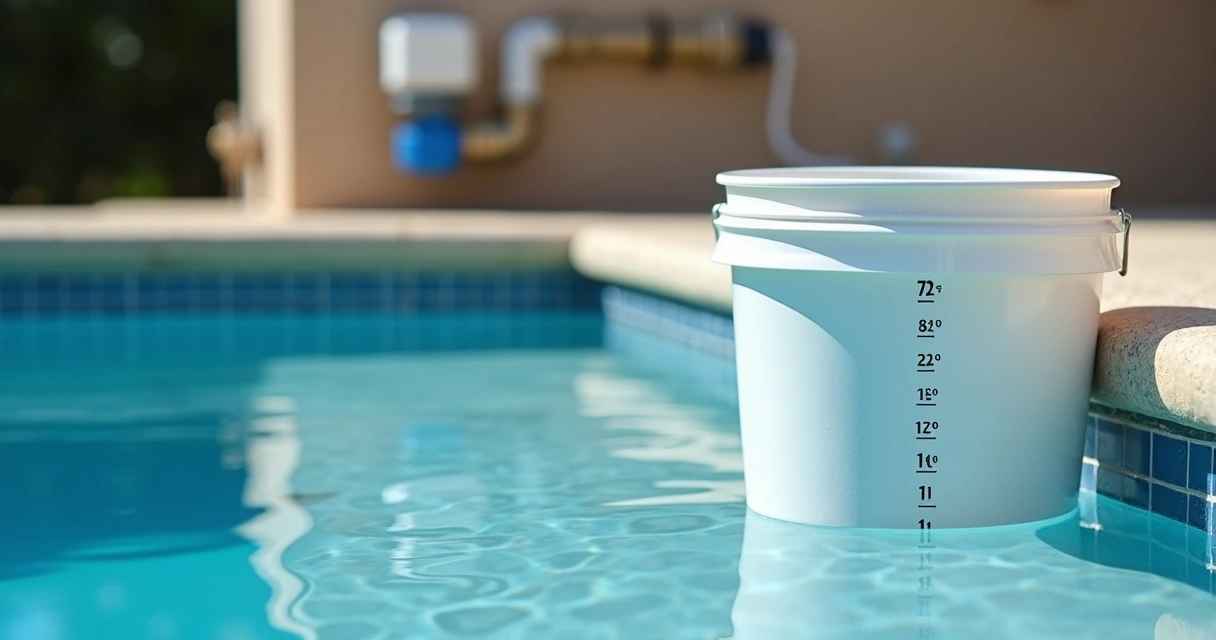
A simple bucket test can help:
- Place a bucket of pool water on a pool step.
- Mark the water level inside the bucket and the pool level outside it.
- Wait 24 hours without running the pool.
- If the pool drops more than the bucket, a leak may be present.
I like this test because it is easy and gives a quick clue before you spend money in the wrong place.
7. Match chlorine and equipment to the pool
I have learned that lower costs often come from choosing the right system early, then managing it well. If your sanitising setup does not suit the pool size or usage, the bills can creep up fast. That applies to chlorinators too. If you want to understand the basics, this explanation of how pool chlorinators work is a good place to start.
For local conditions, I also like practical state-based advice. If you live in a warm climate with long swim seasons, this Queensland pool maintenance guide gives useful context.
8. Stick to simple maintenance habits
In my experience, pool costs often come down to routine. Not fancy tricks. Just regular checks that stop bigger problems.
The habits I come back to are:
- Keep water halfway up the skimmer
- Empty the skimmer basket before it gets clogged
- Check O-rings and fittings for wear
- Keep pool surrounds clean so less debris blows in
These tasks do not take long, but they help stop strain on the system. If you want more day-to-day advice, I suggest browsing the maintenance articles here.
Conclusion
When I look at pool costs, I do not think about one giant saving. I think about cutting waste in a few smart places. Cover the pool. Test the water often. Run the pump at cheaper times. Keep the filter clean. Upgrade old lights and pumps when the numbers make sense. Check for leaks early. Then stay consistent.
I have seen this approach work again and again. It keeps the pool clearer, the bills lower, and the guesswork out of treatment. If you want a simpler way to track tests, spot waste, and get pool-specific advice, I suggest getting to know MyPoolMate and seeing how it can help you spend less while caring for your pool with more confidence.
Frequently asked questions
How to reduce pool electricity costs?
I would start by running the pump during off-peak hours, keeping the filter clean, and replacing an old single-speed pump with a variable speed model if needed. Switching from halogen to LED lights also helps lower power use over time.
What are energy-efficient pool pumps?
Energy-efficient pool pumps are usually variable speed pumps. They can run at lower speeds for daily filtration, which uses less electricity than older single-speed models while still keeping the water moving and filtered.
Is solar heating worth it for pools?
In many parts of Australia, I think solar heating can be good value, especially if you use the pool often. The best results usually come when solar heating is paired with a pool cover, because the cover helps keep the collected heat in the water for longer.
How often should I run the pool filter?
Most pools need about 6 to 8 hours of filtration a day in summer. In cooler months, many can run less. I would adjust based on weather, debris, and how much the pool is used, while watching water clarity and test results.
What pool cover saves the most money?
A well-fitted cover that reduces evaporation and heat loss will usually save the most money over time.
I would choose a cover that suits your pool’s shape, size, and heating setup. The best cover is the one you will actually use often, because regular use is what brings the savings.