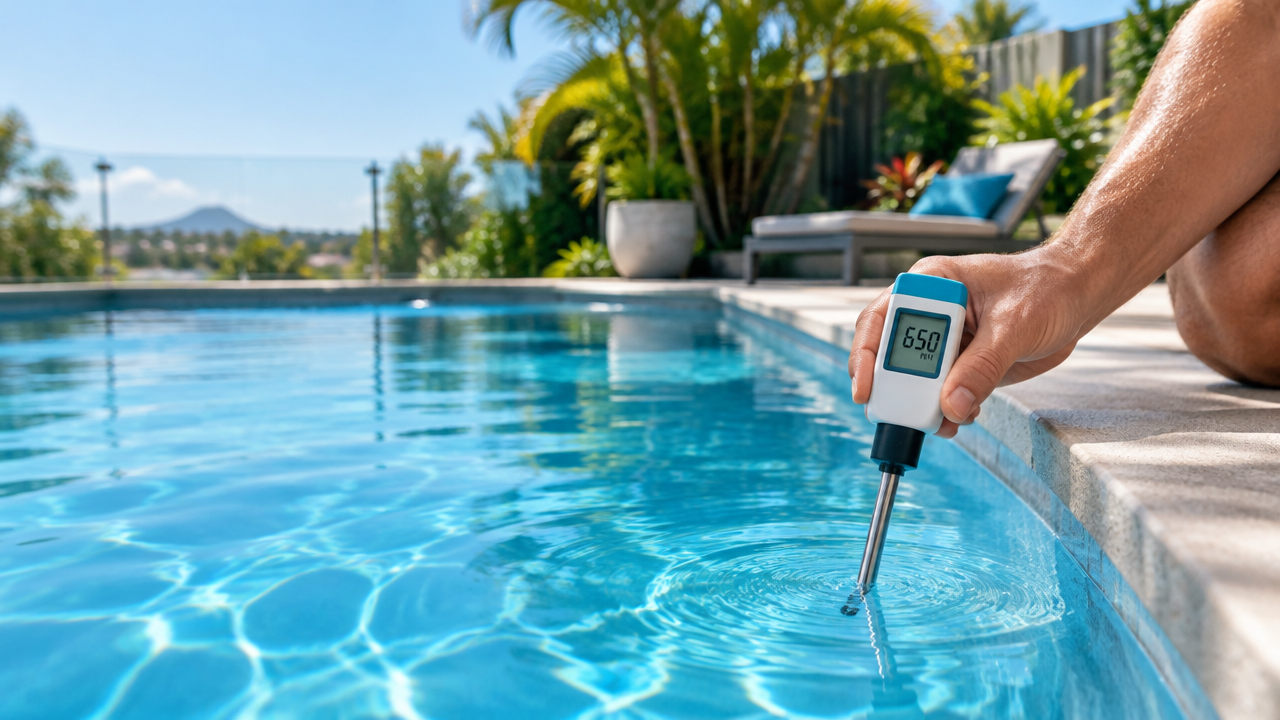
Chlorine tablets dissolve gradually, releasing sanitiser to help control bacteria and algae in pool water. For Australian pool owners, they can make routine dosing simpler, but the tablet type, feeder and water balance all matter. Here is how to use them without letting convenience turn into excess chlorine or stabiliser.
Key points to know before using pool tablets
- Most routine pool tablets are slow-dissolving and stabilised, but check the active ingredient on the label.
- Use a compatible floater or chlorinator, not a tablet sitting on the pool surface.
- Stabilised tablets add cyanuric acid, which can accumulate over time.
- Set dosing by water tests and your pool’s needs, not a one-size-fits-all tablet count.
How do chlorine tablets sanitise pool water?
As a tablet dissolves, it releases chlorine compounds that form the active sanitiser in the water. This helps kill harmful microorganisms and limit algae growth. A slow feed maintains a supply between checks, but it does not guarantee that the chlorine level is right for your pool.
Many common tablets contain trichlor, a concentrated, stabilised chlorine product. It dissolves slowly and lowers pH, so regular use can affect more than just the chlorine reading. Your pool volume, sunlight, water temperature, swimmer load and circulation all influence how quickly chlorine is used. Understanding why pool chlorine gets wasted can help you avoid adding more than the water needs.
What else can tablets add to your water?
Stabilised tablets add cyanuric acid, often shortened to CYA, along with chlorine. CYA helps protect chlorine from breakdown in sunlight, which can be useful in an outdoor pool under strong Queensland sun.
The trade-off is that CYA builds up as tablets dissolve. If it climbs too high for your pool’s conditions, chlorine becomes less effective at sanitising the water. Check the tablet’s active ingredient and monitor CYA as part of your regular testing. If levels are rising, review your treatment approach and understand your cyanuric acid levels before making a change.
How should you use tablets safely?
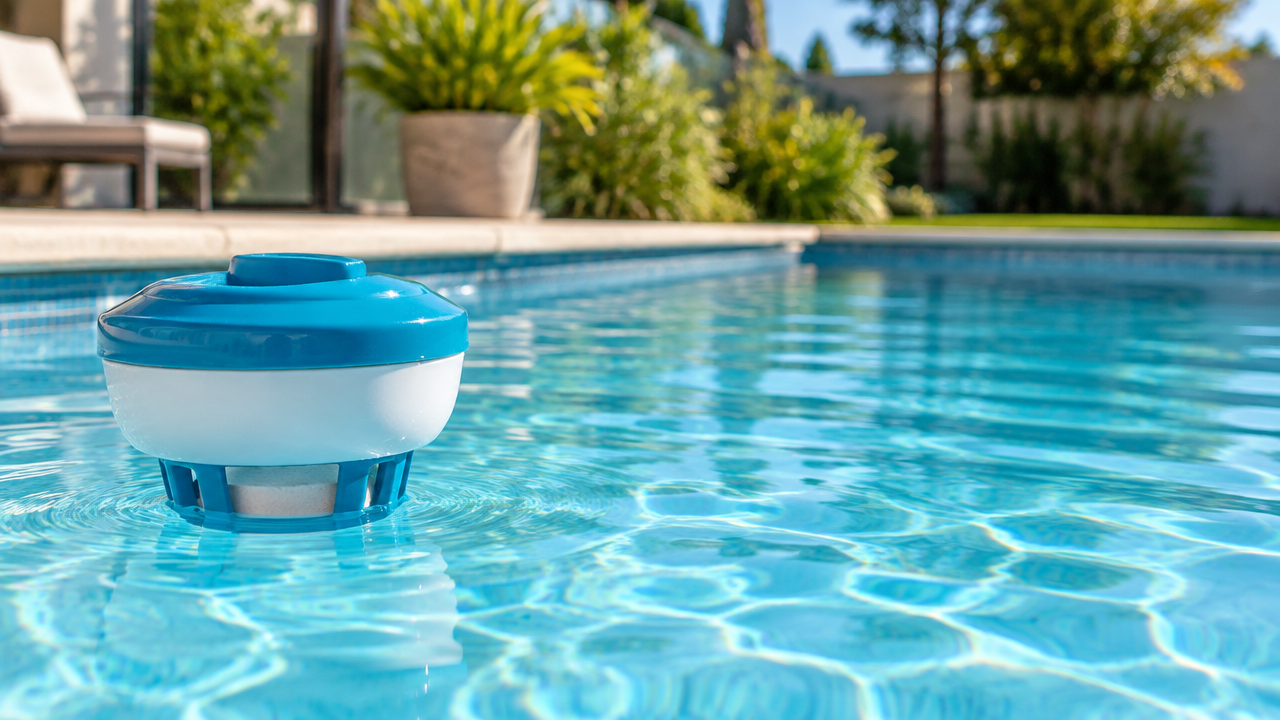
Use a floating dispenser or a compatible inline or offline chlorinator, and follow the instructions for both the tablet and the equipment. Avoid throwing tablets directly into the pool: a concentrated tablet resting against a surface may cause damage or discolouration. Do not put tablets in the skimmer unless your product and equipment instructions specifically allow it, as concentrated chemical water can pass through the system.
Keep tablets dry and in their original container, away from other pool chemicals. Never mix different products. Before changing a feeder setting, test the water and make small adjustments according to the label.
How many tablets should you add, and how long do they last?
There is no reliable tablet count that suits every pool. A dosing suggestion based only on pool volume may miss differences in tablet size, product strength, feeder settings, sun exposure and chlorine demand. Use the label as a starting point, then adjust based on your own test results and the pool’s response.
Tablet lifespan varies too. A tablet may dissolve faster in warm, busy water or in a feeder with more flow, and slower under different conditions. Check the dispenser regularly rather than assuming one tablet lasts a particular number of days. A pool chemical dosing calculator can help with the volume maths, but water testing is still needed to guide treatment.
Are tablets better than liquid chlorine?
Neither option is best for every pool. Tablets are convenient for gradual dosing, while liquid chlorine provides a faster dose and does not add CYA. However, tablet use can raise CYA over time, and liquid chlorine usually requires more frequent measuring and dosing.
| Option | Useful for | Keep in mind |
|---|---|---|
| Stabilised tablets | Gradual chlorine feed between checks | Can add CYA and lower pH |
| Liquid chlorine | A quicker chlorine dose without adding CYA | Needs careful measuring and regular checks |
Which costs less depends on local prices, the product strength and how much your pool needs. Compare the ongoing cost of maintaining the right water balance, not just the price of a container. For a wider view of dosing equipment and options, read how pool chlorinators work.
Make tablet dosing fit your pool
A pool’s volume, surface, sanitisation method and local conditions affect what treatment makes sense. MyPoolMate helps Australian owners keep those details together, record water tests and follow changes over time. Its personalised recommendations are designed to focus on what your pool needs, rather than adding chemicals by routine alone.
If you use tablets, track chlorine and CYA as well as pH. MyPoolMate can store test history and provide pool-specific guidance, helping you spot a rising stabiliser level or a changing chlorine demand before you simply add another tablet.
Frequently asked questions
What are chlorine tablets used for?
Chlorine tablets sanitise pool water by releasing chlorine as they dissolve. That chlorine helps control bacteria and algae between doses. Most tablets used for routine pool care are stabilised, slow-dissolving products, so they can provide a steadier supply than adding a quick dose by hand.
Can I put chlorine tablets straight into the pool?
It is safer not to toss a tablet straight into the pool. Use a compatible floating dispenser or chlorinator, following the product and equipment instructions. A tablet sitting on a pool surface can damage or discolour some finishes, while placing it in the skimmer can expose equipment to concentrated chemical water.
How long does a chlorine tablet last?
There is no fixed lifespan for a tablet. Dissolving speed changes with tablet size, feeder settings, water flow, temperature and chlorine demand. Check the dispenser and test your water rather than assuming a tablet will last a set number of days or provide enough chlorine for your pool.
Can you use too many chlorine tablets?
Yes. Too many tablets, or a feeder set too high, can raise chlorine beyond your target and add excess stabiliser if the tablets contain cyanuric acid. Test the water, check the product label and adjust dosing based on your pool’s volume and conditions instead of adding tablets by habit.
Do chlorine tablets raise cyanuric acid?
Most common stabilised pool tablets contain trichlor, which adds cyanuric acid as it dissolves. CYA helps protect chlorine from sunlight, but it can build up with ongoing tablet use. Check the active ingredient and track CYA over time so you can adjust your treatment before the balance becomes difficult to manage.