
When I first started looking after my backyard pool, the measuring and mixing of chemicals felt overwhelming. The pool shop printouts always seemed to call for more product than I needed, and I wondered, could I measure chemical dosing in a smarter, more exact way? Especially using the metric system we rely on in Australia. This is where understanding proper pool chemical measurements—and using a metric pool calculator—truly starts to matter.
Why accurate pool volume matters
After considerable trial and error, I realized that accurate pool volume is the foundation of every correct dose. Mess up the number, and you risk cloudy water, algae, or even worse—wasting money and time. Metric units make the maths simpler, especially when Australian chemical containers are labelled in grams, kilograms, litres, and millilitres.
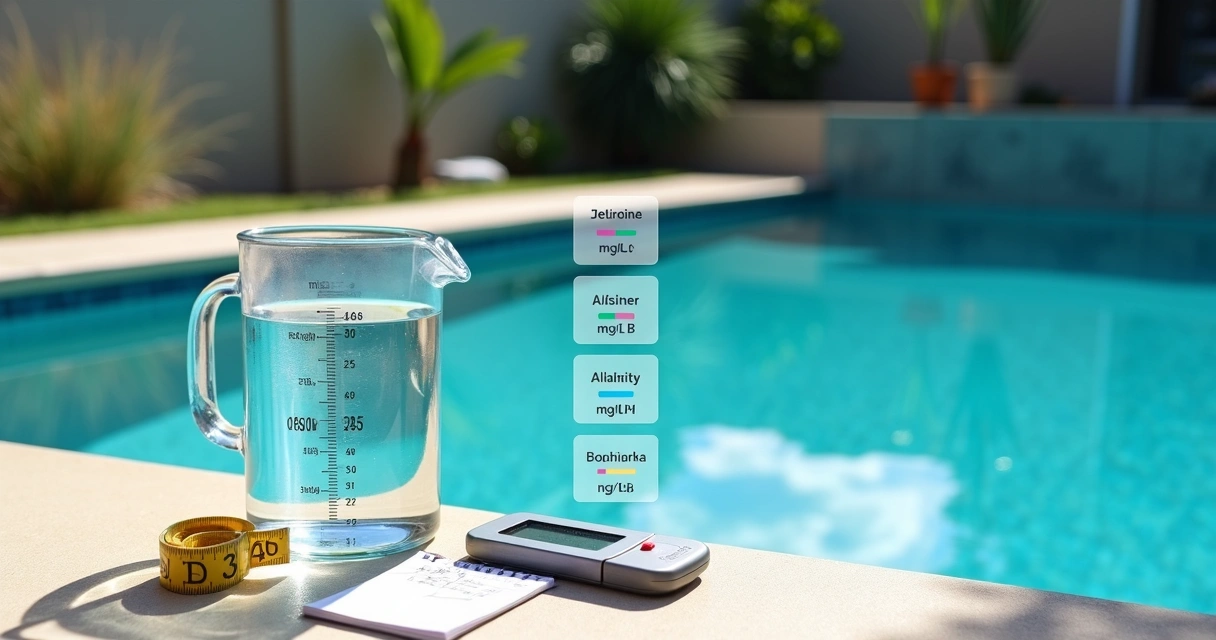
To calculate your pool’s volume in litres:
- Measure the length, width, and average depth of your pool in metres.
- Multiply these three numbers together to get the cubic metres.
- Multiply the result by 1,000 to convert to litres.
So, a pool that’s 8m x 4m x 1.5m would be:8 x 4 x 1.5 = 48 cubic metres. 48 x 1,000 = 48,000 litres.
If your pool has an irregular shape, it helps to break it into smaller simple shapes (like rectangles or circles), measure each, and add them together. This one step transforms how you dose chemicals using any pool chemical calculator metric-style tool.
How to dose key chemicals with metric accuracy
Once I understood my pool’s volume in litres, the next step was tackling the four main chemical groups. I’ve learned that every pool is different—your surface, sanitiser, location, and even shade affect requirements. But metric formulas provide a clear, easy path for accurate, safe water care.
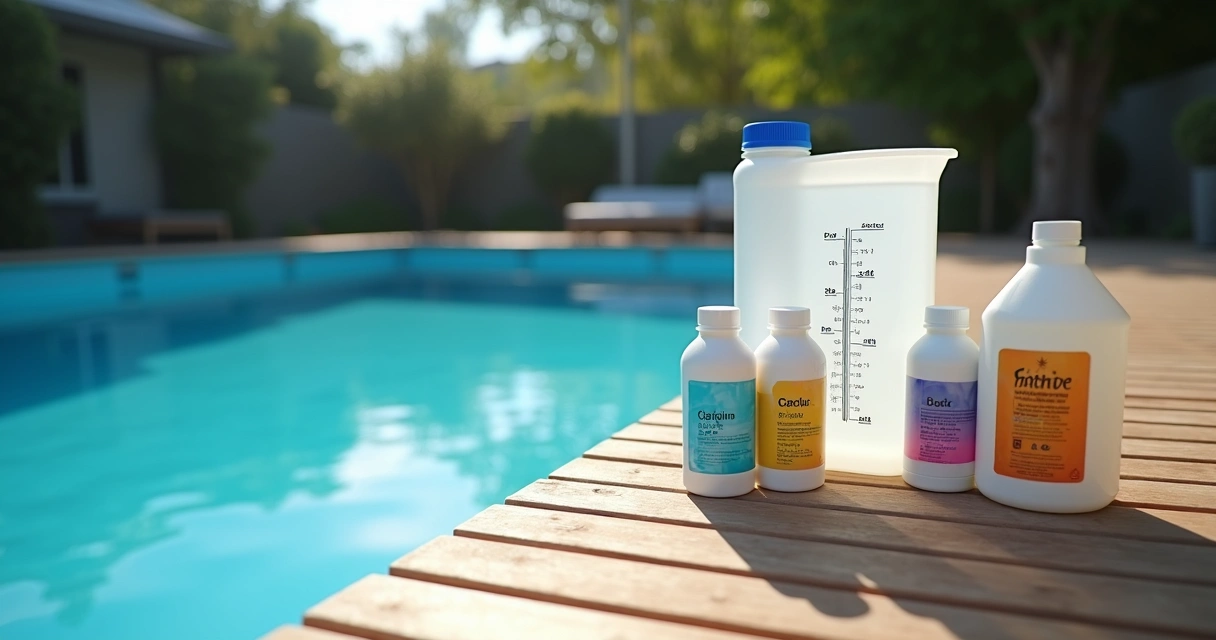
Chlorine dosing in litres
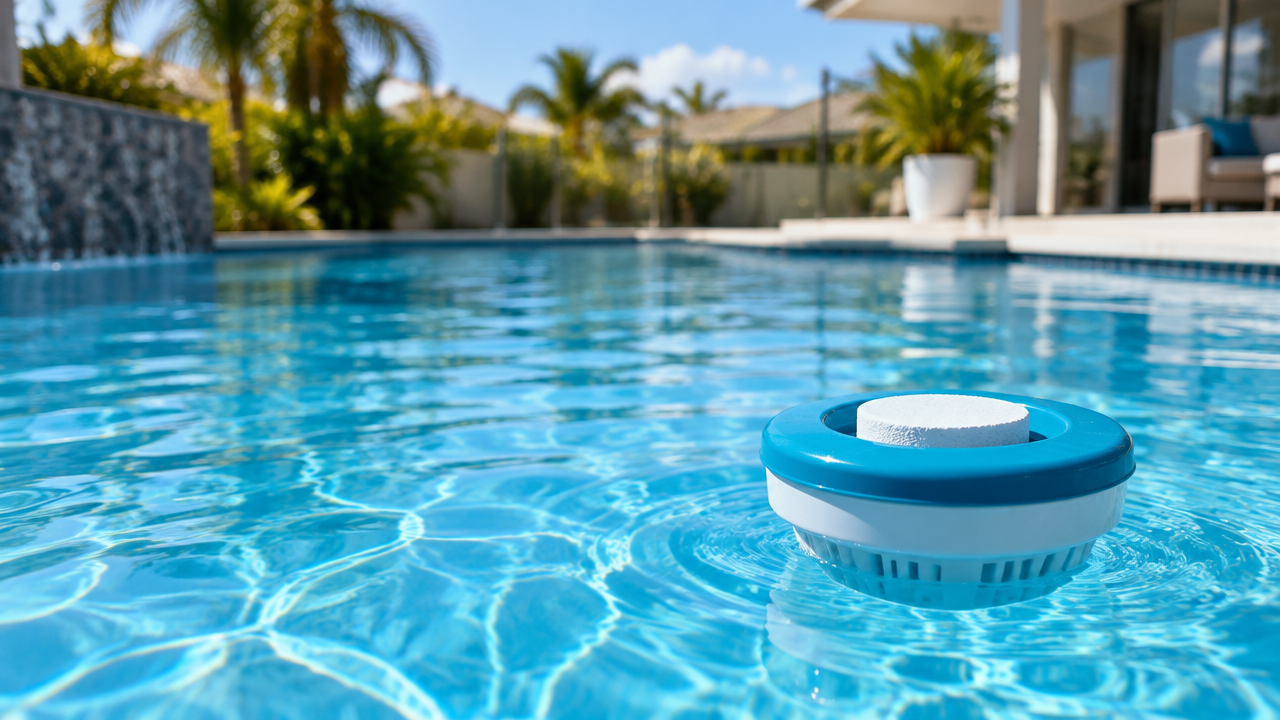
Pool chemical instructions often say, “Add X grams per 10,000L for a Y ppm increase.” For example, suppose you need to raise your free chlorine by 2ppm in a 50,000L pool. If your liquid chlorine is 12.5% and the label says "80mL per 10,000L raises free chlorine by 1ppm", you’d need:
- 80mL x 2 (for 2ppm) = 160mL per 10,000L
- 50,000L/10,000L = 5
- So: 160mL x 5 = 800mL to raise the whole pool by 2ppm
Consistency is key. As I once missed this step and under-chlorinated—resulting in a stubborn algae bloom. For target levels, I check the guidance at the Shire of Tammin, which outlines 1-2.5ppm as ideal, depending on stabiliser and pH.
PH and acid dosing, step by step
If your pH is too high, you may need to add hydrochloric acid. Most pool acids have a table like “Add 200mL per 10,000L to reduce pH by 0.2 units.” For a 40,000L pool needing a 0.4 pH drop:
- 200mL x 2 (for 0.4 units) = 400mL per 10,000L
- 40,000L/10,000L = 4
- 400mL x 4 = 1,600mL, or 1.6L
It’s straightforward—but precision keeps the swings minimal and water comfortable for eyes and skin, a point often highlighted in public health advice.
Total alkalinity and calcium hardness—grounding for your water
Alkalinity helps buffer pH while calcium keeps your pool’s surfaces protected. All measurements stay in grams or kilograms per 10,000 litres.
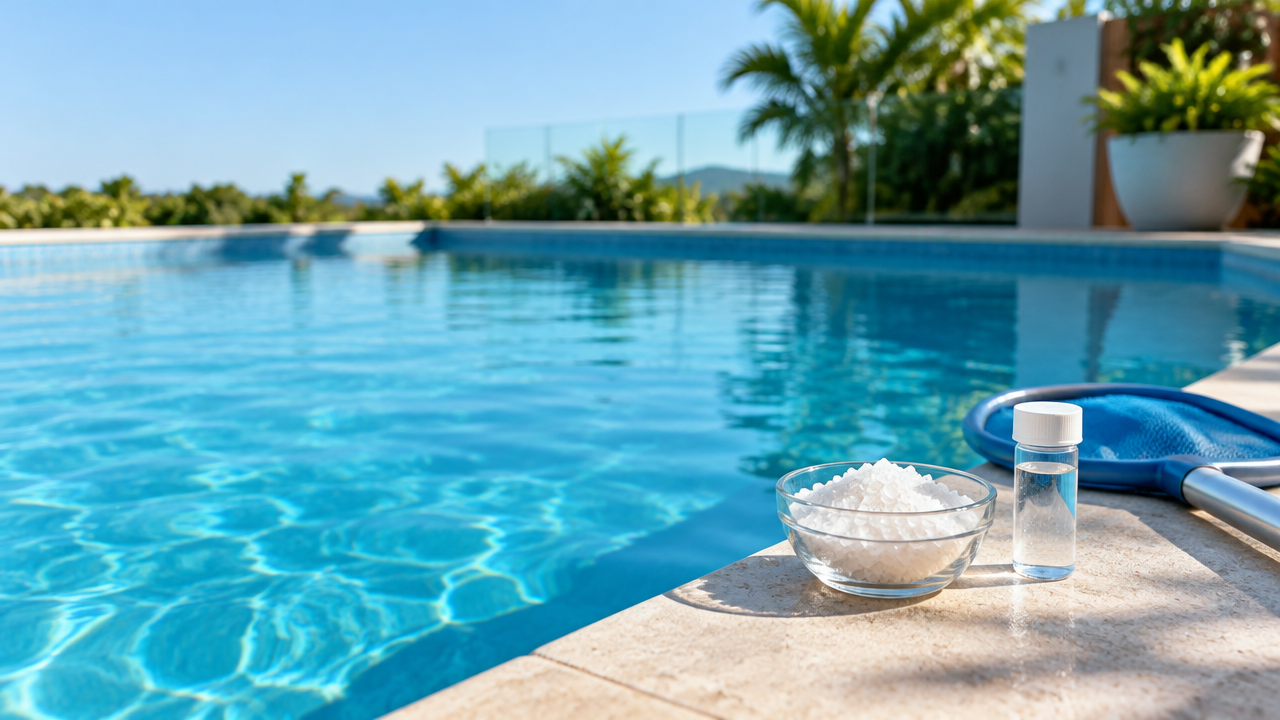
- Sodium bicarbonate (buffer) is often dosed at 180g per 10,000L to raise alkalinity by 10ppm. For a 30,000L pool needing a 20ppm boost: 180g x 2 (20ppm) x 3 (30,000L/10kL) = 1,080g or 1.08kg.
- Calcium chloride is typical for calcium hardness, with labels such as “110g per 10,000L raises 10ppm.” The maths matches the above approach, multiplied by your litres.
Why I recommend water testing and ongoing care
I make it a weekly habit to test my water, with more frequent checks during storms or heat waves—strong evidence from Queensland Health supports this. Using a metric pool calculator (or the AI tools built into MyPoolMate), I quickly input test results, get tailored dosing, and avoid generic "one-size-fits-all" guidance.
Regular testing and chemical balancing help keep pool water soft, clear, and safe, and also prevent build-up of chloramines, which can cause discomfort and irritation according to NSW Health.
The value of digital tools and AI
I discovered that digital chemical calculators and apps make metric dosing faster, less stressful, and more tailored to my pool’s needs. MyPoolMate doesn’t just store details about the pool—it learns and adapts, saving each test, tracking the weather, and sending me reminders for what’s needed, nothing extra.
Its AI takes the guesswork away, offers season-based presets, and lets me invite my pool technician for help without worrying about permissions or errors. This smart approach not only saves chemicals, but also lengthens the pool’s life and cuts down maintenance headaches. Want to see how root-cause advice can clear up confusion? Read about the case for using only what your pool needs.
Routine and seasonal care with metric dosing
A solid weekly and monthly schedule keeps my pool in top shape. I find breaking down tasks helps, like testing chlorine and pH after heavy rain or heat, and checking alkalinity and calcium every few weeks. Summer demands a bit more vigilance, while winter lets me dial back—advice that lines up with MyPoolMate’s seasonal presets and the discussions on target ranges year-round.
When an issue does crop up—like high salt or an out-of-range test result—I can pull up step-by-step guides for salt adjustments. Each one references metric quantities, making corrections exact and consistent.
Final thoughts: Smarter pool dosing for confident care
It’s clear to me now that using a metric-based pool chemical calculator helps avoid mistakes, keep costs down, and promote pool safety and clarity. I rely on MyPoolMate’s AI for insights and easy, accurate chemical additions—including features for water testing and photo tracking I never knew I needed. For Australians—like myself—who want less guessing and more swimming, this approach just makes sense.
I encourage you to experience personalized, root-cause pool care that saves time and chemicals. Discover how MyPoolMate can simplify routine and recovery with tailored dosing, digital records, and smart reminders—all in one intuitive web app.
Frequently asked questions
What is a pool chemical calculator metric?
A pool chemical calculator metric is a digital or manual tool that helps users work out the precise amount of pool chemicals required, using metric measurements like litres, grams, and kilograms. These calculators take into account your pool’s size and test results, making it easier to achieve a safe and comfortable swimming environment.
How do I use a pool chemical calculator?
To use a metric chemical calculator, first determine your pool’s volume in litres. Enter the current test results and your target values for chlorine, pH, alkalinity, or calcium hardness. The calculator then tells you exactly how much product to add, measured in metric units based on your specific pool details.
Why use metric measurements for pool chemicals?
Metric measurements align with Australian product labels and simplify calculations. As pool chemicals sold here are listed in grams, kilograms, or millilitres, working in metric removes conversion errors and ensures dosing is directly applicable to the labels you see every day.
Which chemicals can I calculate with this tool?
You can calculate the required additions for chlorine (liquid or granular), hydrochloric acid for pH, sodium bicarbonate for alkalinity, and calcium chloride for calcium hardness. Many calculators also allow dosing for salt, cyanuric acid, and phosphate removers, all with metric amounts.
Are metric pool calculators more accurate?
Yes—calculators using metric units are generally more precise because they match the standard measurements on Australian pool products. This reduces the risk of confusion or dosing errors, supporting better water quality and safety.