
I have seen the same pattern for years. A pool owner walks into a shop with a water sample, leaves with a bag full of products, follows the instructions, and still ends up with cloudy water, scale, stains, or algae a week later. It is frustrating. It is expensive. And it often starts with one simple problem: the advice is too generic.
When pool shop advice goes wrong, it is usually because the treatment is based on a snapshot, not the full story of the pool.
This is why so many people feel that pool shop recommendations are wrong, or at least not quite right for their pool. In my experience, the issue is rarely one bad test alone. It is the chain of assumptions that follows. The recommendation may ignore pool volume, surface type, chlorinator setup, recent weather, bather load, stabiliser level, or what chemicals were added two days earlier.
Why generic advice leads to excess chemicals
A pool is not just a bucket of water. It is a system. Fibreglass, concrete, and vinyl pools do not react the same way. Salt pools behave differently from manually dosed chlorine pools. A shaded pool and a full-sun pool can have very different chlorine needs.
Yet I often see advice built around broad rules such as:
Add shock after every test with low chlorine.
Add algaecide if the water looks dull.
Add clarifier if the water is cloudy.
Add buffer if pH moves out of range.
Those steps sound tidy, but they can miss the root cause. Cloudy water may come from poor filtration, dead algae, high calcium, or overloaded stabiliser. Low chlorine may be caused by a chlorinator fault, heavy sun, organics, or bad testing timing. If I treat every symptom with a new bottle, I am not fixing much.
More chemicals do not always mean better water.
This is one reason I like the approach behind MyPoolMate. It focuses on the pool profile first, then the test result, then the likely cause. That order matters.
What gets missed in the shop process
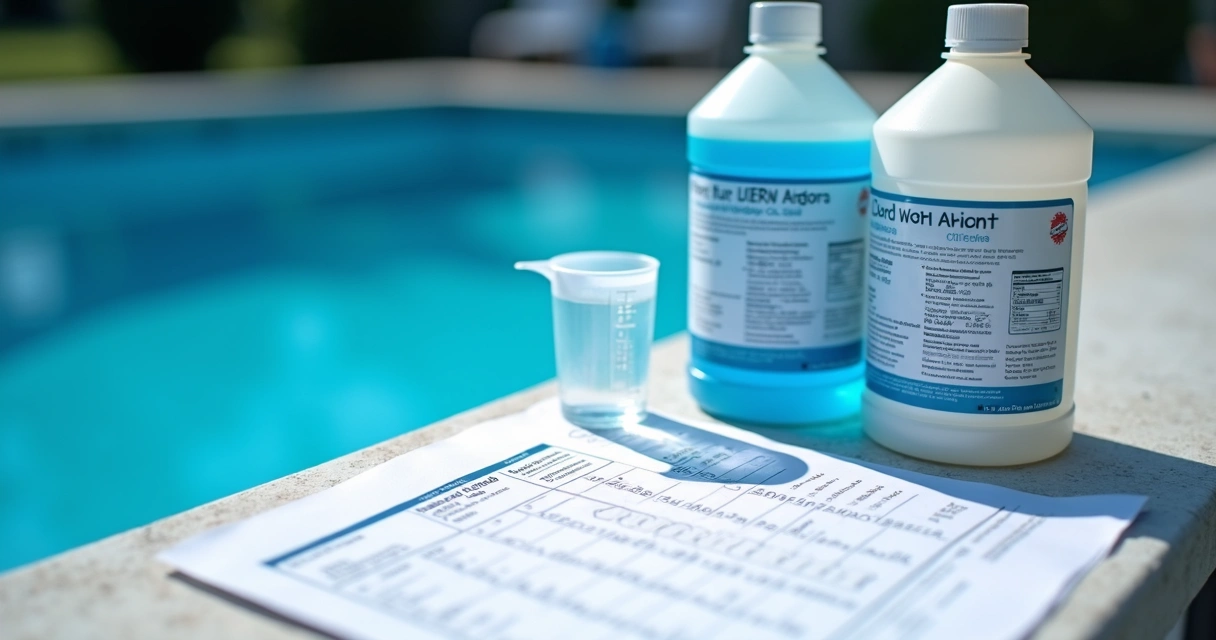
Most shop-based advice depends on speed. A sample is tested, a printout appears, and the treatment list follows. The weak point is not always the machine. It is the lack of context around the result.
A water test without pool history can lead to a treatment plan that solves the wrong problem.
In my research, these details are often overlooked:
The true pool volume, which is often guessed and not measured well.
The sanitisation method, such as salt chlorination, mineral systems, or liquid chlorine dosing.
The pool surface, which affects stain risk and calcium balance.
Recent chemical additions that can distort the current reading.
Seasonal changes, especially in Australian summer heat.
Ongoing trends, such as rising stabiliser or falling alkalinity over months.
I think this is why some people keep buying treatments for the same issue. The advice may sound precise, but it is often detached from what the pool has been doing over time.
If you want a deeper look at overprescribed treatments, I suggest reading this breakdown of whether you really need every chemical a pool shop suggests. It explains the pattern very clearly.
How overselling creates new problems
Excess treatment does not just waste money. It can create fresh trouble. I have seen pools pushed from one imbalance into another because each product was added to correct the side effects of the previous one.
Some common risks include:
High calcium hardness leading to scale on tiles, salt cells, and surfaces.
Too much stabiliser reducing chlorine activity and allowing algae to return.
Repeated shocking that fades liners or stresses pool finishes.
Extra copper-based products that raise stain risk.
Stacking clarifiers and specialty products that gum up filtration.
Overdosing often treats symptoms fast, but it can make the pool harder to balance later.
I once helped review a case where the owner kept fighting algae with more and more products. The real issue was weak chlorine output from the chlorinator and a stabiliser level that had crept too high over time. Until those two points were identified, the pool stayed in a loop.
That is also why understanding sanitation equipment matters. This guide on how pool chlorinators work helps show why chemical advice can fail when equipment performance is ignored.
Why data-driven advice works better
I prefer a method that looks at the whole pool, not just one sample. A better recommendation asks:
What kind of pool is this?
How much water is actually in it?
What sanitiser is being used?
What were the last few test results?
Has the weather, usage, or equipment changed?
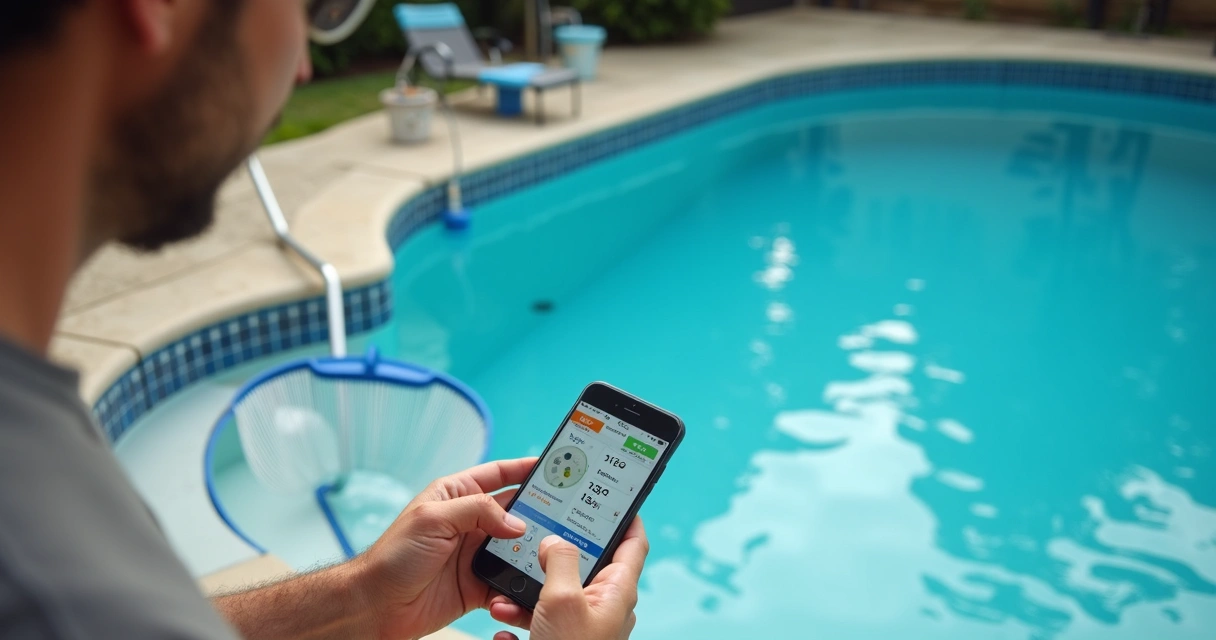
That is where AI-backed tools can be more useful than a quick retail script. MyPoolMate, for example, can store pool specs, test history, seasonal settings, and recent results in one place. That means the recommendation can be based on patterns, not guesses.
Personalised treatment works best when it matches pool type, volume, sanitisation, and recent test history together.
If you want broader reading on this topic, the articles in the pool chemistry section are a good place to build that background.
Common mistakes pool owners should watch for
I do not think every bad outcome starts in a shop. Sometimes owners, often in a rush, make the problem worse after they get home. I have done similar things myself when trying to fix water too quickly.
These are the mistakes I see most often:
Testing water at the wrong time, such as right after adding chemicals.
Using old reagent kits or strips stored in heat.
Adding several products at once, making cause and effect hard to track.
Ignoring filtration and circulation when chasing clear water.
Treating low chlorine without checking stabiliser and pH first.
Assuming algae is always a chemical issue when brushing and cleaning are also part of the fix.
In my view, one of the smartest prevention steps is to slow down. Do not respond to every odd reading with three new products. First ask what changed.
How I verify advice before adding anything
When I review a recommendation, I like to run through a short checklist first. It helps me avoid expensive mistakes.
Check whether the pool volume used in the dose is accurate.
Look at the last few test results, not just today’s reading.
Confirm the advice matches the sanitiser and equipment setup.
Ask whether the issue could be filtration, debris, or circulation.
Question any plan that stacks multiple specialty chemicals at once.
This is one reason I find tools that do not profit from selling more chemicals easier to trust. This article about a pool care app that does not sell chemicals explains that idea well. I also think readers dealing with cloudy water from organics will find this piece on enzyme pool care and organic debris useful when the problem is not as simple as a chlorine shortage.
Conclusion
I believe the reason people feel pool shop recommendations are wrong is not because every test is bad, but because too much advice is built on limited information and a fast sale process. Generic treatment plans can lead to extra spending, surface damage, unstable water, and repeat algae problems when the real cause is missed.
Better pool care starts with proper diagnosis, accurate testing, pool-specific data, and a clear view of recent history. That is the thinking behind MyPoolMate. If you want advice shaped around your actual pool instead of a generic printout, get to know MyPoolMate and see how a more personal approach can help you treat only what your pool truly needs.
Frequently asked questions
Why are pool shop recommendations often wrong?
I find they are often off target because they rely on a single test result and limited pool context. The advice may not account for pool volume, surface, sanitiser type, weather, or test history. That can lead to treatment for symptoms instead of the real cause.
How to spot bad pool chemical advice?
I look for plans that recommend many products at once, especially without asking about the pool setup or recent changes. If the advice ignores filtration, circulation, or equipment condition, I treat it with caution. Vague dosing based on guessed pool size is another warning sign.
What is the best way to test pool water?
In my experience, the best method combines accurate sampling, fresh testing materials, and regular tracking over time. A good result is more useful when it is tied to pool details and previous readings. One isolated test is less helpful than a pattern.
Are DIY pool tests more reliable?
They can be reliable if the kit is good, the reagents are fresh, and the user follows the steps carefully. I would not say DIY is always better, but it often gives better control because you know when the sample was taken and what was added before the test.
How can I avoid common pool chemical mistakes?
I avoid rushing. I test at the right time, confirm pool volume, add one treatment at a time, and check whether the issue could be linked to equipment or filtration. Using a pool-aware system such as MyPoolMate can also help keep records clear and recommendations more specific.