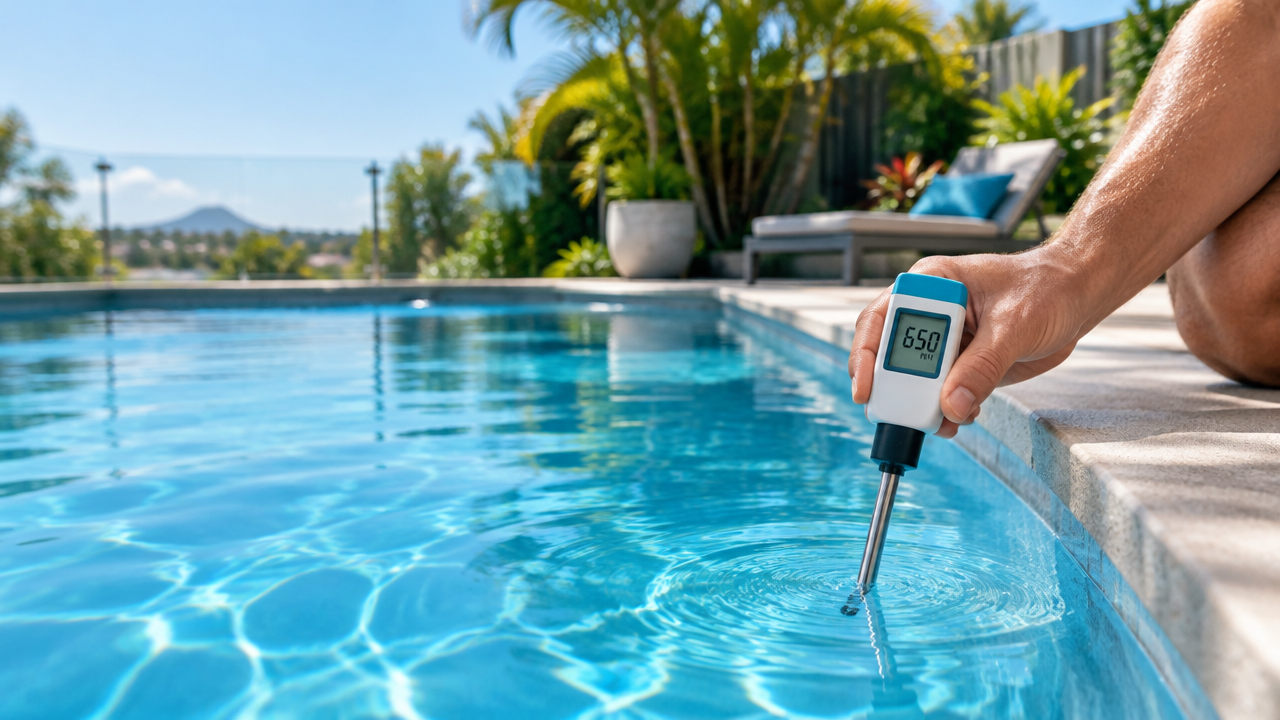
Pool minerals are dissolved salts, often magnesium or potassium chloride blends, added to change the water’s characteristics and, in some systems, supply chloride for a compatible chlorinator. They are not a stand-alone disinfectant, so most mineral pools still need an effective sanitiser and regular testing. Here’s what these blends can realistically do, what they cannot do, and how to manage the water without guesswork.
Key points for pool owners
- Mineral blends vary, so check the ingredients and your equipment requirements before adding them.
- Minerals do not automatically replace chlorine or reduce the amount your pool needs.
- A softer-feeling swim is possible, but skin and eye comfort is not guaranteed.
- Test and balance the water based on your pool, not just the product label’s general claims.
What are pool minerals made of?
Most mineral pool products are blends of dissolved salts, commonly magnesium chloride, potassium chloride, or both. Some blends also include sodium chloride or other salts. The ingredients and proportions differ between products, so “mineral pool” does not describe one standard water recipe.
When the salts dissolve, they separate into charged particles called ions. These add minerals to the water, but the exact blend matters: a product intended for one chlorinator or mineral system may not be suitable for another. Read the product directions and equipment manual before topping up or switching systems.
Magnesium-rich minerals are often marketed for a softer feel. That is a subjective experience, not proof that a blend will treat skin conditions, relax muscles, or make a pool suitable for every swimmer. For a closer look at system differences, read this magnesium pool comparison.
How do mineral pools work with chlorine?
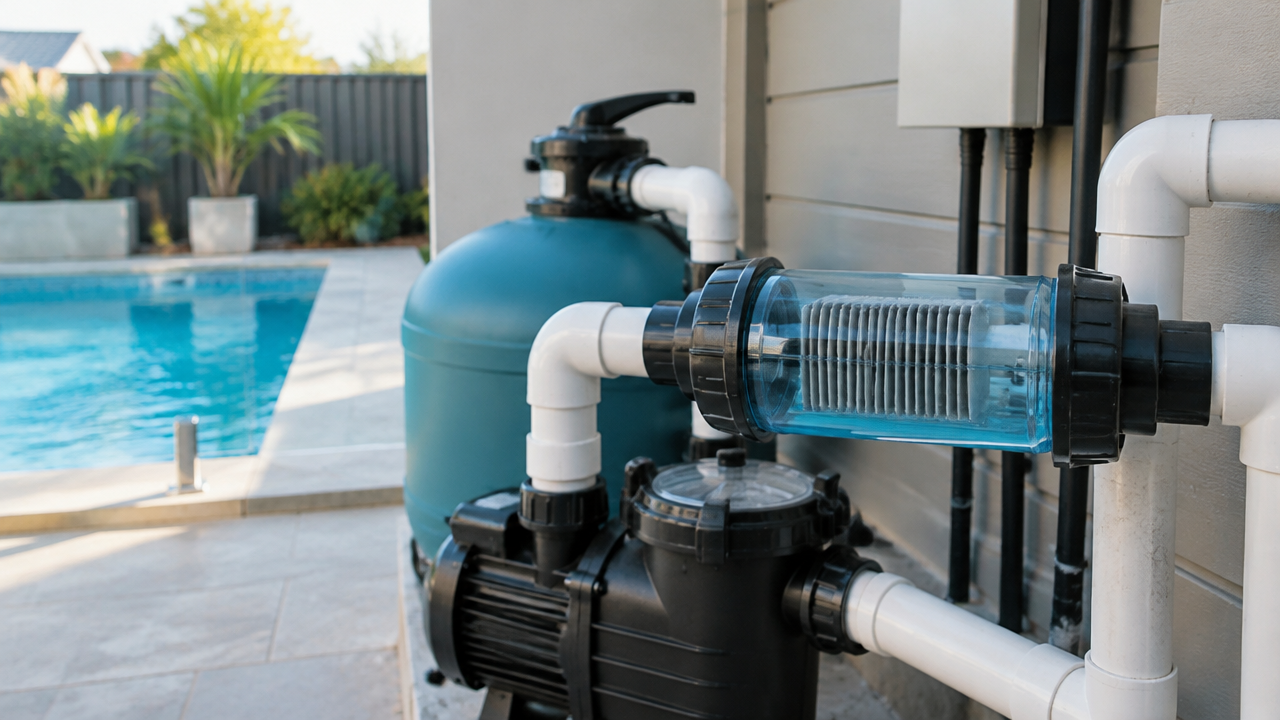
In many mineral pools, the minerals are part of the water treatment setup, but a sanitiser still does the essential work of controlling germs and organic contaminants. A compatible salt or mineral chlorinator uses electrolysis to produce chlorine from chloride in the water. Other setups may use a different sanitising method, so check your system’s instructions.
That means adding minerals alone does not make pool water safe to swim in. Keep the sanitiser within the range specified for your pool and equipment, and continue testing. A chlorinator’s output, sunlight, warm weather, bather load and water condition can all affect how much chlorine the pool uses.
Before changing blends, confirm that your chlorinator can operate with the proposed product and water composition. This guide to how pool chlorinators work explains why compatibility and correct operation matter.
What can minerals change, and what should you not expect?
Some swimmers prefer the feel of water in a mineral system. The experience depends on the blend, water balance and individual preference, so it is best treated as a comfort choice rather than a guaranteed health benefit.
Minerals do not remove the need to maintain water balance, clean the pool or monitor sanitiser. Nor does a mineral label promise that you will use less chlorine. If your pool has irritating water or persistent odour, check the test results and overall treatment routine rather than assuming the mineral level is the cause.
Mineral systems can also involve product and equipment requirements that differ from a standard salt setup. When considering a change, compare the full process with a salt-to-magnesium conversion guide, then confirm details with the equipment manufacturer.
How should you test and maintain a mineral pool?
Keep testing the same core water parameters you monitor in any pool, including sanitiser and the balance measures specified for your surface and equipment. Use results to decide what needs attention. Don’t add extra minerals, chlorine or balancing chemicals just because a general recommendation says so.
- Identify the exact mineral product and sanitising system fitted to the pool.
- Check the product label and equipment manual for compatible mineral levels and operating requirements.
- Test the water before adding treatment, then follow the product’s dosing and circulation directions.
- Retest as directed and keep a record so you can see how the water responds over time.
Australian conditions can change pool demand quickly. In a hot Queensland summer, strong sun, warm water and frequent swimming can affect sanitiser demand, so a mineral system still needs regular attention. If alkalinity is part of the problem, use a measured approach to control pool alkalinity rather than making several corrections at once.
Use your pool’s results to guide treatment
The useful question is not whether minerals are universally better, but whether a particular blend suits your pool, equipment and priorities. Record what you add and compare it with later test results. That makes it easier to spot a real improvement or catch a balance issue before making another change.
MyPoolMate helps Australian pool owners keep pool details and water-test history together, then review personalised, pool-aware guidance instead of relying on generic dosing advice. You can log results manually or use its AI scanner to read printed pool-shop test results. Splash, the in-app AI assistant, can use your pool’s recorded details and latest data to help make the next step clearer.
Frequently asked questions
What minerals are added to a mineral pool?
Most mineral pool blends contain magnesium chloride, potassium chloride, or both. Some products also contain sodium chloride or other salts, and proportions vary by brand and system. Check the product label and chlorinator manual before adding anything, because a blend designed for one setup may not suit another.
Do mineral pools still need chlorine?
Yes. Most mineral pools still rely on chlorine for sanitising, whether it is produced by a compatible chlorinator or added separately. Minerals do not automatically replace that job. Follow your system’s instructions and maintain the sanitiser level recommended for your pool and equipment.
Can you put too much magnesium in a pool?
Yes. Too much magnesium can push the water outside the range recommended for your product or equipment and may contribute to water-balance or operating problems. Don’t add extra minerals to chase a softer feel. Test first, check the product directions, and get advice based on your pool’s actual readings.
What are the downsides of a mineral pool?
Common downsides include higher upfront conversion costs, the need for a compatible chlorinator, and ongoing testing just like any other pool. Mineral blends also vary, so choosing the wrong product can complicate water balance. A mineral system does not guarantee lower chlorine needs or prevent every skin or eye irritation.
Do mineral pools use less chlorine?
No, not automatically. Chlorine demand depends on factors such as sunlight, water temperature, swimmer load, sanitation equipment and water condition. A mineral blend may change the water experience, but it does not ensure lower chlorine use. Keep testing and adjust treatment according to your pool’s readings and equipment instructions.