
I have owned and managed several backyard pools over the years. I’ve made mistakes, learned lessons, and found solutions—so today, I want to share what I know about a topic that often confuses pool owners: controlling total alkalinity so your pool water stays safe, comfortable, and stable all season.
Most new pool owners don’t think much about the invisible minerals in their water, but total alkalinity is one of the factors that can quietly make or break the whole pool experience. If you want to avoid endless pH swings, burning eyes, corrosion, cloudy water, or stubborn algae, understanding alkalinity is not just helpful—it’s necessary.
What total alkalinity is and why pool owners should care
Let me start with the most basic: What is total alkalinity, and why does it matter so much for pool water balance?
Total alkalinity is a measure of the water’s ability to resist pH changes. In practice, it’s the concentration of dissolved substances—mostly bicarbonates, but also carbonates and hydroxides. These compounds “soak up” acids or bases so pH won’t change wildly when chemicals, rain, bather waste, or fertiliser make their way into your pool.
I think of total alkalinity as the steadying force in the chemistry of pool water. When the level is right, your pH won’t bounce up and down with every tiny input.
Here’s why this matters:
Stable alkalinity prevents pH from dropping or spiking unexpectedly.
Proper alkalinity keeps your chlorine effective, so bacteria and algae stay under control.
Balanced water feels better to swim in—no stinging eyes, itchy skin, or faded swimsuits.
Your pool shell, plumbing, and heater will last longer if alkalinity prevents corrosion or scaling.
I’ve seen what happens when pool owners ignore this part of their water testing routine. Fluctuating alkalinity causes ripple effects across water quality, maintenance costs, and even enjoyment of the pool itself. If you only test one thing regularly, make it this.
How is alkalinity different from pH?
This is one of those questions every pool owner has sooner or later: How is total alkalinity different from pH? Aren’t they basically the same thing?
They’re linked, but not identical. Here’s how I explain it to friends:
pH is the actual measure of how acidic or basic your pool water is, on a scale from 0 (very acidic) to 14 (very basic/alkaline). Most pools should sit at 7.2 to 7.8.
Total alkalinity is a buffer. It’s the amount of dissolved substances that “hold” the pH steady. With too little alkalinity, pH will swing like a pendulum—one rainstorm or chemical dose can cause a big drop or spike. With too much, pH can inch up and become tough to adjust.
When I first started pool maintenance, I kept chasing my pH with acid or soda ash—until I realised the real solution was getting my alkalinity in line.
Both are important, but think of total alkalinity as the foundation—or shock absorbers—for your pool’s pH. They work together, and an imbalance in one usually throws off the other.
What is the best total alkalinity range for an Australian pool?
Through both experience and research, I’ve learned the ideal total alkalinity for most residential pools is between 80 and 120 ppm (parts per million). This is true for most sanitising systems, surfaces, and climates in Australia, though spas and certain specialty pools may need different targets.
Why this range? Here’s what happens when you go outside it:
If you let total alkalinity dip below 80 ppm, your pH will “crash” more easily, making water turn acidic. This can cause etching of plaster, corrosion of metal fixtures, stained surfaces, and eye or skin irritation.
If alkalinity rises above 120–140 ppm, you usually get stubbornly high pH, scaling (chalky build-up on tiles and heaters), and cloudy water. Chlorine works less efficiently, and the water can even take on a “slippery” or uncomfortable feel.
Most Australian pools are happiest right in the 80 to 120 ppm range for total alkalinity.
Some saltwater pools do well toward the higher end, around 100–120 ppm, while others are less sensitive. Always consider your pool's surface type and local water supply—fibreglass, vinyl, and concrete pools interact differently with water chemistry. For a more in-depth discussion on chemical ranges, refer to the guides at pool chemistry tips and articles.
How to test pool alkalinity accurately
I always tell pool owners: test your water at least once a week in summer, and every two weeks in winter or when you notice issues. This is especially true if you’re using a lot of chemicals, topping up with new water, or getting frequent rain.
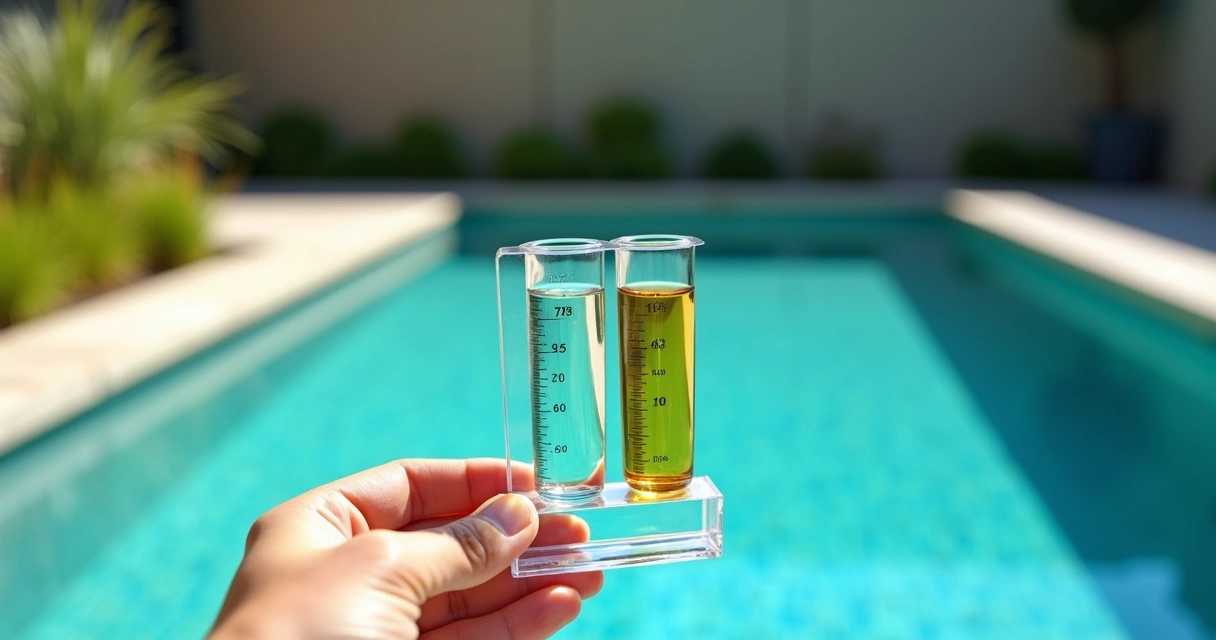
Testing for alkalinity is quick—less than 10 minutes once you have the right tools. Here’s how I do it:
Use a clean plastic container to collect pool water. Hold it elbow-deep (about 30cm below the surface) and away from return jets or skimmers.
Follow the instructions for your chosen test method:
- Liquid test kits (drop count titration)
- Test strips (quick but a bit less precise)
- Digital testers, which cost more but offer clearer readings
For many, liquid test kits offer the best balance of accuracy and cost.
Record your result in ppm. I recommend writing down each week’s result so you can spot trends.
Some of the smarter web apps, like MyPoolMate, let you snap a photo of your test results or log your numbers, so you can view historical charts and spot long-term changes. These tools also tell you what adjustments are needed, not just show the result. Personally, I like seeing how my pool’s numbers shift with the seasons or big rain events—it helps me get ahead of problems before they grow.
What causes total alkalinity to drop or rise?
There are a few main reasons your pool’s alkalinity can swing out of range, and the causes often tie back to climate, usage, or maintenance habits.
Heavy rain or topping up with “soft” water (low mineral content) will dilute your pool and drop total alkalinity. Sydney and much of coastal Queensland have soft rainwater that pulls readings down even with one big storm.
Adding acid to correct high pH (hydrochloric or dry acid) also removes alkalinity—not just pH. Too many corrections at once can “crash” the level.
Heavy use, lots of kids, or a party can drive alkalinity down due to splash-out and sweat brought in.
Over time, high-alkalinity tap water or using sodium bicarbonate too often may push levels up gradually, especially in dryer states.
Alkalinity moves up or down gradually most of the time. Sudden swings warn me to check for leaks, rainwater, or mistakes with chemicals.
How to raise or lower total alkalinity in your pool
If your test result shows that pool alkalinity is too high or too low, you want to correct it calmly—large, hurried changes can overcorrect and throw your pH into chaos. Here is my go-to approach for adjustments:
To raise total alkalinity
Use sodium bicarbonate (baking soda). It’s safe and predictable. Pool-specific “alkalinity up” products use this same ingredient.
For every 10,000 litres of water, about 180 grams (half a cup) of baking soda will increase alkalinity by 10 ppm.
Spread it evenly over the surface—do not dump in one spot. Run your pump for at least six hours afterwards to help it dissolve and circulate.
Retest after 24 hours to see if more is needed.
Raising alkalinity has only a small upward effect on pH, usually 0.1 to 0.3 units per dose. The boost is gentle, but do not overshoot by adding too much at once.
To lower total alkalinity
Use hydrochloric (muriatic) acid or dry acid (sodium bisulfate). These lower both alkalinity and pH together.
For every 10,000 litres, about 200mL of hydrochloric acid (standard 32% strength) will decrease alkalinity by 10 ppm—but will also drop pH, so you must add acid slowly and carefully.
Turn off return jets, pour acid slowly into the deep end, and then set the pump to gently circulate. Do not broadcast acid across the entire pool or pour near anything metal.
Wait 12–24 hours. Then retest both alkalinity and pH, and only add more acid if still needed.
Sometimes lowering alkalinity takes more than one round. After each dose, you may need to boost pH with soda ash (sodium carbonate), then repeat this process as needed until you’re back in the sweet spot. More tips on chemical additions and quick fixes are available for anyone who’s had trouble with test results.
What issues do high or low alkalinity cause?
After owning multiple pools, I can promise: total alkalinity throws off something else when it’s far from the target range. Here’s what I’ve seen firsthand:
Low alkalinity (below 80 ppm) brings rapid pH drops, etching or staining of surfaces, metal corrosion (especially on ladders and equipment), and harsh water that stings swimmers’ eyes. You’ll see faded pool toys or scale-free metal that quickly rusts.
High alkalinity (over 120–140 ppm) usually causes milky or cloudy water, pH that creeps up and resists correction, and chalky calcium deposits on tiles and heaters. Sometimes sanitiser just doesn’t seem to work well, no matter how much you add.
Both issues can sap the strength of your chlorine or salt cell, using up budget and patience as you chase down problems.
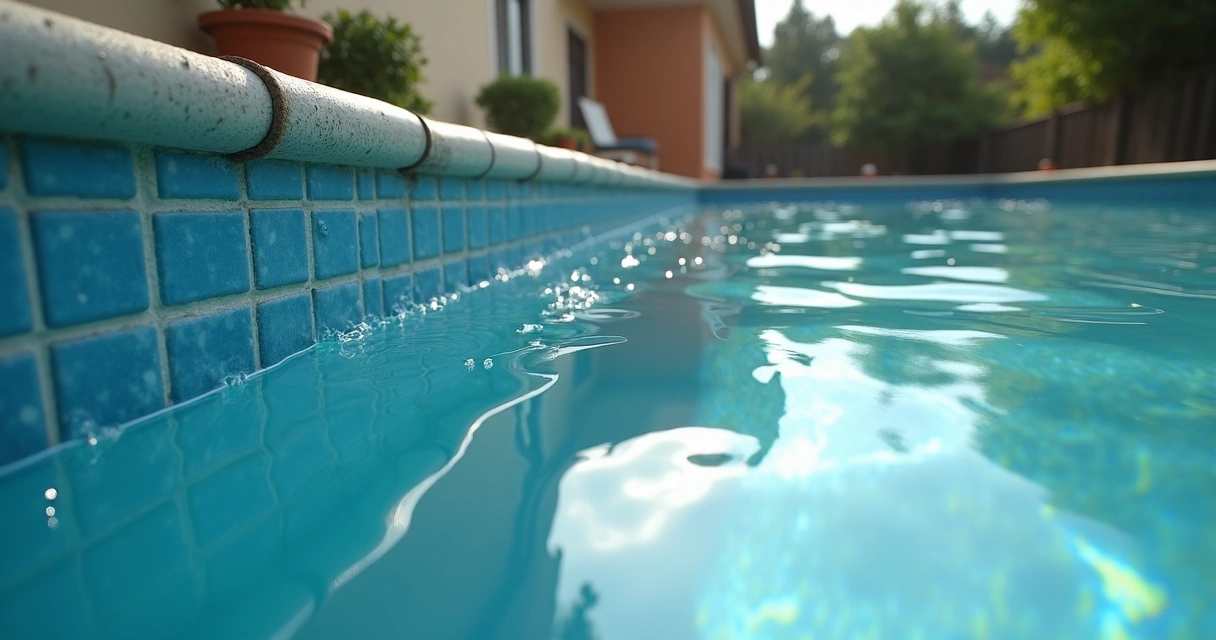
When you ignore alkalinity, everything else in the pool gets harder to manage.
If you’re dealing with cloudy water or stubborn pH that won’t settle, check your alkalinity before anything else.
How alkalinity affects chlorine and sanitation
I often get questions about why pool chlorine isn’t “lasting” or working as expected. The answer is frequently lurking in your alkalinity reading. Here’s what I’ve learned:
Low alkalinity allows pH to fall too fast, which makes chlorine harsh but less effective at killing germs. It’s all “burn” and not much actual sanitising.
High alkalinity tends to push pH higher, so chlorine (especially unstabilised types) turns into an inactive form that doesn’t kill as well. This leads to algae, cloudy water, and wasted money as people keep adding more and more sanitiser.
If you want to get the most out of every chlorine or salt cell dollar, stabilise your total alkalinity and keep pH steady.
It’s not just about safety either. Balanced water is more comfortable, gentle on skin and eyes, and slow to degrade heaters or pool finishes. I’ve found that getting alkalinity right means fewer surprises over time.
Routine maintenance and tools for tracking alkalinity
Staying on top of pool maintenance matters just as much as doing any one-off fix.
Here are the routines and tools I find helpful, and that I often recommend when friends or customers want their pool to run itself:
Test water weekly, especially during active use, rain, or hot weather. Log your results, either in a notebook or a digital platform like MyPoolMate.
Adjust chemicals in small, careful steps. Don’t rush doses or “guestimate” with pool powder—always measure and recalculate if you’re unsure.
Keep notes of how your water responds; if you live in Queensland or change a component like a heater, you may want to reference detailed guides like pool maintenance for Queensland pools.
Set up calendar reminders for monthly deep cleans, filter backwashing, and specialty checks, especially as weather changes.
Take baseline readings in early spring and as seasons shift. Autumn rain or top-ups can reset your chemistry overnight.
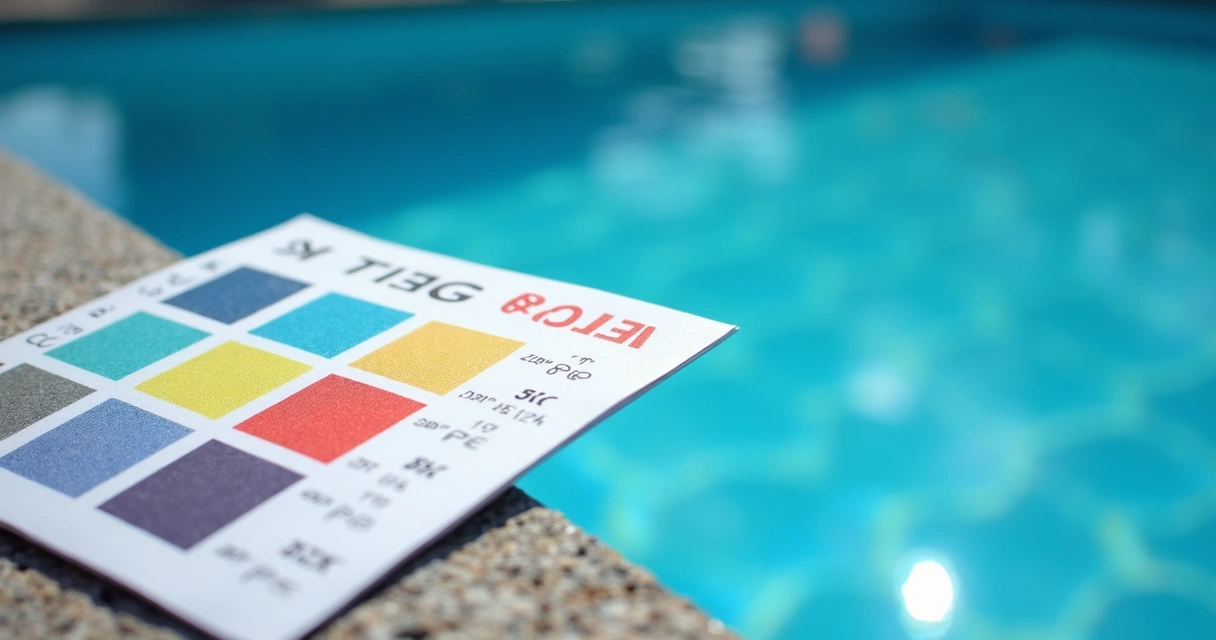
I also like to use modern tools when possible. Apps and smart monitors that store history, recommend ideal ranges, and factor in unique pool features make everything simpler—no more guesswork, no forgotten readings, easier reporting if you need help from a technician. At MyPoolMate, for instance, you can get personalised ranges, automatic charting, and reminders tailored to your pool’s surface and sanitiser.
What to do about sudden swings or urgent issues
Even with the best monitoring habits, sometimes your pool will throw you a curveball: big rainstorm, sudden green water, or a broken chlorinator. Here’s how I plan for rapid recovery:
Test your water right after the event. Record both pH and alkalinity before adding anything else.
For rapid changes (like after a storm or massive top-up), expect both alkalinity and pH to swing—treat total alkalinity as the priority, since it will steady the pH for future corrections.
Apply chemicals in smaller increments, measuring each time. Wait 6–12 hours before retesting and proceeding, unless you’re in a full recovery situation (like green pool “shock”).
For severe algae or “zero chlorine” emergencies, use a guided recovery plan—step-by-step AI platforms or personalised task lists (like the ones in MyPoolMate) keep things calm and systematic.
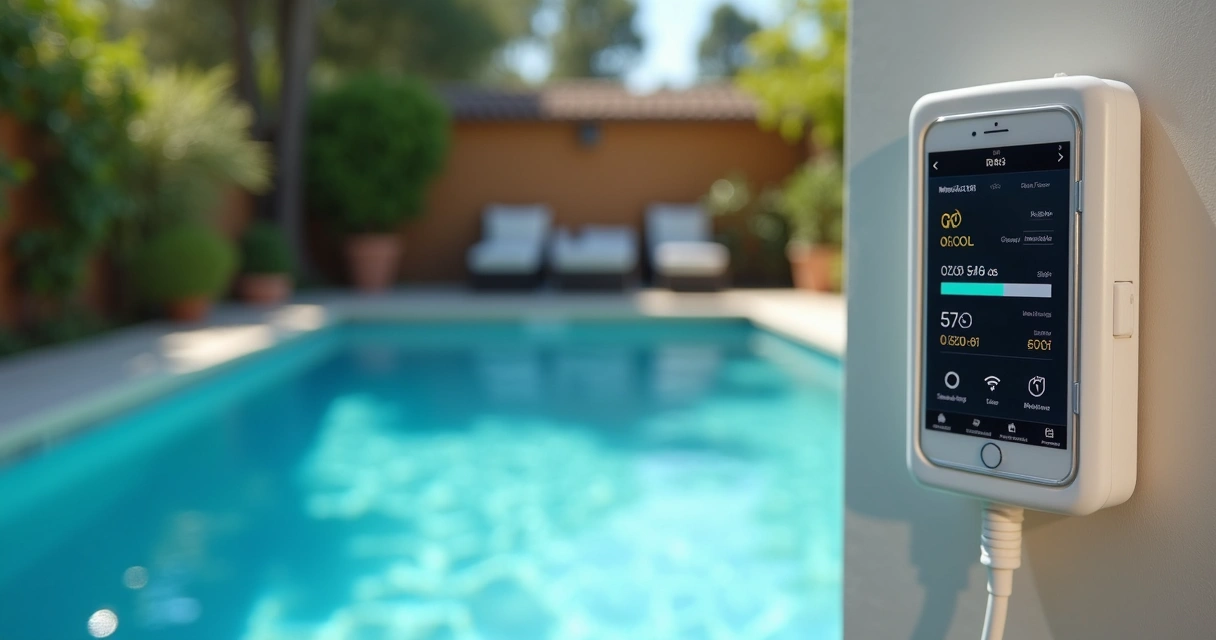
Where technology steps in, you can even attach photos and track progress with an app. That way, even if you invite your pool service tech, everyone is on the same page about what’s been tested and changed.
For more information about correcting chemical imbalances and what you really need (vs. a “handful” of random shop recommendations), see whether you need every chemical at the pool shop.
Simple routine for stable, balanced water
Based on years of maintaining my own pools and helping others, here’s the regular routine I recommend for anyone in Australia:
Test total alkalinity and pH weekly during summer, less frequently in winter.
Adjust using baking soda and acid as needed, but never make big swings at once.
Record every result—either in the app or on paper—so you can track when something is trending the wrong way.
Take preventative action after storms or when adding fresh water.
Follow a seasonal cleaning and maintenance schedule. Some helpful seasonal tips on handling organic debris and enzyme care are found at the enzyme pool care guide.
If something looks odd (cloudy water, scale, slippery surfaces), check alkalinity and pH before adding other “fixes.”
If you’re unsure, use pool apps or intelligent platforms with an AI assistant to deliver recommendations personalised to your pool type, volume, and sanitiser.
Most of the time, this routine keeps water crystal clear, soft, and easy to manage—without unnecessary chemical use or endless tweaking.
Conclusion: Small steps for worry-free swimming
I have learned one lesson over many summers: keeping your pool’s total alkalinity steady is the shortcut to fewer problems, less wasted money, and more time enjoying your backyard—not just working on it.
Stable alkalinity makes everything in pool care easier, from chlorine management to sparkling, comfortable water.
You don’t need perfect lab skills, just some simple habits: regular testing, gentle corrections, and good record-keeping. Tools like MyPoolMate exist to make life easier, whether you want digital logs, tailored recommendations, or even an AI assistant who knows your pool’s history inside out.
If you’re ready for personalised advice and smarter maintenance, get to know MyPoolMate, our AI-powered web app for pool owners. Make every swim safe and relaxing—for you, your family, and your pool.
Frequently asked questions
What is pool alkalinity?
Pool alkalinity is the measure of dissolved minerals (mainly bicarbonates) that buffer against sudden pH changes in pool water. It keeps pH from rising or dropping fast, making water easier to manage and more comfortable to swim in.
How do I raise pool alkalinity?
To raise alkalinity, slowly add sodium bicarbonate (baking soda) across the water surface, running the pump for several hours to help it mix. About 180 grams per 10,000 litres increases the reading by 10 ppm. Always test after each dose and adjust gradually.
What causes low pool alkalinity?
Common causes include heavy rain diluting the water, topping up with soft water, frequent acid additions for pH control, or splash-out from active pool use. All of these can lower the buffer minerals, allowing pH to change more easily.
Why is alkalinity important for pools?
Alkalinity keeps pH stable, protects pool surfaces from corrosion or scaling, helps chlorine work properly, and creates water that's gentle on eyes and skin.
How often should I check alkalinity?
Test at least weekly during the active swimming season, and after any heavy rain, parties, or adding significant chemicals or fresh water. For winter, every two weeks is usually enough unless you spot problems.