
Magnesium pools have appeared on my radar more and more over the last few years. Across Australia, traditional chlorine pools are still everywhere, but I’ve noticed many homeowners are ready for something different: a swimming experience with less irritation, a softer touch, and a little mineral magic. If you’ve wondered whether switching to a magnesium pool makes sense—or you’re curious about the real difference when compared to standard chlorine setups—my goal here is to break down the facts and make your decision easier.
How magnesium pools work: a mineral twist on pool chemistry
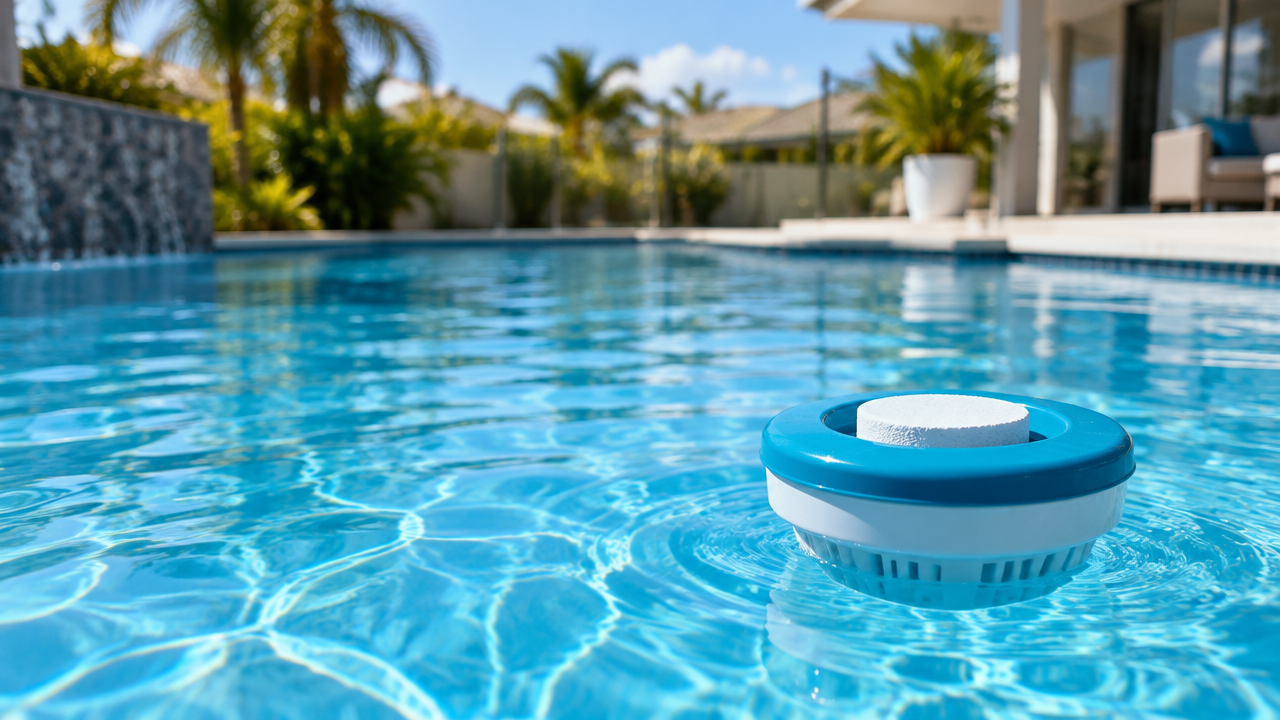
Magnesium swimming pools are still relatively new in Australia, but they quickly earn fans with their clever blend of technology and health. At the core, they use magnesium chloride instead of just rock salt. There’s still chlorine in the mix (around 0.5–1.0 ppm) for proper sanitisation—all created by a smart device called a chlorinator, which turns minerals into chlorine through electrolysis.
Here’s what sets magnesium apart: magnesium ions actively attract and clump together tiny particles and impurities (the scientific name is "flocculation”). Then, your filter strains them out more easily—often meaning you don’t need extra chemicals like clarifiers or algaecides as often.
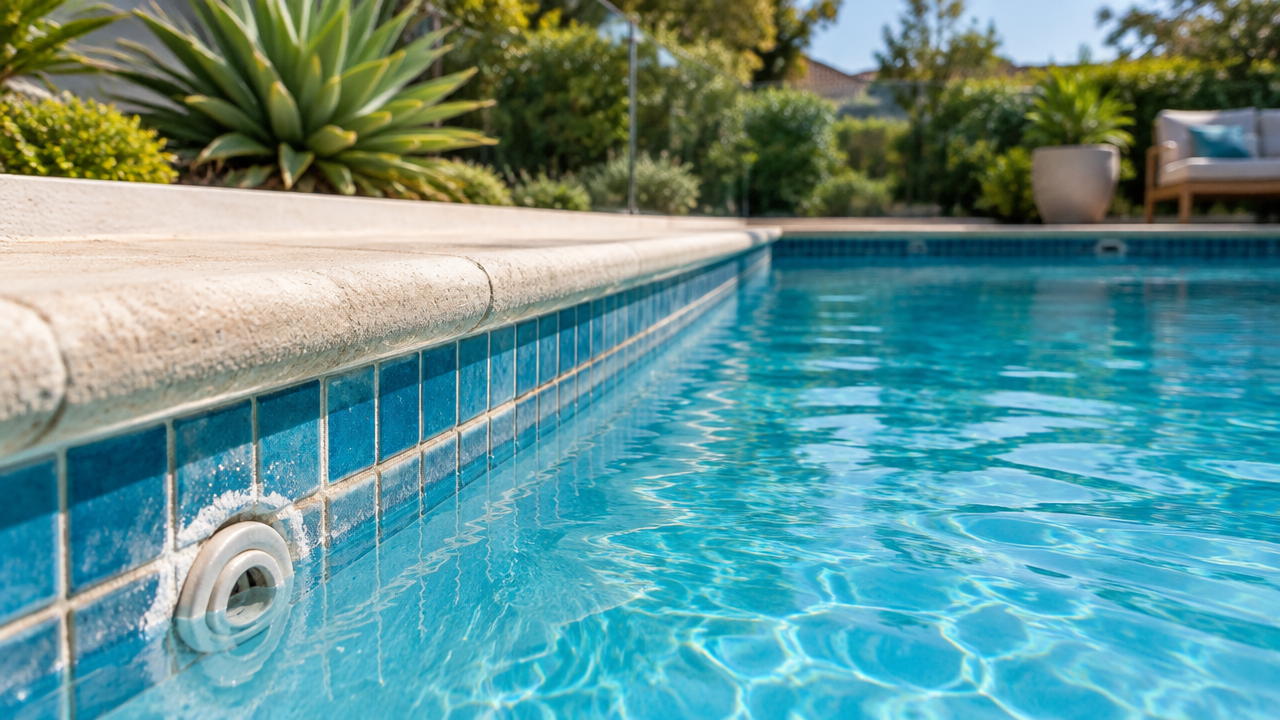
Perhaps the most noticeable difference? Magnesium binds with calcium, basically softening hard water and preventing scale. The result is water that feels almost silky, is gentle on the skin, and actually nurtures your body as you swim or soak.
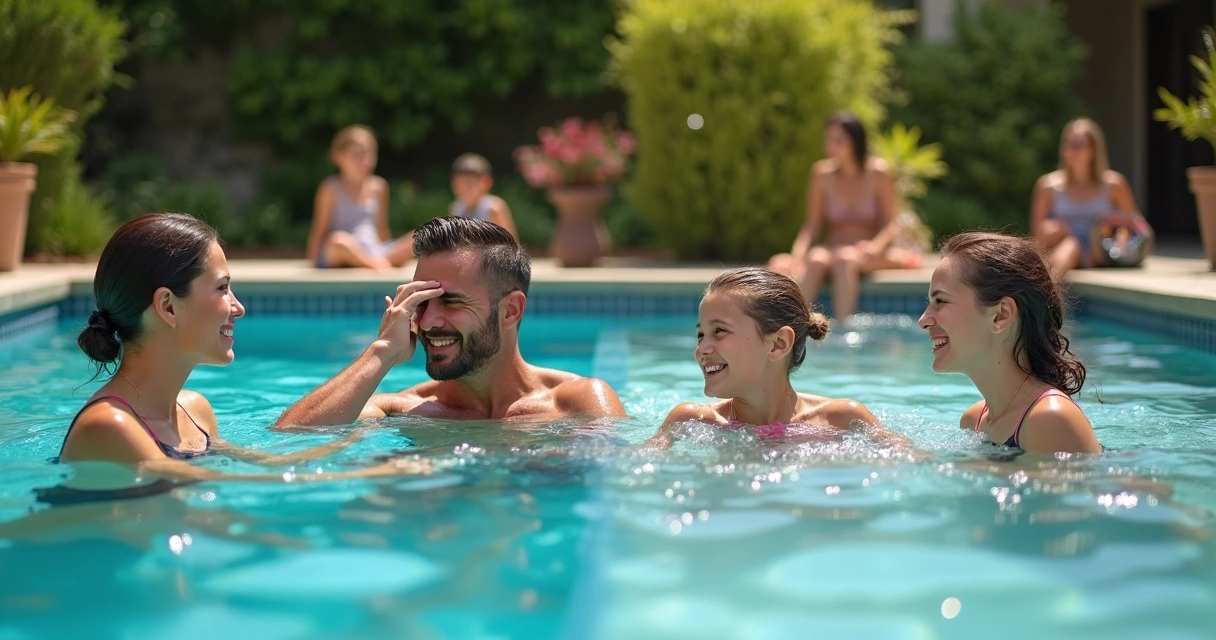
Gentle water, less itch, and a soothing feel—even after a long day.
Magnesium pools vs traditional chlorine: irritation and comfort
If you’ve spent years in a classic chlorine pool, you probably know the usual complaints: dry skin, red eyes, and a chemical smell that sometimes lingers on you all day. In my experience, even people without allergies or sensitivities feel the “bite” of chlorine at times. Now, imagine pools where that sharpness simply doesn’t show up.
- Skin and eyes: I often see families with eczema say their skin calms down noticeably after swimming in a magnesium pool. No more burning red eyes or itchy rashes—magnesium is noticeably kinder, even for kids and adults with allergies.
- Scent: Magnesium pools barely give off any “chemical” odour, which alone can be a relief in summer.
- Comfort on hair and swimsuits: Without chlorine eating away at fabric or hair, your favourite swimmers last longer—and you don’t come out with the classic “crunchy” hair feeling either.
Environmental impact: cleaner run-off, less chemical hassle
It’s not just about personal comfort. In my research on pool maintenance around Australia, it’s clear that magnesium pools use up to half the chlorine of traditional setups. This means less chemical runoff ends up in your yard or drains during backwashing. Here’s why that matters:
- Water from magnesium pools is gentle enough for plants and grass. There are no strong chlorine by-products leaching into the soil.
- Pumps, heaters, and filters last longer—magnesium actually helps prevent scale and corrosion inside pipes and on pool tiles.
- Less chemical consumption saves time, cost, and reduces risk of accidental overdosing that can harm kids or pets.
From an environmental perspective, the reduction in harsh chemical loads alone makes magnesium pools very attractive in 2024, especially as Australian regions face stricter water and runoff standards.
Maintenance and cost: what to expect long term
Routine pool care always brings questions about balancing costs and headaches. Here’s what I’ve observed after seeing many homeowners switch to magnesium:
- Fewer chemical adjustments: With stable magnesium levels, I see pH swings less often, and less need to “shock” the water repeatedly.
- Minimal scale buildup: Magnesium neutralises calcium, which clings to pipes, tiles, and chlorinator cells in standard chlorine systems.
- Extended lifespan for gear: Pumps and filters typically last 3–5 years longer, so you save on big replacements.
There’s still chlorine present—just in far smaller amounts—so hygiene is never an afterthought. When it comes to annual costs:
- Even with a slightly higher price for mineral cartridges, households usually save $300–$500 per year on chemicals and extra treatments.
- The “softening” effect reduces the need for regular acid washes or repairs caused by scale, which quickly adds up.
For step-by-step advice on magnesium pool upkeep, I often guide people to solutions like MyPoolMate, where features like AI-powered maintenance schedules and chemistry analysis take guesswork out of the process (personalised maintenance guide).
Extra benefits: magnesium’s healing and lifestyle touch
This is where the science meets well-being. Years of swimming in both kinds of pools showed me the little things add up. Magnesium pools don’t just avoid harm—they can slowly improve how you feel:
- Muscle recovery: Magnesium soothes tired muscles, making it brilliant after exercise or for those with joint aches.
- Less stress: There’s real evidence magnesium absorbed through your skin can relax nerves and help manage stress or anxiety.
- Better sleep: Some users swear by an evening dip for easier sleep—magnesium is a common ingredient in sleep supplements.
- Skin healing: In my experience and from surveys I’ve seen, up to 78% of people with eczema or psoriasis notice reduced symptoms after switching pools.
Australia’s climate and magnesium stability
Magnesium chloride continues to impress me by how it fits our tough climate. Australia’s heat—especially in Perth, Adelaide, or any region with hard water—can wreak havoc on standard pool chemistry. Magnesium offers critical resilience:
- Stable up to 45°C, avoiding breakdown or rapid evaporation, keeping water balanced during heatwaves.
- Reduces water evaporation by 15–20%, so you top up less during summer.
- No limescale forms, solving city water hardness issues naturally.
I find families spend less time “battling” water changes and more time simply swimming, especially in variable weather.
Conversion and practicality: how easy is the switch?
One thing I hear from pool owners all the time: “Is it hard to convert?” Here’s the good news: It’s easy to convert 95% of Australian pools to magnesium. For most, it’s as simple as:
- Installing a compatible chlorinator to manage the magnesium and make just the right amount of chlorine.
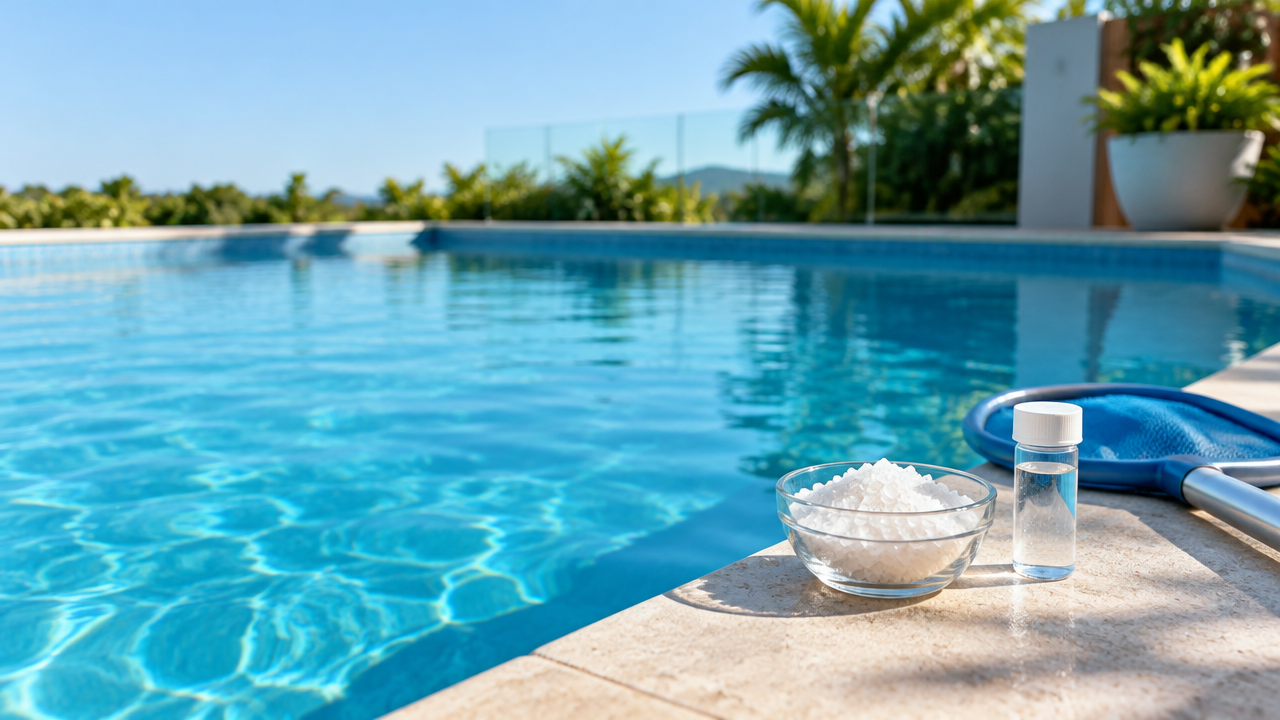
- Adding magnesium minerals, either as liquid concentrate or in salt form—no need to replace the pool structure in most cases.
When I explain the magnesium options, here’s the difference:
- Liquid magnesium minerals: Pour them straight into the pool, treat 10,000L with about 2L, and see instant softening. Liquids cut down on backbreaking hauling, simplify storage, and cut costs on shipping and handling—really ideal for humid or wet areas where salts clump or melt.
- Traditional magnesium salts: These still work, but involve heavier bags, more manual brushing, higher delivery fees, and bigger storage needs. Some find the upfront price for salts less, but ongoing effort can outweigh the initial saving if convenience matters.
Knowing what’s best for your pool style is where AI-powered management like MyPoolMate comes in handy (read expert advice).
Comparing magnesium and saltwater pools
It’s easy to get confused between magnesium mineral pools and saltwater pools, but after building and managing both, the distinctions are clear:
- Magnesium pools generate both chlorine and beneficial magnesium ions—so you get sanitisation plus mineral comfort.
- Saltwater pools simply make chlorine. The feel is closer to a standard pool: slightly “briny” and rough on skin in some cases.
- Magnesium feels smoother, is pH-neutral, and keeps equipment cleaner—no crusty buildup inside the chlorinator.
- Less need for acid washing or regular cleaning of cells with magnesium; it prevents scaling naturally.
- Salt-only systems deliver none of the health perks and usually require more hands-on maintenance.
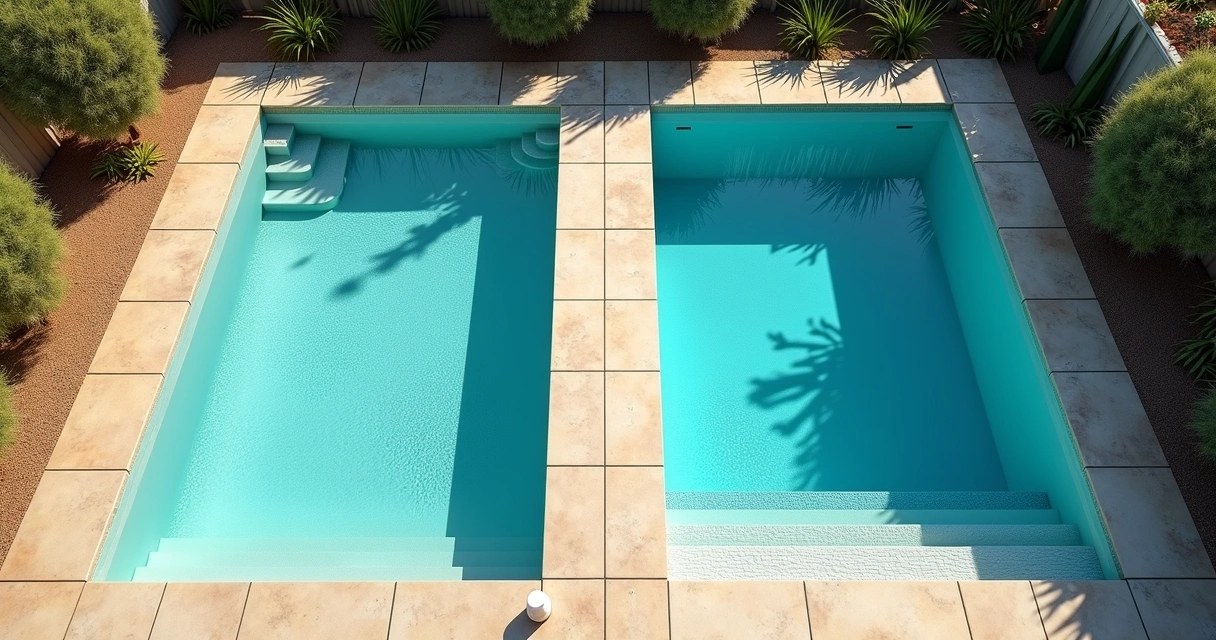
Magnesium mineral pools offer a silky texture, fewer chemicals, and genuine health benefits compared to saltwater pools.
Family and pet safety: gentle by design
One of the real joys of magnesium pools: children and pets can splash and play with hardly any risk. Low chlorine levels, non-toxic minerals, and no harsh gases mean magnesium pools are safe for accidental swallowing or splashing. I trust these systems for kids, and I’ve seen dogs happily lap up a spill without worry.
Families typically report less time spent managing after-swim irritations (no more eye drops or skin lotion every time you use the pool)—and that’s a big win in my book.
Availability and support in Australia
I often hear concerns about whether materials or technology are fully available here. The answer is yes—brands like Water TechniX offer everything from chlorinators to easy-pour liquids, with shipping and product support right in Australia. For more tips and product ideas, take a look at magnesium pool conversion resources.
If you’re ready to try a smarter way to care for your pool, platforms like MyPoolMate integrate all the latest technology to manage, monitor, and upgrade your chemistry, backed by AI and local expertise. You can dig into troubleshooting, track your pool’s unique stats, and get clear, unbiased advice—no more head-scratching or overprescribed chemicals (full guide to pool topics).
Conclusion: magnesium vs chlorine for the modern Australian pool
Switching to magnesium isn’t just a trend—it’s a logical next step for Australians looking for less irritation, more wellness, and reduced chemical hassle. With proven comfort for sensitive skin, easier upkeep, and savings on long-term running costs, I feel confident recommending magnesium pools for families ready for an upgrade.
If you’re curious, take the next step: visit MyPoolMate to personalise your own pool profile, explore our AI-powered tools, and see how much easier and healthier pool care can be. You’ll find product recommendations, conversion checklists, and even exclusive offers to help you get started.
Frequently asked questions
What is a magnesium pool?
A magnesium pool uses magnesium chloride minerals to soften water, reduce chlorine needs, and deliver a gentler, more relaxing swimming experience compared to standard chlorine or saltwater pools. They rely on a special chlorinator to keep water clean with minimal chemical smell or irritation, making them ideal for Australian families.
How does magnesium compare to chlorine?
Magnesium is less harsh than chlorine, reducing skin dryness, eye redness, and chemical odours. It also prevents scale, keeps pH balanced, and supports better plant and equipment health—while still using a small amount of chlorine for hygiene.
Is it worth it to switch pools?
In my experience, switching is worthwhile if you want lower annual maintenance costs, softer water, fewer irritations, and a better experience for sensitive users. Magnesium pools often save $300–$500 per year on chemicals and lead to longer-lasting equipment.
How much does a magnesium pool cost?
While the initial setup or conversion may cost more (mainly for the right chlorinator and minerals), ongoing annual chemical and equipment costs are lower. Most see a return on investment within 3–5 years thanks to lower repair bills and chemical usage.
Are magnesium pools better for skin?
Yes, magnesium pools are far gentler on skin, making them suitable for those with eczema, allergies, or dry skin issues. Most swimmers report their skin feels smoother and less irritated after using a magnesium pool compared to a traditional chlorine pool.
To get the best advice or to start your pool upgrade, follow the latest pool care updates at MyPoolMate, or discover stories and insights from other Australian pool owners at our community blog.