

When I first stepped into the world of pool maintenance, I thought having a sparkling pool relied on following every chemical recommendation I received. My home was soon lined with half-used bottles, each promising crystal-clear water, yet my wallet steadily thinned. Over the years, I have learned an important truth: not every product suggested is necessary for a healthy pool.
So, do I need all the chemicals pool shops suggest? This simple question unlocks a discussion on safe pool care, using products wisely, and understanding what your pool actually needs—nothing more, and certainly nothing less.
Understanding the core chemicals
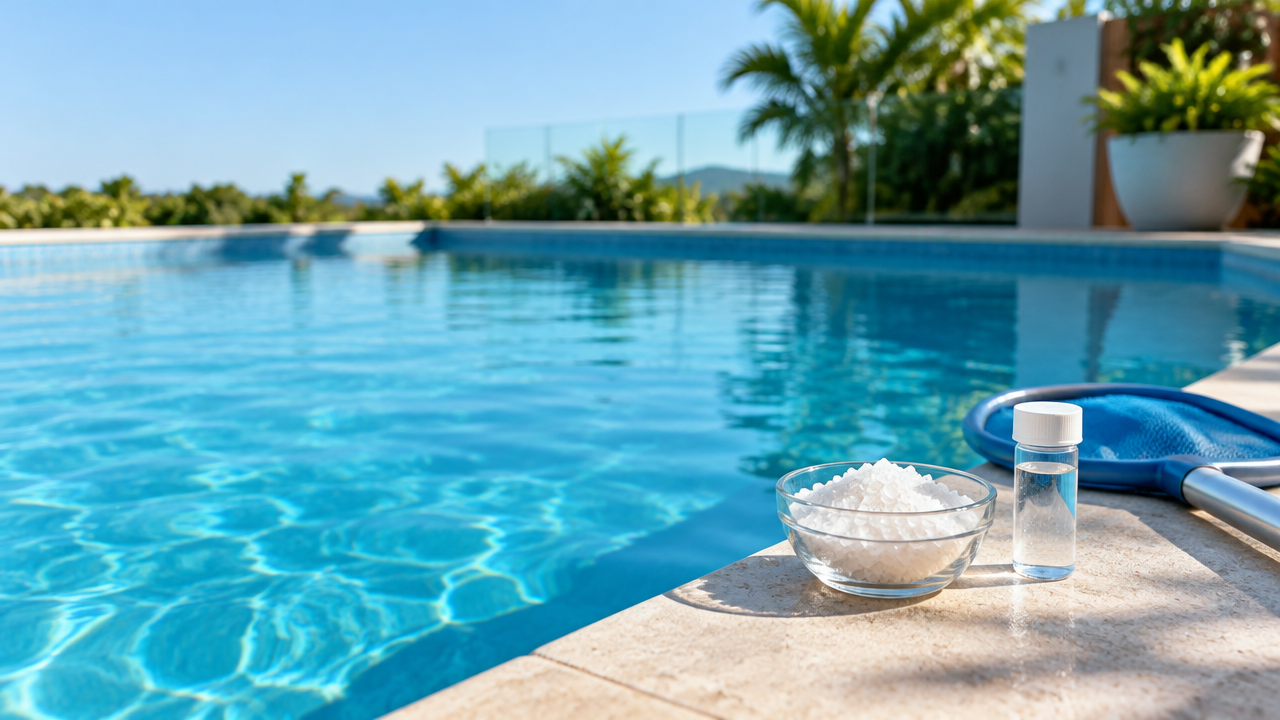
When I explain pool care to friends or new pool owners, I always start by focusing on the handful of substances that underpin safe and inviting water. These are:
- Chlorine (or alternative sanitizer)
- PH adjusters
- Stabiliser (cyanuric acid)
- Calcium hardness increaser
Let’s take a closer look at the job of each, based on my personal experience and the science behind pool chemistry.
Chlorine or sanitiser
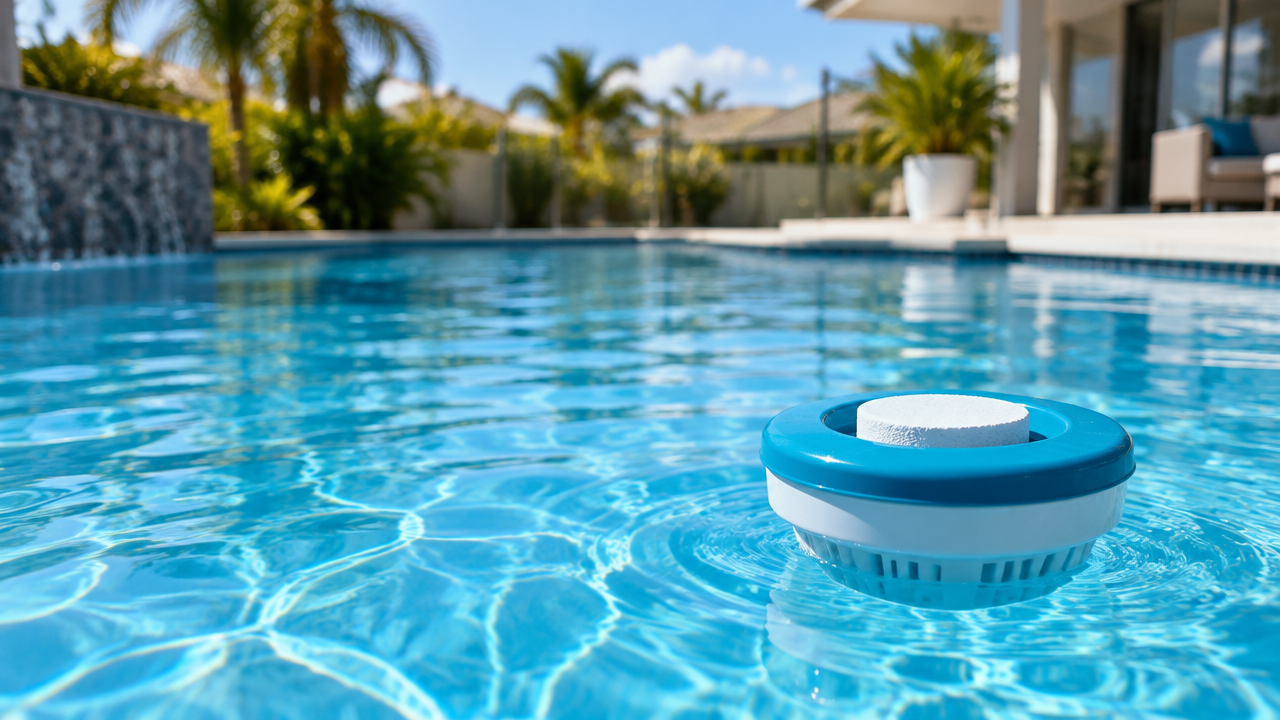
Chlorine stands as the core defender against germs and algae in most pools. It destroys bacteria that can cause illness and keeps water clear. Alternatives do exist (like salt or mineral systems), but the role remains the same: your pool must have a reliable, ongoing method of sanitisation.
PH adjusters
What I’ve found is that if your pH (a measure of how acidic or basic your water is) sits too high or too low, all other aspects of water care break down. Skin and eyes might sting, and chlorine works less efficiently. pH up (soda ash or sodium carbonate) increases pH, while pH down (muriatic acid or dry acid) decreases it.
Stabiliser
Australia’s fierce sun can destroy your pool’s chlorine in hours. This is why pool shops often recommend “stabiliser” (cyanuric acid). Yet, using more than needed can do more harm than good. Too much stabiliser can “lock” the chlorine, making it almost useless against germs, leading to cloudy water and persistent problems.
Calcium hardness
Depending on your pool surface and local water supply, you may need to add calcium. Too little, and your pool water can erode plaster surfaces. Too much, and you’ll see scale and cloudy water.
That’s the basic toolkit. It’s rarely necessary to add more, except under specific circumstances.
When extra chemicals get pushed
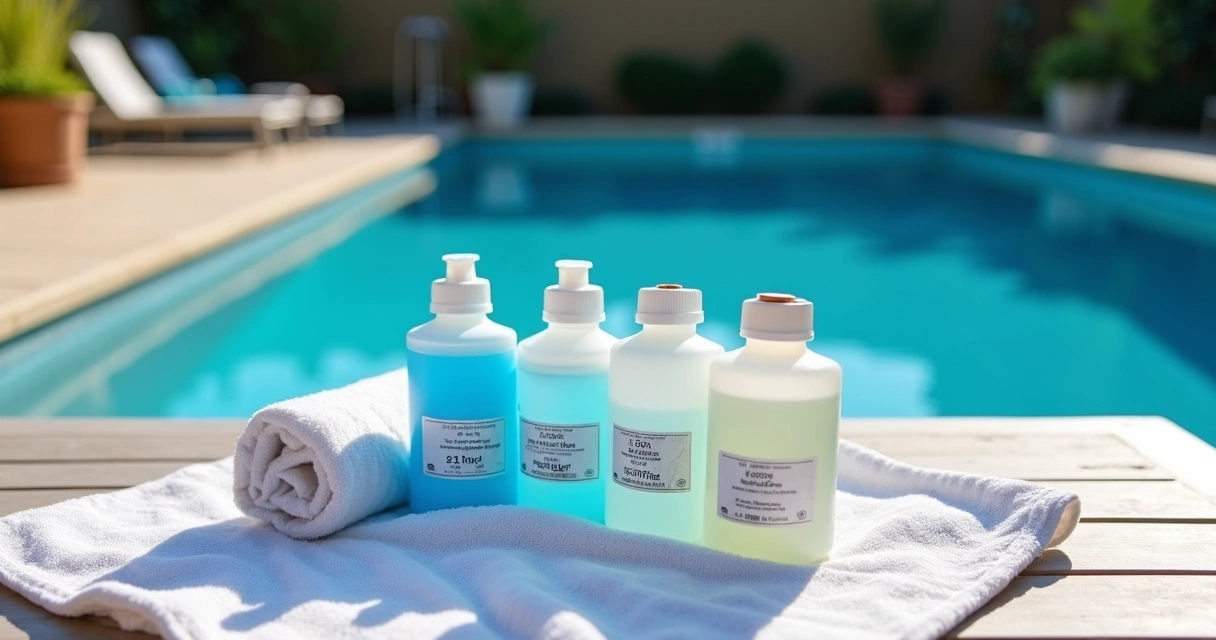
During a routine pool shop visit, I’m often handed a list longer than my forearm. Algaecide, clarifiers, “boosters,” phosphate removers, specialty enzymes—the suggestions seem never-ending. Are all of these really needed, or is there another story?
Most of the time, these products might only be needed if you have a specific and confirmed problem. Some chemicals are only called for in rare recovery situations. Let me outline when these extras make sense:
- Algaecide: Effective for a true algae outbreak, but not required when chlorine levels are maintained properly.
- Clarifiers: Useful if water remains cloudy after addressing cause (like imbalanced pH/chlorine). Not an everyday product.
- Phosphate removers: Only necessary in pools with consistently high phosphate levels, which is rare with regular maintenance.
- Enzyme products: Sometimes suggested for organic debris, but generally, good filtration and regular cleaning are enough for most pools.
Overprescribing chemicals can lead to waste, higher costs, and even raise the risk of mishandling, which is significant when you consider the findings from studies on pool chemical safety, such as the CDC's analysis of emergency department visits in the U.S. from pool chemical injuries (https://www.cdc.gov/mmwr/volumes/68/wr/mm6819a2.htm).
What does your pool actually need?
Every pool is a unique ecosystem. What works for your neighbour may not fit your pool’s size, design, location, age, surface, or usage. After years observing so many pool setups, I always return to these steps:
- Test your water: Use at-home test kits or digital tools regularly. Don’t just guess or add chemicals “just in case.”
- Understand your results: Learn what your chlorine, pH, stabiliser (cyanuric acid), calcium, and alkalinity numbers mean for your pool. MyPoolMate, an AI-powered tool, lets you keep a full history and receive tailored reports, so you make decisions based on your exact data.
- Act on facts, not guesses: If a parameter is in range, you don’t need to adjust it “just a little more.” Only correct what needs correcting.
- Track outcomes: By keeping good records and using AI-powered review (such as with MyPoolMate’s charts and history), you can learn how your pool responds over time, which helps you anticipate needs, not overcorrect mistakes.
Only add what your pool actually needs.
Risks of following generic advice
I’ve seen pool owners get caught in a cycle of “add more” without knowing why. Here’s what can happen:
- Unbalanced water: Overdosing on chemicals can tip your water too far, harming swimmers, damaging equipment, and sometimes even causing safety risks. There’s a real cost, including to your health—just look at the annual statistics from the Wisconsin Department of Health Services showing that chemical injuries can result in emergency room visits if products are mishandled (https://www.dhs.wisconsin.gov/water/pools.htm).
- Damage to pool surfaces: Too much calcium, stabiliser, or acid can lead to long-term issues, sometimes requiring costly repairs.
- Wasted money (and chemicals piling up): Unused or unnecessary chemicals don’t just hurt your wallet—they create storage hazards.
Guidance from the CDC and other public health authorities focuses on using only what is needed, following directions, and never assuming that “more is better.” Always use proper protective gear when handling chemicals, and never mix different products.
Making data-driven adjustments
Here’s how I break down my own process each week, which mirrors the approach MyPoolMate recommends:
- Use a reliable water test kit or an AI tool (like a digital scanner for test strips or printouts).
- Record results and look for out-of-range numbers only. MyPoolMate is especially handy for this, automatically highlighting what truly needs fixing.
- If, for example, pH and chlorine are in range, I skip adjustments. Only if stabiliser or calcium drift outside recommended levels do I add the precise amount advised.
- I avoid “routine” dumping in of extra chemicals unless there’s an obvious reason, such as post-storm debris or visible algae. In these cases, targeted treatment is far more effective than blindly following a recommended shopping list.
With tools like MyPoolMate, you gain insight into historical data, and can see patterns develop over the season. This way, tasks like recovery from an algae bloom become targeted and sparing, rather than another excuse to cram in extra bottles from the shop. The advantage? A clean, safe pool, and fewer worries about chemical clutter or risk.

Benefits of using only what’s required
- Better health and safety: Reduced risk to people, pets, and the environment by avoiding unnecessary exposure (and aligning with CDC recommendations for chemical safety).
- Cost savings: Fewer chemicals to buy, store, and potentially waste.
- Lower maintenance: Less clutter, easier tracking, and a system you genuinely understand.
- Peace of mind: By acting on tailored advice and recorded results, you know exactly why (and when) to add chemicals.
If you want to learn more about building a smart maintenance plan, I’ve found resources from the internal MyPoolMate knowledge base useful, as well as the articles available on the MyPoolMate blog and dedicated search features at MyPoolMate's content library.
A smarter approach: Trust your pool, not a shopping list
Every time I try something new in pool maintenance, I remind myself that more isn’t always better. My advice? Let your test results—and a deep understanding of your pool’s profile—guide your actions. AI tools and structured records do more than make things convenient. They encourage responsibility, help avoid mistakes, and respectfully limit chemical use to what’s truly required.
By aligning your chemical usage with solid data and the unique needs of your pool, you support a safer, more sustainable backyard retreat. If you want to see how MyPoolMate could help, follow new posts from the MyPoolMate team or browse deeper into the library of real pool recovery plans. You might discover that with just a little data and a lot less guesswork, keeping your pool healthy is more manageable—and far less expensive—than you ever imagined.
Conclusion: Only use what your pool truly needs
Every pool is different, and using only the chemicals you can prove are needed is the surest path to safe, affordable, and trouble-free maintenance. I’ve found that smart testing, keen observation, and support from AI-powered apps like MyPoolMate let me keep my backyard pool in top shape, without buying yet another bottle for the shelf.
If you want to shed light on what’s really in your water, trim down wasted spending, and stop guessing altogether, visit MyPoolMate and start building your personal pool profile. The difference is clear—in both your water and your peace of mind.
Frequently asked questions
Do I really need every pool chemical?
You only need the specific chemicals that address your pool’s current testing results and unique profile. Many suggested products are only necessary in unique circumstances or during special recovery cases.
Which pool chemicals are truly essential?
The main products required for most pools include a sanitizer (like chlorine), pH adjusters, stabiliser, and calcium hardness increaser, based on your pool type. Everything else is generally optional or situational.
Can I skip some recommended chemicals?
If your water test shows all values within the recommended range, and you maintain regular cleaning and balanced water, you can safely skip products like algaecide, clarifiers, and enzyme blends, except in specific problem cases.
How do I know if I’m over-treating my pool?
If you’re adding chemicals without a real test-based need, or if you notice recurring cloudy water or irritation, you may be over-treating. Consistent testing and detailed records help avoid this pattern.
Is it safe to use fewer chemicals?
As long as your sanitation, pH, and other basic readings are in range and you follow safety guidelines, using fewer unnecessary chemicals is both safe and recommended. Always double-check results before reducing chemical use and refer to official chemical safety recommendations to ensure a healthy swimming environment.