
If you are searching for a gentler, healthier, and more enjoyable swimming experience at home, there’s a change you might want to consider: converting your saltwater pool to a magnesium mineral pool. In my twenty years working closely with Australian pool owners, I’ve helped many through this process—and seen the difference it can make. Here’s what I’ve learned about how and why you might want to take the plunge yourself, and how a service like MyPoolMate can simplify every step.
Why people choose magnesium over salt
Let me start with the question I hear all the time: Is it really worth converting to magnesium? In my view and experience, the advantages speak for themselves.
- Softer, silkier water that brings a spa-like feel to your backyard.
- No harsh chlorine odour in the air, swimwear, or on skin.
- Gentler effect on eyes, skin, and hair—helpful for anyone with eczema or allergies. Many people report less irritation and smoother skin.
- Potential health perks, like magnesium absorption to help with muscle relaxation and better sleep.
- Lower ongoing chemical demand and reduced maintenance hassle after the initial setup.
I’ve personally found magnesium pool water leaves my skin feeling soft, not dry. And the feeling of swimming in crystal-clear water with no sharp chemical scent is a little luxury everyone deserves.
What you need to convert your salt pool
The good news? You probably won't need to gut your equipment room or redo your entire plumbing. For most Australian salt pools, conversion is straightforward.
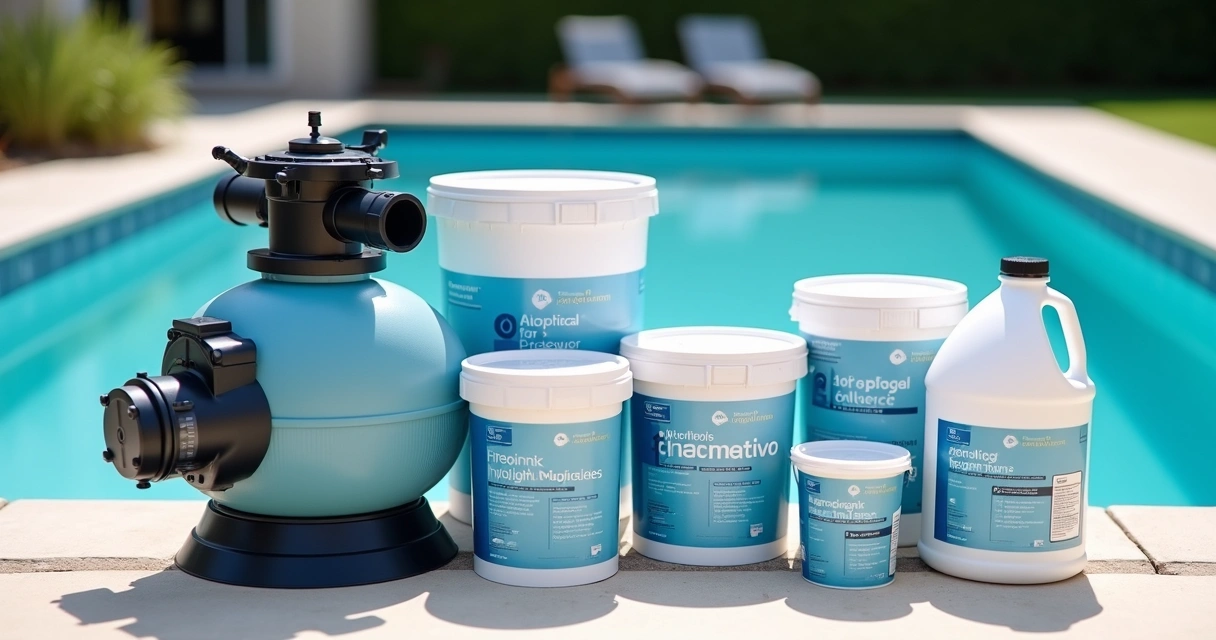
- A salt and mineral-compatible chlorinator. If you already have a Water TechniX Atomic Salt & Mineral Chlorinator, you’re set—no need to spend extra on high-end "mineral only" units. Models like this are made to handle both salt and magnesium minerals with the same efficiency. If you’re not sure your system fits, check your manual or consult with a pool pro before adding minerals. (For other systems, see this chlorinator guide.)
- A filter using glass filter media (not traditional sand), as glass handles fine particles and dissolving minerals better. Upgrading from sand to glass in your filter is the last step to get that sparkling, soft water magnesium is known for.
- High-quality magnesium pool minerals, either in granular form (like Water TechniX buckets) or the new liquid magnesium solutions.
No major renovations required. No need to replace your entire plumbing. That’s a relief for most owners I work with.
The honest truth about costs and savings
I won’t pretend there’s zero upfront cost. You’ll invest in magnesium minerals (in either buckets or liquid form) and maybe swap sand for glass in your filter. But, based on years of data from MyPoolMate users, most see their yearly spending on chlorine and stabilisers drop by a third over time. The ongoing cost for minerals is perfectly manageable, especially given how much nicer the water feels.
If you want more detail on the price breakdown and comparisons between pool types, this in-depth guide to magnesium vs chlorine pools is a great resource, especially if you want to weigh your options before making the leap.
Step-by-step: how to convert your salt pool to magnesium
Here’s how I walk people through the process. Every pool and setup is a little different, so use this as a guide and don’t hesitate to reach out to experts or support if you get stuck.
1. Check your chlorinator compatibility
If it’s already a salt and mineral model (Water TechniX Atomic for example), you’re nearly ready. Otherwise, confirm your system can run with magnesium minerals—not every chlorinator is up for it. You’ll find more info in the pool chemistry library here.
2. Lower salt content to safe levels
This step is key. Magnesium minerals and high salt don’t mix well. Too much leftover salt can damage your chlorinator and cause poor water quality. What I recommend—
- Partially drain and refill the pool in stages to gradually bring down the salt level. Never do a full drain without pro supervision, as pool structures can be damaged if completely emptied.
- Use MyPoolMate or a good salt test kit to check you’re under your chlorinator’s maximum recommended salt level (usually 800–1000 ppm for pure magnesium pools).
- This article on lowering high pool salt levels is a lifesaver if you’re not sure how to tackle this safely.
Never add magnesium minerals to a pool with excess salt. It risks damaging your system.
3. Balance your pool water
- PH: 7.2–7.6
- Total alkalinity: 80–120 ppm
- Calcium hardness: 200–400 ppm
- Cyanuric acid: 30–50 ppm
I always double-check these with MyPoolMate’s chemistry dashboard before adding any minerals. Stable water means the minerals dissolve smoothly and the chlorinator runs perfectly.
4. Add magnesium minerals (bucket or liquid solution)
You have two options for adding minerals: traditional granular or liquid.
- Granular/bucket method:
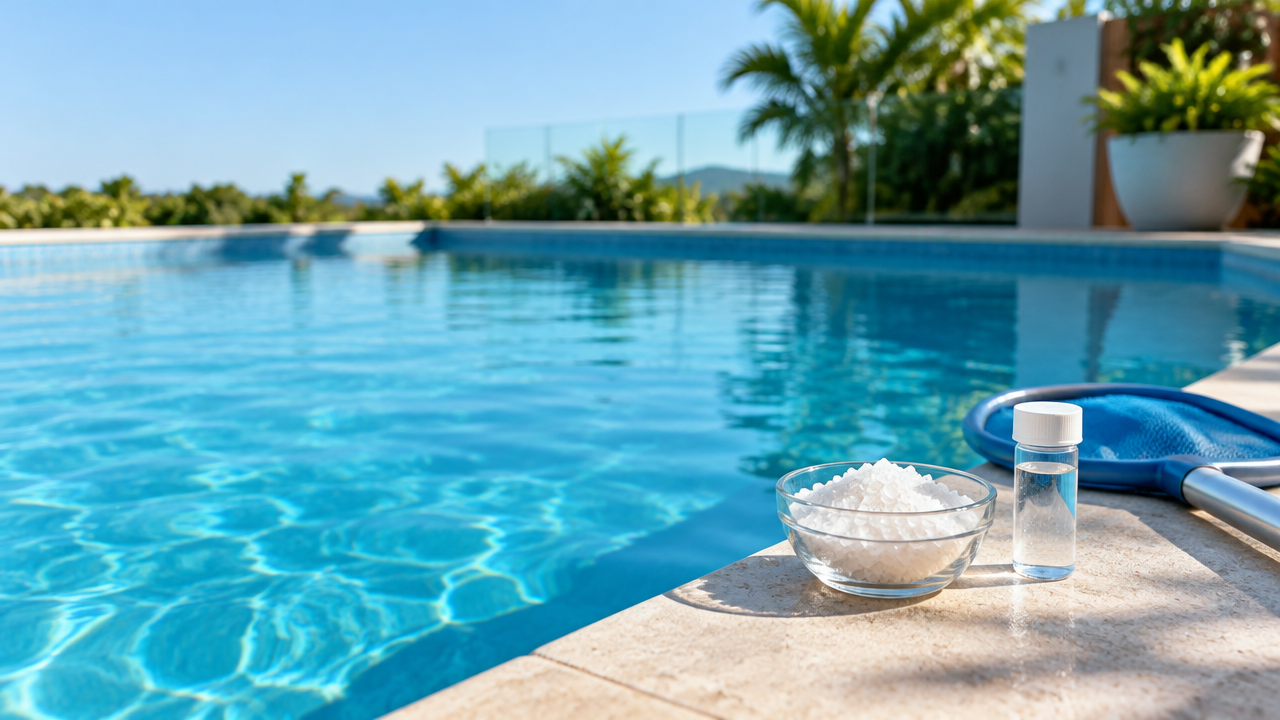
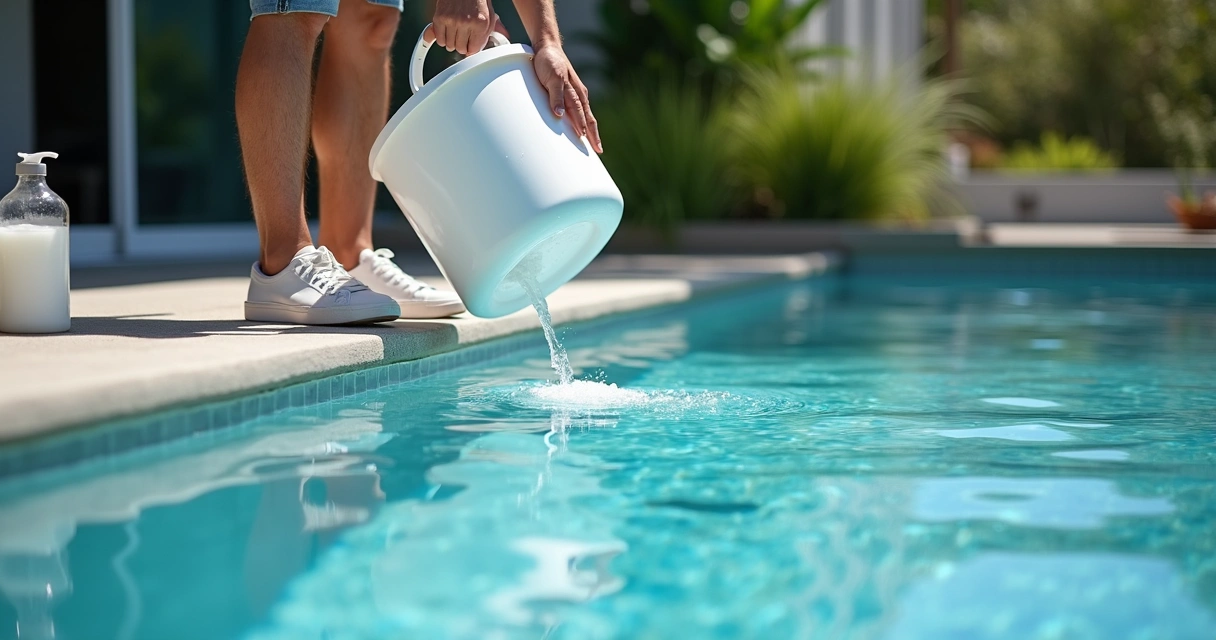
- Most brands recommend 3 x 10kg buckets per 10,000L pool water to raise levels from 0 ppm to the ideal 3,000 ppm. For a 40,000L pool, you’d typically need 12 buckets up front.
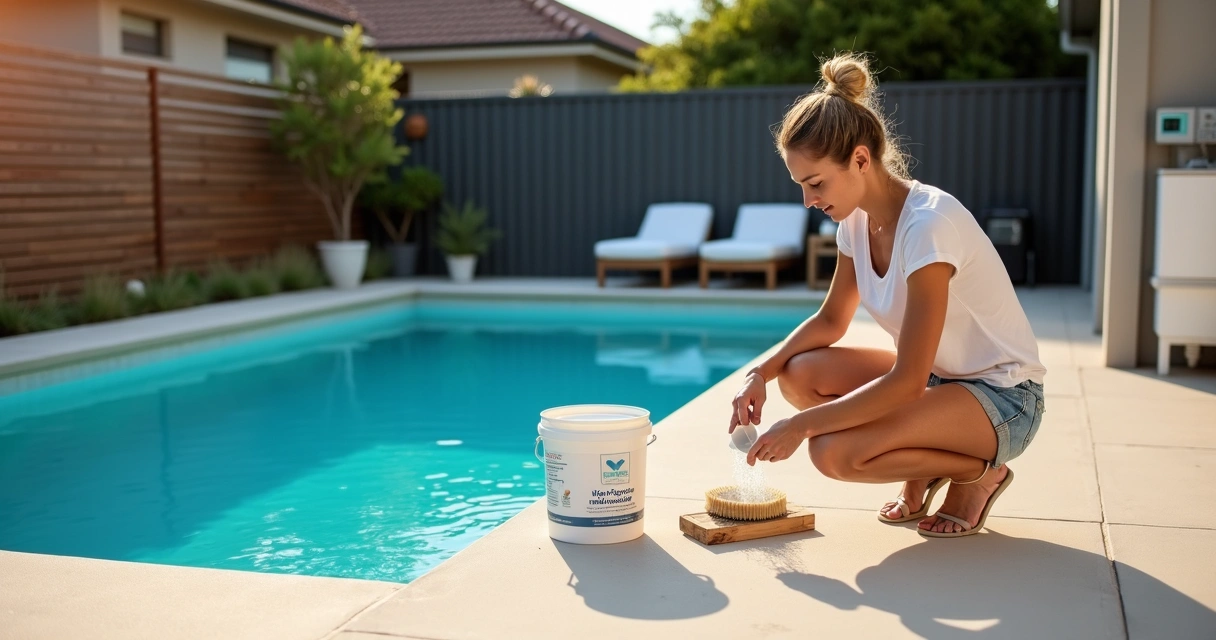
- Pour slowly around the pool edge, brush to help dissolve, and run the filter for at least 8 hours.
- Water TechniX packages theirs in buckets rather than bags. Buckets stop clumping, keep things tidy, and are easier to pour in.
- Liquid magnesium mineral solution:
- Add 2L per 10,000L pool water as the start-up dose.
- For maintenance, add 1.5L per 10,000L every 2–3 months.
- It’s budget-friendly and absorbs at the cellular level—many swimmers notice softer skin within a week.
2L of liquid magnesium solution equals one traditional 10 kg bucket of granular mineral.
5. Switch your filter to glass media (if needed)
If you still use regular sand, swap it out for glass media. This is a small job that makes a huge difference to water clarity and the performance of both granular and liquid magnesium. Most pool shops or technicians can do this for you, or you’ll find several step-by-step guides online.
6. Run your system and handle first-week quirks
After adding magnesium:
- Expect mild cloudiness—this fades in a day or two as minerals dissolve and glass media does its work.
- Automated cleaners may temporarily lose "cling" due to changed water density; this returns to normal within two weeks.
- Chlorine test readings might look strange at first. I always re-test using MyPoolMate after a week, and by that point, everything has settled down.
- Backwash your filter after about two weeks to keep water clear.
Most conversions happen without drama, but if you get stuck, there’s always chat and phone support from your mineral supplier, and of course MyPoolMate’s AI assistant Splash—which knows your pool’s specs and any quirks from your test history.
What about regular upkeep?
Magnesium pools still need the basics: weekly cleaning, filter backwashing, and water testing (I actually recommend checking chemistry just a bit more often in the first months). The ongoing costs are mostly the mineral top-ups every 2–3 months, which are offset by less need for chlorine and pH adjustment. In my experience, most filter equipment and pumps last just as long, and sometimes even longer thanks to softer water.
The MyPoolMate app helps here, too, since it lets me track my pool chemistry, set reminders, review detailed water test history, and even scan my pool shop printouts for instant analysis. Plus, the salt chlorinator troubleshooting guide answers most of the little issues people face in the early weeks.
Conclusion: a smarter, softer swim is within reach
If you want swimming to feel fresh, gentle, and relaxing once again, converting your saltwater pool to magnesium may be the best upgrade you can make. From real-world feedback and my own hands-on tests, I can say the transformation is well worth a little up-front planning. Not only does it make every dip into your pool more inviting, but it can also cut back on maintenance and chemical costs over the seasons.
If you’re curious or have questions, try out MyPoolMate for personalised pool care plans, water chemistry adjustments, and recovery guides if anything goes off track. Your magnesium mineral pool can be easy, affordable, and rewarding—with a little expert help, you’ll never look back.
Frequently asked questions
What is a magnesium pool?
A magnesium pool uses magnesium minerals (either as granules or liquid) rather than traditional salt or chlorine alone to create softer, gentler, crystal-clear water. Many swimmers feel its benefits on their skin, and it usually offers a spa-like experience while still safely sanitizing the pool.
How do I convert salt to magnesium?
You need a compatible chlorinator, glass filter media, and either granular or liquid magnesium minerals. Lower your pool’s salt content by partially draining and refilling, balance your water to standard levels, and add the correct amount of magnesium minerals. After mixing and circulating, check water chemistry using reliable testing or with an app like MyPoolMate.
Is it worth it to switch pools?
Many people find the switch is worth it for comfort, reduced irritation, and less chemical odour in the water. Upfront costs are usually offset by simpler maintenance and less regular chemical use. For a thorough comparison, check this in-depth guide to magnesium vs chlorine pools.
How much does conversion cost?
The cost depends on pool size, whether you already have a compatible chlorinator, and if you need to change your filter media. Expect initial outlay for minerals (3 buckets or 6L liquid per 10,000L), with ongoing costs for top-ups every few months. Most owners see maintenance and chemical costs decrease over time after conversion.
Where to buy magnesium pool minerals?
Choose genuine magnesium minerals, either in bucket or liquid form, from a reliable supplier. Make sure you avoid products with excessive blends or luxury packaging that add little value. If you want more advice—including what to avoid—take a look at the pool chemistry section for updates and supplier recommendations.