
If you own a backyard swimming pool, or manage one for your family, you have likely heard about cyanuric acid—sometimes called a chlorine stabilizer or pool conditioner. I remember when I first started managing a pool, cyanuric acid sounded complicated, almost like some hidden technical detail that the pool shop tossed in with their recommendations without much explanation. It took some real research and firsthand experience for me to see how controlling this single factor could mean the difference between safe, sparkling water and a constant chemical headache.
This article will walk you through everything you need to know about cyanuric acid in your pool: what it does, how to test and adjust it, common pitfalls, and most importantly, how to maintain the right balance for clean, healthy water—especially in our harsh Australian climate. I’ll also show how tools like MyPoolMate take the confusion out of managing this key chemical and help you sidestep over-dosing or neglect.
What is cyanuric acid, and why does it matter?
In simple terms, cyanuric acid (often just abbreviated as CYA) acts as a sunscreen for the chlorine in your pool. By binding with free chlorine, CYA helps to shield it from breakdown by the sun’s ultraviolet rays. In Australia, with long sunny days and intense UV radiation, this protection becomes especially valuable. Without it, chlorine levels can plummet in just a few hours of daylight.
Without enough stabilizer, your pool’s chlorine will vanish in the sun—sometimes before it even gets a chance to clean.
I’ve observed this many times: test in the morning, see a nice chlorine reading, then that afternoon, the pool’s nearly blank! It’s not magic or bad luck, just missing cyanuric acid doing its protective role.
But, as I’ve learned through managing many pools and reading up on guidance from sources like the CDC’s swimming pool guidelines, getting this balance right is key. Too little, and chlorine vanishes. Too much, and there are genuine safety and effectiveness concerns.
The science behind stabilizer: how does CYA protect chlorine?
Chlorine naturally breaks down in the presence of UV light. In outdoor pools, over half the chlorine can disappear in two hours of direct sun, leaving the water vulnerable to all sorts of unwanted guests—algae, bacteria, and swimmers’ itchy eyes.
Cyanuric acid works by forming a loose bond with free chlorine molecules, which slows down the rate at which the sun’s rays destroy the chlorine. This chemical “friendship” lets chlorine hang around long enough to kill bacteria and oxidize organic material, without burning off midway through a bright summer morning.
However, this bond isn’t entirely “free.” In my reading, including research studies, I found that CYA also slightly dampens chlorine’s instant fighting power—meaning that although chlorine lasts longer, it reacts a bit slower. At reasonable levels, this effect is minor. Push CYA too high, though, and you'll have a well-stabilized but sluggish sanitizer.
Ideal levels: how much cyanuric acid is the right amount?
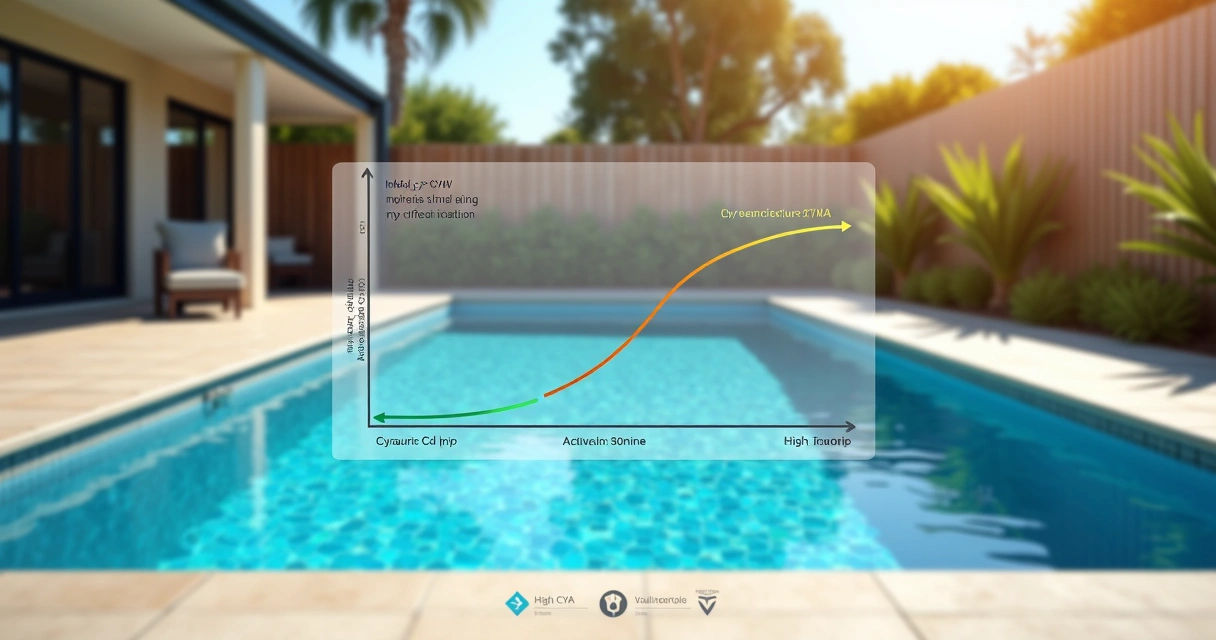
I used to think “more is better” when it came to protecting chlorine in the fierce Australian sun. Experience (and science) convinced me otherwise. Consensus for residential pools typically lands between 30–50 ppm (parts per million) CYA. Some professional sources go as high as 70 ppm for saltwater systems in especially sunny climates, but there’s risk in pushing those limits. According to the Texas Administrative Code and other public health guidelines, CYA should never exceed 100 ppm. Above this, the ability of chlorine to properly sanitize rapidly drops, and the risk of issues like algae blooms rises—unless you keep free chlorine levels much higher, which isn’t practical for most home pools.
Here’s the general target I follow:
- 30–50 ppm: Ideal for most backyard pools using standard chlorine or salt chlorinators
- 60–70 ppm: Acceptable for saltwater pools with intense, all-day sun exposure
- Below 30 ppm: Chlorine will burn off far too fast in outdoor pools
- Above 70–100 ppm: Chlorine becomes slow and ineffective, with risk of “chlorine lock”
Seasonal changes matter. During summer in Australia, with more sun and heavier pool use, running on the higher end of the range (close to 50 ppm) works best. In winter, when sunlight is weaker and water temperatures drop, I aim lower—around 30 ppm—to avoid over-stabilization.
How do I test for cyanuric acid?
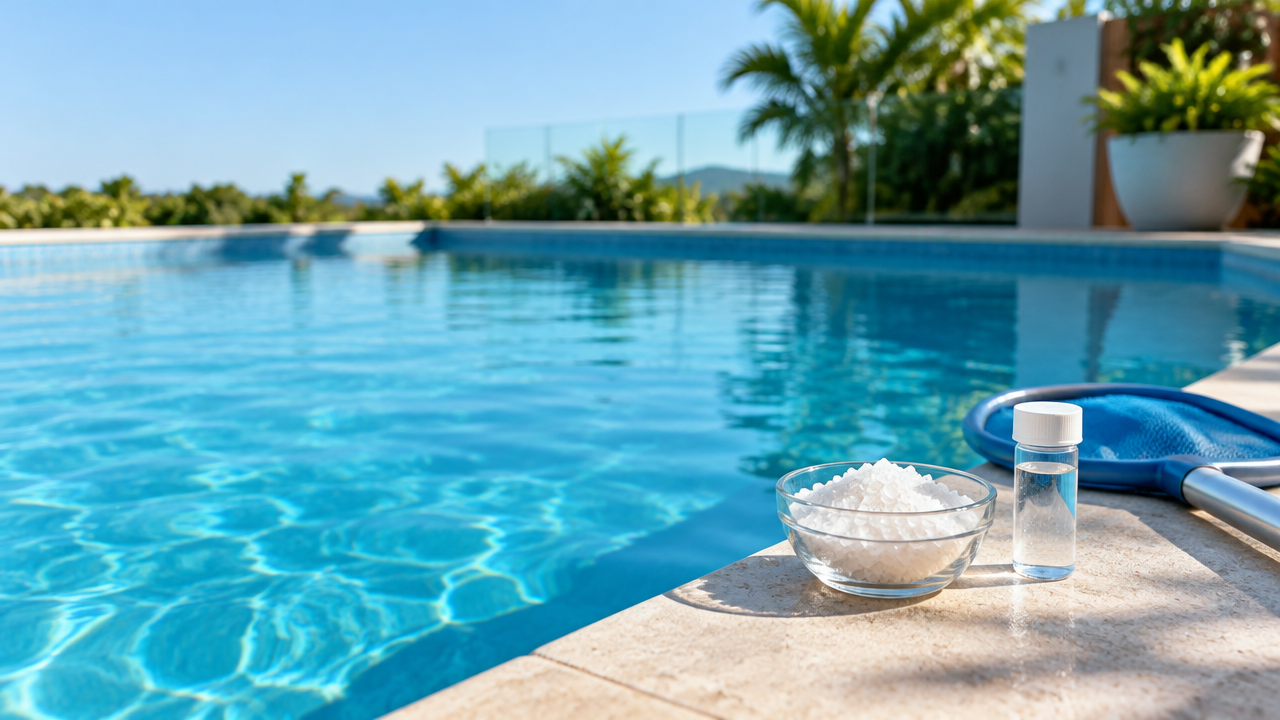
Testing for CYA is a bit different from measuring chlorine or pH. Most home test strips can give a general sense, but for real accuracy, I prefer a liquid test kit. The typical process involves mixing a special reagent with your pool sample. As you add the solution to a test tube, the water will turn cloudy, and you measure the cloudiness against a calibrated mark.
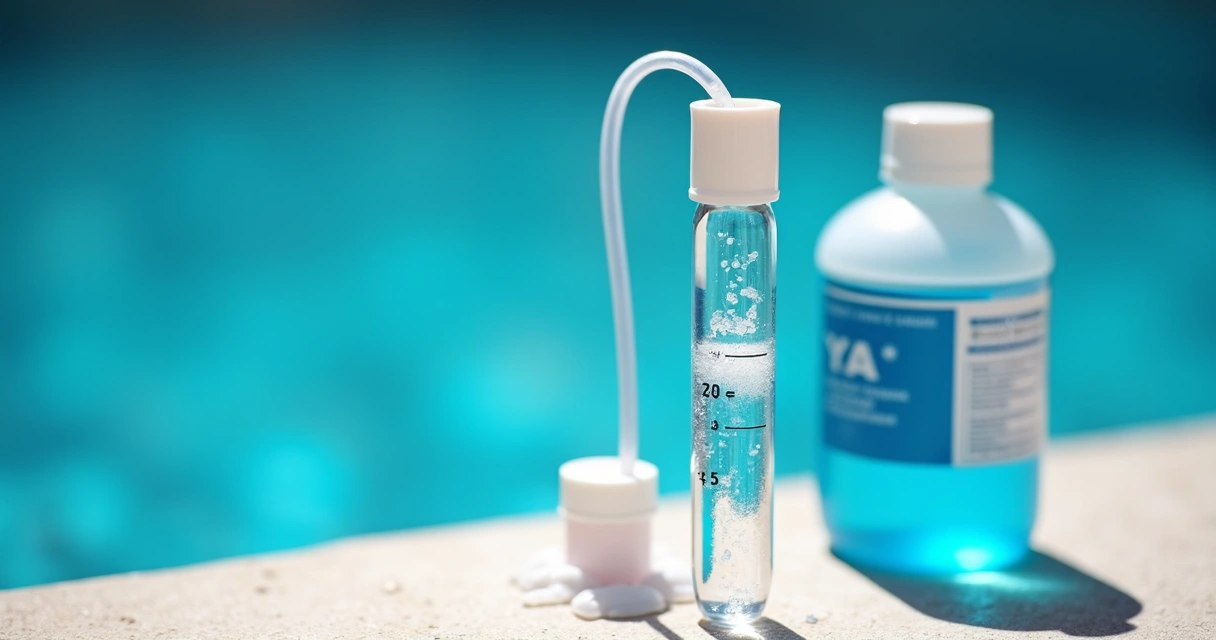
Some common pitfalls I see:
- Testing too soon after adding CYA granules (wait at least 1–3 days for full distribution)
- Not rinsing test tubes properly, leading to ghost readings
- Using old, expired reagents (always check the date)
Today, apps like MyPoolMate make record-keeping and tracking changes far easier, especially if you monitor several pools or want to compare seasonal trends. I like that you can even scan and store shop results for later analysis—no more digging through a stack of wrinkled receipts.
How to interpret CYA test results
I’ve fielded many questions from pool owners trying to decode a number from their latest test strip or kit. If your stabilizer level is below 30 ppm, your chlorine simply isn’t sticking around—meaning you’ll waste money on sanitizer and still risk cloudy water or algae problems. On the flipside, if the CYA reading shoots above 70–100 ppm, chlorine becomes sluggish, and you might notice it’s harder to keep water crystal clear or pass bacterial tests. There’s also a key safety angle here: studies such as this research on Cryptosporidium show very high CYA can reduce chlorine’s ability to neutralize hardier pathogens.
For most owners, the ideal action is simple: if you discover elevated CYA, act quickly to bring it down; if it’s too low, carefully add more stabilizer.
How do I adjust cyanuric acid in my pool?
Adjusting CYA is one area where a methodical, measured approach pays off.
Raising low CYA
To raise the level, add cyanuric acid granules or liquid products. Calculate the required dose: it takes roughly 40 grams per 10,000L of pool water to raise CYA by 10 ppm—always double-check the packaging for exact amounts, since products vary.
- Pre-dissolve granules in a bucket (following label instructions) to avoid settling and potential staining, or pour liquid treatments slowly into the skimmer with the pump running.
- Wait at least 24–72 hours before retesting for accurate levels.
- Don’t overshoot; you can always add more, but lowering CYA is trickier.
Lowering high CYA
This is where most people get tripped up. Cyanuric acid doesn’t naturally evaporate or break down, so lowering a high level often means physically removing some water and replacing it with fresh. The process looks like this:
- Test your stabilizer to determine how much it’s over the target.
- Calculate percentage of water to drain and refill. For instance, if your CYA is double the ideal, replacing half the water should halve your level.
- Drain water in safe, small batches (never lower below the skimmer or structural risks may arise for in-ground pools).
- Refill with tap water, circulate well, and retest.
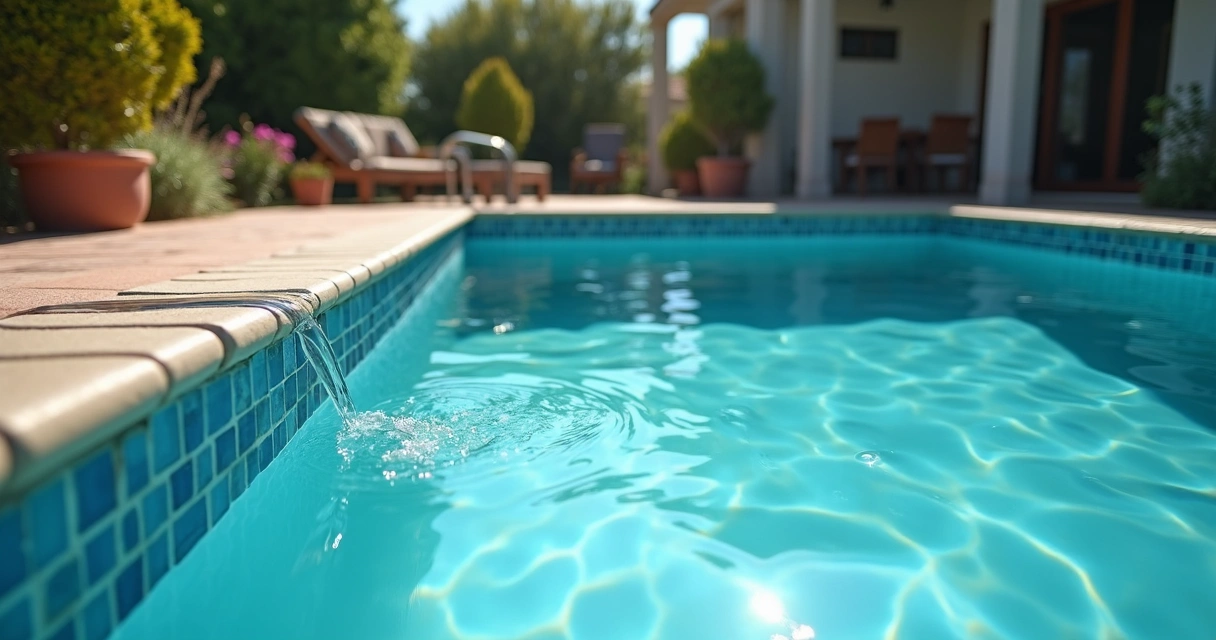
There are also specialized chemical removal products, but I find they work best only on mild excesses and should always be used precisely as labeled. Draining and refilling remains the “sure thing.”
And don’t forget—if your household is on water restrictions, check local rules before draining!
Risks of imbalanced CYA: what can go wrong?
I learned the hard way that CYA swings can create all sorts of headaches:
- Too little: Fast chlorine loss, higher costs, increased risk of algae and water-borne illness
- Too much: Chlorine “lock,” hazy water, buildup of combined chlorine, reduced disinfectant power
- Pathogen risks: According to this Journal of Water Health study, high CYA greatly decreases the inactivation rate of tough bugs like Cryptosporidium—meaning water that looks clean might not be safe
- Chlorinator confusion: Saltwater and automatic chlorinators can work overtime trying to keep up, shortening cell life and spiking energy use (more in this guide on chlorinators)
CYA imbalance can make a pool appear healthy, while behind the scenes, sanitizer is not working as it should.
How CYA interacts with other pool chemicals
There’s a bit of a chemical “dance” happening with CYA. High stabilizer means you’ll often need more free chlorine to do the same job, as referenced in the CDC's recommendations. For example, with CYA present, the CDC suggests at least 2 ppm of free chlorine—double the standard 1 ppm.
Additionally, excessive CYA can subtly shift your pH buffering, sometimes requiring more frequent adjustment. High CYA also affects ‘shock’ treatments and some enzyme-based clarifiers, sometimes making them less effective (if you use enzyme care, check this primer: enzyme pool care article).
Common mistakes and good habits
In my experience, here’s where most pool owners get tripped up:
- Overdosing CYA year after year by using stabilized chlorine (dichlor, trichlor) and never draining any water
- Using shop recommendations that don’t factor in your pool’s specifics—surface, volume, sun
- Forgetting to retest after storms or top-up fills, leading to hidden dilution or spikes
- Not keeping historical logs (which made it hard for me to spot creeping issues before I started using MyPoolMate for automated tracking)
- Trying to “fix” water balance by chasing every number, when a CYA reset would solve root causes (more on that mindset in the post: do I need all those pool chemicals?)
The value of regular monitoring and using smart tools
What surprised me most once I started documenting every water test was how seasonal factors and usage made CYA levels drift—sometimes undetected for months. A spike in top-up water in autumn, or heavy rain, could drop stabilizer, while a few years of stabilized chlorine tablets could push it up quietly. Today, I’d never fly blind: automated logs and AI-based analysis like that provided in the MyPoolMate chemistry modules make it much easier to recognize subtle trends, suggest action, and avoid over-correcting.
Staying in the target CYA zone saves you money, protects your health, and means your next swim will really be stress-free.
If you’re struggling with repeated algae blooms, chronic cloudiness, or unpredictable chlorine readings—take a close look at your CYA first. Many persistent pool headaches start right there.
Conclusion
Cyanuric acid management is a foundational skill for every pool owner—once you understand how it works and what to watch for, you’re most of the way to pool care confidence. Don’t let CYA swing wildly over or under target. Measure, track, and adjust with a methodical approach, record your levels over time, and let personalized tools like MyPoolMate take the guesswork out of balancing your pool. I always recommend staying current on research, too; if you want to read up on related pool chemistry advice, see our pool chemistry articles and guidance on resolving salt level issues.
Ready to take control of your pool chemistry? Try MyPoolMate today and experience just how stress-free (and enjoyable) balanced water can be.
Frequently asked questions
What is cyanuric acid in pool water?
Cyanuric acid is a chemical added to outdoor pools to help protect chlorine from rapid breakdown by sunlight. It does this by forming a weak bond with free chlorine, allowing it to last longer in the water. Without enough stabilizer, chlorine can dissipate quickly in sunny conditions, particularly in countries like Australia.
How do I lower cyanuric acid levels?
The most reliable way to reduce high stabilizer is to partially drain some pool water and refill with fresh water. Some chemical products are available that can help lower CYA slightly, but draining and refilling will always give more predictable results. Always retest after dilution and adjust your chemicals as needed; if your CYA was high due to stabilized chlorine, switch to unstabilized forms until the problem is fixed.
Why is high cyanuric acid a problem?
Excessive cyanuric acid can greatly slow down the killing activity of chlorine, making your pool less safe and harder to balance. High CYA can also lead to 'chlorine lock' where sanitizer levels seem fine but algae or bacteria still thrive. Studies have shown high stabilizer especially reduces chlorine’s effectiveness against certain tough pathogens.
How often should I test cyanuric acid?
At a minimum, test at the start and peak of the swimming season, after major water changes, and after large storms or top-ups. For most private pools, monthly testing is a good habit. Regular tracking in apps like MyPoolMate helps keep an eye on trends and avoid unexpected swings.
What level of cyanuric acid is ideal?
A target range of 30–50 ppm suits most home pools, with slightly higher values (up to 70 ppm) for saltwater or high-sun exposure situations. Stay well below 100 ppm to ensure your chlorine sanitizer can still protect bathers effectively.