
I’ve maintained residential pools for many years, and if there’s one question friends, neighbours, and clients ask most often, it’s remarkably simple: “How much will my pool really cost me?” As an Australian pool owner, I know firsthand that the answer can swing wildly—sometimes on details as small as your pool’s size, surface, or the brand of salt you use. Yet there are clear averages and smarter ways to keep the bills manageable.
In the next sections, I’ll break down pool care expenses, from those daily handfuls of chlorine to the “big ticket” repairs that can catch even experienced owners off guard. I’ll also share the most cost-effective upgrades, show you methods that cut monthly outlays, and help you design a routine that makes every dollar work harder—without risking water quality or comfort.
Why every pool is different: The hidden factors driving your costs
The headline figure for pool maintenance isn’t a one-size-fits-all answer. Every backyard pool is its own little ecosystem. In my experience, what you pay depends on a handful of factors:
- Pool volume and dimensions
- Pool surface type (fibreglass, vinyl, concrete, or tile)
- Sanitisation system (chlorine, saltwater, or alternative options)
- Pump and filtration age and efficiency
- Exposure to sunlight, wind, nearby gardens, and regular usage
- Whether you do it yourself or hire professionals for cleaning and servicing
“Two neighbours with identical pools can have different yearly costs.”
From what I see on MyPoolMate and in water chemistry groups, even a few tweaks—a little more shade, a better pool cover—can swing your annual total by hundreds of dollars. Knowing what to expect is your first move toward keeping costs sensible.
The real numbers: Typical monthly and annual pool maintenance expenses
For most home pools in suburban Australia (around 40,000L to 60,000L), the monthly bill for keeping your water swim-ready is made up of a few main components. Here’s how I break it down based on my own data and feedback from Australian pool users:
Chemicals
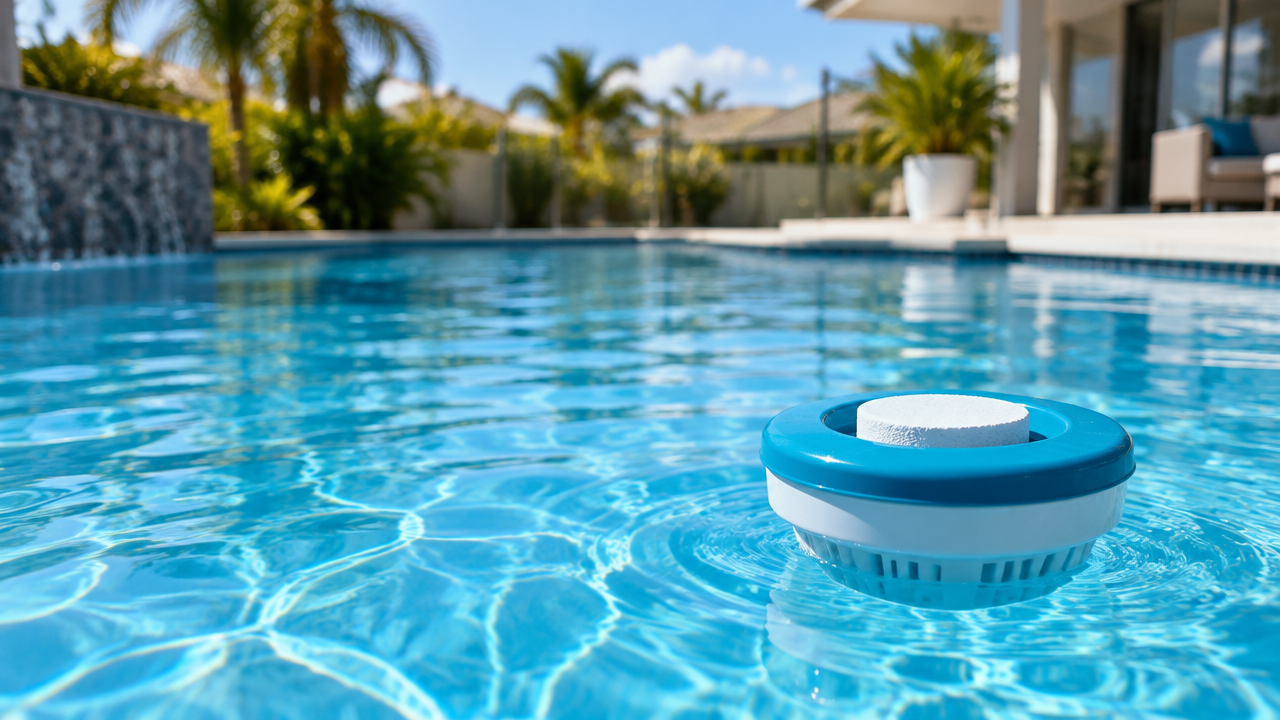
- Chlorine (tablets, liquid, or granules): $15–$40 per month
- Acid (for pH balancing): $4–$12 per month
- Alkalinity, calcium, and stabiliser: $3–$10 per month
- Algaecides, clarifiers, and specialty products (as needed): $2–$8 per month
That usually means a chemical spend of $300–$500 per year, with the high end likely for larger concrete pools or frequently used backyard set-ups.
Electricity (pumps & filtration)
- Standard single-speed pump (running 6–8 hours/day): $40–$65 per month
- Energy-efficient variable-speed pump (at lower speeds): $15–$25 per month
- Heating (electric or gas): can add $100–$300 per month in cooler months
If you only heat your pool for specific weeks or special occasions, this line item can vary a lot. Most owners with solar heating will spend $0–$20/month, mainly for pump operation.
Equipment and routine servicing
- Replacement testing kits and reagents: $30–$80 per year
- Filter cartridge or filter media replacement: $60–$150 every 2–3 years
- Repairs and service calls: budget $120–$180 each, recommended once or twice a year (if not DIY)
Total estimates: What’s “normal”?
When I tally these costs, a typical owner who handles most maintenance will see:
- Monthly: $60–$120 (off-peak, not counting repairs or heating)
- Annually: $1,000–$2,000 for standard pools—more for heated or neglected pools
“A clean, balanced pool is an affordable pool.”
Neglect, inefficient pumps, or irregular service can quickly make those numbers skyrocket. When I review budgets with fellow pool lovers, I always start with this baseline before looking for savings.
Chlorine vs. saltwater: Which system is cheaper in the long run?
If there’s a classic Australian pool debate, it’s this: “Should I stick with chlorine, or swap to a saltwater system?” I’ve had both and studied cost comparisons from multiple sources over the years.
Chlorine (manual dosing)
- Initial set-up: Lowest equipment outlay
- Ongoing chemicals: $300–$500/year
- Manual testing and frequent adjustment required
- Equipment wear: slower, fewer expensive repairs early on
Saltwater chlorinators
- Initial set-up: $1,200–$2,600, including cell and control box
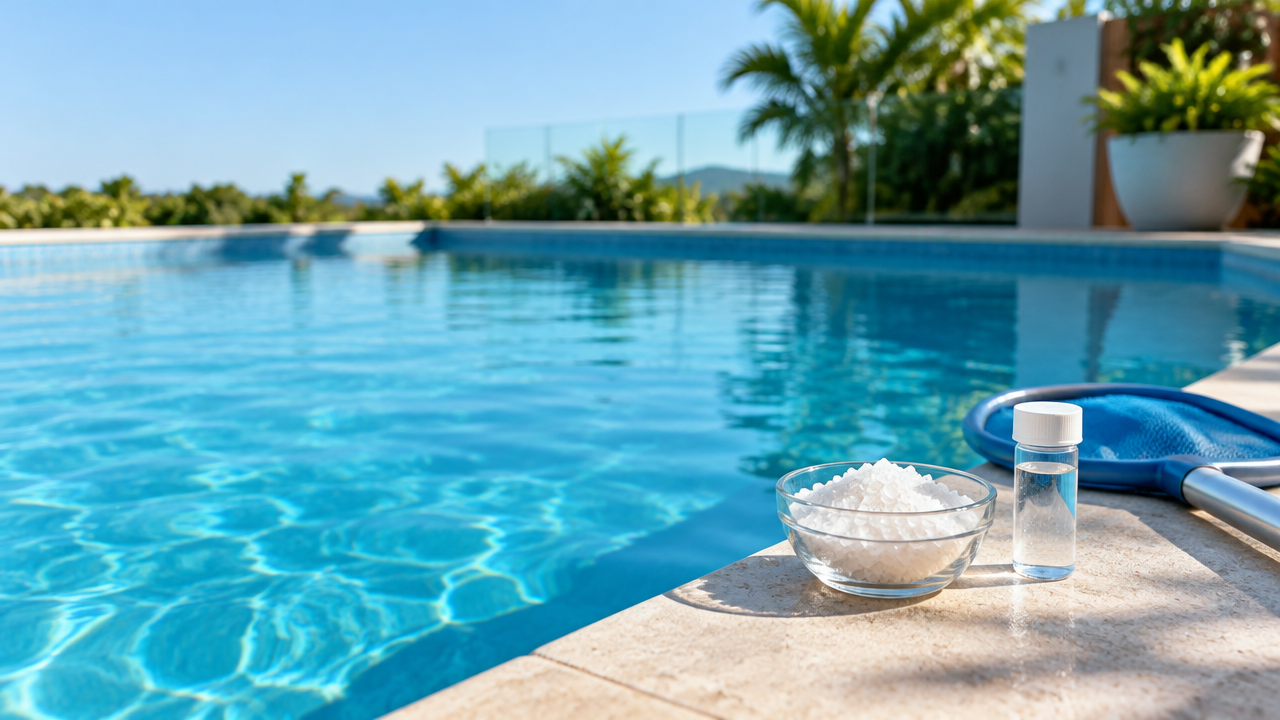
- Salt top-ups: $50–$80/year
- Cell replacement: $350–$600 every 4–7 years
- Lower monthly chemical spend, but higher part-replacement cycles
From what I see, salt pools cost more upfront but can level out to similar or slightly lower annual spends after 5–7 years. The “feel” is different, with slightly softer water and less chlorine handling—though you still need to test regularly. For a more in-depth look, I like to refer to Australian pool system breakdowns that examine the mechanics and finances in context.
Neither system is truly set-and-forget; both need your attention or, where available, smart monitoring via platforms like MyPoolMate. Failing to test, adjust, and clean as scheduled is what usually leads to green water and emergency call-outs, regardless of the method you choose.
Other sanitisation methods: Are alternative systems cost-effective?
I’ve tested and researched alternatives like mineral-based systems or advanced oxidisers. While they have benefits—especially for sensitive skin—they tend to involve higher equipment costs and variable chemical spends, and are less common in residential pools. From a budget perspective, chlorine (manual or saltwater) still rules in Australia as a straightforward balance of cost versus effort.
Electricity and energy: How your running costs can double (or halve)
When energy bills hit the letterbox, most owners are surprised at just how much pool pumps and heaters can consume. A few technical choices and habits have a huge effect on your annual energy spend. Here’s what I’ve learned after years of “energy auditing” pools—mine and others'.
Pump efficiency
- Single-speed pumps chew through the most power. They often run at full pace even when your water could be turned over more gently.
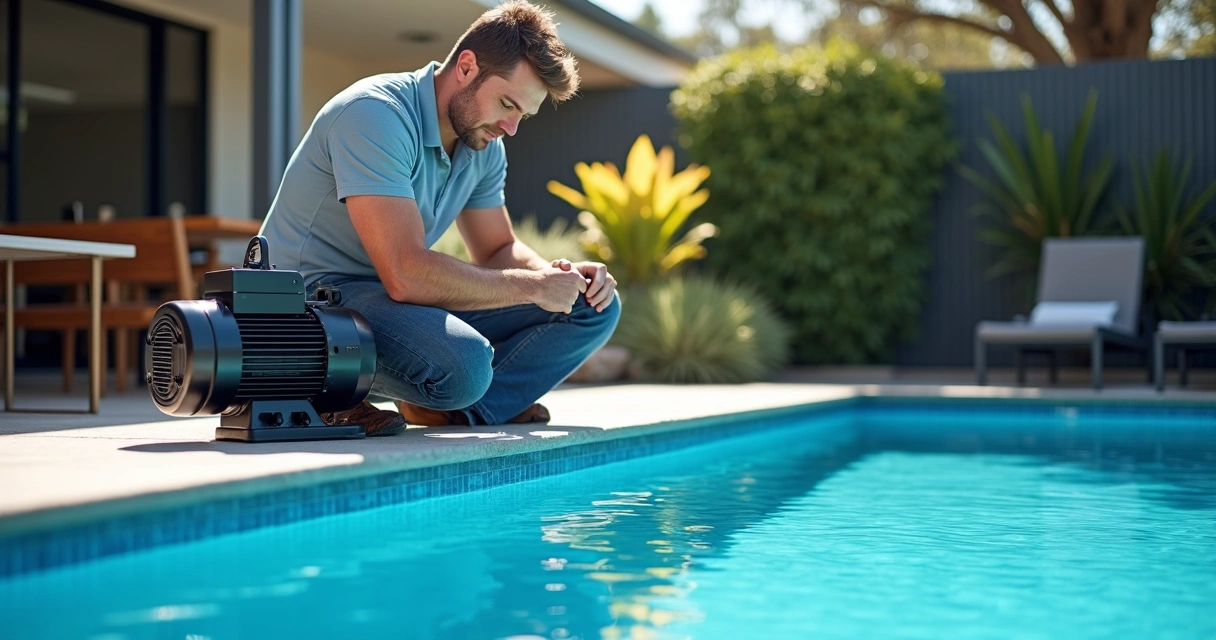
- Variable-speed pumps cost a few hundred more up front but cut energy bills by up to 60%. In warm parts of Australia where pumps run nearly year-round, this can return $250–$400 saved each year.
- I’ve swapped to variable-speed and recouped initial costs in under three summers—it’s one of the smartest upgrades on the market for reducing pool electricity use.
Heating (electrical, gas, and solar)
- Solar heating panels cost around $2,500–$4,500 to install but can extend your swimming season at little ongoing cost—mainly the extra pump runtime.
- Electric heaters and heat pumps: Fast, reliable, but expensive to run if used all season. Expect to pay $100–$300 extra per month.
- Gas heaters can heat quickly but are rarely economical for everyday use in residential settings unless you run the heater infrequently or only for special events.
Covering your pool with a thermal blanket or solar cover can cut heating bills by up to 70%. I always recommend this if you like your water a little warmer.
Lighting and automation
The new generation of low-voltage LED pool lights uses a fraction of the energy of old halogens. Smart timers and pool controllers help you limit run times to the minimum, shaving a few more dollars each month. MyPoolMate’s smart scheduling features help you find your pool’s “sweet spot” for runtime, avoiding those forgotten overnight sessions that waste power.
Equipment repairs, upgrades, and when to plan for the future
Aside from regular chemical and energy costs, every pool owner needs to budget for a few “event-based” items. In Australia, with salt, UV light, storms, and the occasional toddler-driven accident, these can hit without warning. Here are expense lines I suggest budgeting for every year:
- Chlorinator cell replacement: $350–$600 every 4–7 years
- Filter media: $60–$300 every 2–4 years, depending on system
- Pool pump: $400–$1,200 (single-speed or variable-speed), lifespan around 8–12 years
- Surface repairs (cracks, osmosis, or re-tiling): $200–$8,000 (rare but worth planning for if your pool is over 20 years old)
I often encourage friends to add a “sinking fund” or special savings account for these. If you set aside $300–$400 annually, you’ll rarely be caught unprepared when something gives out.
Public pools face similar issues on a bigger scale: Royal Life Saving Australia reports that over 500 public pools nationwide require significant repairs, showing just how common (and expensive) long-term upkeep becomes—whether you swim in your backyard or at the local centre.
Professional servicing vs. DIY: Which fits your time and budget?
I’ve swum both lanes: I’ve tried hands-on maintenance, and I’ve tested regular service plans. Here’s what I learned, and how I suggest you approach your own routine.
Hiring a professional
- Typical service: $60–$90 per visit for a fortnightly clean and check, including basic testing and backwashing
- Chemicals and parts are often extra, billed at retail rate
- Saves significant time and may spot small issues before they become expensive
DIY pool care
- Works best if you’re comfortable around water chemistry and don’t mind getting your hands wet each week
- Requires reliable testing tools and organisation—digital logs, charts, or cloud storage platforms like MyPoolMate help track trends
- Saves hundreds per year but means you have to catch and solve problems quickly yourself
From what I’ve witnessed, a hybrid approach is popular: DIY most weeks, with a professional full service once or twice per year. This both trims costs and gives peace of mind, especially if you travel or during peak summer periods.
How to save on pool maintenance: My favourite proven strategies
I’m regularly asked by new owners, “How do I make my pool more affordable without cutting corners?” So many expenses in pool care are avoidable with the right habits, planning, and tech. Here are my most effective, field-tested savings tips:
1. Get serious about water testing routines
Frequent, accurate water testing helps prevent expensive problems like scale, corrosion, or algae blooms. I use either manual kits or, lately, tools like MyPoolMate’s AI scanner, which reads pool shop printouts fast and charts patterns over time.
- Test chlorine, pH, and total alkalinity at least weekly (more often in summer)
- Adjust quickly if anything drifts out of ideal range
- Keep full digital records so you can diagnose issues sooner
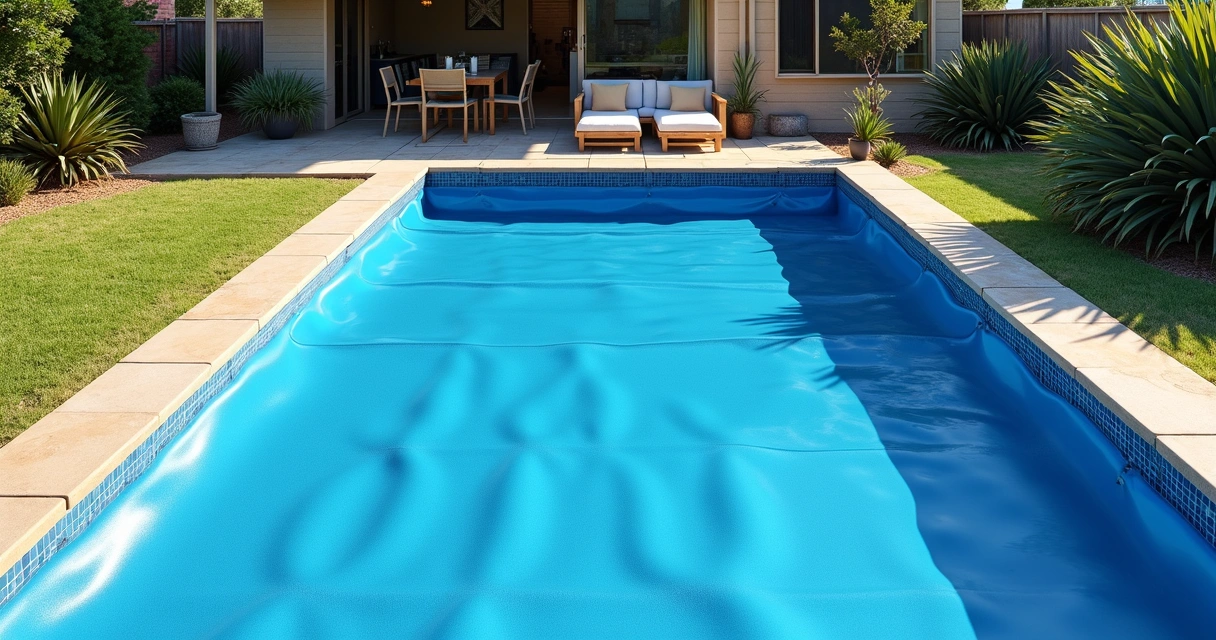
2. Install a good-quality pool cover
This is one of my non-negotiables. Solar and thermal covers pay for themselves by:
- Reducing evaporation (cuts water and heat loss by up to 70%)
- Lowering chemical use by up to 50%
- Blocking leaves and dust, so you spend less on cleaning and fewer repairs
3. Step up your pool cleaning game—automate when possible
Robotic pool cleaners or reliable suction-side robots save hours of manual cleaning and remove debris before it breaks down and stresses your filtration. The initial outlay ($800–$1,800) is quickly offset by fewer algae outbreaks, lower chemical doses, and less professional cleaning.
- Run your robotic cleaner a couple of times per week in peak season
- Brush walls and steps regularly by hand, even with automation
4. Adjust pump and filtration schedules for the season
Hot weather means more frequent running, but there’s no reason to keep pumps working overtime in winter. With smart task managers, like those I use on MyPoolMate, you can set customised “summer” and “winter” presets to save both water and power.
5. Keep up with basic repairs and servicing
Small leaks, worn O-rings, or minor cracks in pool surfaces can eat through your budget if left unchecked. I block out a weekend every spring and autumn to do a full inspection and minor fixes. When equipment is close to aging out, getting ahead of outright failure keeps your costs contained.
According to Royal Life Saving Australia, many larger pools nationwide now face major refurb costs due to deferred maintenance—proof that keeping up with small jobs matters at every scale.
Key upgrades: Which modernisations truly pay for themselves?
Every couple of years, I reassess my setup to see if there’s an upgrade that will pay off in the long run. Not every gadget lives up to the hype, but some changes transform both running costs and convenience:
- Variable-speed pump: Immediately trims 50–70% off your pump electricity bill. Combined with a timer, it’s a straightforward investment.
- Solar heating: More affordable over time than gas or electric heaters, especially in sunny states.
- High-efficiency cartridge filters: Reduce backwashing and water/chemical loss. They need less frequent replacement than sand or DE filters.
- Robotic pool cleaner: A big time-saver that, when paired with regular brushing, keeps debris out of both water and filter.
- LED pool lights and automation: Give you control to schedule everything for off-peak hours, lowering costs and making upkeep less of a chore.
“Upgrades are an investment in years of savings and less stress.”
How to plan your maintenance routine and schedule
Smart scheduling is something I champion constantly—knowing what to do, when, and how often leads directly to lower costs and fewer headaches. Here’s a routine and timing strategy that has kept my own pool sparkling and affordable:
- Every 2–3 days in summer, 1x/week in winter: Skim surface debris, empty baskets, check water level.
- Weekly all year: Test water chemistry (with a smart tool or manual kit), adjust as needed, brush surfaces, vacuum or run the robot.
- Monthly: Inspect equipment, lubricate O-rings, clear pump strainers, check for leaks around fittings.
- Quarterly: Backwash or clean filter, check heating and lighting, note any changes or new sounds.
- Every 6–12 months: Have your pool or equipment professionally inspected (even if you’re a DIY enthusiast), or use AI-powered assessment via MyPoolMate’s team-access features if you manage multiple pools.
Keeping to a reliable schedule means fewer “surprises.” I recommend digital reminders—on your phone or with a web app like MyPoolMate—so you always know what needs doing and can spot trends before problems get expensive.
Budgeting and planning for the future
I think of pools a bit like cars—routine running costs, with the occasional lumpy repair that you should expect, not fear. If you treat each season as an opportunity to save (by sealing leaks, upgrading equipment, and treating your water right), the long-term cost is much friendlier.
The very oldest pools—both residential and public—show just how expensive deferred maintenance becomes. According to Victorian public infrastructure reports, over half the region’s pools are now beyond end-of-life, with sky-high repair bills and the risk of closure. The lesson: Regular investment in your pool is cheaper, and smarter, than doing nothing until it breaks.
For written breakdowns of pool maintenance, gear, and affordable upgrades for Australian homes, I recommend browsing thoughtful guides like what drives pool care costs in Australian suburbs. For owner discussions, DIY insights, and practical maintenance stories, you might also enjoy reading columns by Pedro Correia de Sá.
Smart savings, healthier pools: My take
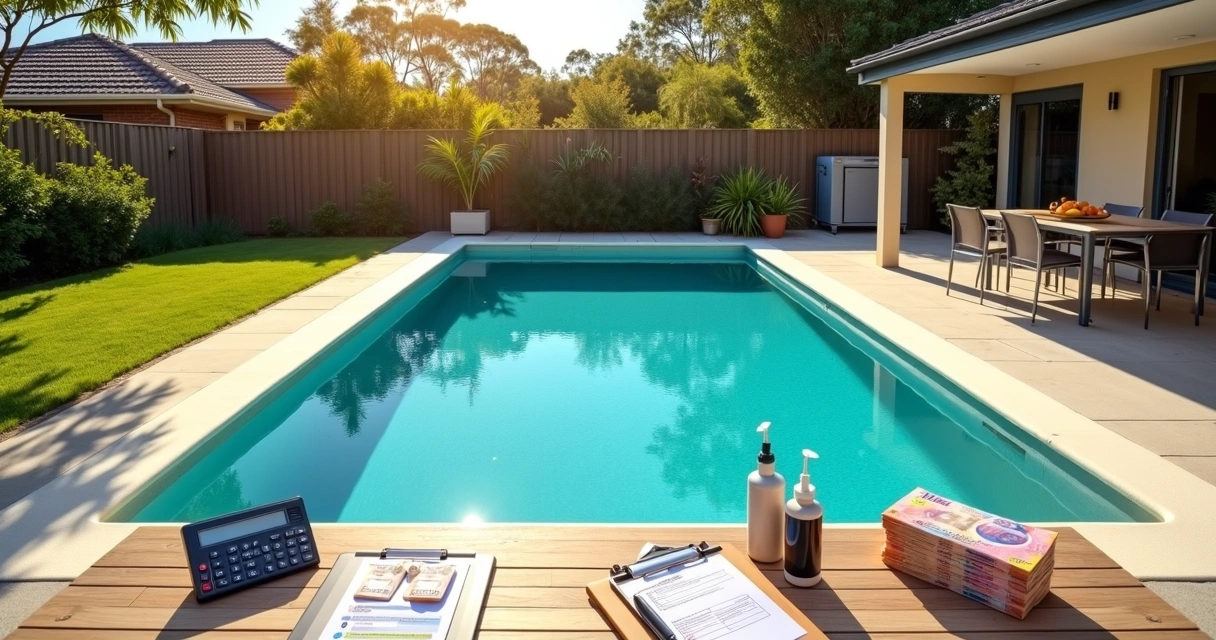
In my experience, owning a pool in Australia isn’t a bad financial move. It’s just one that rewards attention, some smart choices, and ongoing learning. The typical budget—if you plan, maintain, and modernise where it counts—lands between $1,000 and $2,000 yearly for most families, much less if you regularly handle your own testing and basic cleaning.
The best tip I can offer, as an owner and as someone who’s worked with hundreds of pool owners using MyPoolMate: Stay proactive, track your costs, and treat small issues before they become wallet-draining headaches. This approach has kept my pool inviting, my water blue, and my bills predictable for years.
If you’re ready to cut costs, fine-tune your routine, or want AI-powered guidance tailored to your pool’s unique needs, why not get to know MyPoolMate? It’s designed to trim expenses, save you time, and keep your family swimming safely year-round. Discover more savings strategies, expert guides, and maintenance automation at MyPoolMate today—including tips I share with my own neighbours!
For those eager to keep learning—and perhaps swap cleaning stories—check community Q&A and trending maintenance topics within the MyPoolMate learning hub.
Frequently asked questions
What is the average pool maintenance cost?
For a standard backyard pool in Australia, the average maintenance cost is about $80–$120 per month, or around $1,000–$1,500 annually for most owners. This covers chemicals, electricity, equipment upkeep, and the occasional professional service. Heated, larger, or neglected pools may cost more, while diligent DIY care can bring the annual total down.
How often should I service my pool?
In my experience, a weekly schedule for water balancing, skimming, brushing, and basket emptying is best during the active swimming season. Outside summer, fortnightly servicing can be sufficient. Seasonal or annual pro check-ups help catch issues early and keep repairs affordable.
What factors affect pool care prices?
Several details shape your pool upkeep cost—including pool size, shape, and volume, type of sanitisation, equipment type and efficiency, climate, local environment, and whether you do tasks yourself or use a professional. Upgrades, water features, heating, and heavy usage can all push prices higher, while using covers and investing in efficient pumps will usually save you money.
Is professional pool cleaning worth it?
Professional cleaning saves time, ensures consistent water health, and can prevent expensive surprises, especially for first-timers or those with limited free time. If you’re diligent and like the process, DIY care is entirely possible, but mix in a professional service annually for a full check and expert advice.
How can I save on pool upkeep?
I recommend using a solar or thermal pool cover to minimise evaporation and chemical loss, upgrading to a variable-speed pump for lower energy use, automating cleaning with a robot, and maintaining a regular testing and inspection schedule. Smart use of tech, like digital logging and AI-powered platforms (such as MyPoolMate), makes a difference in both running costs and peace of mind.