
I have seen many pool owners blame salt, weather, or even the chlorinator itself when the real issue was a dirty cell. It happens a lot. A saltwater chlorinator cell works hard, and over time calcium and other minerals can coat the plates and slow chlorine production.
A saltwater chlorinator uses electricity to convert dissolved salt into hypochlorous acid, which sanitises the pool water.
That sounds technical, but the result is simple. Your pool gets a steady source of chlorine without manual dosing every day. If you want a broader background, I suggest reading this guide on how pool chlorinators work, their types, benefits, and common mistakes. I often point people there when they are new to salt pools.
In my experience, the cell usually needs cleaning about twice a year. Still, that can change based on pool size, swimmer load, calcium hardness, nearby dust, and how often the pool is used. In Australia, I have noticed some pools stay clean for longer, while others scale up fast in summer.
Check first. Clean only if needed.
When to inspect the cell
I like to check the chlorinator cell every two months. That rhythm is easy to keep and helps catch scale before it gets thick. If you use a tracking tool like MyPoolMate, it becomes easier to connect cloudiness, salt readings, and chlorine output with the condition of the cell.
Some signs tell me it is time to inspect the cell:
Cloudy water that does not improve
A low salt warning even when salt levels test fine
Low chlorine output
Visible white, flaky deposits on the cell plates
Parts of the cell plates look worn or missing
If the cell looks clean, I do not force a chemical clean. I just rinse it and reinstall it. Too much acid cleaning can shorten cell life.
Turn the power off first
Before I touch the cell, I shut the whole system down fully. Not partly. Fully.
Before removing a chlorinator cell, turn off the system, unplug it, and isolate power at the breaker to avoid electrical accidents.
Here is the safe order I follow:
Find the chlorinator on/off switch or button and turn it off.
Switch off the pump system.
Unplug the chlorinator if it has a plug.
Turn the circuit off at the breaker.
I know this feels like a lot for a cleaning job, but water and electricity are never worth guessing about.
How I remove the cell
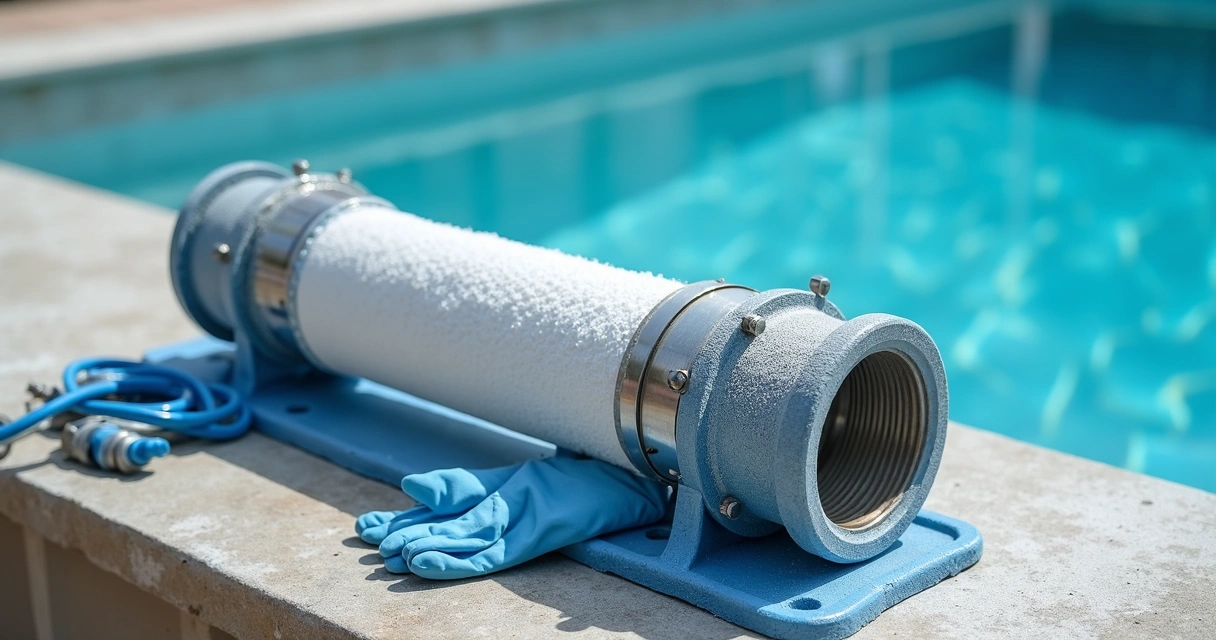
Once the power is off, I locate the cell in the plumbing line. It is usually held in place by two large unions.
I unscrew those unions slowly and let any water inside the cell drain out. A towel or small tray nearby helps keep the area tidy. After that, I lift the cell free and inspect the plates under good light.
If I see white or chalky flakes, that is mineral buildup, mostly calcium. If I only see light residue, I start with the gentlest option first.
Start with a simple rinse
For light buildup, I use a garden hose first. A steady stream of water can remove loose scale without stressing the cell coating. I never scrape the plates with a screwdriver, knife, or wire brush. That can damage the surface and reduce cell life.
If the deposits are light, try a garden hose before using any cleaner or acid.
If the hose does not do enough, I move to a cleaner.
Two ways to clean the cell
I prefer the safer option when possible. A ready-to-use Non Dangerous Good salt cell cleaner is simple to work with and takes some of the stress out of the job. I follow the product directions, submerge the cell as instructed, then rinse it well after cleaning.
If you want help spotting cell problems before or after cleaning, I also recommend this guide on checking whether a pool salt cell is working. It pairs well with what I cover here.
The older acid method still exists, but I treat it with care.
Safer cleaner method
When I use a ready-made cleaner, I keep the process short and neat:
Place the cell in a suitable container or cleaning stand.
Pour in the cleaner or submerge the cell as directed on the label.
Wait for the stated cleaning time.
Rinse the cell thoroughly with fresh water.
I have found this method less messy and easier for regular home care.
Hydrochloric acid method
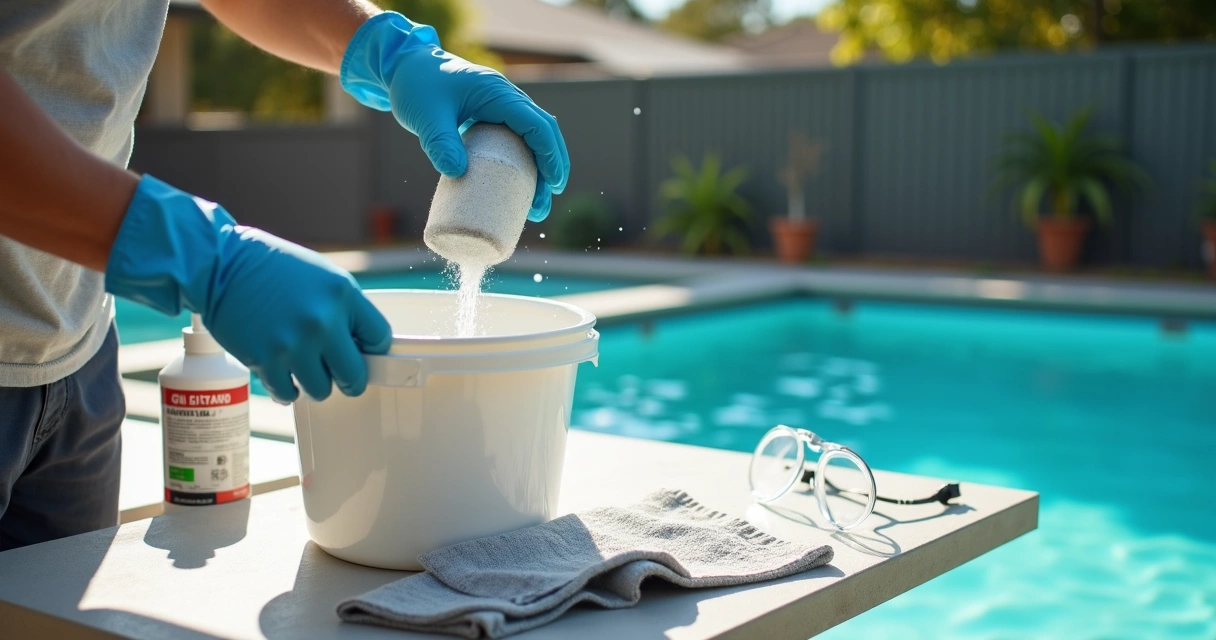
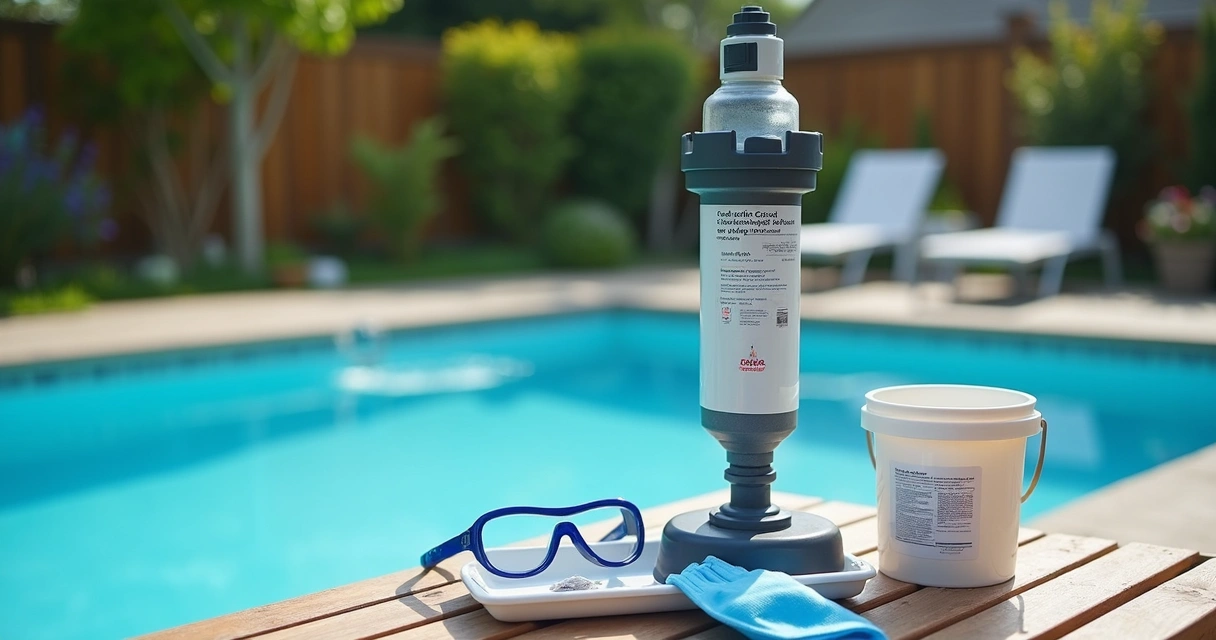
If buildup is heavier, I wear goggles, gloves, and a mask before doing anything else. I also use a dedicated cleaning bucket or container that will never be used for household jobs or other chemicals later. A handy kit such as the Aussie Gold Clean-A-Cell kit can make setup easier.
Then I do the following:
Set the cell upright in a cleaning stand.
Place a dish or tray underneath for spills.
Mix 10 parts water to 1 part hydrochloric acid, always pouring acid into water, not water into acid.
Pour the solution into the cell carefully.
Let it sit for 10 minutes. Foaming is normal.
Pour the used solution into a bucket for safe disposal.
Rinse the cell very well to remove all acid.
Never mix water into acid, because that can cause a dangerous reaction.
If scale remains, I repeat the process once. If two rounds still do not clear it, I stop and call a pool specialist. Pushing further can do more harm than good.
Check parts before reinstalling
After cleaning, I inspect the cell fittings, unions, and O-rings for wear, cracks, or swelling. If any part looks tired, I replace it before putting the system back together. A poor seal can lead to leaks and air issues later.
Then I reinstall the cell, tighten the unions firmly by hand, restore power, and run the system. I watch for leaks for a few minutes. It is a small step, but it saves annoyance later.
If you are dealing with a stubborn chlorinator fault, I suggest reading this troubleshooting guide for salt water chlorinator issues and fixes and this Axis salt chlorinator guide. I have found that cleaning helps many cases, but not all.
If you are still chlorinating by hand
If you are still adding chlorine manually, I think a saltwater chlorinator is worth considering. A model like the Water TechniX Atomic WTA35 stands out for residential pools because it has a 35g output, broad compatibility, a low salt requirement of 2500 to 3500ppm, and it can also work with magnesium salts for a mineral pool. Spare parts are also easy to source from Mr. Pool Man, which gives peace of mind.
Good water care is never just one part, though. I often tell pool owners that a clean filter supports a clean cell, so this step-by-step pool filter cartridge cleaning guide is also worth keeping handy.
My closing thoughts
I think salt cell cleaning is one of those jobs that looks harder than it is. The biggest mistake I see is cleaning too aggressively or too often. Check the cell every two months, rinse it if it is clean, and only use chemical cleaning when buildup is clearly there. Keep calcium hardness under control as well, because that reduces how often scale forms.
If you want a simpler way to track test results, spot trends, and get pool-specific guidance, take a look at MyPoolMate and see how it can help you stay ahead of salt cell issues before they turn into bigger pool problems.
Frequently asked questions
What is a saltwater chlorinator cell?
A saltwater chlorinator cell is the part of the chlorinator that contains metal plates. When salty pool water passes through it, electricity converts the salt into hypochlorous acid, which sanitises the pool.
How often should I clean the cell?
I usually suggest checking it every two months and cleaning it only when buildup is visible. Many pools need a proper clean about twice a year, but that can vary with water balance, pool use, and local conditions.
What signs show the cell needs cleaning?
White flaky calcium deposits, low chlorine output, a cloudy pool, or a low salt light even when salt levels are correct can all point to a dirty cell. Missing or damaged plates can also mean the cell needs service.
What do I use to clean the cell?
I start with a garden hose for light scale. If that is not enough, I use a ready-to-use Non Dangerous Good salt cell cleaner and follow the label. For heavier buildup, some owners use a 10 to 1 water-to-hydrochloric-acid mix with full safety gear and a proper cleaning stand.
Can I clean the cell without removing it?
I do not recommend it. Removing the cell lets you inspect the plates properly, clean it safely, and check the fittings at the same time. Always turn off all power, including at the breaker, before removal.