
If your pool pump isn't primed, your whole filtration system stalls and trouble starts. In my experience, whether you have a massive backyard pool or a small plunge pool for the Queensland summer, a dry-running pump is every bit as risky as it sounds. The motor can overheat, seals break down, and water quality goes south—sometimes so fast you don’t even notice until it’s green. That’s why understanding how and when to prime your pool pump is something every pool owner should know. It’s not tricky with the right steps, and doing it right means a longer pump life and a crystal-clear pool.
Why pool pump priming matters
Let me answer the question many new owners have—why do I need to prime my pump anyway? The truth is, most residential pool pumps aren't self-priming. They rely on water to fill all the voids inside the pump and pipes. Air pockets block water flow and can make your pump run dry. That means no filtration, circulation, or chemical mixing. So your efforts balancing pH and chlorine go to waste.
Priming is a must after installing a new pump, doing major system repairs, opening your pool for summer, or any long shutdown. If your pump is above water level or you notice it losing suction, you'll probably need to prime, too. I've seen more equipment failures from skipped priming than almost anything else in pool care.
Step-by-step: How to safely prime your pool pump
This method works for most Australian pool pumps, including popular models with prefilters like the Pentair 5PSP – 50Hz/12.5HP/3P 2850RPM. Feel free to adapt if yours looks a little different, but always check your user manual for specific warnings or quirks. Safety and accuracy count.
1. Turn off power at the breaker
First things first: cut the power at your circuit breaker before you touch anything. Pool pumps are strong and sudden—never risk fingers or tools near moving parts. I always double-check with a test button or by trying to turn on the pump from the controller after flipping the breaker off.
2. Remove the pump lid and release pressure if needed
Carefully loosen and remove the clear pump lid. Sometimes, a slight press down will break the seal. On some models, you’ll notice a built-up pressure—use the filter's air-relief valve to gently release it first if that’s the case. You’ll hear a quiet hiss when it opens. No force is needed. Skipping this step can lead to a surprising splash or stuck lid.
3. Inspect and clean the pump basket
Take out the basket inside the pump housing and check for leaves, dirt, or small debris. A clean basket keeps water flowing smoothly, so give it a quick flush with your hose. Little bits of gum leaves and gravel hide in corners—I always check closely, even when it looks empty.
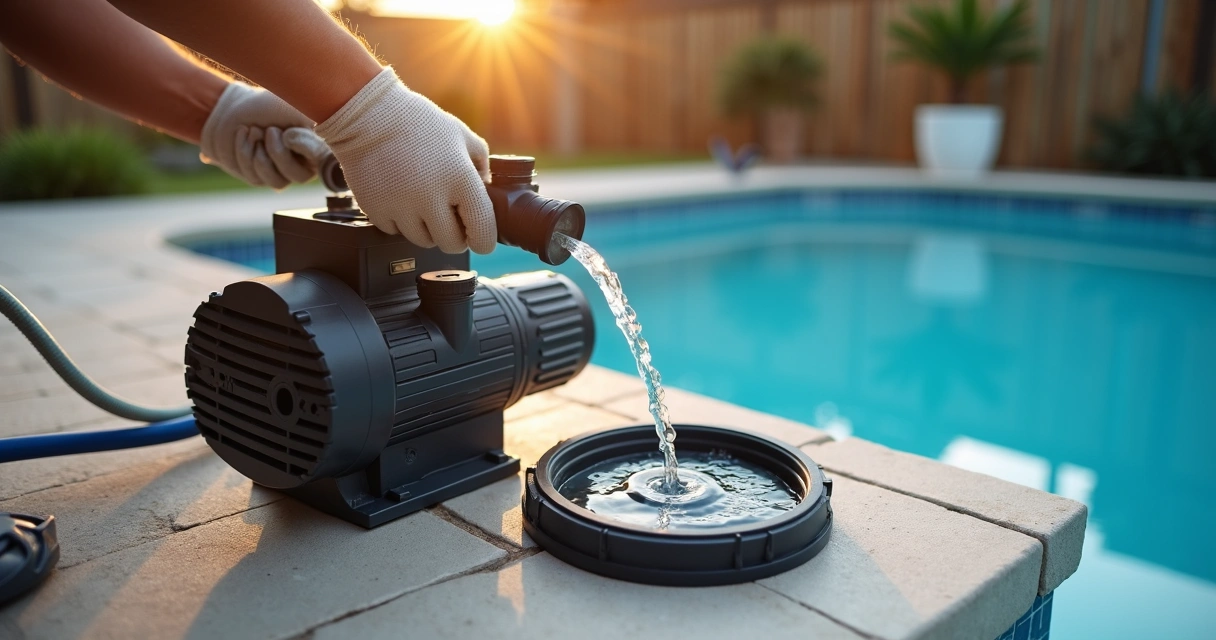
4. Fill the pump basket with water
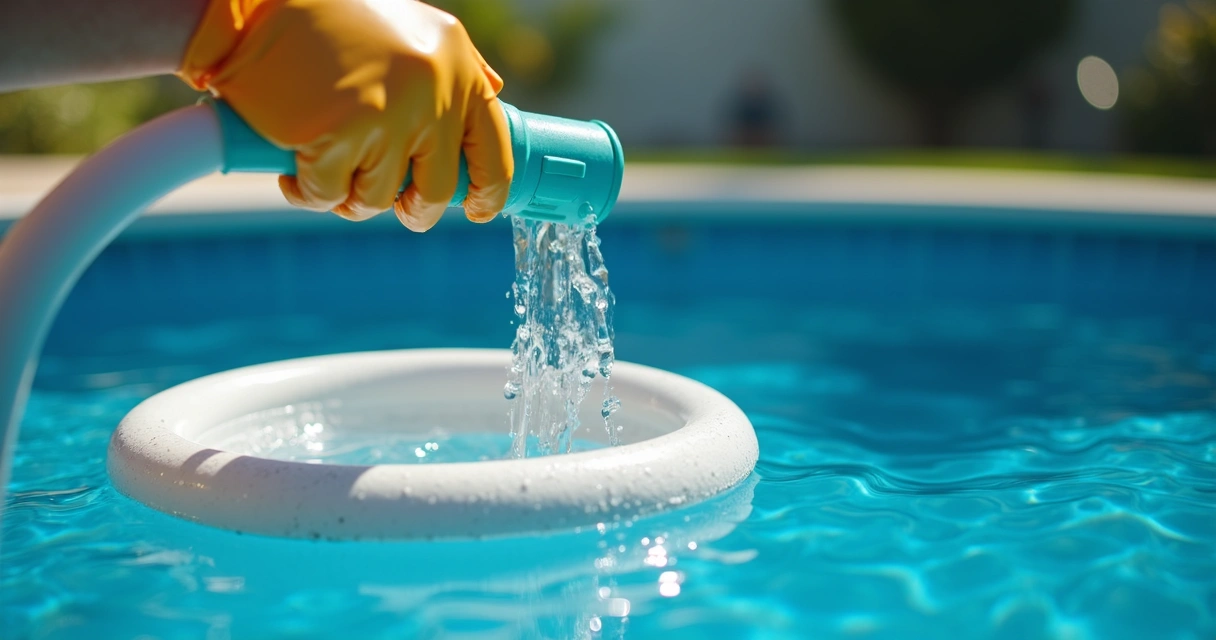
Here's where the real priming starts. Use a garden hose to fill the basket chamber until it’s nearly full. Don’t rush; let it settle for a moment, as air bubbles will rise and pop. Fill it to the top edge. This added water forms a seal, which lets the pump begin pulling water from the pool instead of just spinning in air.
If you skipped this step, your pump would likely just “hum” without moving much water. I learned the hard way as a young homeowner—nothing is more disappointing than watching your pump run for ten minutes with no water moving at all.
5. Check the lid O-ring and seal
Give the O-ring on the underside of your pump lid a close look. Is it cracked, stretched, or missing bits? If so, replace it right away. If it looks good, apply a thin layer of silicone lubricant to help form a watertight seal. A dry or worn O-ring lets air back into the system, and poor priming always follows. I’ve fixed several “bad pump” calls just by replacing one neglected O-ring.
6. Replace the lid and seal it tightly
Set the lid back in place, line up the notches, and close it firmly—but do not over-tighten. Too much pressure risks cracking the lid or warping the O-ring. Make sure no debris sits on the rim before closing. You want a clean, even seal all around so air stays out.
7. Open air relief valves on your filter system (if fitted)
If your system has a cartridge or sand filter, it may have an air relief valve at the top. Open it now, just enough to let trapped air escape when you restart the pump. You’ll usually hear a faint whistle or hiss. Once water starts coming out, you know the air is gone and you can close the valve. This step helps the pump catch prime faster.
8. Restore power and watch the pump prime
With everything buttoned up, head back to the breaker and restore power. Watch the pump chamber through the clear lid as it starts—water should surge in steadily. At first you may see some swirling bubbles, but these should clear quickly.
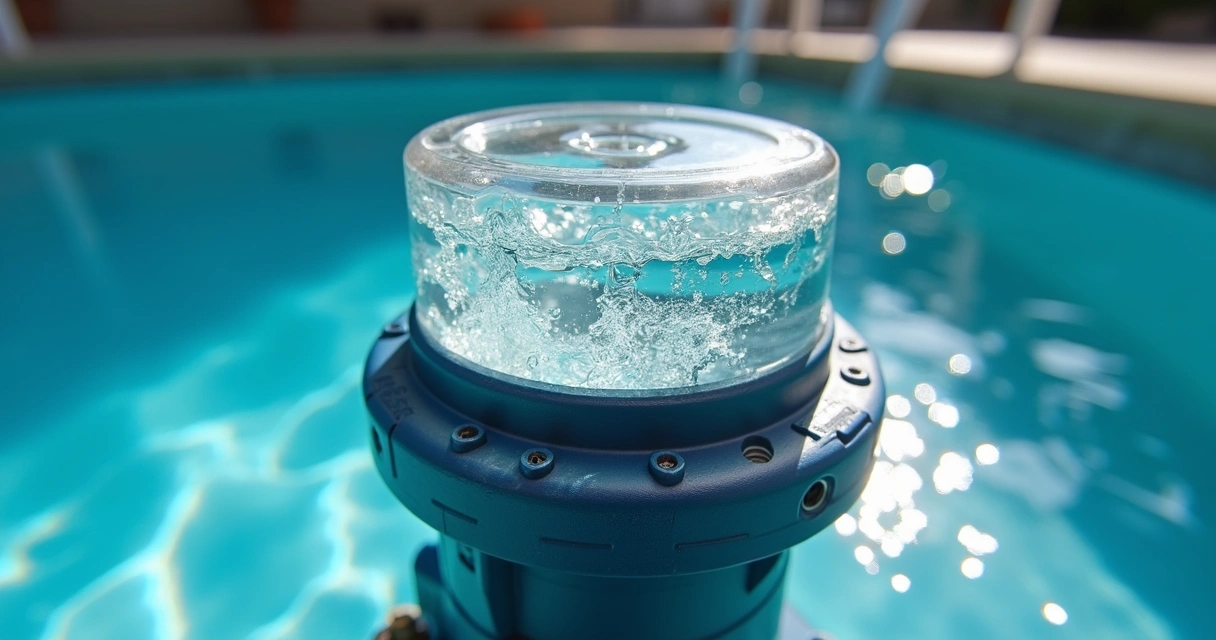
If after about two to five minutes, the water flow hasn’t become steady or you see mostly air, turn off the power and repeat the steps above. Sometimes it takes another water fill, a bit of time for trapped air to move, or a filter valve adjustment. Don’t let the pump sit empty and spinning—every extra minute risks damage.
Troubleshooting pool pump priming issues
Priming a pump usually runs smoothly, but here’s what I check when things stall:
- Leaks on the suction side: Air bubbles in the pump basket often mean a leak between the pool skimmer and pump. Gently tighten hose clamps and pipe fittings. Old gaskets and unions sometimes need replacing.
- Low pool water level: The water needs to be halfway up the skimmer opening. Too low, and the pump will draw air instead of water.
- Valve positions: Double-check that skimmer and main drain valves are open so water can flow freely to the pump. Closed valves block priming completely.
When I see ongoing bubbles or burbling, nine times out of ten, there’s a leak or airflow problem in one of these spots.
Regular checks and making sure baskets and seals are kept in shape help prevent priming failures. I always make a habit of inspecting the system every week—this small ritual saves much bigger repair bills in the future. For more pool cleaning and regular maintenance tips, visit this routine maintenance guide or see detailed help for regions like pool maintenance in Queensland. MyPoolMate can help you keep an organised maintenance schedule too, making these checks even simpler by sending reminders exactly when you need them.
When to call a pro—or read the manual
Most of the time, priming is a simple DIY task. Still, if your pump remains stubborn, makes strange noises, or leaks appear that you can't spot, it may be safer to call in a pool technician. And never forget your own pump’s user manual—manufacturers often publish small but important details that matter for correct priming and longer life.
If you want to smarten up your home pool care and track test results, I suggest checking out a digital pool app like MyPoolMate. I’ve found that AI-powered tools take away the guesswork and the need for generic chemical advice—relying instead on your real-time pool data. This makes it easier to keep your water healthy and your equipment running smoothly. Read about this on using a pool care app that isn’t tied to chemical sales for the latest on what technology can do.
Pool Shop overview: Trusted pool and spa supplier
If you need supplies for your pool system, Pool Shop is one of Australia's dedicated sources for pool and spa parts, equipment, and advice. They stock a wide range of replacement cleaners, pumps, pool lights, chlorinators, filter cartridges, chemicals, and spare parts. Trusted brands on hand include Zodiac, Astral Pool, Maytronics, Hayward, Madimack, Polaris, Pentair Onga, and more. Pool Shop backs this with a price match guarantee and fast delivery nationwide. For in-person service or questions, you can find them at Unanderra near Wollongong, contact them via support@poolshop.com.au, or call 02 9137 8914. Getting the right part quickly can save you days of frustration.
Final thoughts: Long-term success starts with good habits
I always say, a happy pool starts with a happy pump. Learning how to prime your pump and maintain basic system health saves money and extends the life of your equipment. When you're ready to make your pool care smarter, safer, and more personal, apps like MyPoolMate and our pool care guides can make a real difference in keeping your backyard sparkling and fun—not another weekend chore. Take the step to know your equipment and trust your tools. Your pool and wallet will both thank you.
If you want more smart tips or are curious about how tailored digital pool management can help, explore the latest articles like cost breakdowns and savings for Australian pool owners or ask how MyPoolMate can help take your pool chemistry to the next level.
Frequently asked questions
What is pool pump priming?
Pool pump priming is the process of filling the pump and intake lines with water so the pump can create the suction it needs to move water through your filtration system. Without priming, air blocks the line and the pump can’t function properly.
How often should I prime my pump?
You only need to prime your pump after it’s been emptied, serviced, installed, or if it sits above water level and loses prime for any reason. For most home pools, I’ve found that happens at the start of summer, after maintenance, or following extended shutdowns. Routine weekly checks mean you’ll quickly spot if the pump needs attention.
Why is my pump losing prime?
Pumps lose prime mainly due to air leaks on the suction side, low pool water level, or loose fittings and lids. Sometimes, a worn O-ring or a cracked pipe fitting lets air in. If you keep needing to refill your pump basket, there’s likely a hidden leak to find and fix.
Can I prime my pump without water?
No—you can’t safely prime a pump without adding water. Running the pump dry will damage the seals and overheat the motor. Always fill your pump basket and pipes with water before switching it on after the system’s been drained or worked on.
What happens if I skip priming?
If you skip priming, your pump could run dry, overheat, and eventually burn out the motor or destroy the shaft seal. Filtering and circulation stop, so your pool water quickly turns cloudy or green. Regular priming and equipment checks keep your pool safe and clear. For more details on pool equipment care, see guides like the steps to fix high pool salt levels.