
Keeping pool water clear has always been a challenge I care about solving. Through years of work with Australian residential pool owners and from my own backyard experience, I know how often problems like cloudy water, scum lines, and algae keep coming back—no matter how much chlorine or other chemicals go in. Over time, I've learned that most of these headaches don’t start with bad chlorination or filtration alone. They often begin, quietly and invisibly, with organic debris building up in the water.
Understanding where pool water issues start
When I test pool water that keeps turning cloudy or struggles to keep chlorine levels up, I almost always consider: what’s floating in here that I can’t see?
Here are the most common sources of organic debris that I observe in residential pools:
- Bather waste—oils, sweat, cosmetics, sunscreen, hair products, dead skin
- Plant debris like leaves, pollen, flower petals, twigs
- Fine soil, mulch, and fertilizer dust blown in by wind or rain
- Insects, bugs, and their remains after swimmers leave
Some of these are visible. Many vanish below the surface, breaking down into microscopic particles. And that is what makes them hard to fight without the right knowledge and support, which is how MyPoolMate grew as a project: helping pool owners find what’s really causing their problems, case by case, not by adding more chemicals blindly.
Misdiagnosis: The hidden cost of ignoring organics
You can’t solve a problem you haven’t seen.
Chlorine demand rising faster than expected? Filters clogging up, pressure gauges creeping higher every week? Cloudy water returns the day after shock treatment? In my experience, these signals are often brushed off as “low chlorine” or “bad filter”—with more of the same chemicals poured in. The cost? Wasted time, wasted money, and no lasting improvement.
Instead, what’s usually happening is simple: organic debris is quietly soaking up sanitizer and clogging your pool’s defenses, making all your regular treatments less effective.
The enzyme solution: How enzyme pool care works
So what are enzymes, and why would you add them to a pool? I get this question a lot. The answer is found in nature itself: enzymes are special proteins that break down organic matter into simple building blocks. They work gently and efficiently—making complex oils, greases, and other organics water-soluble and easy for the filtration system to remove, or small enough to leave the water through evaporation instead of clogging filters or forming scum lines.
Put simply:
- Enzymes target waste materials that chlorine wasn’t made to handle
- They prevent oils, suntan lotions, sweat, and other small debris from creating biofilm, scum, or making the water go cloudy
- They make it much easier for your sanitizer and filter to do their job, so you use fewer chemicals and get better results with less effort
What enzyme pool care solves
Once I started recommending routine enzyme treatments, I noticed some pool water problems began to disappear or happen less often. Here are a few of the classic symptoms and problems that enzymes can help with:
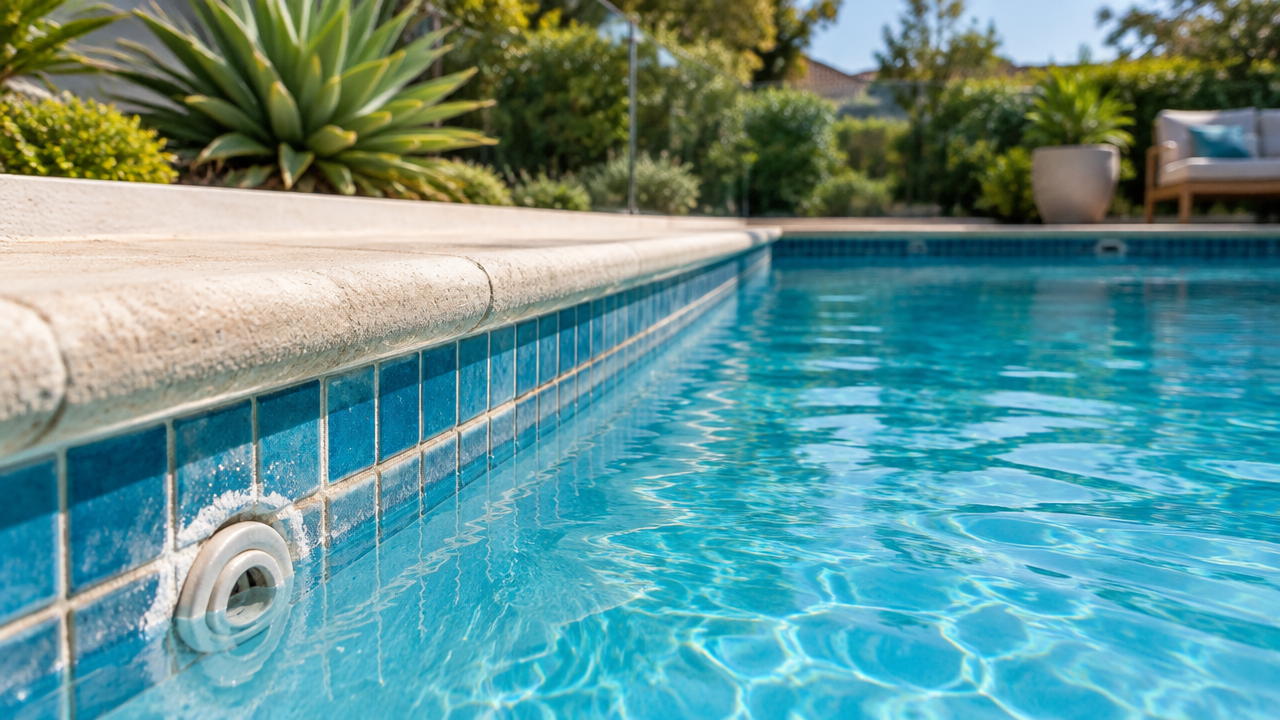
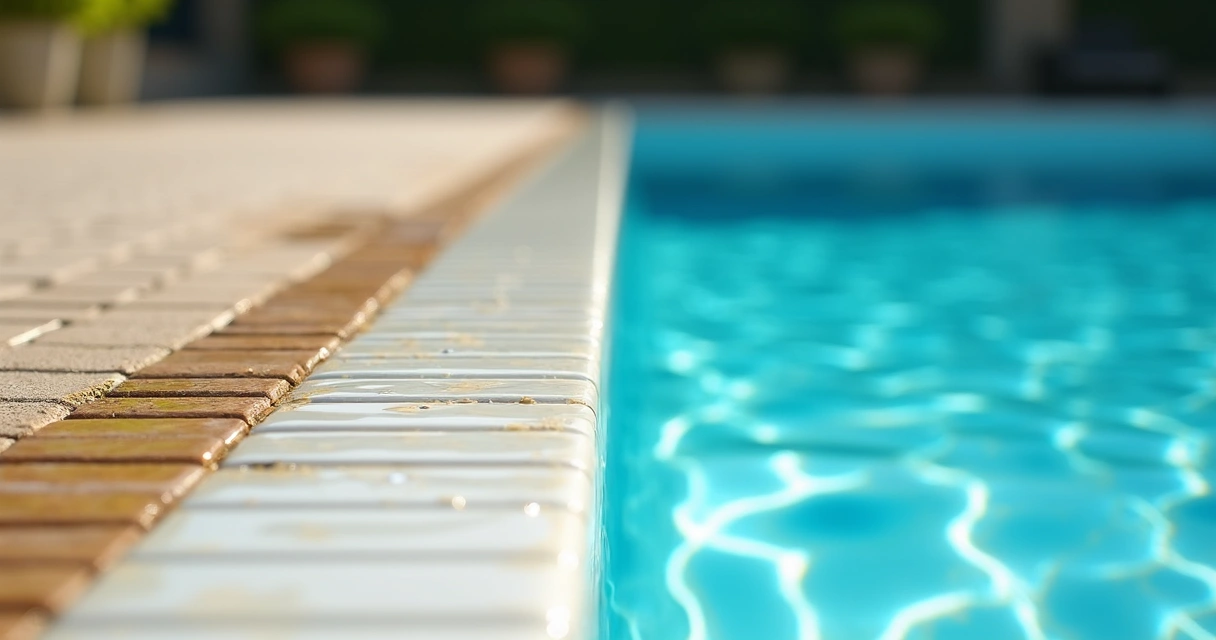
- Tile line scum: Those greasy bands just above the waterline? That's usually lotions, oils, and sweat sticking to the surface. Enzymes help break down and remove them.
- Cloudy water: When filters and chlorine can't keep up with load, water clarity suffers. Enzyme products digest the underlying waste, clearing up the water fast.
- Raised filter pressure: Clogged filters often signal organic overload. Enzyme use helps lighten the load, and filter cleaning intervals stretch out.
- Recurring black or green spots: Often mistaken for algae only, stubborn spots may be organic stains, algae, or mold. Enzymes help prevent buildup and make surface cleaning easier.
- Persistent chlorine demand: If you seem to pour sanitizer in every week and get no results, excess organics may be working against you. Enzymes reduce the “invisible” load.
Enzyme pool care also helps control categories like:
- Algae bursts after storms or heatwaves
- Water stains and scale tied to decaying organics
- Managing seasonal spikes in organic debris (spring and autumn)
Why use enzyme care routinely, not just as a rescue step
I sometimes talk to pool owners who only try enzymes when they’ve exhausted “regular” fixes. But in truth, I’ve seen that when you make enzymes a part of your ongoing maintenance routine, not only are issues prevented before they start, but maintenance itself gets simpler.
Cleaner water, fewer chemicals, longer filter life. That's the power of prevention.
Especially in busy or commercial pools, where bather load and debris entry are high, enzymes keep surfaces looking cleaner, help prevent water clarity problems, and reduce chemical use overall.
Integrating enzymes into modern pool care
Modern platforms like MyPoolMate have made it easy to spot when enzyme treatment would help, because they track your pool’s exact condition and history. By logging when cloudy water or scum lines appear, and what the seasonal changes look like, I can quickly see if persistent organic debris is likely involved.
With detailed water chemistry records and AI-powered suggestions, owners don't have to guess if enzymes are the missing link for their current water quality challenge—personalized feedback is right at hand.
What about seasonal and weather effects?
Every year I get more questions about managing pools through the wild swings of Australian weather. Heavy rain, wind, and storm debris add huge organic loads. In spring, pollen bombs pools; in autumn, leaves and dust come in fast. Relying on the right enzyme blend during these “high organic input” times makes spring openings and storm recoveries far less stressful.
Practical steps for using enzyme pool care
Here's what I usually tell anyone interested in making enzymes part of their pool maintenance routine:
- Start with a pool water test and a clean filter to get baseline results.
- Add the suggested amount of a good enzyme product based on your pool size and the issue you need to address.
- Retest water clarity and monitor filter pressure after 24-48 hours.
- If water stays clear, keep using enzymes in a preventive way, adding the recommended amount weekly or after heavy use/rain.
- Document the results or chat with a knowledgeable support team like at MyPoolMate if you want ongoing guidance.
And if you want to learn even more practical pool advice and read user experiences, there are several useful resources available, such as this water clarity guide or searching for enzyme care stories at MyPoolMate’s search hub.
Conclusion: The relief of clear, easy water
In my career and in my own pool, the greatest satisfaction comes that day when you walk out and see sparkling water—without the stress of constant testing and correcting. Enzyme pool care isn't a miracle, but it is a proven, science-backed shortcut to easier, more predictable maintenance. It prevents many persistent pool problems that aren’t fixed by chemicals alone, keeps filters running cleaner, and gives back your weekends for swimming, not fighting water issues.
Are you ready to enjoy clearer pool days ahead? The MyPoolMate platform has you covered with step-by-step, AI-driven pool care guidance. Come see how personalized, root-cause recommendations and smart maintenance support can help you experience real relief—pool water so clear, you’ll stop worrying about what’s lurking beneath the surface.
Frequently asked questions
What is enzyme pool care?
Enzyme pool care is the routine use of safe, natural proteins—called enzymes—to break down organic waste in the water so that chlorine and filters work better. These products help dissolve oils, lotions, sweat, and plant debris, preventing cloudiness, surface scum, and other persistent problems. Enzymes support chemical treatments but don’t replace them.
How do enzymes clear organic debris?
Enzymes act as biological catalysts that break down complex organic molecules—such as oils, sunscreen, dead skin, or pollen—into much smaller bits. These tiny molecules either evaporate off the pool surface or pass harmlessly through the filter for removal, rather than building up and causing water issues.
Are enzymes safe for all pools?
Yes, quality pool enzyme products are designed for use in all standard residential and commercial pools, regardless of surface finish, sanitizer, or filtration type. They’re safe alongside chlorine, salt, or mineral systems, and don’t harm people or pets when used as directed.
How often should I use pool enzymes?
For best results, I recommend adding enzymes as part of weekly maintenance, especially during hot weather, heavy use, or after storms. Many pool owners also dose after vacuuming or shock treatments to help clear up stubborn organics. Routine, not occasional, use brings the best outcomes.
Do enzyme treatments prevent cloudy water?
Enzyme treatments address the underlying cause of many cloudy water incidents by digesting the invisible waste that makes it hard for chlorine to keep up. While enzymes don’t solve every cause of cloudiness (such as high metals or severe algae blooms), they are highly effective against organic debris-driven clarity problems.