
If you’ve ever felt like your pool water stings more than usual or that your skin is dry long after a swim, you might be facing high salt levels in your pool. I know the frustration this can cause, especially when you meant well by adding salt, only to overshoot the perfect balance. I've seen countless pool owners, especially those new to salt water chlorinators, face this problem right after installing a new system or just topping up without double-checking. Let me walk you through a step-by-step process to spot, test, and fix high salt in your pool with confidence.
Understanding salt water pools and high salt problems
First things first: how does salt even work in your pool? Salt water chlorinators are clever devices. You pour ordinary pool salt into your water, and the chlorinator passes the salt water through electrically charged plates. This splits the salt (sodium chloride) and creates chlorine, which disinfects your pool. Once it’s done the job, it recombines back into salt. It’s a closed loop, so the salt level doesn’t drop unless water leaves the pool.
Salt does not evaporate. It only leaves your pool if water is splashed out, drained or leaks away.
But there’s a real catch: if you accidentally add too much salt—maybe when installing a new chlorinator or just topping up after rain—your pool system won’t just “use up” the excess. The salt stays. High salt levels can damage equipment, trigger warning lights, and make swimming less comfortable.
I always remind fellow owners that too much salt is just as bad as too little. If you want more background about types of chlorinators and how they work, you can read about pool chlorinator mistakes and types in detail.
Why accurate salt testing matters
I have seen people pour salt straight from the bag and guess at the right amount, hoping their built-in salt indicator is telling the truth. But those indicators can be wrong if your salt cell is dirty or the wires are aging. Salt water test strips give you a much more reliable reading. But even strips can be thrown off if you don’t sample the pool water correctly. Topping up first is something many miss.
Getting your pool ready to test
-
First, check your pool’s water level. If it's lower than normal, fill it back up to its intended line.
-
After topping up, run your pool pump for at least a full cycle, or ideally, a whole day. This fully mixes the water and distributes the new, fresh water you added.
Don’t cut corners. Testing before the water has fully circulated will lead to wrong results.
How to test for salt correctly
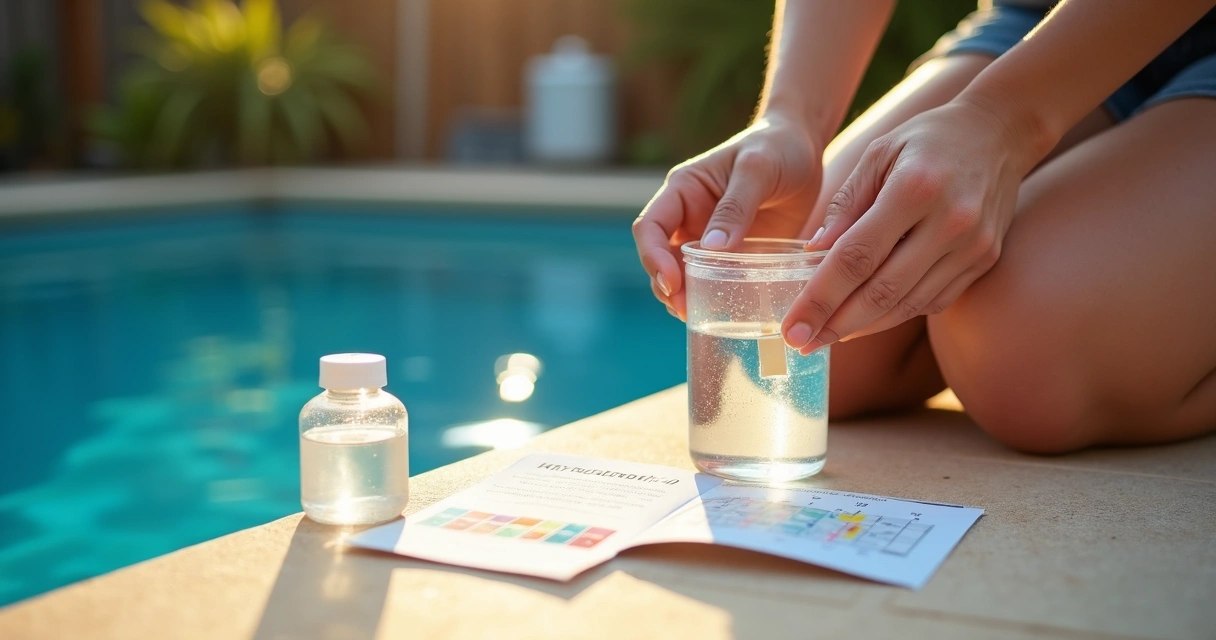
Once everything’s mixed, grab your salt water test strips and follow this process:
-
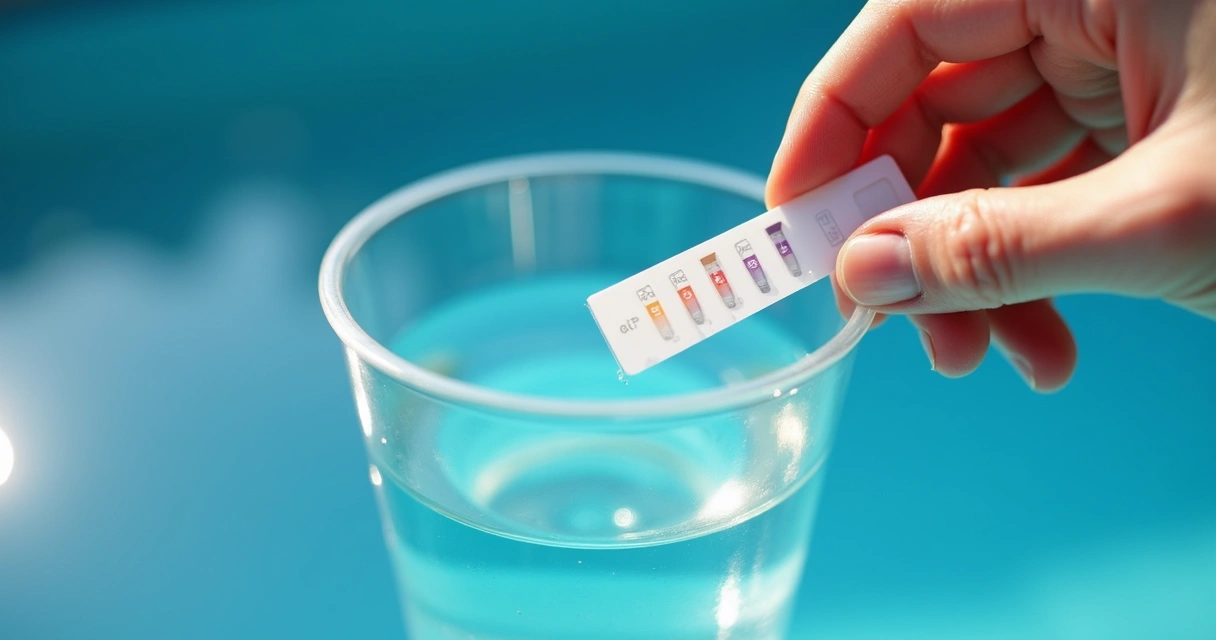
Take a clean container and dip it about a hand’s depth into the pool, away from inlets, returns or the surface.
-
Put the end of the test strip in this water sample, making sure you only wet the reactive part at the bottom.
-
Wait for five full minutes. This seems like forever, but it’s important for accuracy.
-
Compare your test strip’s color to the chart provided in the pack. You’ll get a salt reading in parts per million (PPM).
Write down your result—I like to keep a notebook, but MyPoolMate also lets you store water tests easily and even graphs it out, so you spot trends faster. If you're aiming for better tracking and customized ranges, using a digital tool can make it less likely you’ll repeat mistakes.
What should my pool salt level be?
This is the question I hear most. There isn’t a fixed “correct” level for every pool. All chlorinators have their own sweet spot, usually between 2,500 and 3,500 PPM. For example, Water TechniX Atomic chlorinators work within this range. Always check your unit's manual to find the target for your specific model. If your number is over the recommended maximum, it’s time to take action.
If you have high salt, what next?
The only reliable way to lower salt in your pool is to remove some water and replace it with fresh water. Adding chemicals or letting it “sit” will not lower salt levels—salt molecules stay behind when water evaporates. I remember the first time I made this mistake: I waited weeks before realizing nothing would change until I pumped some water out.
First, you’ll need to know your pool’s volume. If you don’t have it handy, tools like a pool volume calculator (available on various guides online) will make it quick. Here’s a step-by-step formula that works for every pool:
-
Take your current salt reading (PPM) and divide it by your target (the recommended max for your chlorinator).
-
Subtract 1 from this number.
-
Multiply the result by the total pool volume. That’s how much water you should drain and refill.
For a clear example: If your pool measures 40,000 liters, your salt test reads 4,500 PPM, and your target is 3,500 PPM, here’s how it looks:
-
4,500 divided by 3,500 = 1.29
-
1.29 minus 1 = 0.29
-
0.29 x 40,000 L = 11,600 liters to remove and then refill
If your pool is less than 500 PPM above target, you might be able to ignore it for now, but any bigger gap will need attention.
How to remove pool water safely
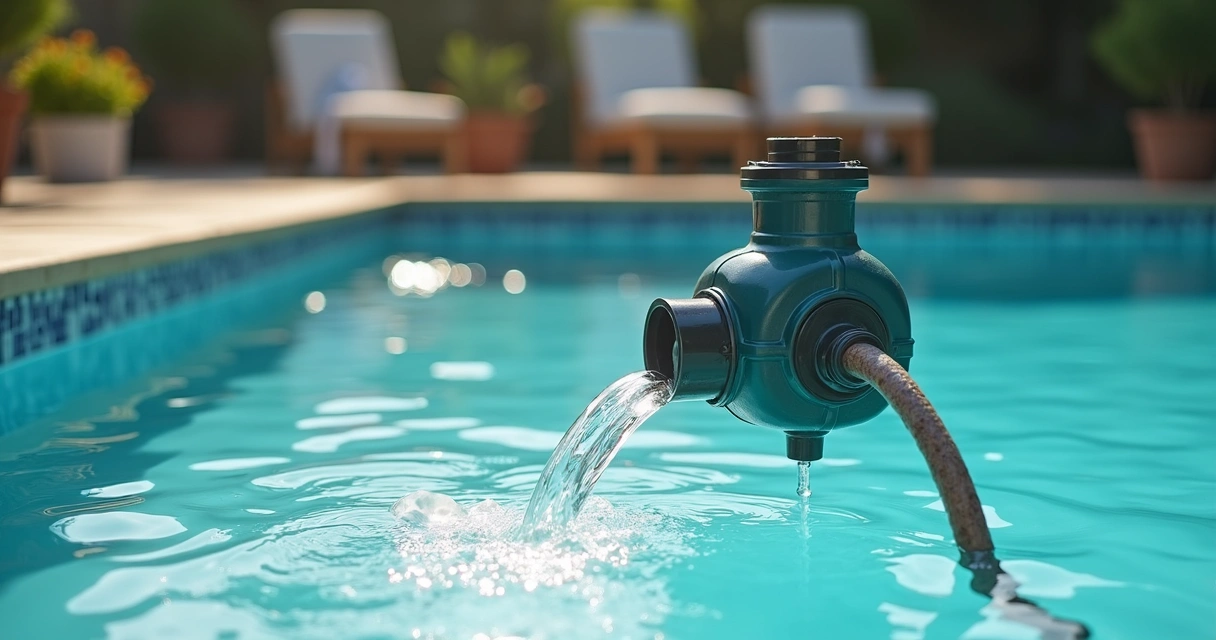
Here’s a tip I wish someone told me earlier: don’t use your pool pump to drain large volumes. This will run it dry when water falls below the skimmer and risks burning out your pump motor. Instead, you have safer options:
-
Submersible pump: Lower a heavy-duty pump into the pool. Usually found at hire shops or pool supplies, but can be costly.
-
Venturi pump: The safer and budget-friendly approach. Attach to your garden hose, and it uses tap water’s pressure to draw pool water out. These remove just over 3,000 liters per hour.
For the 11,600-liter example, a venturi pump will take just under four hours to finish the job.
Once water has drained, top up with fresh tap water and immediately run your pool pump again. This mixes everything before you retest.
For even more troubleshooting tips on salt chlorinators, common issues, and fixes, take a look at this detailed salt water chlorinator troubleshooting guide.
Keeping your salt balanced long-term
One thing I’ve learned is that mistakes happen, but keeping a log helps. Input every test in a notebook, or even better, use an app like MyPoolMate to track water chemistry over time. This way, you’ll start seeing trends before there’s a big problem. It’s handy to have reminders to test, track, and get advice based on your unique pool and weather—something I wish I’d started from day one.
If you’re interested in more chemistry tips and solutions to common pool water problems (like enzymes for organic debris), the pool chemistry how-tos collection is packed with answers.
Why proper pool care matters
A balanced pool is safer, lasts longer, and is simply more pleasant to use. Ignoring high salt can shorten equipment life and quickly turn a pool from a joy into a headache. Taking ten minutes to check salt levels, drain, and refill as needed pays off fast.
For specific walkthroughs on maintaining or adjusting various chlorinator settings, including the Axis series, there’s a straightforward guide at Axis salt chlorinator step-by-step help. And if organic debris is making your water cloudy or unpredictable, enzymes and pool cleaning strategies might help solve stubborn issues that aren’t chemical in nature.
Conclusion: Keep pool salt just right and enjoy peace of mind
Staying on top of salt levels lets you focus on what matters—swimming, relaxing, and not worrying about damage to expensive gear or itchy skin. I believe any pool owner can test, drain, and refill the right way as long as the steps are clear. Log your results, check your manual, and you’ll never have to guess again. If you’re keen to save money and get regular DIY tips, I invite you to join the MyPoolMate Pool Club. You'll get access to expert savings, news, and instructions you can trust—unsubscribe whenever you want, no hard feelings. That’s how I’d want it if I were in your flip-flops.
FAQs about salt levels in pools
What causes high salt levels in pools?
The most common causes of high salt in pools are adding too much pool salt during top-up, inaccurate measurement of pool volume, or installation/setup errors with new chlorinators. Sometimes, after heavy rain or refills, people estimate the salt needed rather than test, resulting in excess salt left in the water. Salt stays unless physically removed, so repeated overfilling will quickly push your levels above the recommended range.
How do I lower pool salt levels?
The only way to lower salt is to partially drain and refill your pool with fresh water. Measure your current salt, check your chlorinator’s range, calculate how much water to remove, then drain using a submersible or venturi pump. Top up with clean water, circulate, and test again to confirm the new level. No chemicals can “break down” or evaporate salt.
What is the ideal pool salt level?
The ideal range depends on your chlorinator. Most units work best at 2,500–3,500 PPM (parts per million). You should always check your chlorinator’s manual for the specific requirement. Too little or too much salt both cause performance issues.
How often should I test pool salt?
Testing every month is a good minimum for most salt water pool owners. If you’ve just done a large water change, or after heavy storms, retest immediately. Regular logs help catch small issues before they become costly problems.
Can high salt damage my pool equipment?
Yes, running a pool with high salt can corrode metals, shorten the life of your salt cell, and harm chlorinator components. That’s another reason why routine testing and adjustment are so valuable for every pool owner.