
Hot tubs offer relaxation, comfort, and even therapeutic benefits when kept in good shape. Over the years, I’ve talked to dozens of owners about what it takes to keep water sparkling, safe, and enjoyable week after week. In this guide, I’ll share my experience with daily, weekly, and seasonal routines that help stop headaches before they start, as well as how modern technology, like MyPoolMate, is reshaping water care for the better.
Why regular hot tub care matters
First, let me share what I’ve come to believe: Neglected hot tub water isn’t just unpleasant—it’s a risk to both your enjoyment and your health. Unbalanced chemistry lets germs thrive, damaging equipment and causing cloudy, smelly water. Proper routines extend your investment’s life, conserve chemicals, and keep every soak as inviting as your first.
Australian hot tub owners face unique climate swings, with soaring summer temperatures and cool winters. Each season brings its challenges for balancing sanitation and user comfort. That’s why an approach tailored to your actual usage, the materials of your tub, and its local environment, works better than generic advice from a retail store or random online calculator.
Even among friends and family, I’ve seen the disappointment when a hot tub turns cloudy, or they run into skin irritation after a soak. Fortunately, with regular attention and science-based guidelines—bolstered by smart tools like those on MyPoolMate—anyone can turn maintenance from a chore into an almost automatic habit.
Getting to know your hot tub
Before you start any care routine, it helps to understand the unique aspects of your tub. Volume, surface material, water source, sanitiser choice, and other factors all have a big impact on what your routine should be. Here’s how I break it down when helping a new owner decide what steps matter for them:
- Volume: The amount of water has a direct effect on chemical dosing and dilution from bather load.
- Surface Material: Acrylic, vinyl, fiberglass, and wood all react differently to treatment and cleaning methods.
- Water Source: Town water, tank water, or bore water each bring their own minerals and possible contaminants.
- Sanitiser Type: Chlorine, bromine, hydrogen peroxide, salt water, or mineral systems.
- Heating Method: Electric, gas, solar, or heat pump affect efficiency and sometimes water chemistry.
- Covers and Enclosures: These can help reduce evaporation, keep debris out, and lower heating and chemical usage.
Recording these details in an app like MyPoolMate helps fine-tune both regular monitoring and troubleshooting. I’ve found that keeping a photographic gallery, along with these details, helps track changes in appearance and surface condition, something easy to overlook month to month.
Daily and weekly tasks: The foundation of great hot tub care
Consistency makes all the difference. With just a few minutes of daily and weekly care, you’ll avoid nearly all the “problem” scenarios that destroy enjoyment. Here’s the core of my routine, adjusted from years of personal and professional poolside experience:
Daily hot tub routines
- Check water clarity and odour.
If the water ever looks cloudy, has foam on top, or smells “off,” there’s a reason. That first sniff or glance is like your early-warning system. Take action before using the tub whenever you see something odd.
- Test sanitiser levels.
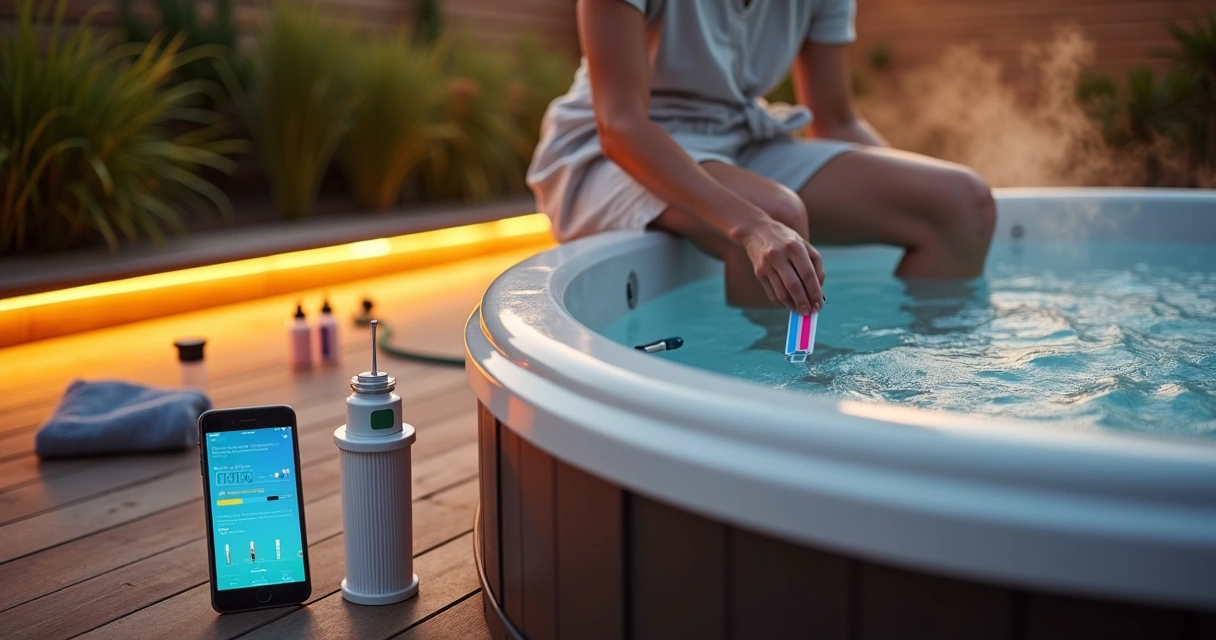
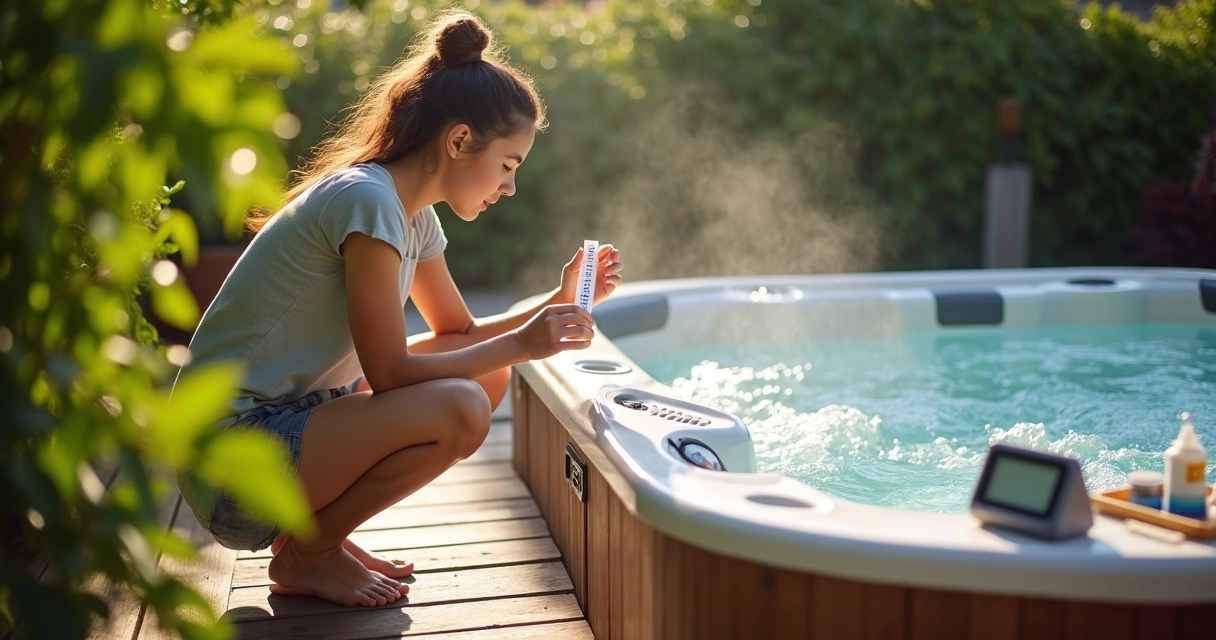
Quickly check chlorine or bromine with a strip or digital tester. Adjust as needed to stay within the target range: CDC guidelines recommend 3–10 ppm for chlorine, 4–8 ppm for bromine in hot tubs (CDC recommends keeping hot tub pH between 7.0 and 7.8 and a free chlorine concentration of at least 3 ppm to rapidly inactivate most pathogens).
- Replace or remove the cover.
Keep your hot tub covered when not in use—this slows evaporation, keeps heat in, and blocks debris. Regularly dry and air the cover to stop mould growth inside.
Most days, that’s it! Ten minutes prevent trouble.
Weekly steps for reliability
- Full water chemistry test.
Besides sanitiser, check pH, total alkalinity, and calcium hardness. Record levels for trend spotting. A digital tool or app, such as MyPoolMate, handles record-keeping and charting for you, making it easy to spot issues before they escalate.
- Shock treatment.
Add a non-chlorine shock or an oxidiser to break down organic residue from sweat, skin cells, and oils. This keeps water clear and sanitiser working efficiently. Shocking is especially important after heavy use.
- Wipe down surfaces above the water line.
Use a soft cloth and a specially formulated hot tub cleaner to stop oily buildup and scale on the shell or cover.
- Clean the filter.
Rinse the filter cartridge with a hose, and spray between pleats. Avoid high-pressure washing, which can damage the filter’s fibers.
A disciplined routine catches small problems when they’re easy to fix, not after they become a headache.
Seasonal and monthly steps
Some things only need attention every few weeks or as seasons change. In my experience, setting monthly reminders or linking them to the hot tub’s deepest cleans makes it easy not to forget:
- Deep clean the filter.
Every two to four weeks, soak the filter in a proper cleaning solution to remove grease and fine debris. Filters that stay dirty can’t do their job, leading to cloudy or smelly water.
- Inspect jets, lights, and covers.
Look for scale, buildup, or cracks. Keep an eye out for slow leaks under the skirt. Early repair saves money and trouble.
- Flush plumbing lines before draining.
Run a pipe cleaner product through the channels every three months, right before a water change. This stops biofilm and bacteria from hiding out where they’re tough to remove later.
During spring, summer, and autumn—when bathing frequency rises—water needs closer tracking, and dosing may need adjusting. Winter care is about keeping the water balanced, circulation running, and protecting parts from cold or frost if you live in a chilly area.
Understanding water chemistry for a safe soak
Even for someone with years of experience, the “science feeling” never really goes away when I look at the test readings. Here, accuracy matters for both health and comfort. Every hot tub—no matter the type—relies on a balance of pH, alkalinity, calcium hardness, and an active sanitiser. Let’s break these down:
PH balance: Why the right range matters
Keeping hot tub pH between 7.0 and 7.8 helps sanitiser effectiveness, comfort, and stops corrosion or scaling. (CDC recommends keeping hot tub pH between 7.0 and 7.8 and a free chlorine concentration of at least 3 ppm to rapidly inactivate most pathogens.)
- Low pH (below 7.0): Water becomes acidic, making it uncomfortable for skin and eyes and accelerating corrosion to metal parts and heating elements.
- High pH (above 7.8): Reduces sanitiser’s power and encourages scale deposits on surfaces and in plumbing.
I find adjusting pH in small increments—waiting an hour before retesting—prevents swings. pH decreasers (sodium bisulfate) or increasers (sodium carbonate) are easy to use, but check your tub’s manual or trusted app for dosing based on volume and actual readings.
Total alkalinity: The pH buffer
Alkalinity stabilises pH, acting as a buffer against wild swings when other chemicals are added.
Ideal range sits at about 80–120 ppm. Too low, and pH moves easily. Too high, and it’s tough to shift pH, plus scaling becomes more likely. Baking soda (sodium bicarbonate) is the usual increaser. Regularly cross-checking with a log in a tool like MyPoolMate avoids stubborn problems later on.
Calcium hardness: Protecting surfaces
Hot tubs need a minimum calcium level to protect against corrosion and prevent etching or foaming.
Target range: 150–250 ppm in most tubs. If your source water is soft, a calcium hardness increaser adds minerals. High calcium, common in some Australian regions, is managed by partial drains and refills with lower-calcium water.
Sanitiser: Keeping bacteria and algae in check
Sanitisers kill bacteria, viruses, and algae—your first line of defence against unsafe water.
- Chlorine: Reliable, acts quickly, and widely available. Aim for 3–10 ppm, as recommended by CDC guidelines for hot tub rash prevention.
- Bromine: More stable at high temperatures, less odour, works well for sensitive skin. Maintain 4–8 ppm.
- Saltwater systems: Produce chlorine on-site from salt, with a different “feel” on the skin and lower ongoing costs, but still require testing and adjustments.
- Non-chlorine sanitisers (like biguanide or hydrogen peroxide): An option for those with allergies, but still must be paired with regular oxidising/shocking.
Follow your tub’s specific needs. Don’t overdo it—more isn’t always better. I always warn fellow owners that high sanitiser levels can damage covers, pillows, and other sensitive materials.
Hot tub water testing: Doing it right
Frequent, accurate testing is the secret weapon in water care. At first, the process feels fiddly, but with practice (and simple habit-building through reminders or smart apps), it becomes effortless.
- Test strips: Fast, easy, and helpful for a daily check-in. Dip, wait, and read colours. Good enough for sanitizer and pH.
- Liquid reagents: More precise, best for weekly tests. Allow for finer adjustment and for diagnosing tricky issues like persistent cloudiness.
- Digital testers and smart tools: Take the guesswork out, upload directly to platforms like MyPoolMate, and track trends across time.
Testing after heavy use or rainfall is smart—large swings in water balance can happen after big parties or storms.
Choosing and dosing sanitisers: What I’ve learned
Over the years, I’ve experimented with both chlorine and bromine, used saltwater converters, and seen the hype over “natural” or enzyme systems. There’s no one-size-fits-all, but sticking to established guidelines gives consistently good results.
- Chlorine:
- Granules or slow-dissolving tabs are most common. Always dissolve granules in water before adding, to avoid bleaching the shell.
- Aim for 3–10 ppm after dosing. For start-up, add a little at a time and test until the desired level is achieved.
- Bromine:
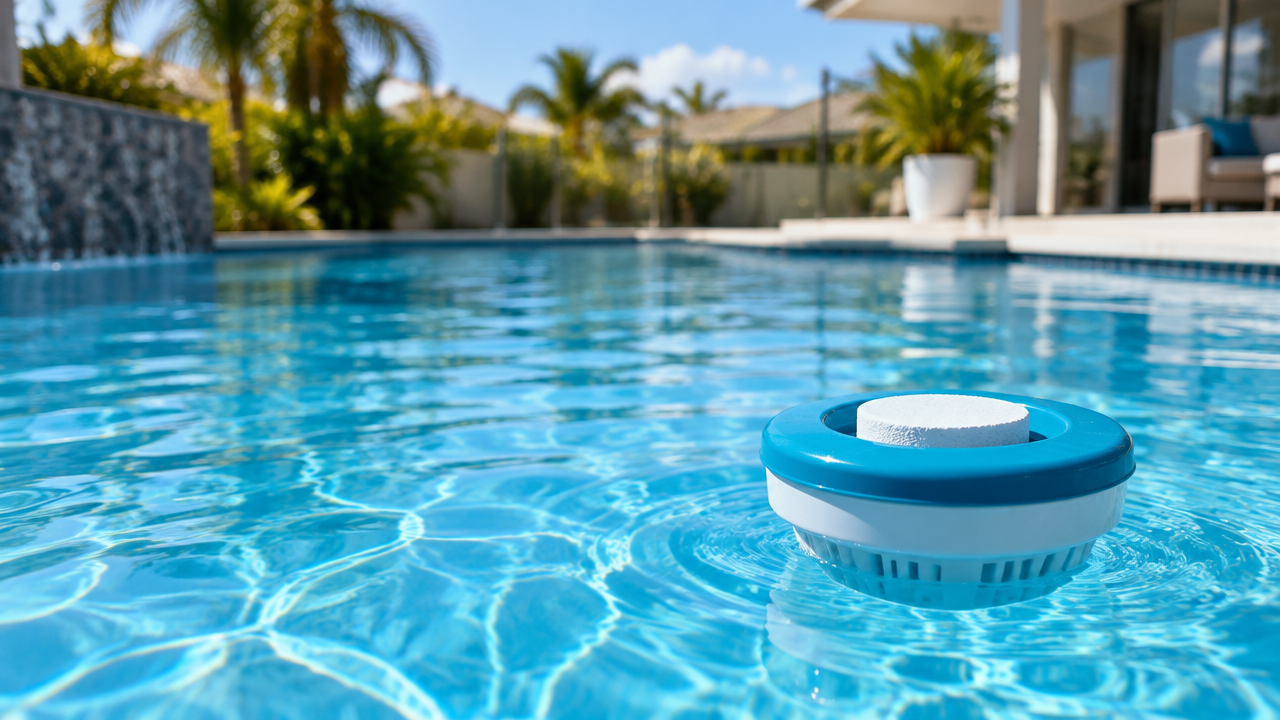
- Tablets in a floating dispenser or built-in feeder.
- Maintain a steady 4–8 ppm. These residuals handle the higher temperatures and bather loads typical of hot tubs (To prevent hot tub rash, the CDC suggests maintaining free chlorine at or above 3 ppm and pH in the 7.0–7.8 range).
- Saltwater:
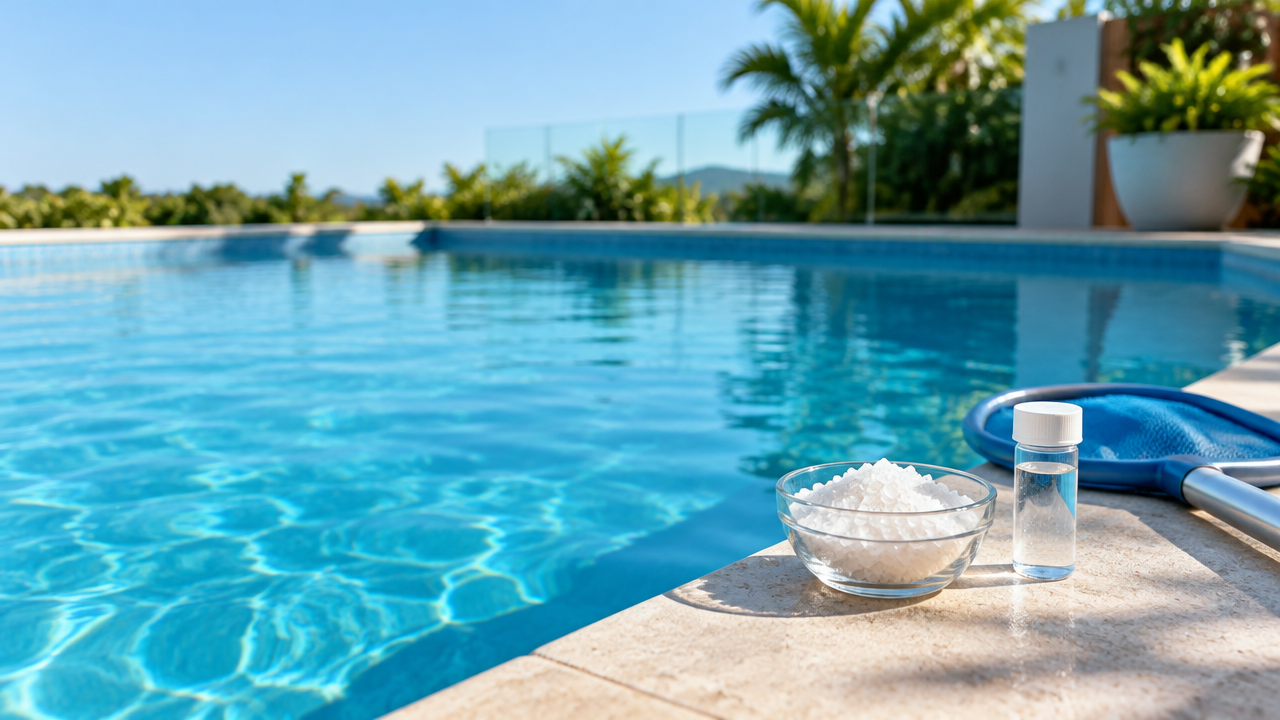
- Salt is dissolved in the tub (typically 2000–3000 ppm depending on the manufacturer) and a generator converts it to free chlorine.
- Still requires periodic manual testing of salt, pH, and chlorine output.
For wood-fired tubs or those with rare coating materials, I always check chemical compatibility to avoid damage. Ingredient lists and consulting with a qualified expert are helpful if you suspect your system is different from most plastic or fiberglass models.
Making sense of shocking and oxidising
Hot tub “shock” treatments rely on oxidisers (chlorine, non-chlorine, or hydrogen peroxide) to destroy organic contaminants left over by bathers and environmental debris. I use them every week and after particularly heavy use. Non-chlorine shocks clear up water without raising chlorine or bromine to irritating levels.
Consistent shocking restores water clarity and removes odours.
It’s also helpful to shock after thunderstorms or when tubs have been left unused for a while, to break down invisible contaminants that sap sanitiser levels.
Filter cleaning and circulation: Don’t skip this part
Even the best water chemistry falls apart if your filter isn’t catching dirt, oils, and debris. Dirty filters lead to cloudy water, clogged plumbing, and stalled pumps—and reduce the effectiveness of any chemical you add.
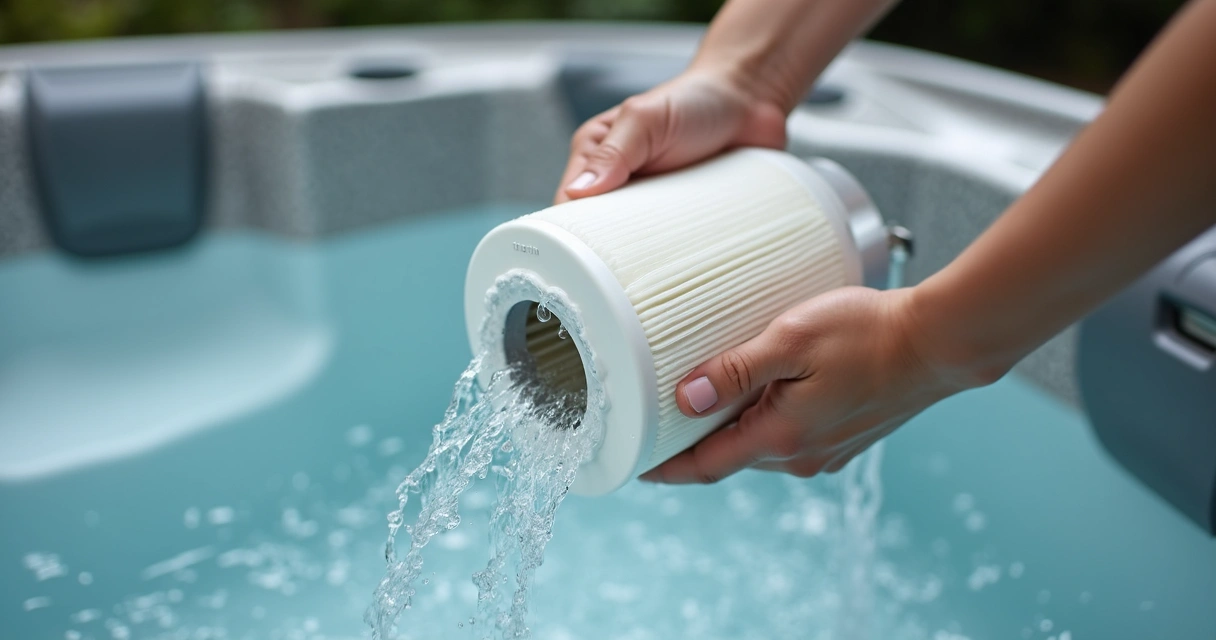
- Rinse filters every week (or more often for heavy use).
Use a garden hose with moderate pressure. Never use a pressure washer, or you risk tearing the filter fibers and ruining it.
- Deep clean monthly.
Soak in a specialist cleaning solution (never household soap) to dissolve grease and trapped organic matter.
- Replace annually or as needed.
If the filter never comes fully clean or keeps clogging quickly, it’s likely due for replacement.
Each hot tub is a bit different, so always check the manufacturer’s cleaning methods. For salt or mineral systems, use only approved cleaner types to avoid damaging special coatings or sensors.
Changing the water: Why, when, and how
No matter how attentive you are, hot tub water eventually “wears out” and must be replaced to stay fresh and safe.
Most hot tubs do best with a complete drain and refill every three to four months. Heavy use, frequent parties, or lots of children and pets may need a slightly faster schedule. Tubs running on rainwater or tank water can build up dissolved minerals and organics much quicker.
Stale water can’t be fixed by chemicals alone. Starting fresh gives you a clean slate for the next season.
Before a full change, run a plumbing flush to remove biofilms. After draining, scrub the shell gently, rinse, and check jets and suctions for debris or visible buildup. Always refill with cold water, and avoid refilling straight from a hot tap as high-temperature water can alter chemical balance during start-up.
Solving common problems: Cloudy water, foam, and odours
Despite best efforts, even experienced owners encounter issues at times. Cloudy water, persistent foam, or bad smells signal an imbalance. Here’s how I address the most frequent scenarios:
Cloudy water
- Check filter and circulation first. Dirty, worn, or improperly seated filters are the usual culprits.
- Test and adjust pH, alkalinity, and sanitiser. Low or high levels impede clarity.
- Shock the tub and clean surfaces. If the issue lingers, consider an enzyme clarifier (see our article on enzyme pool care) to target persistent organic debris.
Foam on the surface
- Caused by soaps, lotions, hair products, or high concentrations of dissolved organics.
- Remedy: Scoop out persistent foam, shock the water, and increase filtration cycles for a short period.
- Prevention: Shower before using the tub and avoid adding extra chemicals beyond what water balance requires.
Bad smells (musty or chemical-like)
- Musty scents suggest bacterial buildup. Immediate high-level shocking and filter cleaning are needed.
- Sharp or “chlorine” odours often signal combined chlorine (chloramines), not excessive sanitizer. Shock to convert combined chlorine back to free, active form.
Special care for wood-fired and saltwater hot tubs
Older-style wood hot tubs—or new ones using traditional craftsmanship—have separate water chemistry needs. Wood naturally absorbs and releases water, so mineral levels and pH can swing more widely, and sanitiser choices may be limited by compatibility.
- Monitor pH and hardness closely. Swings happen faster in wood tubs due to the organic surfaces involved.
- Use lower dosages and frequent water changes. To protect the wood from chemical damage, swap water more regularly.
- Saltwater in wood/fiberglass combos: Confirm with your manufacturer that seals and heaters are salt-resistant before switching.
Saltwater tubs (glass, plastic, or fibreglass) are easier on the skin and require similar diligence with regular chemistry checks. Even with self-generating chlorine, you need to check both salt and chlorine levels to avoid false confidence.
The benefit of personalised treatment plans and smart tools
One change I’ve seen over the last few years is the influence of digital tools and AI assistants in water care. Manual logs and checklists help, but forgetful moments still happen. That’s where smart monitoring systems—like MyPoolMate—truly shift what’s possible for busy owners.
Automation isn’t just convenience; it’s precise, reliable water safety.
- Test result uploads: Log results with your phone or input data to keep track over time, avoiding duplicate testing or blind spots.
- Root-cause analysis: AI compares shifts in readings with use patterns, weather, and previous issues to head off trouble, instead of just prescribing more chemicals.
- Personalised dosing: Dosages are calculated based on your actual tub and water profile—not just generic guidelines—saving money and stopping waste.
- Smart reminders: Automated notifications mean you’re never late on filter cleaning, shocking, or a water change.
- Professional collaboration: Tubs managed by a team or technician can be shared with accurate records and permissions—making sure care is never interrupted if you’re away.
The relief I’ve seen in owners who switched from guesswork to guided plans is real. You can try these approaches (and see our insights on maintenance routines or read tips specific to local climates in areas like Queensland) to judge for yourself.
Maintenance schedules: Save money, extend equipment life
Making a calendar is simple. I tell friends: if you can stick a magnet on your fridge, you can nail hot tub scheduling. Routine care keeps filters, heating elements, and pumps working years longer and reduces chemical requirements by up to 25% according to industry breakdowns (see our analysis of maintenance cost and smart savings here).
- Daily: Check clarity and sanitizer.
- Weekly: Test full chemistry, clean filter, wipe down surfaces, shock water.
- Monthly: Deep-clean filter, inspect jets, flush lines as necessary.
- Quarterly: Drain, scrub, and refill water, run plumbing flush.
Templates and automation shared by platforms like MyPoolMate make this process automatic, with adjustments for your tub’s specific needs, changing seasons, and usage spikes.
Enzyme, oxidiser, and “natural” options
Enzyme cleaners and non-chlorine oxidizers sometimes get hyped online. I’ve written about their use for persistent organic debris here.
- Enzymes: Helpful for breaking down oils and organics. These aren’t replacements for sanitiser, but solve issues like scum lines and lingering odours without adding too much chlorine.
- Non-chlorine shocks: Polishes water, especially for users sensitive to strong chemicals. Still, always monitor residuals, as oxidisers alone don’t protect against bacteria.
I always say these products are additions—not replacements—for a solid chemical foundation.
How modern tools change the owner’s life
If you’re like me, life is busy. Manual logbooks went out of fashion for a reason. Smartphone apps and AI-powered platforms like MyPoolMate bring the following benefits:
- Tailored reminders for your tub, not generic lists;
- Machine learning looks for patterns, spotting degrading water quality before it’s visible;
- Personalised troubleshooting chat assistants handle your specific water, hardware, and history.
That’s why I suggest looking for intelligent tools, especially as your work and family schedule gets fuller. If you want to read more about the value of smart software in pool and spa care, see my notes on apps that don’t overprescribe chemicals.
Conclusion: Consistency and smart help make all the difference
I’ve seen too many great hot tubs sidelined by preventable issues. With a simple daily glance, weekly testing, seasonal deep cleans, and support from technology that adapts to your needs, water care becomes routine, not a chore.
Modern solutions—especially ones like MyPoolMate—ensure you’re never alone or in the dark about what your water needs. No guesswork, fewer wasted chemicals, and more time spent enjoying (not fixing) your home retreat. Your next step is to make it personal—track your own tub, your own schedule, and use tools designed for the way you want to live. If you’re ready to see what true intelligence and tailored plans look like, try MyPoolMate for a season, and experience the relaxation that comes with genuine peace of mind.
Frequently asked questions
What is the best way to clean a hot tub?
The optimal cleaning method involves draining the tub, gently scrubbing with a non-abrasive spa cleaner, and rinsing thoroughly before refill. Regularly clean surfaces above the water line every week, deep-clean filter cartridges monthly, and use dedicated plumbing flush treatments before each full water change. Stay away from regular household cleaners, as they may damage finishes or upset water chemistry.
How often should I change hot tub water?
Most hot tubs benefit from a complete drain and refill every three to four months. Change water sooner if you notice persistent odours, cloudiness that won’t clear up, or after periods of unusually heavy use. Frequent bathing, kids, and pets using the tub may require even quicker intervals.
Which chemicals are essential for hot tub care?
The key chemicals are sanitiser (chlorine, bromine, or other approved types), pH adjusters, alkalinity increaser, and calcium hardness increaser. You’ll also need an oxidising/shock product and a non-abrasive, spa-specific cleaner for surfaces. Special systems (like saltwater) demand salt and sometimes scale control agents. Always base dosages on actual test results and water volume.
How can I prevent hot tub algae?
Maintaining proper sanitiser levels and balanced pH are the strongest defences against algae in hot tubs. Keep chlorine at 3–10 ppm or bromine at 4–8 ppm, and pH between 7.0 and 7.8. Shock the water weekly and after heavy use. Regularly clean the filter, surfaces, and plumbing to remove any organic material where algae might grow. Using a good cover when not in use also helps block debris and sunlight, further reducing algae risk.
Is professional hot tub maintenance worth it?
Professional servicing can be useful for time-poor owners or for addressing complex equipment problems, but most regular maintenance is easily managed with good schedules and digital tracking tools. With smart support—like what MyPoolMate offers—owners can handle 95% of tasks themselves, resorting to technicians only for deep repairs or system upgrades.