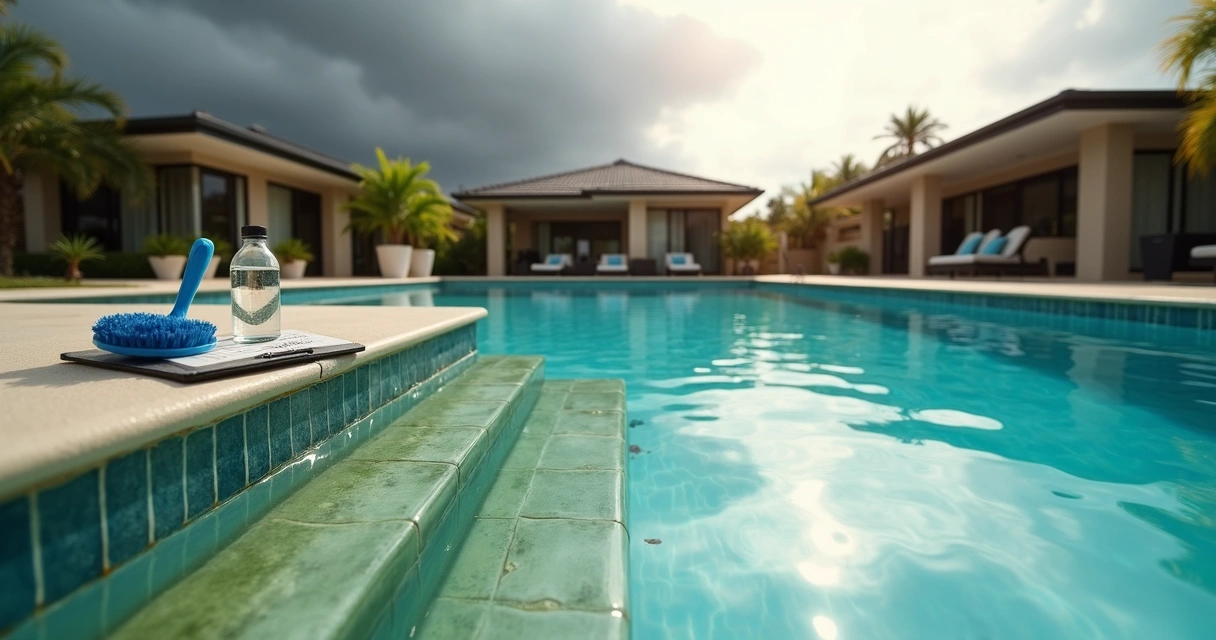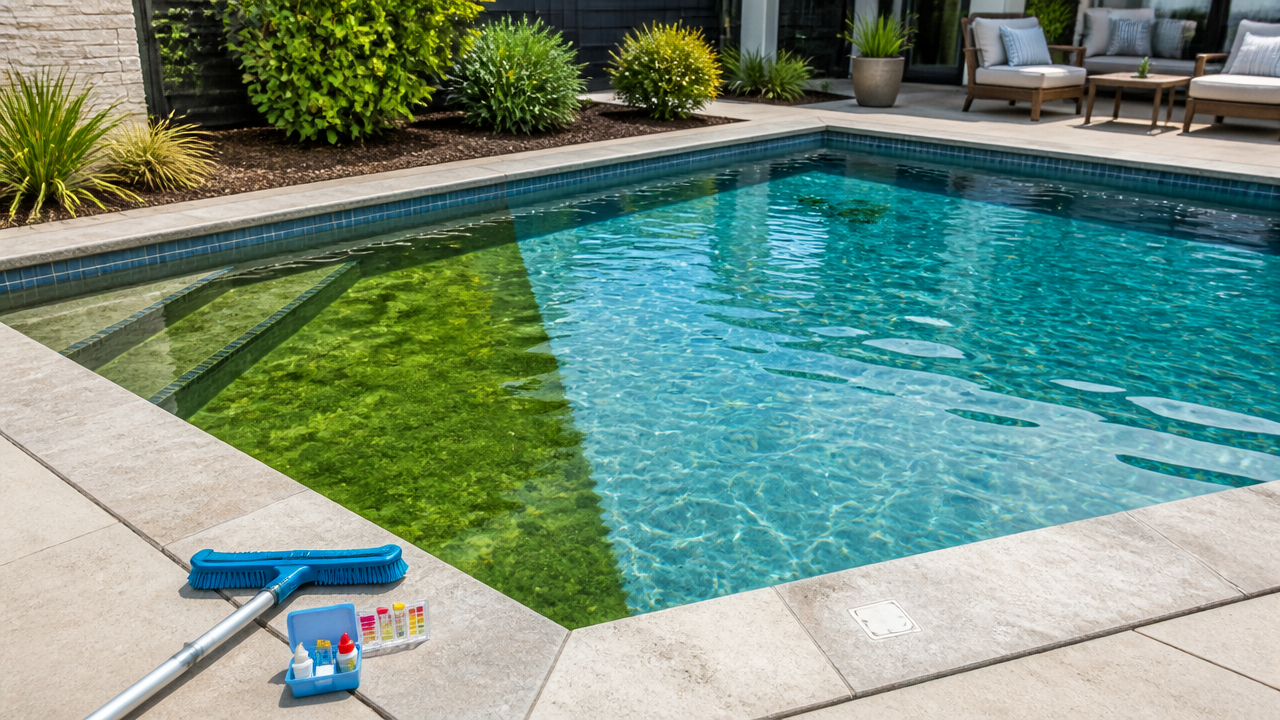
If your pool keeps turning green, the fix is not just adding more chlorine. Lasting algae control comes from removing the growth, correcting the water balance that allowed it to bloom, and keeping circulation consistent afterward. This guide is for residential pool owners who want a practical recovery plan that works now and prevents the same problem next month.
The fastest way to win is to treat algae as a diagnosis problem, not only a cleaning problem. When you know what type of bloom you have, where it is hiding, and which chemistry issue triggered it, you use less guesswork and far fewer unnecessary chemicals.
Key takeaways before you start
- Algae comes back when the cause stays in the water. Low sanitizer, poor circulation, and debris are the usual triggers.
- Brushing matters as much as shocking. Sanitizer works better after the protective film is broken up.
- Filtration is part of treatment. Dead algae has to be captured and removed, not left to settle and recycle.
- Different blooms need different effort. Green algae is usually straightforward, while black and mustard algae need more persistence.
- Tracking patterns prevents repeat outbreaks. A tool like MyPoolMate helps connect test results, season, and pool type to the right action.
Why algae shows up in the first place
Algae appears when sanitizer falls behind the conditions in your pool. Warm water, sunlight, organic debris, and areas with weak circulation create the perfect opening for spores that are already present in the environment.
Most backyard outbreaks start with one of four issues: free chlorine that is too low for the pool's stabiliser level, pH drifting high enough to reduce chlorine effectiveness, filter run times that are too short, or neglected surfaces where growth can anchor. Heavy rain, intense heat, and a sudden jump in bather load can also push a balanced pool into trouble.
This is where many owners waste money. Pool stores often prescribe a broad chemical package before identifying the real cause. MyPoolMate takes a more useful approach by analysing your pool profile, recent test history, and current symptoms so the response is based on your actual water, not a generic script.
What type of pool algae are you dealing with?
You will clear the pool faster when you identify the bloom correctly. Color and texture give the best clues.
| Type | What it looks like | Typical hiding spots | Difficulty |
|---|---|---|---|
| Green | Cloudy green water or slimy green film | Walls, floor, steps | Usually easiest |
| Mustard | Yellow or brown dust that returns after vacuuming | Shady walls, behind ladders, corners | Moderate |
| Black | Dark spots with stubborn roots in the surface | Plaster, pebble, rough finishes | Hardest |
If the water is green but the surfaces are not heavily stained, start by treating it like green algae. If patches stay attached after brushing, especially as dark dots, you may be dealing with black algae and will need more targeted surface work.
How do you remove pool algae step by step?
The right process is simple: test, brush, raise sanitizer, filter continuously, then retest. Skipping any of those steps is why many cleanups fail.
- Test the water and record free chlorine, pH, total alkalinity, and stabiliser.
- Adjust pH into an effective treatment range, usually on the lower side of normal.
- Brush all walls, steps, behind ladders, and around fittings.
- Apply the appropriate chlorine treatment for the bloom severity.
- Run the filter continuously until the water clears.
- Vacuum dead material to waste if your system allows it.
- Retest and restore normal balance once the bloom is gone.
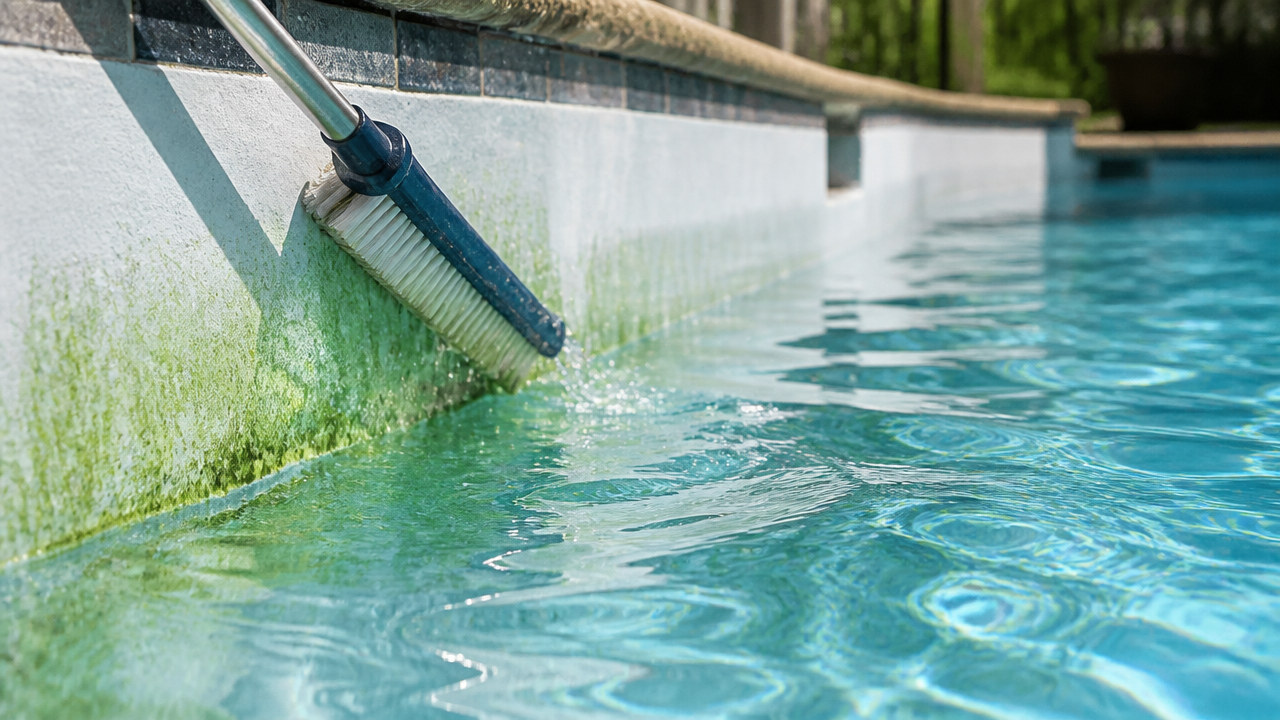
During treatment, clean the skimmer basket and check filter pressure more often than usual. Algae cleanup loads the system quickly. If pressure rises, backwash or clean the cartridge so water keeps moving strongly.
Do you really need to brush the pool to kill algae?
Yes, brushing is essential because algae protects itself by clinging to the surface in a thin film. Chlorine is far more effective after that layer is broken apart.
This matters most in corners, light niches, steps, tile lines, and behind ladders where flow is weaker. On rough plaster and pebble finishes, black algae can root below the surface, so repeated firm brushing is often what separates a temporary improvement from a real cleanup.
If you only shock the water and wait, the pool may look better for a day, then turn dull or green again. Brushing exposes hidden growth and suspends dead material so the filter can remove it. For most outbreaks, brush once before treatment and again the next day.
Why algae keeps coming back after treatment
Recurring algae almost always means the pool looked clean before it was actually stable. Clear water is not the same as solved water chemistry.
The most common reasons for repeat blooms are low residual chlorine after cleanup, a filter that was not cleaned thoroughly, poor circulation in dead zones, and contaminated accessories such as brushes, toys, or vacuum heads. Mustard algae is especially likely to return when those extras are ignored.
A second problem is overcorrecting without tracking. Owners add several products at once, the water improves briefly, then balance drifts again because nobody knows which factor changed. MyPoolMate is useful here because it stores test history, recognises patterns, and builds recovery steps around your pool volume, finish, and sanitisation method instead of relying on blanket advice.
Is pool algae harmful?
Pool algae itself is not always the main health risk, but it creates conditions that make swimming unsafe. It can make surfaces slippery, reduce visibility, and signal that sanitizer is too low to control other contaminants properly.
Green algae is usually more of a water quality and maintenance problem than a serious hazard. Black algae is stubborn rather than uniquely dangerous. The bigger concern is that any neglected bloom often comes with cloudy water, poor chlorine control, and a higher chance of irritation from unbalanced chemistry.
As a simple rule, if you cannot see the floor clearly or the walls feel slimy, pause swimming and fix the water first. A pool should be visually clear, balanced, and circulating well before anyone gets back in.
How to stop algae from coming back for good
Long term prevention is more about consistency than big rescue treatments. A pool that stays balanced and well circulated rarely gives algae the opening it needs.
- Keep sanitizer matched to your stabiliser level, not just barely detectable.
- Brush weekly, even when the pool looks clean.
- Run the filter long enough for season, temperature, and bather load.
- Empty baskets and remove leaves before they break down.
- Retest after storms, heatwaves, and heavy use.
- Watch recurring problem areas such as steps, corners, and shaded walls.
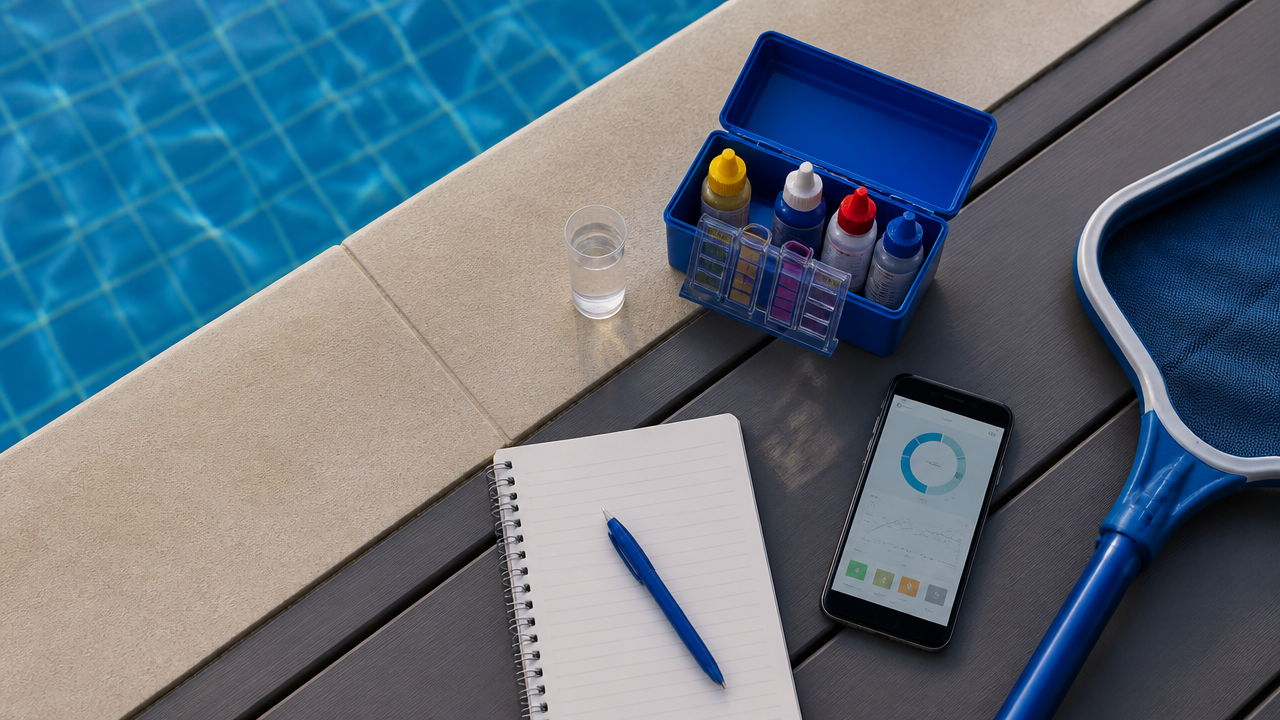
If you want a more precise system, use a tool that remembers your pool. MyPoolMate helps owners track chemistry trends, scan pool shop test sheets, generate personalised targets, and follow recovery plans based on root cause. That makes prevention easier because the app is looking at your actual pool history, not treating every green pool the same.
Perguntas frequentes
Why does pool algae keep coming back?
Pool algae usually comes back when the root cause was not fixed. Common reasons include low free chlorine, poor circulation, short filter run times, hidden growth in corners and behind ladders, or phosphate and debris buildup that keeps feeding new growth. Killing the bloom is only half the job. Preventing the next one requires balanced water and consistent cleaning.
Do you really need to brush the pool to kill algae?
Brushing helps remove the protective film that lets algae cling to walls, steps, and shady spots. Without brushing, sanitizer may not fully reach the growth, especially in textured surfaces and tight corners. For a full cleanup, brush before treatment and again while the filter is clearing the dead material.
Is pool algae harmful?
Green algae is the easiest type to clear, but it can still make surfaces slippery and irritate swimmers if water balance is poor. Black algae is more stubborn because it roots into porous surfaces, and mustard algae often returns if equipment and pool toys are not cleaned as well. The longer any bloom is ignored, the harder it becomes to remove.
How long does it take to clear algae from a pool?
Cloudy water may improve within 24 to 48 hours, but full recovery often takes several days. The timeline depends on the algae type, how severe the bloom is, water temperature, filtration efficiency, and whether the chemistry was corrected properly. A light green pool can recover quickly, while black algae may need repeated treatment.
What is the best way to stop algae from coming back?
The best long term prevention plan is to keep sanitizer in range, maintain the right pH, brush dead spots regularly, and run filtration long enough for your pool size and season. Tools like MyPoolMate can help by tracking test history, spotting patterns, and suggesting targeted actions instead of generic chemical dosing.