
If you live in Brisbane, keeping your pool water clear often feels like a constant battle—especially in the summer, or after a big storm. The lush environment and humid weather, while wonderful for gardens and outdoor living, seem to create perfect conditions for algae. I’ve been through my fair share of green outbreaks, and I know how quickly a sparkling pool can turn cloudy. In this guide, I’ll show what I’ve learned first-hand about preventing and treating pool algae in Brisbane, using science-backed steps and modern technology to keep swimming safe and enjoyable all year round.
Understanding pool algae in Brisbane
Algae isn’t just an eyesore. It’s a stubborn organism that thrives in warm, sunny, and sometimes slightly neglected pools. But not all algae acts or looks the same. In my experience, three main types concern Brisbane pool owners the most: green, black, and mustard (yellow) algae.
- Green algae forms quickly, especially after a storm. It clouds water, makes pool surfaces slippery, and is the most common culprit.
- Black algae is tougher, rooting itself in cracks and rough surfaces. I’ve seen it cling tenaciously to concrete or pebblecrete pools, resisting casual brushing.
- Mustard algae, a yellowish film often mistaken for sand or pollen, is particularly stubborn. It tends to hide in shady corners or attach to swim gear.
Each type requires a slightly different strategy for removal, but all benefit from prevention first. In recent years, I've noticed more questions from pool owners about the role of Brisbane's unique climate in these rapid outbreaks and persistent stains.
Why Brisbane pools face higher algae risks
Brisbane’s subtropical weather is both a blessing and a curse. According to Brisbane City Council’s water quality monitoring results, the city receives heavy rain through the summer and maintains high average temperatures for several months a year. These conditions combine to make our pools practically algae incubators if we are not careful.
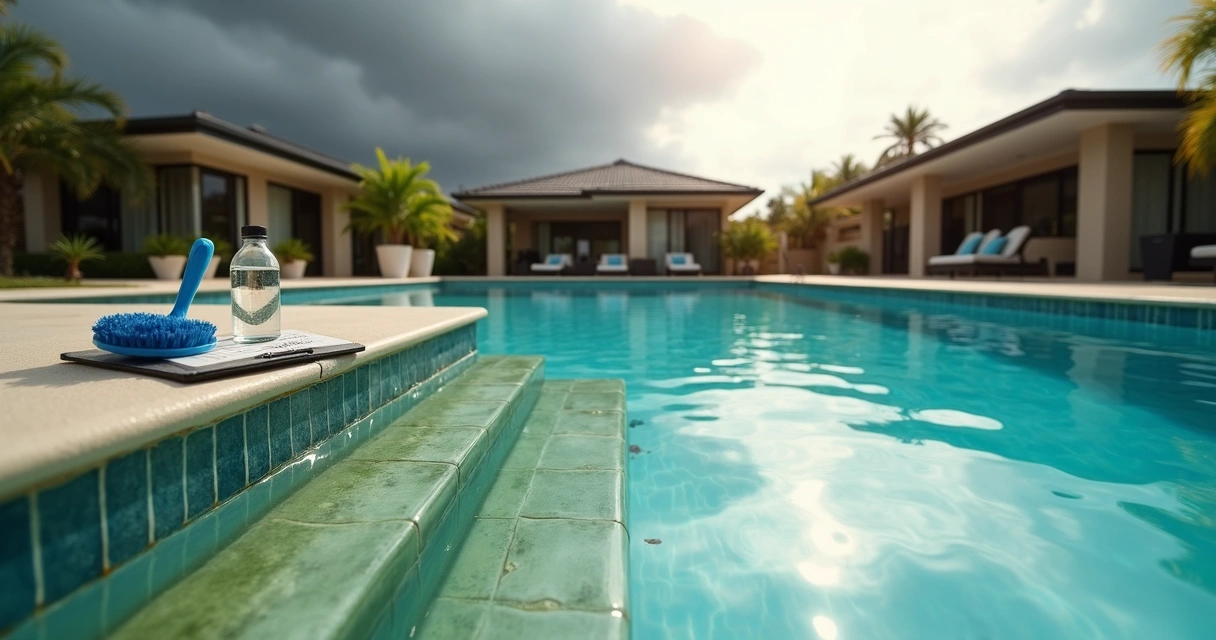
The challenges get worse after storms. Debris washes into the pool, sunlight returns strong, and chlorine levels drop as organic matter is oxidized. I always recommend checking the pool as soon as it is safe after severe weather. Algae can start forming almost overnight under these conditions.
If you can see murky green or yellow patches, act fast: early intervention makes treatment simpler and less costly.
Key steps to prevent algae growth
From my testing, prevention is much less hassle than treatment. Taking a few minutes regularly keeps your pool swim-ready. Here are the steps I rely on:
Keep water chemistry balanced
Algae finds it hard to thrive when your water is balanced. That means keeping pH, alkalinity, and sanitizer within target ranges. A balanced pool locks out algae before it starts.
- PH: 7.2 to 7.6
- Free chlorine: 1–3 ppm for most systems (2–4 in summer, or after heavy use)
- Total alkalinity: 80–120 ppm for concrete, 70–100 ppm for fibreglass
These numbers may change with your pool type, so I appreciate how MyPoolMate delivers personalised targets after you enter your pool’s details.
Sanitiser matters: Keep chlorine at the right level
Chlorine is your main shield. When it dips—due to sunshine, rain, or heavy use—algae gets an opportunity. I find that regular testing helps maintain the sweet spot. Some pool systems run on saltwater chlorinators, so make sure your output matches demand.
Brush pool surfaces and vacuum regularly
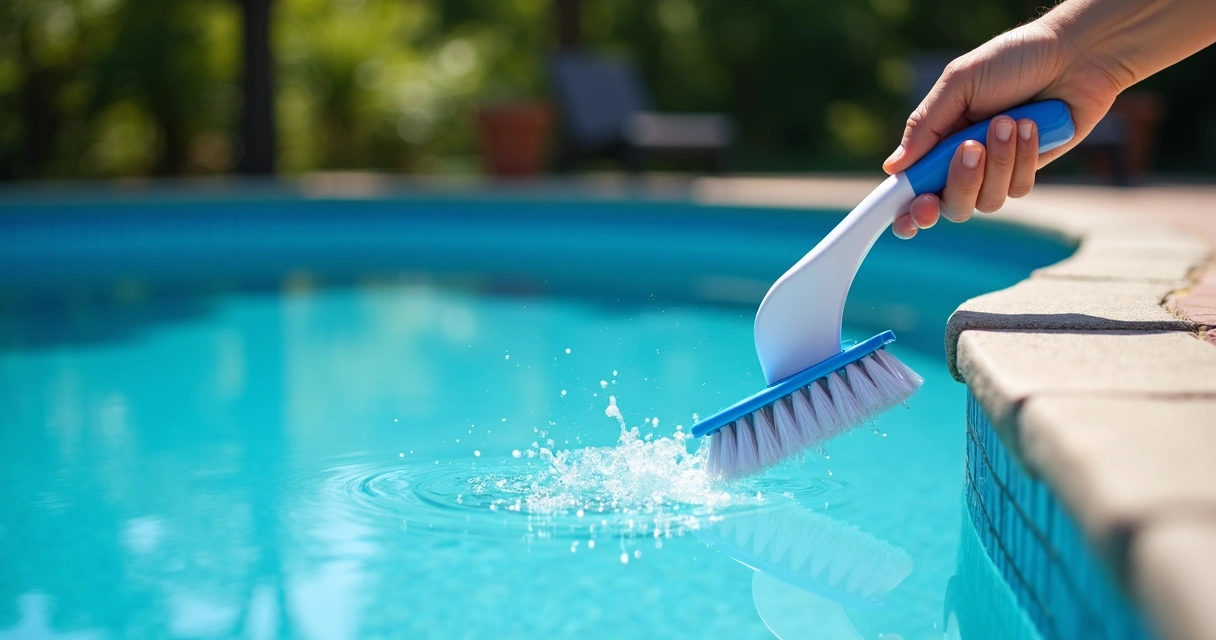
Algae spores can cling to steps, tiles, and ‘dead spots’ with poor water circulation. I’ve seen clear water still turn green along steps because it wasn’t brushed enough. At least once a week, spend a few minutes brushing problem areas and vacuuming loose debris. Even concrete and pebble pools with a rough finish need this attention to stop black algae taking hold.
Clean filters as scheduled
Even the best chemicals can’t work if your filter is clogged or dirty. Clogged filters trap debris and create slow-flowing water, perfect for algae to settle. In my opinion, monthly filter cleaning (at least in summer) and backwashing keeps water moving and clean. There’s a simple step-by-step guide on how to clean your pool filter cartridge effectively if you’re unsure where to start.
Remove phosphate sources
Algae relies heavily on phosphates for growth. Leaf litter, garden fertilizer runoff, and bird droppings all supply phosphates. I use a phosphate remover when levels get high, but prevention starts with keeping organic debris out of the pool. The Queensland Department of Environment and Science advises constant water flow and proactive debris removal to keep algae in check, which also holds true for pools.
Test your water regularly (and why AI helps)
Water tests expose small problems before they explode into full algae blooms. I suggest testing at least weekly, or after storms or parties. What I like about MyPoolMate is the way it records every result, tracks long-term trends, and tailors advice based on your unique situation. This sort of AI-powered platform can spot the shift towards algae risk before you can see or smell it—truly personalising prevention and minimising chemical usage.
For more ways to tune your routine, I recommend reading this practical pool maintenance guide for Queensland that breaks down tasks by season and pool type.
If you see algae: Quick response steps
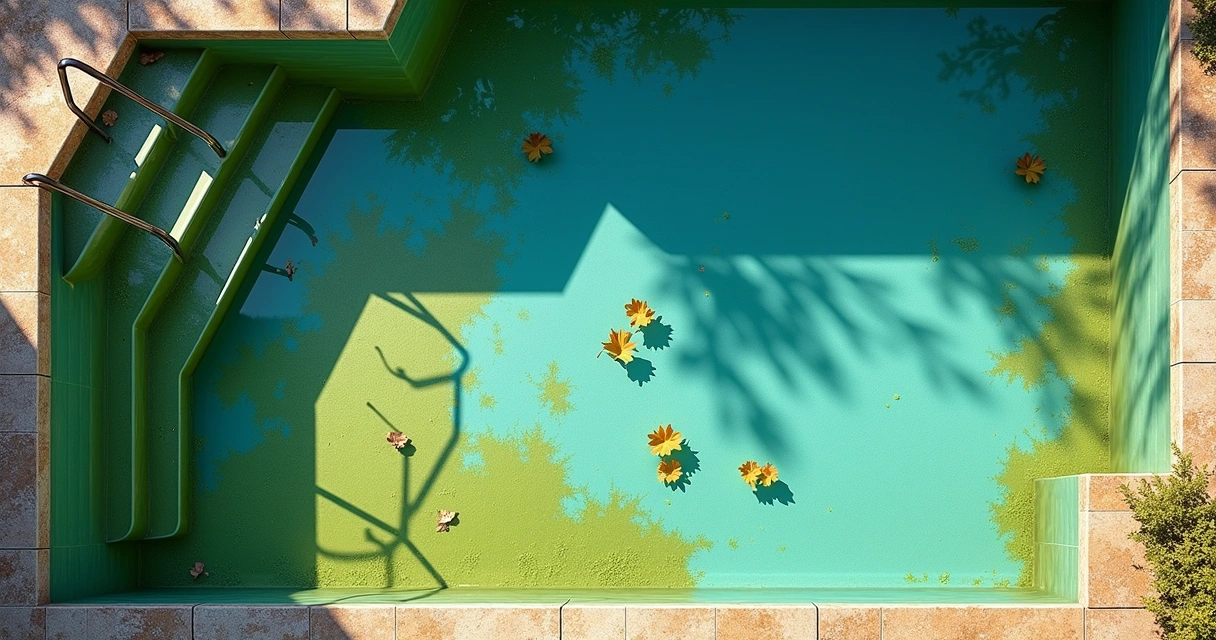
If the water is already cloudy or you notice stains, don’t panic. Here’s the order I follow for best results:
- Brush affected areas thoroughly. Physical disruption helps the chemicals reach algae roots. Pay extra attention to steps, ladders, and corners.
- Test your water. Record results, especially for chlorine, pH, and phosphates.
- Shock the pool with a heavy dose of chlorine.
- Run your pump continuously (24–48 hours) to filter out dead algae and debris.
- Use a targeted algaecide, picking the right type for green, black, or mustard algae. If you only treat the water, black algae can regrow from what’s left in cracks.
- Backwash or clean your filter after treatment to avoid recontamination.
Using the correct amount of chemicals, guided by your actual test results, avoids overdosing and keeps swimming comfortable. The CDC warns against using water that looks discoloured or smells bad, as harmful algal blooms can cause illness even outside of a pool setting (see CDC’s algae prevention guidance).
When using specialty products like enzyme treatments to break down organic debris, I’ve noticed a marked improvement in water clarity. There are helpful tips for enzyme pool care in the enzyme pool care and organic debris guide for anyone curious about this option.
Ongoing routines for a clean, algae-free pool
Consistent routines matter more than miracle products. Here’s how I make pool upkeep less of a chore and more of a quick part of my week:
- Test and adjust water every week (twice during rainy stretches).
- Brush and vacuum at least once a week.
- Clear debris from skimmer baskets and pool surface every few days.
- Deep clean filter media every month during summer.
- Add phosphate remover if you notice leaf build up or after big storms.
- Log everything in a water test app, or at least keep old test slips for reference.
I’ve learned to rely a lot on AI tools like MyPoolMate to adjust routines which saves on unnecessary chemicals and spots brewing problems. If you run into stubborn algae or recurring blooms, there’s no shame in reaching out for professional help—a smart owner protects their investment and their family’s health. Chronic outbreaks sometimes signal underlying issues like poor water circulation or undiagnosed organic pollution. The guidance on how to control pool alkalinity for stable water has helped quite a few pool owners maintain consistent water quality between big cleans.
Personalization means less chemical usage
The old approach—simply dumping in more chlorine and hoping for the best—is both wasteful and unpleasant. With new AI-powered solutions, it’s now possible to get tailored recommendations that consider not just your test numbers, but the surface material, size, age, sanitiser type, even the time of year. I see this as kinder for both swimmers and your budget.
Minimal, precisely-dosed chemicals work better and feel better.
Personal automation now includes detailed photo records and targeted maintenance plans. To see if your pool’s appearance means it needs immediate attention, this article about 7 unusual signs your pool needs urgent treatment outlines things you might otherwise miss.
What to do if algae persists
If you’ve been following steps and algae still returns, it’s time to look deeper. Persistent cases may hide in cracked grout, behind tiles, or stem from old, ineffective filter media. You might need to inspect your pump and plumbing for dead spots, or consider whether recent landscaping is introducing debris. If everything checks out, I’d seek a personalised water analysis with AI-driven tech, or secure a site visit by a qualified technician. Chronic pool algae can occasionally signal water that’s hazardous even without visible growth, as local water monitoring programs have found.
Every pool is slightly different—which makes custom solutions far more effective than any “generic” recipe. I find that once you get into a good rhythm with the right digital tools, most outbreaks simply stop happening. If you need more detail about breaking down oils and debris, this enzyme pool article has clear, actionable steps.
Conclusion: Stay algae-free with modern tools
Maintaining a Brisbane pool free of algae doesn’t have to be strenuous. Balanced chemistry, steady habits, fast action after storms, and the right technology make all the difference. By personalising care, keeping records, and only adding what’s needed, you’ll avoid overuse of chemicals and keep your water safe and inviting.
Modern platforms like MyPoolMate give you pool-specific advice in seconds, helping you act sooner and with less guesswork. If you want fewer surprises, safer swimming, and to cut waste, I suggest giving MyPoolMate a try. See how easy pool care can become with the right support and knowledge in your hands.
Frequently asked questions
What causes algae in Brisbane pools?
Algae appears most quickly when pools are left with low chlorine, unbalanced pH, and lots of sunlight, especially after storms introduce debris and phosphates. Brisbane’s humid, warm climate and heavy rainfall speed up the problem. Sometimes, lack of brushing or infrequent filter cleaning adds to the risk by letting spores settle.
How do I prevent algae growth?
I recommend keeping water chemistry in target ranges, brushing and vacuuming weekly, cleaning filters, and controlling phosphates with regular debris removal. Logging all these steps in a pool management app makes it easier to notice when conditions begin to favour algae, and helps you act before an outbreak can start.
What is the fastest way to treat pool algae?
The fastest approach is to brush all affected areas, shock the pool with chlorine, use the right algaecide, and run your pump continuously for a day or two to filter out dead algae. Follow up by cleaning the filter and testing water before letting anyone swim. Adjust routine care to prevent another outbreak.
Are some types of algae more common here?
Yes, green algae is the most common in Brisbane because it spreads aggressively after summer storms. Mustard algae appears often, especially in shaded areas, while black algae is the most stubborn and challenging due to its deep roots. Each type benefits from different treatment steps, with black algae needing extra brushing and specialty products.
How often should I clean my pool?
Weekly brushing and vacuuming, cleaning filters at least monthly during the warm season, and removing debris (like leaves) every few days works best for me. More frequent care may be needed during storms or heavy use. For easy-to-follow steps, the Queensland pool maintenance guide can help you set your rhythm.