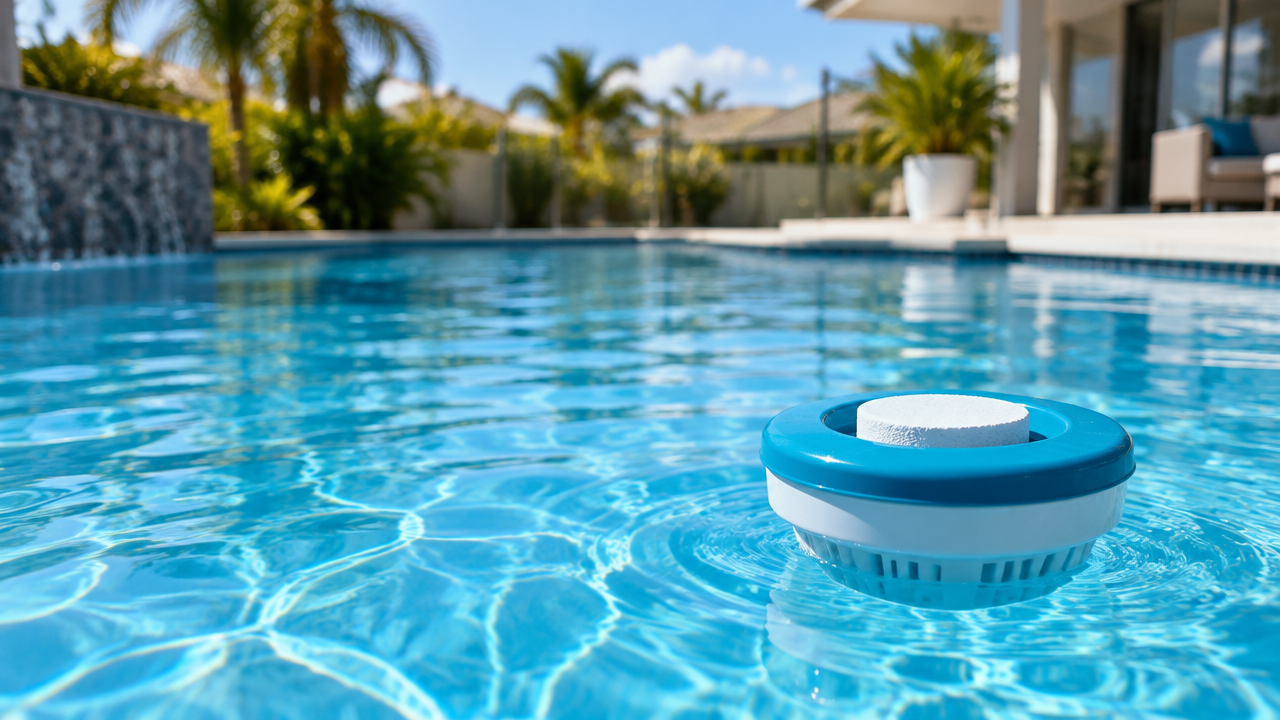


When I bought my first home, the pool was what excited me most. But by the second summer, maintaining it stopped feeling special. Conflicting pool shop advice, chemical overuse, and a diary full of water tests made it feel like a chore. So, I searched for a smarter approach, and discovered a landscape of digital pool management tools, each promising easier upkeep and more fun time in the sun. But how do you really choose the best fit for an Australian backyard?
I want to walk you through how I now compare pool management apps when people ask which tool genuinely makes a difference for real pool owners. Below, I’ll cover the aspects that matter most, with a focus on the day-to-day life of someone with an Australian residential pool. I’ll look at compatibility, setup, how test reporting works, managing chemicals, spending less time (and money), and supporting recovery when things go wrong. I also include my genuine opinion on automation and AI, since that’s changed the way I see pool care forever.
The shape of pool care in Australia
I noticed that most pool owners here have one concern above all: “How can I simplify pool care without relying too much on pool shop advice?” Seasonal conditions in Australia, especially during summer, place extra pressure on maintaining clean, safe water. According to the NT.GOV.AU, homes with pools can use twice the water of those without, with up to 300 liters lost daily to evaporation. This means more topping up and careful chemical use, and that’s before tackling cost and environmental impact.
I realized that the right pool management tool should help with all these challenges, not just log chlorine or remind you to skim the leaves. MyPoolMate is a platform that addresses these, so I’ll share insights from my experience there as well.
Features to compare for Australian residential pool owners
I like to break down my pool app comparison by features. Not all apps offer every feature, and some focus on flashy extras rather than what really matters to owners. From my experience, these are the features that should top your list:
- Compatibility: does it work on your phone, tablet, and computer? Is it a native app or a web platform?
- User interface: is it easy to use, especially for non-technical owners?
- Setup: how much info does it need to start making real recommendations?
- Water test management: does it allow photo scanning, manual entry, or shop data import? What reporting is available?
- Chemical tracking: can you log dosing and see trends? Does it adapt to pool size and type?
- Maintenance reminders: can you set and adjust recurring tasks, and do suggestions improve over time?
- Support for recovery: are there guides or protocols for problems like algae or equipment failures?
- Multiple pools: are you limited to one, or can families and technicians manage several at once?
- Security and privacy: does it respect your data?
- Pricing: is it free, subscription, or one-off payment? Are there hidden upsells?
Let’s break each down in detail to see how they matter in real life.

Device compatibility and ease of setup
One of the first things I look at: can you use the app wherever you are? Many Australians use both their phones and computers to manage home tasks. A pool management platform needs to be flexible, offering a consistent experience across devices. MyPoolMate, for example, is a responsive web app requiring zero installation, which works great no matter if I have my laptop open or just my phone in hand by the poolside.
Setup matters next. Apps that just ask for a pool's name and volume are less helpful than those that capture deeper details: surface type, sanitiser in use, build date, and whether you have shade or full sun. The more complete your pool profile, the more realistic the insights you get. I remember being surprised by how much more accurate MyPoolMate’s recommendations became after uploading a few photos and detailing the pool finish and cover usage, things traditional advice often ignores.
User interface and daily experience
When friends ask about the single biggest factor in sticking with a pool management tool, I always say usability. An app can have amazing data in the background, but if you can’t figure out what to do next, you’ll abandon it by week two.
The best pool management interface feels like a helpful friend, not a complicated spreadsheet.
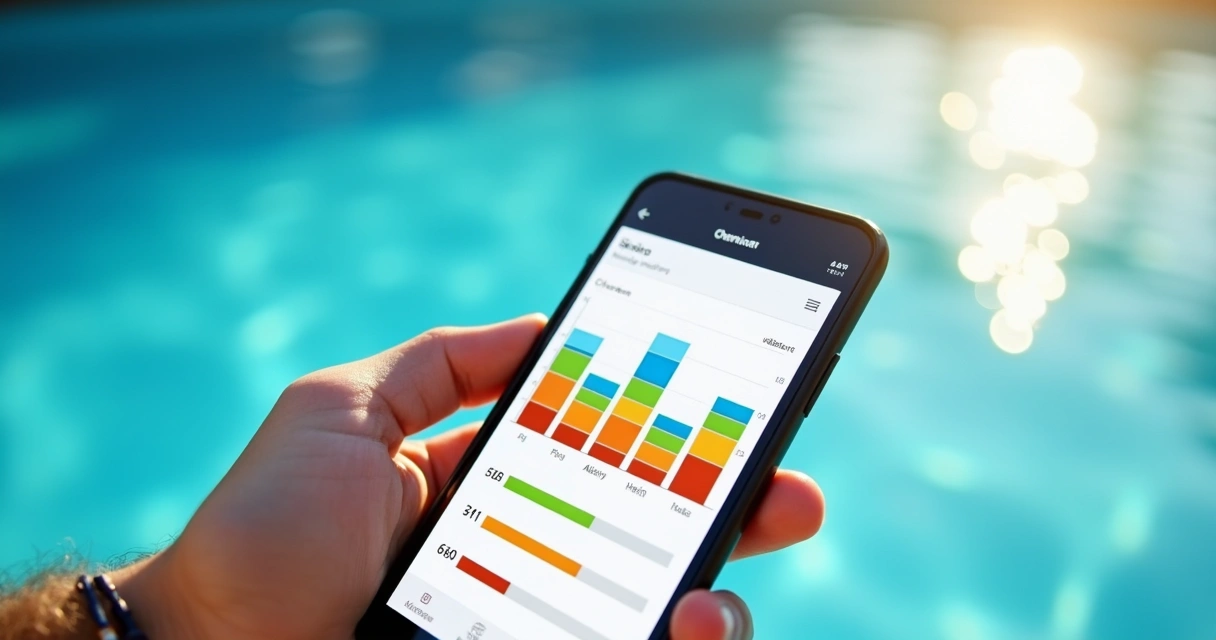
Features like dashboard summaries, color-coded status, and persistent assistants (like MyPoolMate’s Splash) make routine checks and problem-solving much easier. I prefer visually-driven platforms where test results and trends show up as simple blocks or graphs, not hidden behind icons or jargon.
How do water test and chemistry features compare?
This, I think, separates truly smart apps from basic trackers. “Can an app help you test, track, and understand your pool chemistry in a way you can actually use?” That’s what I ask owners who feel overwhelmed. Here are the ways I’ve seen pool management platforms manage water chemistry:
- Manual data entry: entering readings for chlorine, pH, alkalinity, and more after using a pool kit or visiting a shop.
- Photo scanning: uploading a photo of printed test results, with AI reading and saving the data automatically.
- AI-powered insights: combining your profile, test history, and season to adjust chemical recommendations over time.
- Reporting: seeing charts of past results, trends, and seasonal presets (summer, winter, or custom ranges).
In my experience, AI-powered reporting is a game-changer. Earlier apps just showed you a history but left interpretation up to you. Now, platforms like MyPoolMate provide root-cause-driven recommendations, so, if chlorine is low, the system considers whether it’s due to sun exposure, heavy usage, or rainwater dilution before telling you to add chemicals. I also found value in custom targets: families with sensitive skin or pets often want tighter ranges for safety.
Chemical tracking, safety, and health awareness
Tracking what you add to your pool isn’t just about record-keeping. It helps prevent overdosing, wasted expense, and chemical build-ups that can impact your health. The Australian Bureau of Statistics found PFAS (per- and polyfluoroalkyl substances) in over 85% of the population, highlighting the importance of minimal, targeted dosing.
Intelligent pool apps today let you log every dose, see season-by-season averages, and even generate reminders based on local weather. In MyPoolMate, I can review exactly what was added, on what day, and whether it caused any knock-on effects, like a pH swing or cloudiness. This tracking has saved me time, money, and reduced my family’s exposure to chemicals.
Automated reminders and smart task management
With busy weeks during summer, I’d often forget to clean the skimmer baskets or check filter pressure, until something was clearly wrong. Maintenance reminders are a central feature of any worthwhile pool management tool. The standout platforms include:
- Recurring to-dos for major and minor tasks.
- AI analysis of water state and history, so reminders update automatically as conditions change.
- Custom schedules, so you never get prompted for actions your pool doesn’t need.
Pool apps that stay static quickly grow irrelevant as conditions change, but adaptive schedules make weekly pool work less stressful. MyPoolMate analyzes test history and adjusts tasks, taking seasonal shifts into account. You can read more about how user experience makes such a difference for ordinary owners in these articles on pool care usability.
Recovery protocols for pool emergencies
No matter how careful you are, things sometimes go wrong. I still remember my first green pool, unclear advice had me dumping products in and crossing my fingers. What I now look for in pool apps is a clear, AI-backed recovery pathway: easy-to-follow checklists, support for uploading photos, and even chat support where you can drop in a photo of your black spot algae.
Platforms like MyPoolMate support urgent situations with dedicated “recovery chat” tools. You get dynamic, step-by-step protocols tailored to your pool’s profile, the current test data, and often with space to attach a gallery of what’s actually happening in your water. That level of tailoring beats generic web advice every time.
Managing multiple pools and team support
Many people here look after not just their own pool but a relative’s, or perhaps help monitor a rental or holiday property. For pool techs and families alike, managing multiple pools in a single platform is invaluable. What impresses me most is role-based permissions: assigning who can just observe versus who can edit, so no mistakes are made by less experienced helpers.
MyPoolMate, for example, makes this straightforward, storing separate galleries, water histories, and reminders for each pool. Technicians get personalized access, making remote troubleshooting easier and safer for everyone involved.
Security, privacy, and data handling
As someone who values privacy, I check that pool management apps don’t treat my information as just another product. No advertising, no data-sharing with chemical suppliers, no up-sells buried behind “free” perks. Strong password protection and options to sign in with Google make management easier while protecting my details. I prefer cloud systems over those that force me to keep backups or risk losing years of history if I switch devices.
Personalization and AI: is it really worth it?
I used to be skeptical of the promises around automation and AI. For pool care, though, it means more than just efficiency, it actually changed the way I manage costs and health. AI-powered guidance doesn’t just remind you to add chlorine; it tells you why, based on rainfall, sunlight, recent usage, and the water test history. This stops me from over-treating, which cuts both expense and chemical exposure. It’s a relief to know my recommendations aren’t “one size fits all” or shaped by retail sales targets.
If you want to get deeper into how automation helps reduce pool maintenance work and stress, I covered the topic in detail in my automation articles.
Cost, pricing structure, and long-term value
As with any purchase, I always ask “What’s the real cost, and where does the value lie?” Pool management tools come in all pricing models: some are free but only basic, others offer subscriptions for premium features, and a few offer a one-time fee. I suggest looking for platforms that are clear about what they charge, and that don’t tie features to buying chemicals.
MyPoolMate stands out by offering everything in a transparent, direct way, helping me track how much less I spend compared to my early pool-owner days. I even calculated my own savings, which matched what I saw in a breakdown of pool maintenance costs in Australia.
Who should use each type of pool management app?
The answer depends on your pool type, family needs, budget, and how hands-off you want to be. Here’s what I typically recommend, based on my experience:
- If you’re tech-shy and want minimal setup, a web-based platform like MyPoolMate lets you get started without an install or password overload.
- Families with frequent pool use or complicated builds (like heated, saltwater, or shade-heavy pools) benefit most from AI-driven analysis and ongoing reminders.
- If you oversee several pools or share responsibility with technicians, look for multi-pool support and easy sharing features.
- Those wanting health-focused guidance should stick to apps that focus on minimal, targeted dosing and offer chemistry tracking with charts and alerts.
What else to consider when choosing your pool management tool?
In my process, a few extra questions help narrow things down:
- Does the app sync reminders or data with other smart home devices?
- Are notification settings flexible, so you’re not bombarded?
- Is tech support responsive, or do you just get canned answers?
- Are updates frequent, and does the team actually listen to feedback?
For deeper context on user needs and real-world examples, I recommend reading the pool care app usability story.
Key takeaways for Australian pool owners
After comparing most of the major pool management platforms, my advice lands simply:
The best pool tool is the one that saves you time, money, and worry, while focusing on your real pool, not a theoretical one.
For my needs, MyPoolMate has helped cut my pool costs, reduced wasted chemicals, and offers a level of recovery support and team access I hadn’t found elsewhere. If you want to learn more about tailoring a pool management tool to your family’s needs, or if you’re tired of generic advice, you might find value exploring MyPoolMate for yourself. You can also check out resources such as the pool maintenance guide for Queensland to see how local factors are handled.
Conclusion
Comparing pool management apps as an Australian pool owner taught me that the right tool doesn’t just store information: it makes smarter, more personalized decisions for you, guiding every action and preventing common mistakes. MyPoolMate stands out by combining AI-driven advice, real personalization, crisis support, and fair pricing, all tailored to the way Aussies actually use their backyards. If you care about health, savings, and easy pool ownership, I’d suggest taking a better look at MyPoolMate, it’s a move your future weekends will thank you for.
Frequently asked questions
What is a pool management app?
A pool management app is a digital tool that helps homeowners organize, track, and improve all aspects of pool care, from routine maintenance and chemical testing to urgent issue recovery. It often combines reminders, water test tracking, chemical calculators, and user-friendly reporting to simplify pool ownership.
How to compare pool management tools?
I suggest using a practical approach: focus on compatibility with your devices, the ease of onboarding, how well the platform adapts to your pool’s unique features, and the depth of its water analysis and task suggestions. Consider whether the app helps reduce spending by giving tailored recommendations and whether it tracks long-term trends to spot issues early.
Which pool app has the best features?
Based on my research, the most helpful pool management systems include robust water testing (including photo scanning), AI-powered recommendations, task automation, recovery guides, and support for multiple pools with real-time sharing with technicians. MyPoolMate is my top choice, as it offers these kinds of features with a clear focus on the needs of ordinary pool owners in Australia.
Is a pool management app worth it?
If you want to save time, reduce chemical use, keep your water safer, and regain confidence in pool care, then yes, a pool management app is worth the investment. I’ve saved on both stress and costs since using one, and Australian water and health studies reinforce that targeted, data-driven care is smart for everyone.
Where can I find reliable pool apps?
I recommend searching for apps with strong reviews from real users, transparent pricing, and no push for product sales. For Australian pool owners, platforms focused on local conditions and health standards (like MyPoolMate) are most reliable. Always check for privacy policies and read guides like those I’ve linked throughout this article for honest, experience-based advice.