

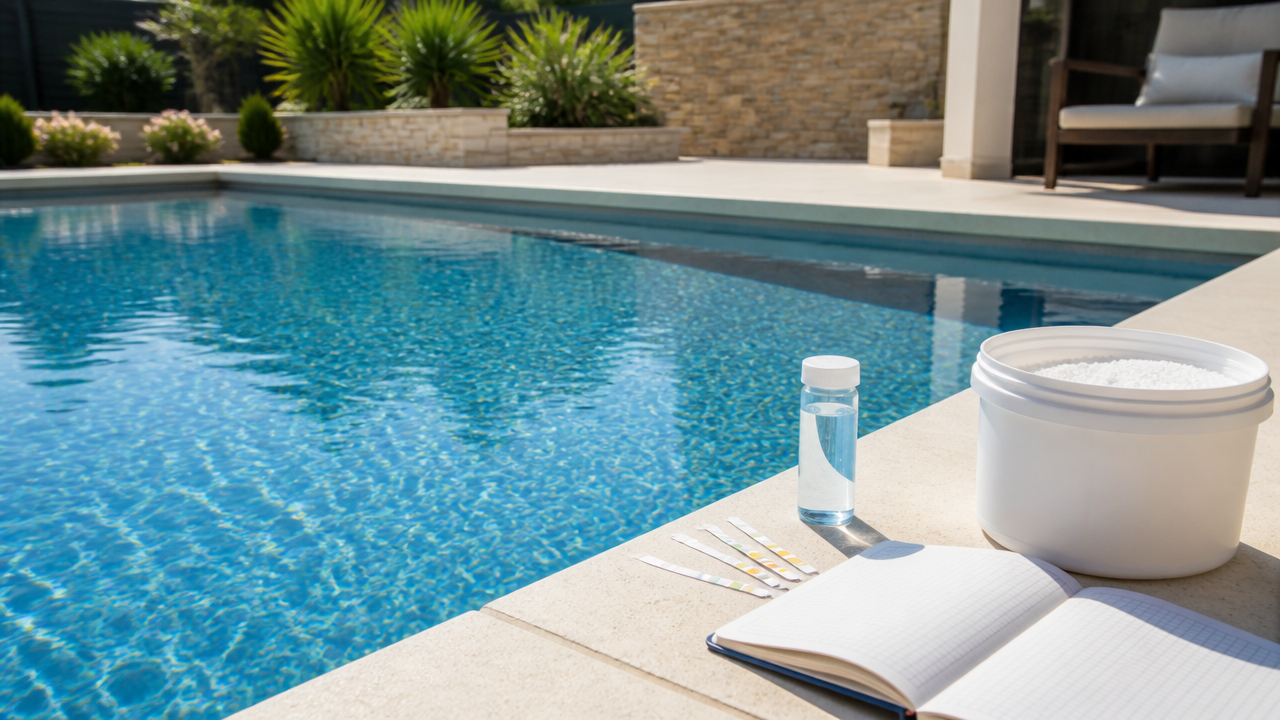
Calcium hardness matters because it changes how aggressive or scale-forming your pool water becomes. If the level is too low, water can pull minerals from plaster, grout, and other surfaces. If it is too high, you are more likely to see cloudy water, rough scale, and stubborn deposits around the waterline and equipment.
For Australian residential pool owners, the best target is not one universal number. It depends on your pool surface, your fill water, and the rest of your chemistry. MyPoolMate helps by looking at those factors together, so you do not treat a hardness reading in isolation and accidentally create a new problem.
Key takeaways before you adjust anything
- Plaster and concrete pools usually need a higher hardness level than vinyl or fiberglass pools.
- Low hardness can lead to etching, pitting, and water that behaves aggressively.
- High hardness increases the risk of scale, cloudy water, and rough deposits on surfaces and equipment.
- Calcium chloride raises hardness, but there is no simple chemical shortcut that reliably lowers it.
- Partial water replacement is usually the practical fix when hardness is too high.
- Hardness should be judged with pH, alkalinity, and temperature, not as a stand-alone number.
The right target depends on your pool surface
A useful rule is this: plaster and concrete pools generally need more calcium in the water, while vinyl and fiberglass pools can run lower. For most home pools, a practical target range is about 200 to 400 ppm for plaster or concrete, and around 150 to 250 ppm for fiberglass or vinyl.
That range is wide for a reason. A pool at 220 ppm can be perfectly fine if pH and alkalinity are controlled, while another pool at the same reading may still act aggressive if the rest of the balance is off. The goal is stable water that protects the surface without pushing the pool toward scale.
| Pool surface | Typical working range | Main risk when too low | Main risk when too high |
|---|---|---|---|
| Plaster or concrete | 200 to 400 ppm | Etching, surface wear | Scale, cloudy water |
| Fiberglass | 150 to 250 ppm | Balance instability | Scale on fittings and tile |
| Vinyl liner | 150 to 250 ppm | Water balance issues | Scale, dull surfaces |
How do you know if your hardness level is the problem?
Look for symptoms, but confirm them with a test. Low hardness often does not look dramatic at first. Water may appear clear, yet still behave aggressively and slowly damage cement-based finishes. High hardness is easier to spot because it tends to leave visible clues.
Common signs of low hardness include roughening plaster over time, fading grout, and water that seems difficult to keep balanced. Common signs of high hardness include white crust along the tile line, scale on salt cells or heaters, and cloudy water after pH rises.
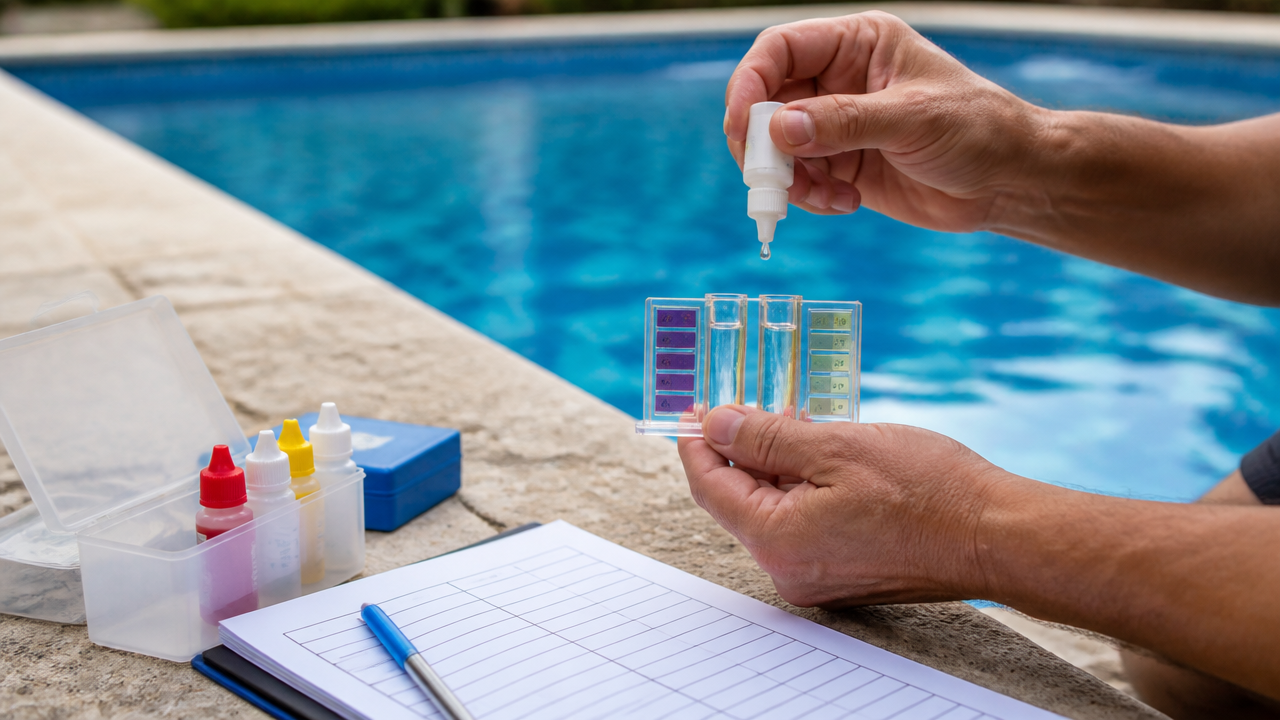
Test with a reliable liquid kit or a good quality photometer, then compare the result with your surface type and recent chemistry history. If you have just topped up after heavy rain, drained part of the pool, or had strong evaporation through summer, those events can explain a sudden change.
What causes calcium hardness to be low?
Low hardness usually starts with the source water. If your fill water is naturally soft, your pool will not build calcium on its own. Large rain events, backwashing, leak repairs, and partial drain and refill cycles can dilute the level even further.
Another common cause is simple neglect. Many owners test chlorine and pH often, but only check hardness occasionally. By the time the reading is discovered, the pool may have spent months slightly under target. In plaster pools, that is when the water can begin taking minerals from the finish instead of remaining in balance.
This is where a tool like MyPoolMate is useful. Because it stores your history and your pool profile, it can flag patterns that are easy to miss, such as hardness drifting down after repeated winter rain dilution or after several small top-ups from a softer water source.
How do I raise low calcium in a pool?
The standard fix is calcium chloride, sold by many pool stores as calcium increaser. Add it gradually, based on your pool volume and current test result. The mistake to avoid is dumping in a large correction without checking what that change will do to pH, alkalinity, and water clarity.
- Test calcium hardness carefully and confirm pool volume.
- Calculate the required dose using the product label.
- Add the product in portions, not all at once.
- Circulate the water thoroughly and brush the pool after dosing.
- Retest before making a second correction.
If your pool has a plaster surface, do not delay a genuinely low reading for long. If your pool is fiberglass or vinyl, the urgency is often lower, but balance still matters because high pH plus rising hardness can quickly shift the problem from too low to too high.
How do you fix high calcium hardness in a pool?
When calcium is genuinely high, dilution is usually the real solution. In practice, that means partially draining and refilling with lower calcium water, then rebalancing the rest of the chemistry. Products marketed as quick reducers rarely solve the root issue if the minerals remain in the water.
The second part of the fix is prevention. Hardness often climbs because water evaporates but calcium stays behind. Every top-up adds more minerals, especially in areas with hard fill water. Calcium-based chlorines can also contribute over time.
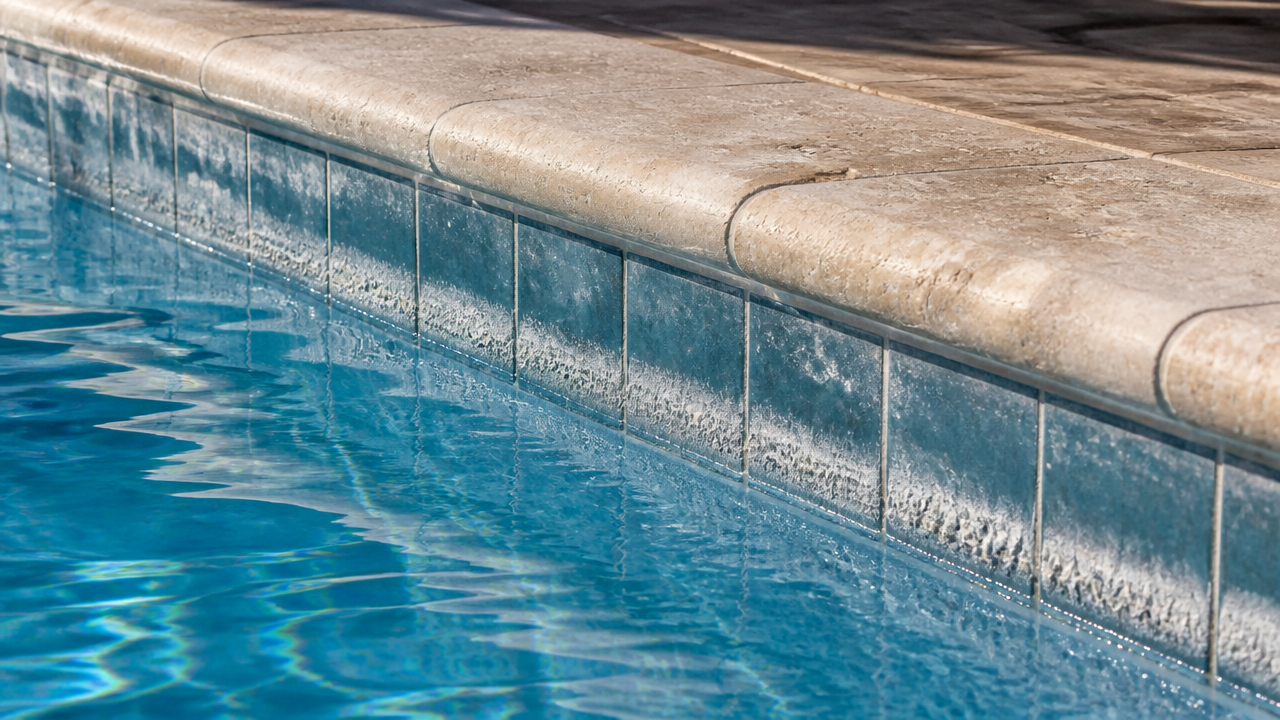
- Keep pH from drifting high, because high pH makes scale more likely.
- Clean early scale deposits before they harden.
- Watch salt cells, heaters, and waterline tile closely.
- Review whether your sanitiser choice is adding extra calcium.
If you cannot avoid hard fill water, aim for steady control rather than perfection. A slightly elevated reading may be manageable when the rest of the water balance stays disciplined.
Will baking soda raise calcium hardness?
No. Baking soda raises total alkalinity, not calcium hardness. This is one of the most common chemistry mix-ups, and it can create a bigger balancing problem if alkalinity was already in range.
Think of pool chemicals by job. Calcium chloride adds calcium. Sodium bicarbonate, which is baking soda, supports alkalinity. Soda ash raises pH strongly. They are not interchangeable, even if the symptoms seem similar. If the test says hardness is low, use the product designed for hardness, not a nearby substitute.
Why hardness should never be managed alone
Hardness only tells part of the story. The same reading can behave differently depending on pH, total alkalinity, water temperature, and surface type. That is why experienced pool care is less about chasing one number and more about understanding the balance between them.
MyPoolMate is built around that exact idea. Instead of giving every pool the same generic instruction, it uses your surface, sanitising method, test history, and seasonal context to suggest what needs attention first. That is especially helpful when a pool owner sees scale and assumes the hardness is the only cause, when the real trigger may be high pH or a long period of evaporation.
If you want fewer chemistry mistakes, treat hardness as part of a system. Test it regularly, adjust it deliberately, and always check the rest of the water before making a large correction.
Frequently asked questions
What is the ideal calcium hardness range for a pool?
For most backyard pools, the practical target depends on the surface. Plaster and concrete pools usually do best around 200 to 400 ppm. Fiberglass and vinyl pools are often comfortable at lower levels, roughly 150 to 250 ppm. The right target also depends on pH, total alkalinity, temperature, and your fill water.
What causes calcium hardness to be low?
Low readings usually come from soft fill water, heavy rain dilution, partial drain and refill cycles, or starting with fresh water that contains very little calcium. It can also happen when owners focus only on chlorine and pH, then discover hardness was never adjusted after opening or a major water change.
How do I raise my calcium hardness?
Use calcium chloride, usually sold as calcium increaser, and add it in stages. Test first, calculate the dose from your pool volume, pre dissolve if the label requires it, and brush after application. Retest after the water has circulated. Avoid making a large correction all at once if the pool is already out of balance.
How do you fix high calcium hardness in a pool?
High hardness cannot usually be lowered with a simple additive. The standard fix is to replace part of the water with lower calcium water, then rebalance pH and alkalinity. If your area has hard fill water, focus on preventing the level from climbing further by managing evaporation, top-ups, and calcium-based products carefully.
Will baking soda raise calcium hardness?
No. Baking soda raises total alkalinity, not calcium hardness. If your test shows low calcium, the usual product is calcium chloride. Using baking soda for the wrong problem can push the water further out of balance, especially if alkalinity is already where it should be.


