

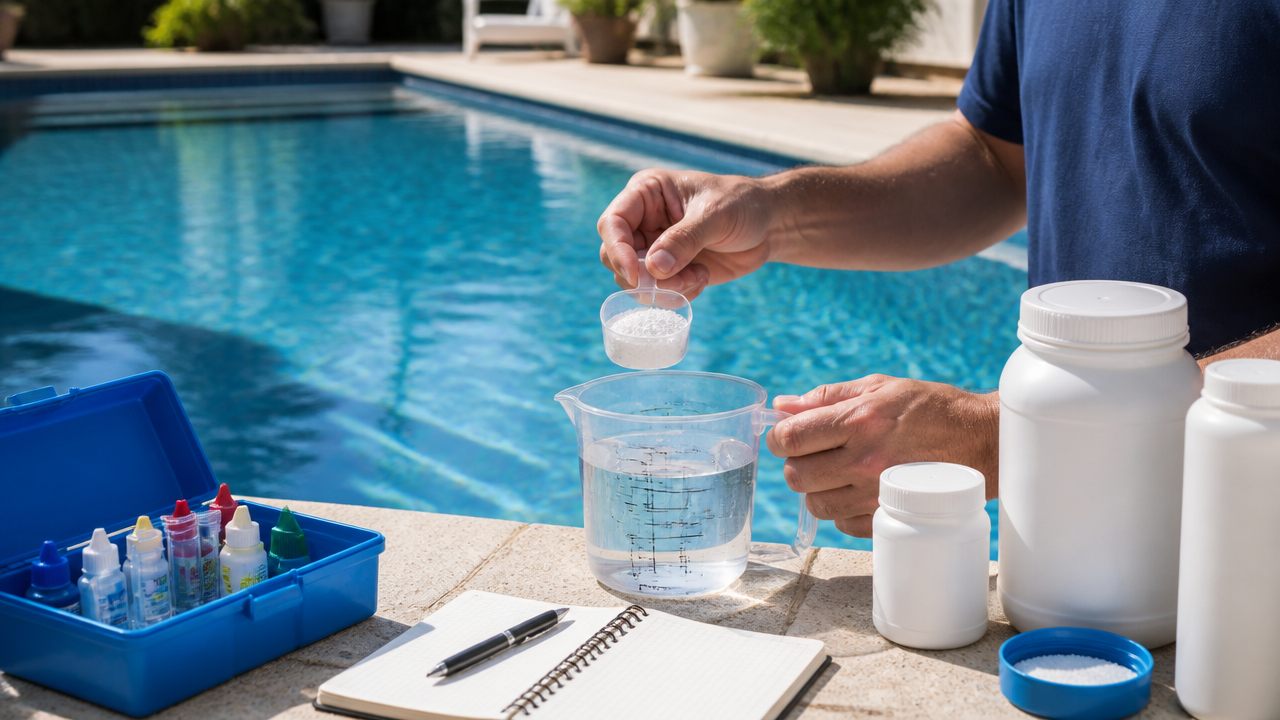
Avoiding unnecessary shock treatment is one of the simplest ways to protect your pool, your equipment, and your budget. For most residential pools, the right move is not “more chemicals,” it is the correct chemical, in the correct amount, for the actual problem shown by testing. If you own a backyard pool and want clear water without guesswork, this guide explains when shock helps, when it hurts, and how to dose with confidence.
That matters because overdosing rarely solves the root cause. It can push chlorine, pH, or calcium too far, then force you into a second round of corrective chemicals. MyPoolMate is built around avoiding that cycle by giving pool owners recommendations based on their pool type, test history, and current water condition.
Key takeaways before you add anything
- Shock is a tool, not a routine habit. Use it for a specific reason, not as a default weekly ritual.
- Most dosing mistakes start with bad inputs. If you do not know pool volume, current readings, and product strength, the dose is only a guess.
- One correction at a time is safer. Add, circulate, retest, then decide on the next step.
- Overdosing can damage surfaces and equipment. Strong chemical swings are hard on liners, metal parts, heaters, and finishes.
- Personalized guidance beats generic advice. A salt pool, a plaster pool, and a small vinyl pool should not be treated the same way.
Why avoiding unnecessary shock usually leads to a healthier pool
Routine shock is often overused because it feels decisive, but many pool issues do not need it. Slight cloudiness, low sanitizer after a busy weekend, or small pH drift can often be fixed with a measured adjustment instead of a large chemical hit. When you shock without diagnosing the cause, you treat the symptom and risk creating a new imbalance.
High chlorine levels can temporarily lock swimmers out of the pool, fade some finishes, and add stress to covers, seals, and metal components. If pH also swings, irritation risk goes up and sanitizer performance becomes less predictable. The end result is often more spending, not better water.
The better approach is to ask three questions first: what does the test say, what is the likely cause, and what is the smallest effective correction? That is the logic behind modern pool care tools like MyPoolMate, which aim to solve the root cause instead of recommending a blanket dose.
What can go wrong when you add too much chemical?
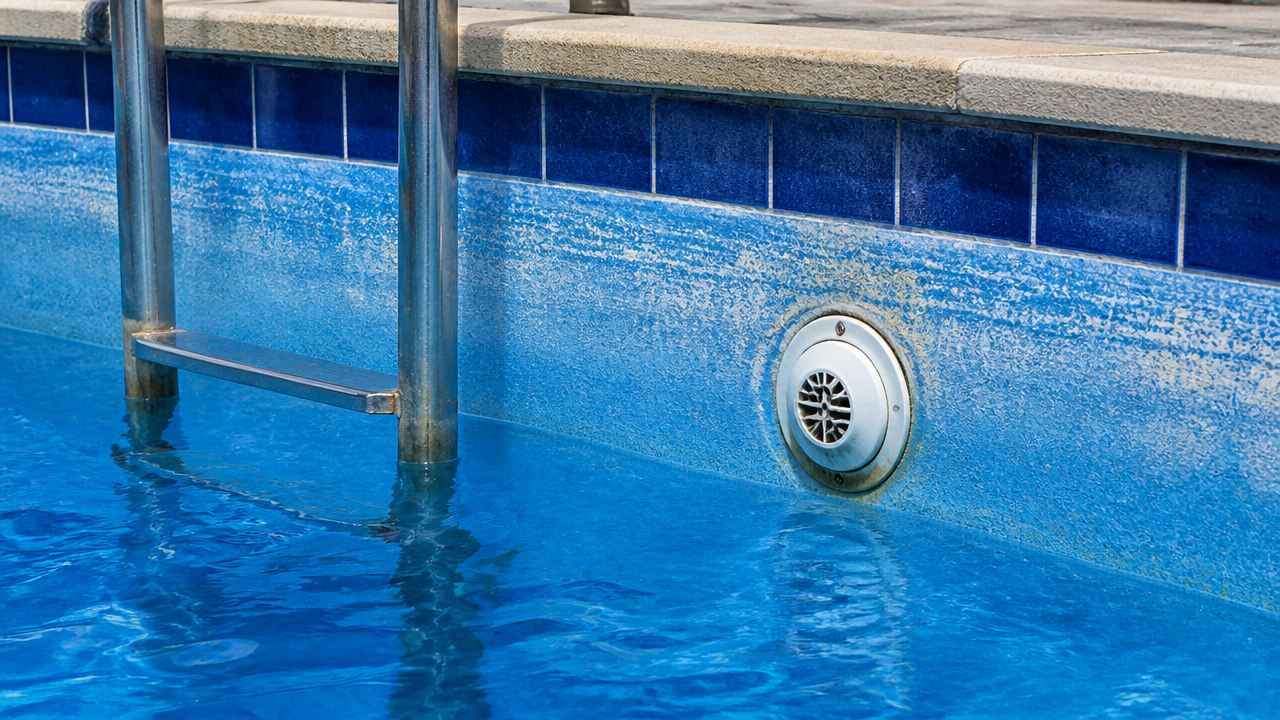
Too much product can create a chain reaction. Excess chlorine may bleach surfaces and leave water harsh on skin and eyes. Too much acid can pull pH down quickly and make water corrosive. Too much calcium product can raise hardness and increase the chance of scale if other factors are already high.
Problems also compound because pool chemicals interact. For example, adding more chlorine when the real issue is poor circulation or high stabiliser may not restore sanitation the way you expect. It may only raise chlorine higher while the original cause remains in place.
This is why experienced pool care is rarely about “fixing everything today.” It is about restoring balance in the right order. Test, identify the limiting factor, apply the smallest reasonable correction, and let the pool circulate before making another change.
Do all pools need regular shock treatment?
No, not all pools need regular shock on a calendar. They need it when water conditions justify it, such as algae risk, high combined chlorine, a contamination event, or a clearly failed sanitizer level that normal dosing will not correct fast enough. Using shock every week just because it is Saturday is not precision care.
Pool type matters. A small above ground pool can be pushed out of range much faster than a large concrete pool. Salt pools may need a different response than manually chlorinated pools. Water temperature, sunlight, bather load, and cyanuric acid level also change how strong a correction should be.
That is why generic pool shop recommendations often overshoot. They are designed to be broad and safe for the average case, not accurate for your specific pool. MyPoolMate takes the opposite approach by using your pool profile, seasonal setting, and latest readings to suggest a dose that fits your actual conditions.
How do you calculate the right chemical dose?
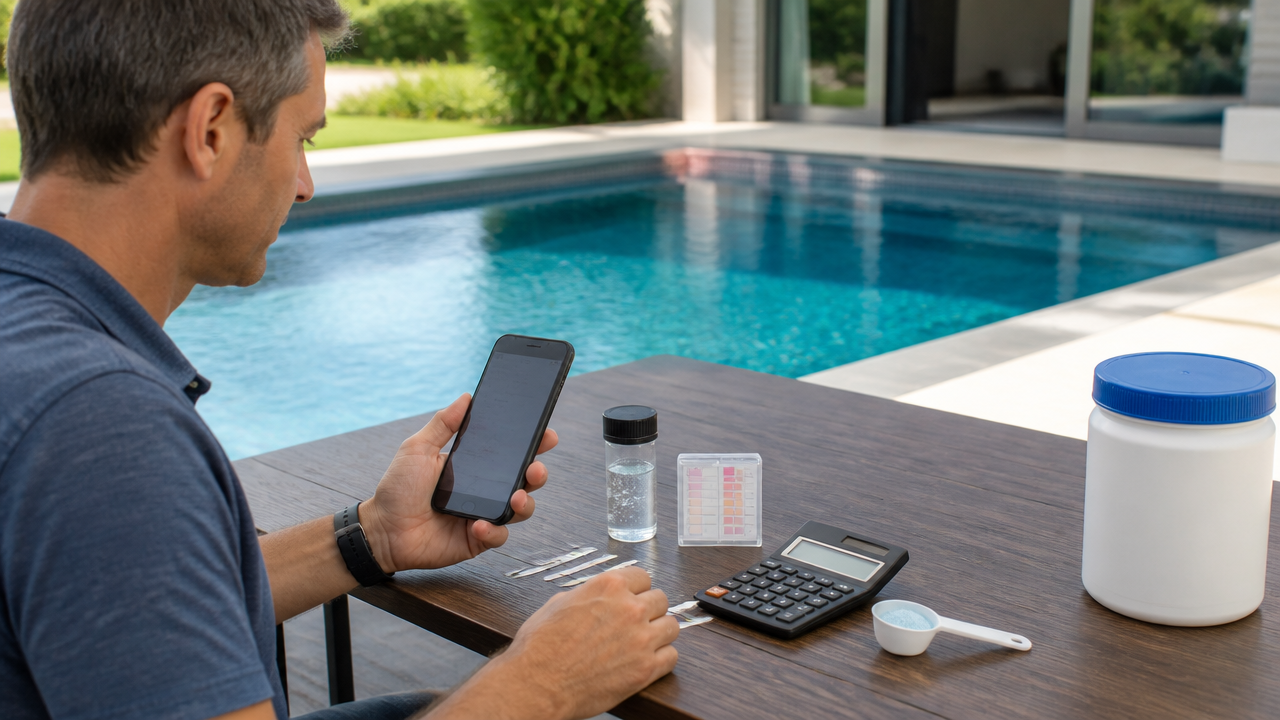
The correct dose starts with pool volume and current test results. If either is wrong, the calculation is wrong. Before adding anything, confirm the pool volume, check the product concentration on the label, and decide which single water parameter you are correcting first.
- Measure your pool volume accurately. Use the best estimate possible for shape and average depth.
- Test the water before dosing. Record free chlorine, pH, total alkalinity, stabiliser, and any issue-specific reading.
- Choose one target correction. Do not try to fix chlorine, pH, alkalinity, and calcium all at once.
- Read the label dose per volume. Product strengths vary, even within the same category.
- Dose conservatively first. Start with a partial correction when conditions are uncertain.
- Circulate and retest. Let the pump mix the water fully before deciding on a second addition.
This stepwise method is slower than guesswork for one afternoon, but faster than recovering from a major overdose. It also creates a clear test history, which makes future dosing easier.
A practical dosing table for common pool situations
The safest way to think about treatment is by problem type, not by habit. This table shows the mindset to use before adding product.
| Situation | Best first action | Common mistake to avoid |
|---|---|---|
| Free chlorine is slightly low | Add a measured sanitizer top-up and retest | Using a full shock dose immediately |
| Water is cloudy but chlorine is present | Check filtration, circulation, and pH first | Assuming cloudiness always means “add more chlorine” |
| Strong chlorine smell or irritation | Test free and combined chlorine, then confirm pH | Adding fragrance products or more chlorine blindly |
| Visible algae | Follow a structured recovery plan | Adding several products at once without sequence |
| pH is out of range | Correct pH in measured steps | Making a large correction in one dose |
What should you do if you think you overdosed?
Stop adding chemicals and retest before doing anything else. Many pool owners make the problem worse by reacting too quickly with a second or third product. The first priority is to confirm which reading moved too far and whether circulation time alone will bring the pool closer to target.
Keep the pump running, leave the pool uncovered if appropriate for the chemical involved, and compare the new readings with your normal target range. If chlorine is too high, time and sunlight may help reduce it. If pH or alkalinity has moved sharply, correction should be done in measured stages, not all at once.
This is where a recovery workflow becomes valuable. MyPoolMate includes AI-guided recovery plans for urgent situations, which can help pool owners respond methodically instead of layering random fixes. That matters most when water is far out of range or when multiple readings are moving in the wrong direction.
How to build a dosing routine that prevents chemical swings
The easiest way to avoid shock misuse is to replace “reactive treatment” with a simple operating routine. Test on a schedule, log the results, and use trend lines instead of waiting until the pool looks wrong. Small corrections made early are easier than large corrections made late.
A strong routine usually includes three habits:
- Test at consistent times, especially after heavy use, rain, or heat.
- Measure every dose with the right tool, never by eye.
- Keep a record of what was added, how much, and what changed after circulation.
That is exactly where digital pool management helps. MyPoolMate stores test history, adjusts targets for season and pool setup, and helps owners connect the symptom to the cause. Instead of treating every issue with a shock product, you can treat your pool based on evidence.
Frequently asked questions
Do all pools need regular shock treatment?
Not usually. Shock has a place when combined chlorine is high, algae is present, or contamination is severe. The mistake is using it as a routine fix for every cloudy day or small test drift. Most pools respond better to targeted corrections based on test results, water balance, and pool volume.
How do I calculate the right chemical dose for my pool?
The safest method is to start with your pool volume, read the product label carefully, and dose for the exact problem you are solving. Never guess by eye. Add chemicals in stages, circulate the water, and retest before adding more. Smaller, measured corrections are safer than one large dose.
How long should I wait to swim after shocking a pool?
Wait until free chlorine returns to the normal swimming range recommended for your pool and stabiliser level, the water is clear, and pH is back in range. That can take several hours or longer, depending on how much product was added. Retesting is the only reliable way to know.
What should I do if I add too much pool chemical?
Do not pile in another product immediately. First, test the water again, confirm what changed, and let the pump circulate. Many problems after overdosing come from stacking corrections too quickly. If chlorine, pH, or other readings are far out of range, follow a structured recovery plan rather than improvising.
Does the right dose change with pool type and equipment?
Yes. Vinyl, fiberglass, plaster, salt pools, and pools with heaters or metal components can react differently to the same product. Surface type, sanitizer system, water temperature, and cyanuric acid level all affect the correct dose. A personalized recommendation is more reliable than generic pool shop advice.


