
If you ask me, salt water chlorinators are some of the hardest-working gadgets you can own for your pool. They’re known for reliability, but even top-tier models can develop problems after years in a busy backyard. Having seen my share, I know troubleshooting early will help you keep your pool safe and crystal clear with less fuss. Let’s walk through the twelve issues I come across the most—plus the fixes that actually solve them.
Recognising the early signs of salt water cell failure
There’s peace of mind in knowing what can go wrong. The first sign many people notice is a total lack of lights or screen activity on the control panel. Often, this means a blown fuse or chewed wire. In my experience, power outages and hungry rodents are the main culprits.
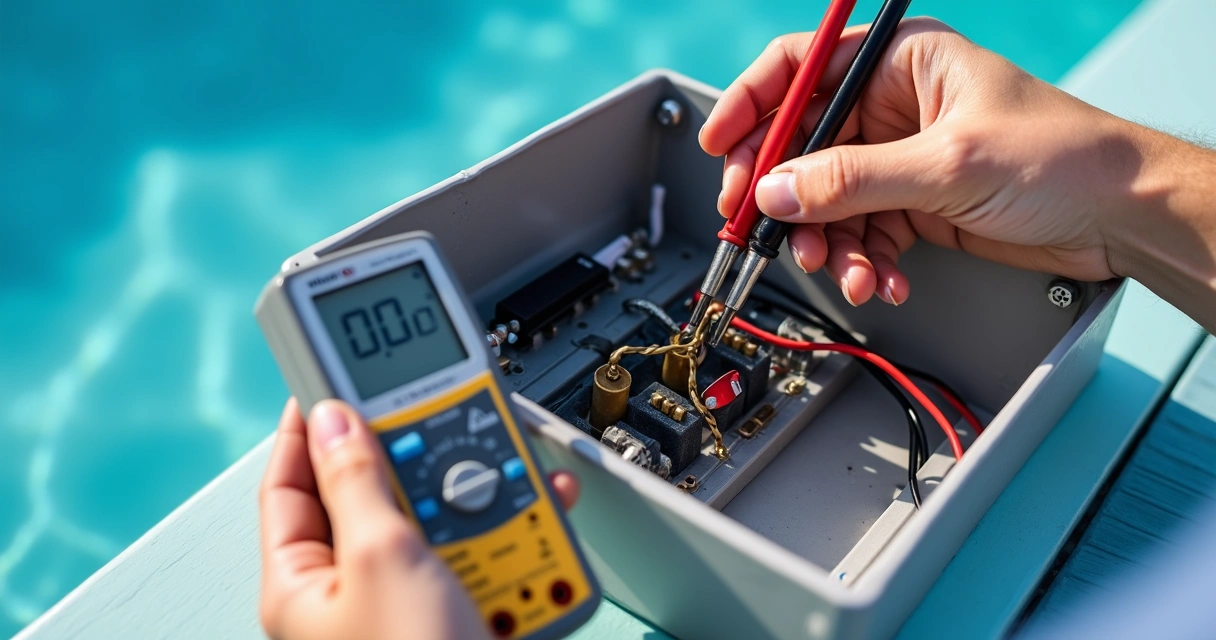
- Test fuses using a continuity setting on a multimeter.
- If you see gnawed wires under the panel, disconnect the power and rewire or patch as needed.
If you’re curious and want extra reading on keeping pool gear in great shape, see more from Pedro Correia de Sá’s author profile—there you’ll find some practical tips.
The ‘no flow’ or ‘low flow’ warning
This is an all-too-common sight. Most chlorinators shut down if they don’t detect enough water passing through. If you see a ‘no flow’ or ‘low flow’ indicator, I always check:
- Pump basket—remove leaves or debris.
- Skimmer basket—clear it out if blocked.
- Pool lines—if flow is low even after cleaning baskets, you may have a pipe blockage. For that, refer to guides on clearing plumbing (for a handy resource, see tips for unclogging pool lines).
What if chlorine is low but there’s no warning light?
This one trips up a lot of pool keepers. If you’ve tested your water, and the chlorine reads low–yet your unit shows no error—start with these steps:
- Check your salt level using strips or a digital tester. Adjust to your chlorinator’s range (often 4000–5000 ppm).
- Test cyanuric acid (CYA). Too little and chlorine degrades fast in the sun. Too much, and your chlorine becomes sluggish. Aim for 30–50 ppm, but for many Australians, 60–70 ppm is suitable. High CYA can be reduced by partial water exchange or special enzyme blends.
If salt and water chemistry are fine, but chlorine is still low
I’ve been asked this more than anything else: why is output so low when chemistry is ‘spot on’?
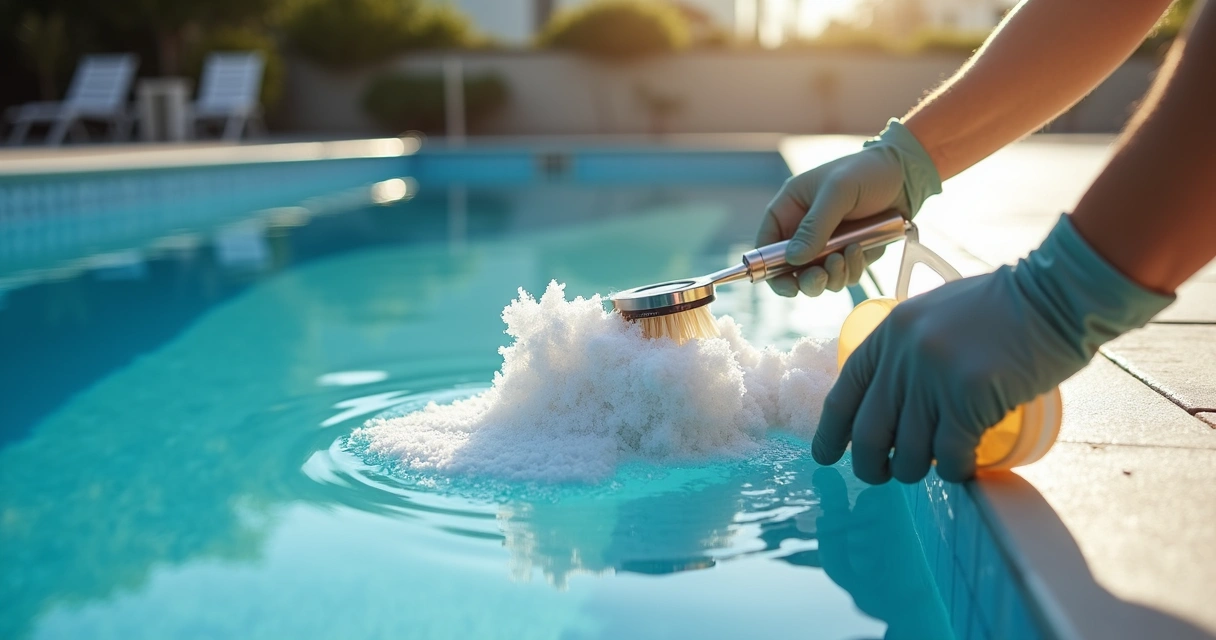
- Salt cell plates get coated with scale, even if your model claims to be ‘self-cleaning’. Remove the cell and inspect for white buildup.
- If dirty, soak in a mix of water and cell cleaning fluid (or diluted pool acid), no longer than instructed by your manual.
- Rinse thoroughly before putting it back.
A clean cell is vital—just a little scale can stop chlorine output by more than half.
Salt readings that fluctuate or jump
Chlorinators are smart—but not psychic. A steady reading is normal; jumping numbers signal a hardware problem, often:
- Dirty temperature or salt sensors
- Faulty probe—sometimes calcs ‘stick’ if the probe has shorted
Use a separate electronic or test kit to double-check salt levels. If your panel disagrees wildly, clean the probe or call a professional for testing.
Advanced: chronic low chlorine on new installations
I saw this myself after my first upgrade. The lesson? A bigger cell almost always does better in warm climates or with heavy bather loads.
If you’re stuck waiting for new salt to dissolve and still need a quick fix, a branded or recommended salt water boost can tide you over.
For those interested in fine-tuning their systems, the AI-powered reports in MyPoolMate help you track your output levels compared to expected performance and seasonal trend lines.
Testing voltage at the cell terminal
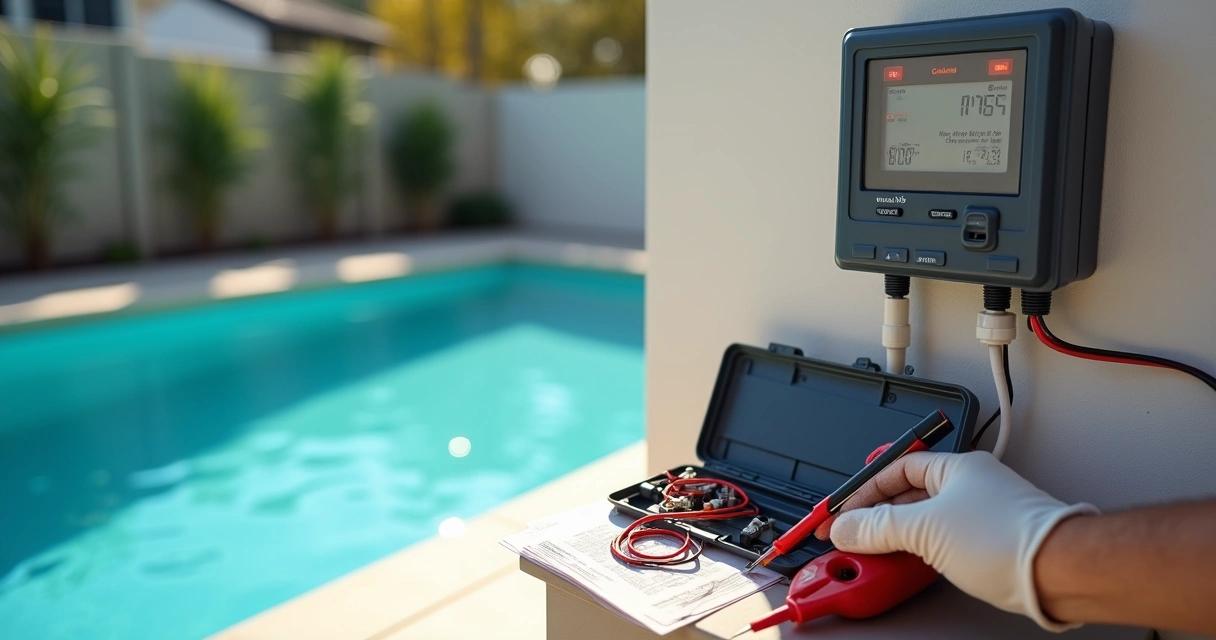
If output is poor even after all of the above, you might have an electrical drop. With the unit powered on, use a digital multimeter set to DC volts:
- Touch the probes to each terminal on the salt cell plug
- Compare your reading with the documentation
- If voltage is well below the labeled output, a wiring issue or control board fault could be the cause
For safety, never touch anything inside the box unless you’re sure power is disconnected. If readings are off, call in a pool electrician.
Spotting burned-out control boards (PCB)
Many electronic failures are down to the PCB. I’ve learned to spot these signs:
- Darkened or swollen areas on the board
- Visible cracks or burnt smell
A healthy PCB has no dark patches or strong odour.
Replacement isn’t too hard if you’re handy, but some prefer a new control box. When my last panel gave out, I switched to the Water TechniX Atomic for its warranty and simple interface.
High phosphate levels and persistent chlorine problems
Sometimes, the mystery isn’t electrical or chemical—it’s biological. High phosphates feed algae, which burns through chlorine production fast.
For pools with chronic low chlorine despite everything else being balanced, I recommend adding a phosphate remover.
If you want a deep dive into chemical interactions and pool troubleshooting, you can read more at this detailed pool water chemistry article.
A quick troubleshooting checklist for salt chlorinators
When in doubt, I’ve learned the fastest way is to work through a checklist. Here’s what I tell every pool owner to run through:
- Check all power connections and fuses
- Inspect for clogged skimmer or pump baskets
- Balance pool pH, alkalinity, stabiliser (CYA), and calcium
- Rinse or soak the salt cell to remove any scale
- Check salt levels using a separate, accurate test kit
- Make sure the chlorinator is large enough for your pool size
- Open the control box and check the PCB for any burn damage
- Test for, and treat, high phosphates if chlorine remains low
If you work through these steps, you’ll catch 90% of common failures before they become expensive problems.
When the cell is truly dead… and what’s next?
Most salt cells last around five years. Older ones show visible wear—cracks, warped plates, or have no output despite cleaning.
I always recommend buying replacement cells from trusted suppliers and avoiding low-quality imports with questionable performance. Reputable replacement cells often match original performance and fit.
If your control panel is irreparable, the Water TechniX Atomic system stands out for rugged build and warranty coverage. You’ll find peace of mind and fewer hassles, especially during peak summer months in Australia.
If you want crowd-tested insights for your unique pool setup, I suggest checking out the powerful troubleshooting, water analysis, and maintenance scheduling tools offered by MyPoolMate. And don’t forget to search the knowledge base for hands-on guides, time-saving tips, or to join the mailing list for member perks and pool care advice.
Conclusion
Salt water chlorinators really are a set-and-forget piece of tech, but even the best sometimes need your attention. Early troubleshooting and smart fixes—like those I’ve walked through here—save money and hours of stress. If you ever feel stuck, or you want more personalised water treatment guidance, remember MyPoolMate is designed to help pool owners like us. Take advantage of modern pool care and join a new era of smarter, safer backyard swimming.
Frequently asked questions
What is a salt water chlorinator?
A salt water chlorinator is a device that automatically turns salt added to your pool into chlorine using an electrolytic cell. The cell passes current through the salty water, and the reaction produces the sanitiser your pool needs—eliminating the need to add manual chlorine each week.
How to fix salt cell not working?
First, check if your control panel is powered on. If there’s no display or lights, test the fuse and wiring. Clean the cell plates to remove any scale buildup, and make sure salt and stabiliser levels are correct. If the problem continues, check the cell’s voltage with a multimeter. For persistent problems with no clear cause, replacement may be needed.
Why is my chlorinator showing low salt?
Low salt warnings usually mean the salt is actually low, so double-check with an independent test strip or meter. If salt levels are fine but the warning appears, clean the cell and the probe, as buildup or corrosion can give false readings. Replace the probe if it’s damaged.
How often should I clean the salt cell?
In my view, cleaning should be done every three months or sooner if you see scaling on the plates. Pools with hard water or high calcium may need monthly cleaning, even with self-cleaning models.
What causes high salt warning on chlorinator?
A high salt warning is usually triggered when too much salt has been added or water evaporation has increased concentration. Double-check using independent testers. If actual salt is in the right range, the issue may be a dirty or failing salt probe—and cleaning or replacing it should solve the warning.