

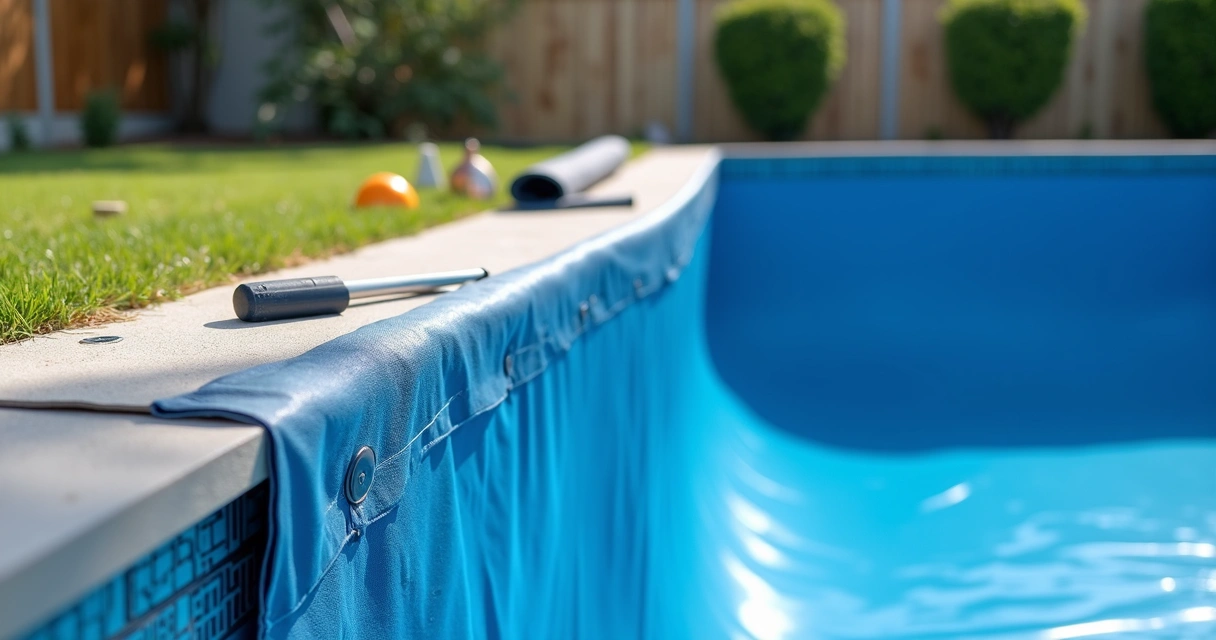
I have seen many pool owners focus on water chemistry, pumps, and cleaning routines, but forget one part that takes daily pressure from sun, water, and movement. The liner. When it starts to fail, the whole pool starts to feel older, rougher, and harder to manage.
Pool liner replacement is the process of removing a worn or damaged liner and fitting a new one so the pool can stay sealed, safe, and easier to care for.
In my experience, replacing a liner is not only about looks. Yes, a fresh liner can make a pool feel new again. But the bigger issue is function. A failing liner can lead to leaks, wrinkles, staining, and water loss. That means more time spent fixing side effects instead of enjoying the pool.
I think this topic fits well with what MyPoolMate helps pool owners do every day. Good pool care starts with knowing the real cause of a problem. If your chemistry keeps drifting, your water level drops, or surfaces feel odd underfoot, the liner may be part of the story.
What a pool liner actually does
A liner is the protective inner layer of a lined pool. It holds water in, gives the pool its finished look, and creates a smoother surface between swimmers and the pool shell. Over time, heat, UV, cleaning, and chemical imbalance all take a toll.
When I talk to pool owners, I often notice one common mistake. They assume any liner issue is cosmetic. It is not always that simple.
- It helps keep water inside the pool.
- It protects the structure beneath it.
- It affects how easy the pool is to clean.
- It shapes the comfort and feel of the pool.
If the liner loses flexibility or starts pulling away, you can end up with a bigger repair than expected. That is why timing matters.
Signs your pool liner may need replacement
I think the clearest warning sign is a liner that keeps getting worse even after small fixes. A patch can help in some cases, but not forever.
If your liner is brittle, shrinking, cracked, badly wrinkled, or leaking in several spots, replacement is usually the better path.
Here are the signs I would watch closely:
- Fading that makes the liner look chalky or uneven
- Tears, punctures, or recurring patch repairs
- Wrinkles that do not flatten out
- Slipping or pulling away near edges and corners
- Water loss that cannot be explained by splash-out or evaporation
- Stains that sit deep in the material
- A rough or stiff feel under the hand or foot
I once saw a pool that looked fine from a distance, but the owner kept adding water every few days. The real issue was not the weather. The liner had small failures around stress points. Little signs matter.
Small damage rarely stays small.
What causes liners to fail early
Not every liner reaches the same age. Some last well, while others wear out much sooner. In my research, the biggest factor is not luck. It is the mix of environment, care, and water balance.
- High UV exposure and heat
- Poor water balance over long periods
- Low water levels that leave liner sections exposed
- Sharp debris or rough cleaning habits
- Ground movement or poor installation
- Heavy use and age
Australian conditions can be hard on pools, especially in sunny areas. If chlorine, pH, or calcium hardness keeps drifting, liner materials can weaken faster. That is one reason I like tools such as MyPoolMate. They help pool owners track patterns instead of guessing from one test to the next.
How pool liner replacement works
Many people imagine a quick swap, but there are several steps. I think it helps to know the order, because it explains why care and measurement matter.
- The pool is inspected and measured.
- The old liner is removed.
- The surface beneath is checked for damage or rough spots.
- Repairs are made to the base, walls, fittings, or track if needed.
- The new liner is positioned and secured.
- Vacuum pressure is often used to help the liner sit tight and smooth.
- The pool is refilled and fittings are sealed.
A good liner replacement depends as much on surface prep and fit as it does on the liner material itself.
If the base is uneven or fittings are not sealed well, even a new liner can disappoint. I always suggest asking what prep work is included before the job starts.
How much should you expect to pay?
Cost depends on pool size, shape, liner type, access to the site, and whether repairs are found after removal. I prefer to treat liner replacement as a project with layers, not a single flat price.
In Australia, owners often pay for three things at once:
- The new liner itself
- Labour for removal and installation
- Extra repairs such as wall fixes, coping work, or fitting replacements
If you want a broader view of ownership costs, I suggest reading MyPoolMate content on pool maintenance costs in Australia. I also think local conditions shape spending, which is why this Queensland pool maintenance guide is useful for owners in warmer climates.
Try to get a written scope, not just a number. That helps you see if water refill, old liner disposal, and fitting changes are included.
How to prepare before replacement
I find that a little preparation reduces stress. It also makes it easier to spot whether your installer is being thorough.
- Take photos of current liner damage and waterline areas.
- Record how fast the pool has been losing water.
- Note recent chemistry results and past staining issues.
- Clear access around the pool for tools and materials.
- Ask how long the pool will be out of use.
If you track your pool in MyPoolMate, this is much easier. Test history, photos, and maintenance records can help connect liner wear with chemistry issues or long-term neglect.
For owners building a better routine after replacement, I also like pointing them toward practical reading on pool maintenance basics, extra care notes in this maintenance section, and filter upkeep with this guide on how to clean a pool filter cartridge.
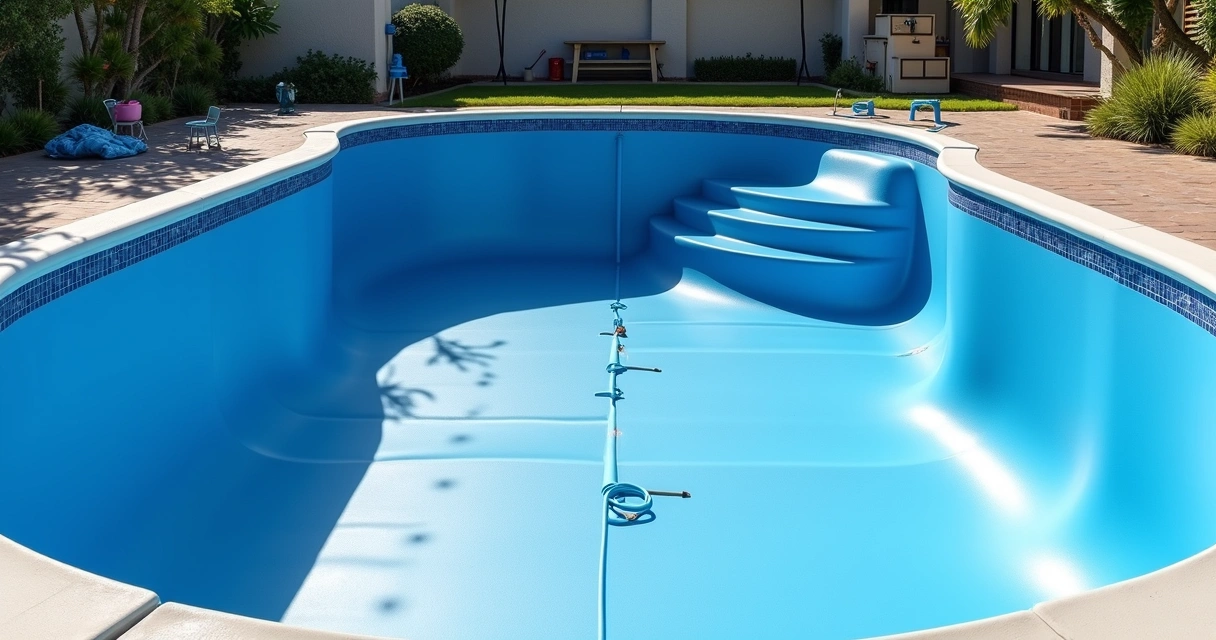
How to make a new liner last longer
A new liner feels great, but I think the real win is making that new finish last as long as possible. That means steady care, not sudden chemical swings or long periods of neglect.
- Keep water balance stable through the season.
- Do not let the water level drop too low.
- Brush gently with pool-safe tools.
- Deal with stains and algae early.
- Check fittings, steps, and corners during routine cleaning.
I have seen pools stay in much better shape simply because the owner paid attention month after month. No drama. Just consistent care.
That is the real takeaway for me. A liner replacement can restore the look and seal of your pool, but it also gives you a chance to reset how you manage the whole system. If you want clearer records, smarter chemistry guidance, and a pool care routine shaped to your own setup, I suggest getting to know MyPoolMate and using it to support your next steps.
Frequently asked questions
What is a pool liner replacement?
It is the removal of an old or damaged pool liner and the installation of a new one. I see it as both a repair and a refresh, because it restores the pool’s seal, surface, and appearance.
How much does pool liner replacement cost?
The cost varies based on pool size, shape, liner material, labour, and any repairs found under the old liner. In my view, the final price often rises when there are hidden surface or fitting issues, so a written quote with details helps a lot.
How do I know if I need replacement?
I would look for repeated leaks, liner shrinkage, brittleness, tears, deep wrinkles, and sections pulling away from the track. If patches keep failing or the liner feels stiff and worn, replacement is often the better option.
How long does a new pool liner last?
Many new liners last around 8 to 15 years, depending on sun exposure, water balance, use, and installation quality. I find that pools with steady chemistry and regular care usually get the best lifespan.
Where can I find a good installer?
I would start with local, well-reviewed pool service professionals who can explain their process clearly, measure carefully, and provide a detailed written scope. Ask about prep work, fitting checks, warranty details, and past liner replacement experience before booking.


