
Choosing the right pool cleaner really matters. I’ve learned this from years of helping Aussie pool owners, and even from my own backyard. The wrong cleaner means extra work, higher energy bills, and cloudy water. The right machine? Clear water and less effort.
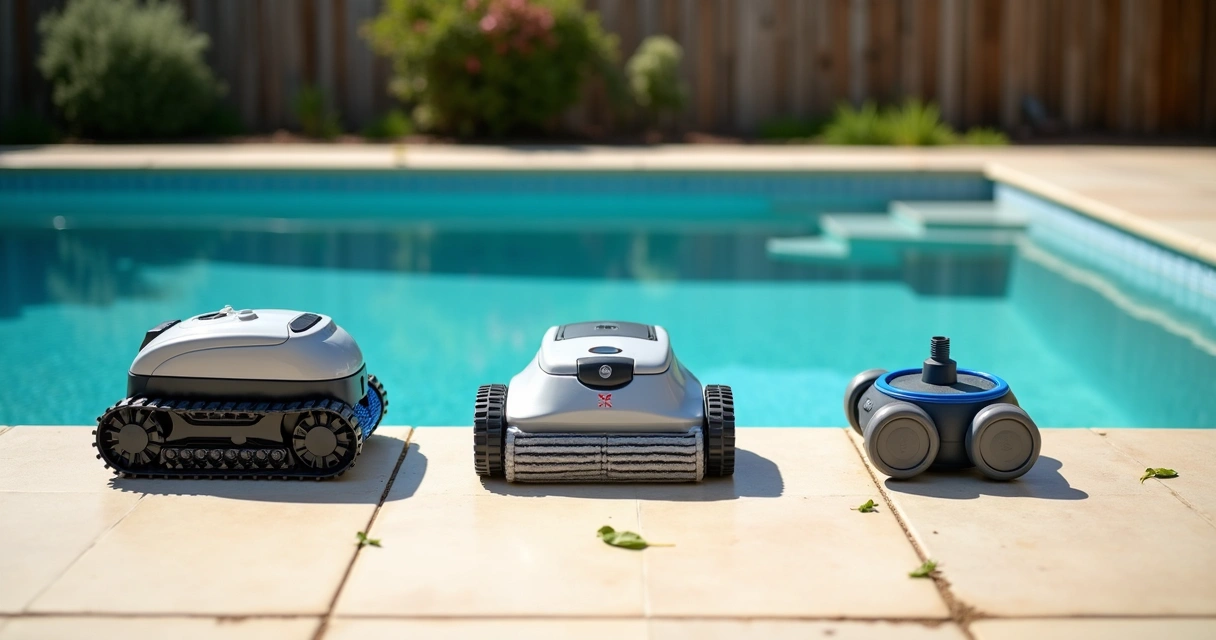
Most pool owners, including me, want a solution that fits their pool’s needs, not just generic advice from the pool shop. That’s why I think it’s smart to take a good look at the three main types of pool cleaners before making a choice. Here’s how I see the options:
- Robotic pool cleaners: Self-contained, plug into a power outlet, and run on their own. They suit almost every pool type and are perfect if you want low-effort cleaning.
- Pressure pool cleaners: Use your pool’s return water pressure, sometimes with a booster pump, to move around and pick up debris. I recommend these if your swimming area gets a lot of leaves or larger debris.
- Suction pool cleaners: Connect to your pool’s skimmer or suction port. They’re a good fit for smaller pools or those on a tighter budget, but can work well if your pool doesn't get much big debris.
Here’s a quick side-by-side to help you compare:
- Robotic: Easy, independent, efficient, covers floor and walls, higher upfront cost.
- Pressure: Handles heavy debris, effective for larger pools, may need extra pump.
- Suction: Affordable, simple setup, good for fine dirt, relies on pool pump.
Why your choice really matters
In my experience, the right cleaner saves a lot of energy and keeps the water balanced with less work. Picking a cleaner that matches your pool size, shape, and the kinds of debris you face can mean the difference between spending weekends scrubbing or relaxing. If you’re curious about smart ways to save on maintenance, I recommend checking out this guide to pool maintenance costs and savings in Australia.
What is a robotic pool cleaner?
Robotic pool cleaners always make me think of set-and-forget. I’ve seen owners simply drop one into the pool, push a button, and walk away. These units are powered by electricity and use built-in motors, pumps, and filter canisters. No hoses or external power from the pool system needed. They even climb walls and scrub the waterline in most pools I’ve worked with.
Some robots have advanced navigation, mapping the pool for full coverage. Many also include timers and remote controls, which I find great for quick spot cleaning. They work best in medium to large pools but are suitable for almost any residential pool.
Robotic cleaners are the top pick for people who want the least fuss and the cleanest water.
How pressure pool cleaners work
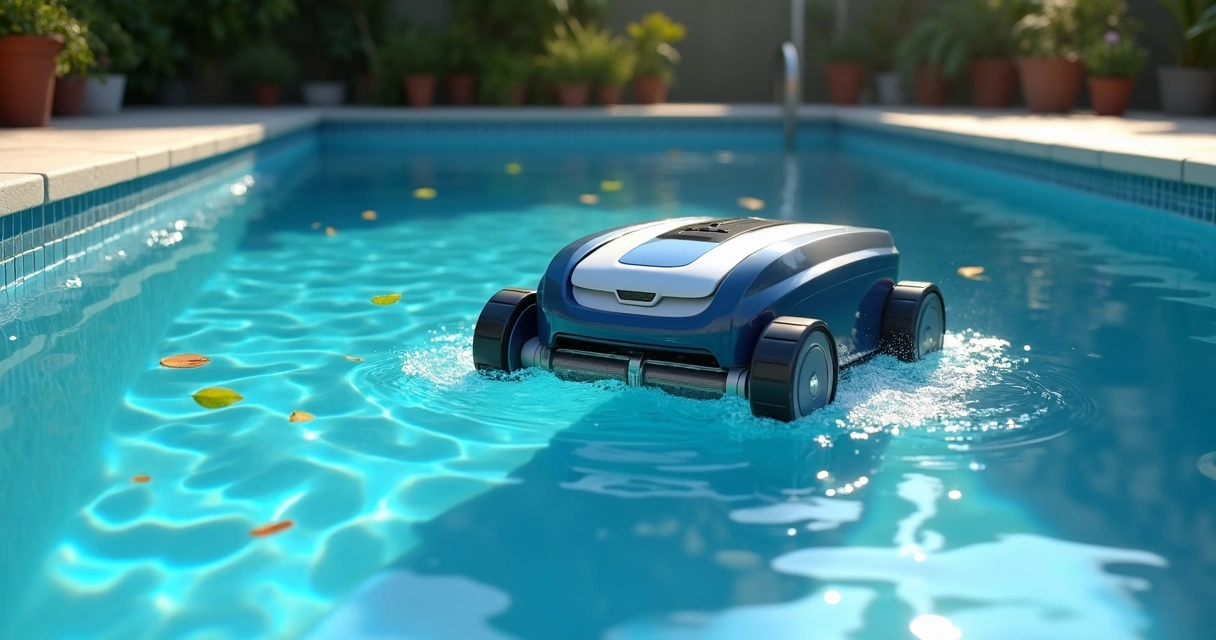
When people ask me about handling heavy leaf loads or stubborn debris, I often suggest pressure cleaners. These connect to your pool’s return line and use the force of returning water to power jets, wheels, and a sweeper tail. Many of these models use a mesh bag to trap larger debris—so you won’t clog up your pool’s filter or skimmer as much.
Some (not all) require a separate booster pump for extra power. If you have a pool under gum trees or in a windy spot, pressure cleaners come in handy. Their movement is random, but they’re tireless and tackle big jobs.
Understanding suction pool cleaners
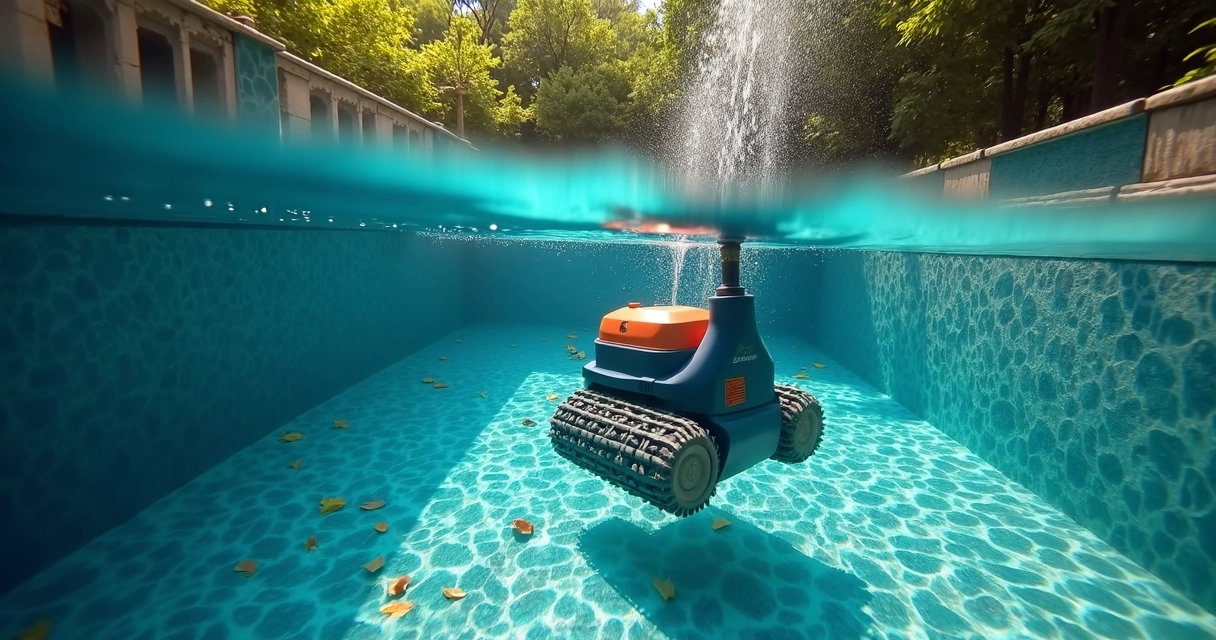
For years, I had a suction cleaner in my pool. These are the classic, affordable option. They attach by hose to your skimmer box or a dedicated suction port, running whenever the pool’s circulation pump is on. Their design is simple: a moving diaphragm or hammer creates a series of quick starts and stops, which inch the cleaner around, sucking up dirt as it goes.
Suction cleaners shine in pools that don’t get a lot of heavy debris, and they do a reliable job on dust, sand, and fine grit. They’re a practical pick for smaller pools or those on a limited budget, although they do put extra strain on your pool’s main filtration system. If you like a DIY approach to maintenance, I recommend reading up on how to clean your pool filter cartridge step-by-step, as this helps suction cleaners work efficiently.
Robotic vs pressure vs suction: which suits you?
Here’s how I break down my recommendations based on what I’ve seen with clients and my own testing:
- I go for robotic cleaners if you want automatic weekly cleaning, have a mix of fine dirt and leaves, and prefer a cleaner that doesn’t depend on running your pool pump.
- I suggest pressure cleaners if you have a large pool, lots of leaves, and want something robust that dumps debris into its own bag.
- I choose suction cleaners if your pool sees less big debris and you want to spend less up front, knowing most faults are simple to fix yourself.
It’s also a good idea to consider your maintenance habits, as well as the surface material of your pool. Certain cleaners work better on vinyl, pebblecrete, or tiles. For specialized guidance tailored to your pool’s exact details, I’ve found the AI-powered approach from platforms like MyPoolMate gives personalized recommendations based on precise pool profiles, seasonal issues, and even lets you set custom targets throughout the year.
Don’t overlook daily maintenance
Even the best cleaner needs support from good water chemistry and regular care. It’s not just about the device. Inconsistent chemistry or a neglected filter can throw off your whole cleaning routine. For a deeper look at how to keep your pool healthy between cleanings, explore the Maintenance resources on the MyPoolMate blog. I also recommend the guide to unbiased pool care apps if you want to avoid over-prescribing chemicals.
A quick comparison at a glance
- Robotic, Best for convenience, works independently, suits most pools.
- Pressure, Handles heavy leaves, tough debris, ideal for larger pools.
- Suction, Budget friendly, reliable for dust/dirt, makes your pump work harder.
How local suppliers can help you decide
When I need parts, advice, or want to check out the latest cleaner models, I like to deal with trusted local pool and spa suppliers. Pool Shop is one of Australia’s best known, offering a range of cleaners, pumps, lights, chlorinators, filters, chemicals, and spare parts. They stock brands many pool owners ask me about, including Zodiac, Astral Pool, Maytronics, Hayward, Madimack, Polaris, and Pentair Onga. All their products come from authorized sellers, so you’re sure you’re getting genuine, high quality gear.
Pool Shop also offers a price match guarantee and delivers fast right across the country. If you live near Wollongong, you can even visit their Unanderra store for in-person help. Prefer online? Ordering is quick and reliable. For personal support, you can email them at support@poolshop.com.au or call 02 9137 8914.
Conclusion: My pick for Aussie pool owners
Finding the right pool cleaner isn’t about buying the most expensive or the fanciest—it’s all about matching the model to what your pool really needs. I always recommend making a list of what matters most: convenience, debris type, pool size, and ongoing effort. If you want total confidence your cleaning and maintenance routine is tailored for Australia’s often-tough pool conditions, pairing a good cleaner with smart monitoring like MyPoolMate offers can make all the difference.
Ready to simplify your pool care and get help that truly understands your pool? Give MyPoolMate a try and see how AI-powered advice can make pool ownership easier and more affordable.
Frequently asked questions
What is a robotic pool cleaner?
A robotic pool cleaner is a self-contained electric unit designed to automatically clean your pool’s floor, walls, and waterline by navigating around and scrubbing surfaces with built-in brushes and suction. You plug it into a regular power outlet, and it doesn’t rely on your pool’s filter system. These cleaners collect debris in internal canisters or filter bags so you don’t have to empty your skimmer or filter as often.
How does a pressure pool cleaner work?
A pressure pool cleaner connects to your pool's return jets and uses the force of the water from those jets to move around and collect debris in its own filter bag. Some models require a separate booster pump, especially if your pool pump isn't powerful enough by itself. These are great for picking up leaves, twigs, and larger debris without passing it through your pool’s main filter.
Is a suction pool cleaner worth it?
Suction pool cleaners are a cost-effective way to keep pools free from dust, dirt, and fine debris if you're willing to handle some maintenance and your pool doesn't collect lots of big leaves. For many Australian households, I think a suction cleaner balances low upfront cost and routine ease, especially if you maintain your filters and pump regularly.
How much do robotic pool cleaners cost?
Robotic pool cleaners can cost anywhere from several hundred to a couple of thousand dollars depending on the brand, features, and whether they handle walls and waterlines. The upfront investment is balanced by reduced energy use (since they don’t rely on your pool pump) and greater convenience for busy pool owners. For an idea of ongoing costs, I like the breakdowns provided in pool maintenance cost guides.
Which pool cleaner is best for me?
The best pool cleaner depends on your budget, pool size, surface type, and the kind of debris you deal with most. Robotic cleaners suit those who want convenience and minimal manual effort. Pressure cleaners are best for large pools under trees, while suction units are ideal for budget-conscious owners of smaller or less leafy pools. For guidance that takes your personal pool details into account, I suggest using a tool like MyPoolMate to get recommendations that match your unique situation.