

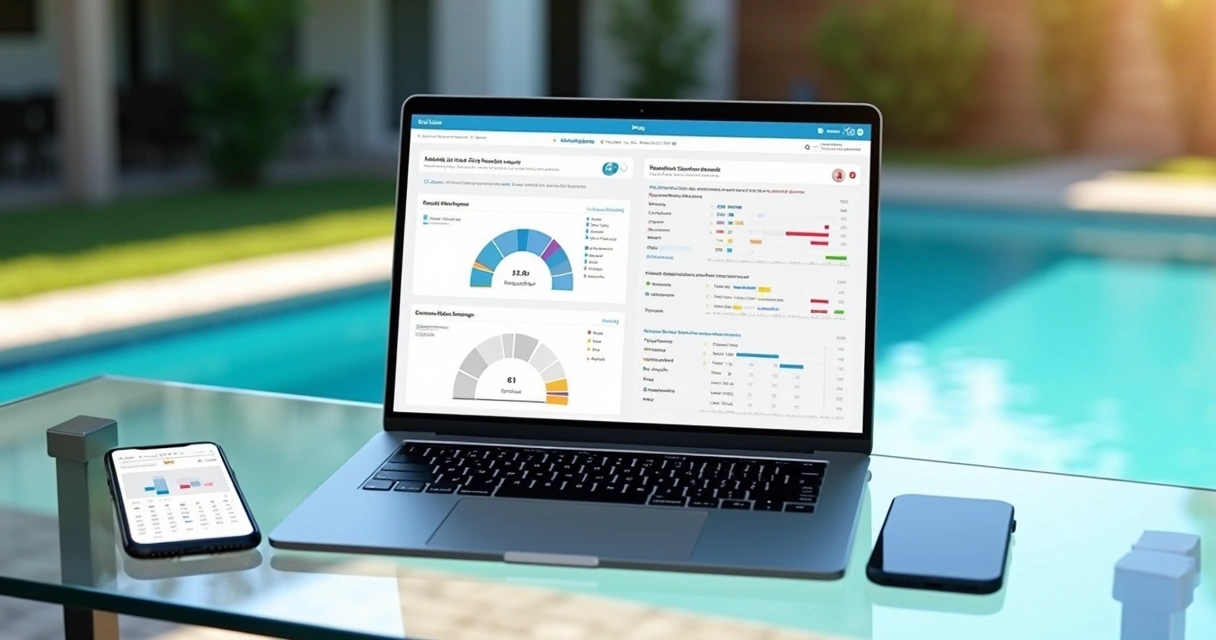
When I look at the debate around Pooli vs Pool Care app, I see a bigger question behind it. What kind of help does a pool owner really need? A simple logbook can be useful. But for many Australian households, a pool app has to do more than store numbers. It has to explain them.
I have seen this problem many times. A pool looks clear on Monday, then cloudy by Thursday, and the owner is left guessing. That is where the gap appears between a basic pool care tool and a smarter one. One records data. The other helps make sense of it.
The real difference is not just features. It is whether the app helps you act with confidence.
What I compare first
When I compare pool management tools, I start with daily use, not marketing claims. I want to know how the app handles the real jobs that come up each week.
For residential pool owners, I think these areas matter most:
Water testing input and reading accuracy
Chemical advice that fits the pool, not a generic range
History tracking and trend charts
Alerts, reminders, and maintenance schedules
Support for recovery when the pool is already in trouble
Multiple pools, shared access, and smart device links
In my experience, many apps do one or two of these well. Fewer bring them together in a clear way.
Water testing and reading results
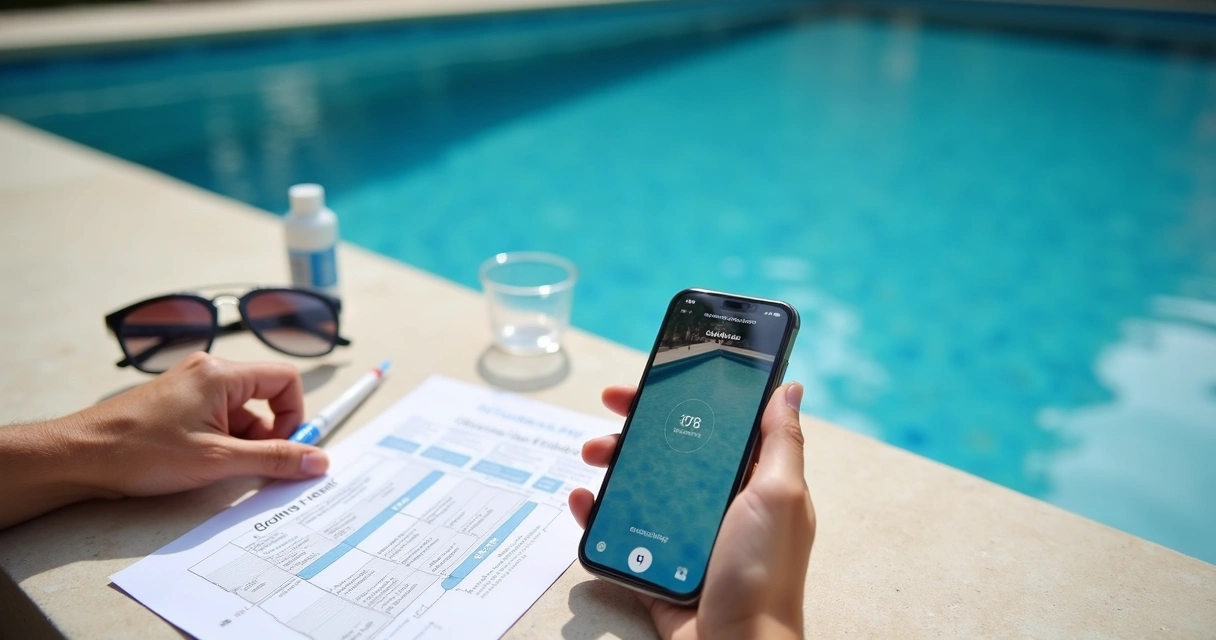
The first major split in any Pooli comparison with a general pool care app is water testing. Some tools depend on manual entry alone. That works, but only if the user reads every value correctly and enters each result with care. I know from experience that this is where mistakes begin. One swapped number can lead to the wrong chemical dose.
Pooli stands out when it helps turn test data into guidance instead of just storing it. That matters even more when owners rely on printed pool shop results and want a faster way to capture them. In the MyPoolMate model, for example, AI scanning of printed test sheets reduces friction and keeps a full history that is easier to trust over time.
Good pool care starts with good data capture, because weak input leads to weak advice.
With a generic app, the process often feels like this:
Enter chlorine, pH, alkalinity, and stabiliser manually.
Receive a target warning or colour label.
Figure out the next step yourself.
That is not useless. But it can leave owners uncertain, especially after rain, heavy use, or a heatwave.
Clear numbers are not the same as clear advice.
Chemical accuracy and custom advice
This is where many owners feel the cost of a weak app. If the tool gives the same advice for every pool, it ignores the factors that shape water balance. Pool size matters. Surface type matters. Salt, mineral, and chlorine systems behave differently. Season matters too, especially in Australia.
I think a smart app should ask better questions before it gives treatment steps. A fibreglass plunge pool in Queensland does not behave like a large concrete pool in Victoria. That sounds obvious, yet many digital tools still rely on fixed recommendations.
By contrast, a pool-aware system such as MyPoolMate is built around the pool profile first. It looks at volume, finish, sanitisation method, and test history before suggesting a dose or action. That kind of logic can lower waste and reduce those moments when owners add three products when one was enough.
If you want a deeper look at what owners often want from this category, I think this pool app comparison guide gives helpful context.
Personalised dosing is what turns a pool app from a notebook into a decision tool.
Monitoring, history, and alerts
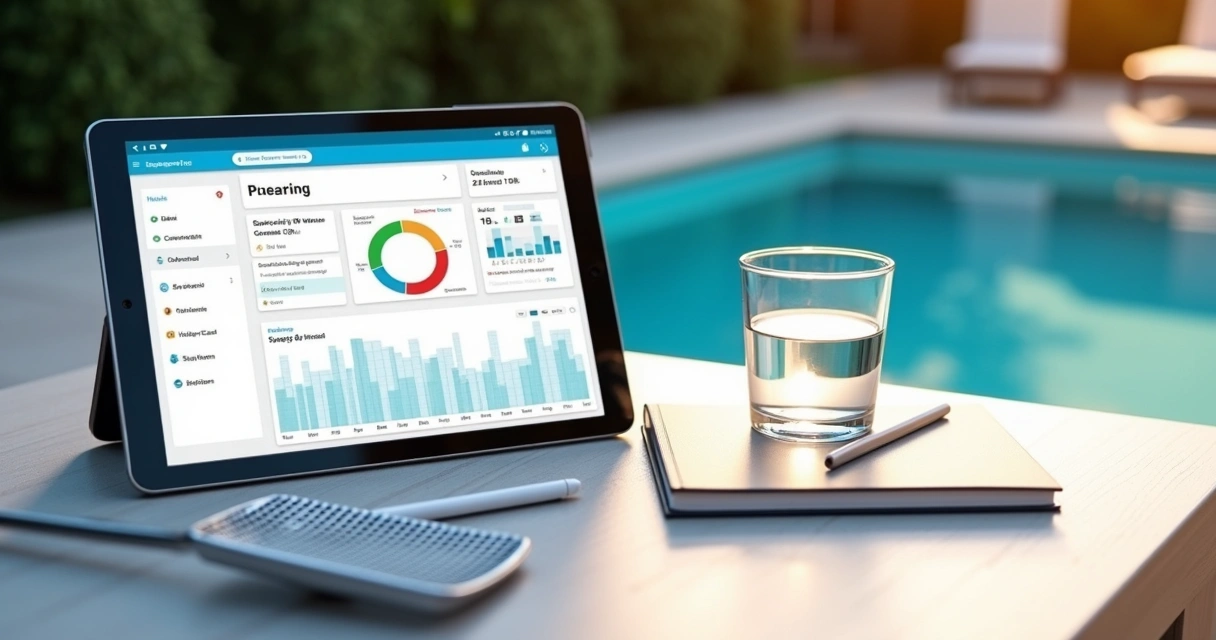
A good app should help you spot drift before the water turns. That is why history tracking matters. I like trend charts because they show patterns that one test result cannot. Maybe pH climbs every weekend. Maybe free chlorine falls sharply after storms. Those patterns save money when they are caught early.
Generic pool care apps often provide basic logs and reminders. That is a fair start. But I think advanced users need more than a date-stamped list. They need context and warnings tied to the pool’s recent behaviour.
Here is where stronger systems tend to do better:
They show trends, not only isolated readings.
They connect alerts to likely causes.
They adapt targets by season or custom settings.
They help review what changed after each treatment.
I also like when alerts connect to preventive habits. For instance, the EPA’s guidance on pool water efficiency notes that pool covers can prevent up to 95% of water evaporation. Less evaporation can also mean less chemical drift and lower refill needs. An app that reminds owners about cover use, top-ups, and weather changes is doing more than sending notifications. It is helping prevent problems.
Tasks, recovery, and real-world use
This is the part many people do not think about until something goes wrong. Scheduling is one thing. Recovery is another.
I have seen owners handle routine care well enough, then hit a wall with algae or zero chlorine. In that moment, a simple reminder app is not enough. You need a guided plan. Step by step. What to test first. What to add next. When to retest.
That is why I rate recovery guidance so highly in a Pooli versus general pool care app discussion. If the app can support urgent situations, it becomes far more useful in practice. MyPoolMate approaches this with recovery plans and pool-aware AI chat, which is a smart fit for owners who need help without sorting through mixed advice.
If you are interested in how software can reduce generic chemical upselling, I think this piece on a pool care app that does not sell chemicals speaks to a real issue.
The best maintenance app is the one that still helps when the pool is already off balance.
Multiple pools, team access, and smart links
Some owners only need one pool profile. Others manage a home pool plus a holiday property, or share care tasks with family and service technicians. In my view, this is where many lightweight apps start to feel thin.
Better tools give users room to grow. They support more than one pool, photo records, and role-based access. That means an owner can keep control while still letting someone else update tasks or add test results. I find that very practical.
Smart device support also matters, though not every owner needs it on day one. If the app can sit alongside automation habits and connected equipment, it becomes part of a wider care routine. For readers who want more on that side, the MyPoolMate blog sections on automation, user experience, and maintenance show how these choices affect everyday pool ownership.
Which approach fits Australian pools best?
For Australian conditions, I think the stronger option is the one that adjusts to local weather, seasonal shifts, and pool-specific chemistry. Summer heat, heavy rain, strong UV, and varying water sources all change how a pool behaves. A generic app can still help with routine logs, and I would not dismiss that. But when advice stays broad, the owner carries more of the thinking.
That is the main result I keep coming back to in this Pooli vs Pool Care app discussion. If you want basic tracking, a simple app may be enough. If you want fewer guesses, clearer treatment steps, and guidance built around your exact pool, a more intelligent system gives more value over time.
For Australian residential pools, AI-driven and pool-specific guidance offers better clarity, better prevention, and often lower chemical waste.
My conclusion is simple. I would choose the tool that helps me understand cause and effect, not just record numbers. That is why platforms shaped like MyPoolMate feel closer to what modern pool owners actually need. If you want support that matches your pool, your climate, and your maintenance habits, take a look at MyPoolMate and see how a smarter pool care system can fit your routine.
Frequently asked questions
What is the difference between Pooli and Pool Care App?
From what I have seen, the main difference is depth. Pooli-style tools tend to focus more on guided care and clearer interpretation, while a generic pool care app may focus on logging test values, reminders, and basic tracking. The real gap appears when owners need tailored chemical advice, seasonal adjustments, or recovery help.
Which app is better for pool maintenance?
I think the better app is the one that matches how much support you need. If you only want a place to record readings and tasks, a simple pool care app can work. If you want more accurate treatment guidance, trend-based alerts, and help during water problems, a smarter and more pool-aware option is usually the better fit.
How much do Pooli and Pool Care App cost?
Pricing can change over time, so I would always check the current plan details before deciding. In general, simpler apps often have lower entry pricing, while tools with AI features, deeper history, shared access, or advanced guidance may sit at a higher price point. I think the better question is whether the app helps you avoid wasted chemicals and repeated mistakes.
Is Pooli app worth it for my pool?
In my opinion, it is worth it if you want more than a digital checklist. Owners with recurring water issues, seasonal swings, or a need for clearer treatment steps will usually get more value from a tool that reads patterns and gives tailored suggestions. If your pool is straightforward and you already know your chemistry well, you may need fewer advanced features.
Can I use both Pooli and Pool Care App together?
Yes, in practice you can use more than one tool if that suits your workflow. I have seen owners keep one app for logging and another for guidance. Still, I think most people prefer one reliable system that combines testing, history, tasks, and treatment advice in the same place, because that reduces confusion and saves time.


