

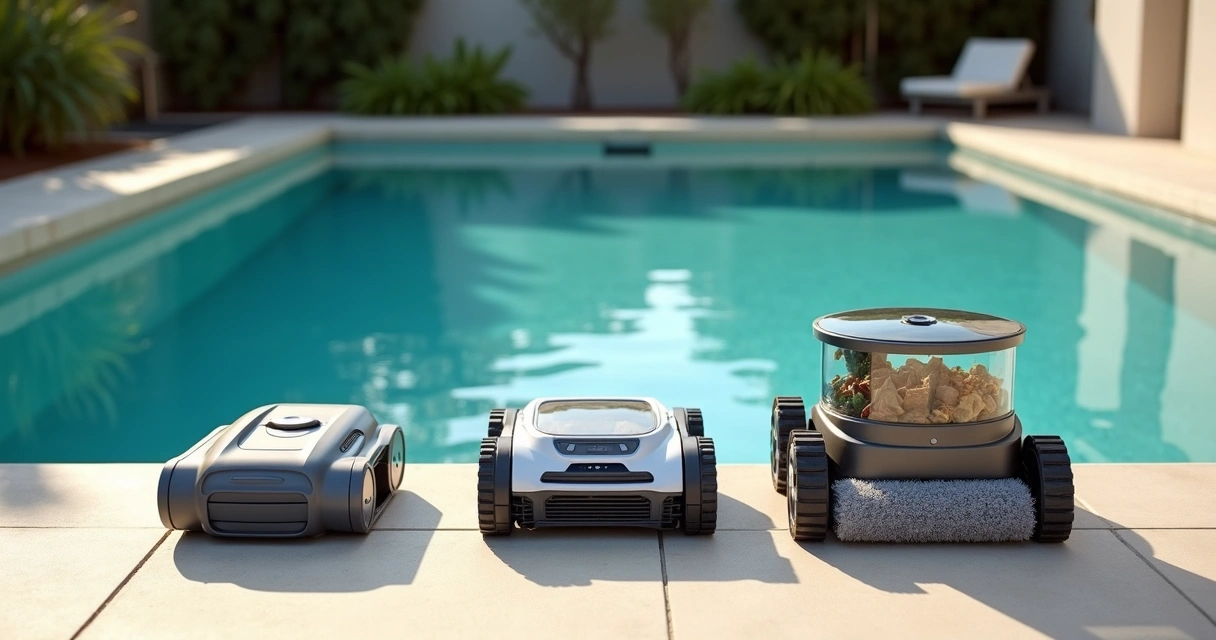
I think a good robotic pool cleaner can save hours of work and make pool care much easier. But I also know not every robot suits every pool. A small plunge pool has very different needs from a large family pool. A fibreglass pool in a sheltered yard is not dealing with the same mess as a concrete pool under gum trees.
The best robotic pool cleaner is the one that matches your pool size, surface, and usual debris load.
In my experience, this is where many pool owners get stuck. They compare long feature lists and forget the simple question: what actually falls into the pool each week? If you live in a windy area like Illawarra, with tree-filled yards and regular leaf drop, your robot choice can look very different from someone with a cleaner, more open backyard.
Start with your pool, not the cleaner
I always start with three things: pool size, pool surface, and debris type. That tells me more than brand names or flashy sales points.
For example, pools under trees often collect:
- Large leaves
- Twigs and bark
- Gum nuts
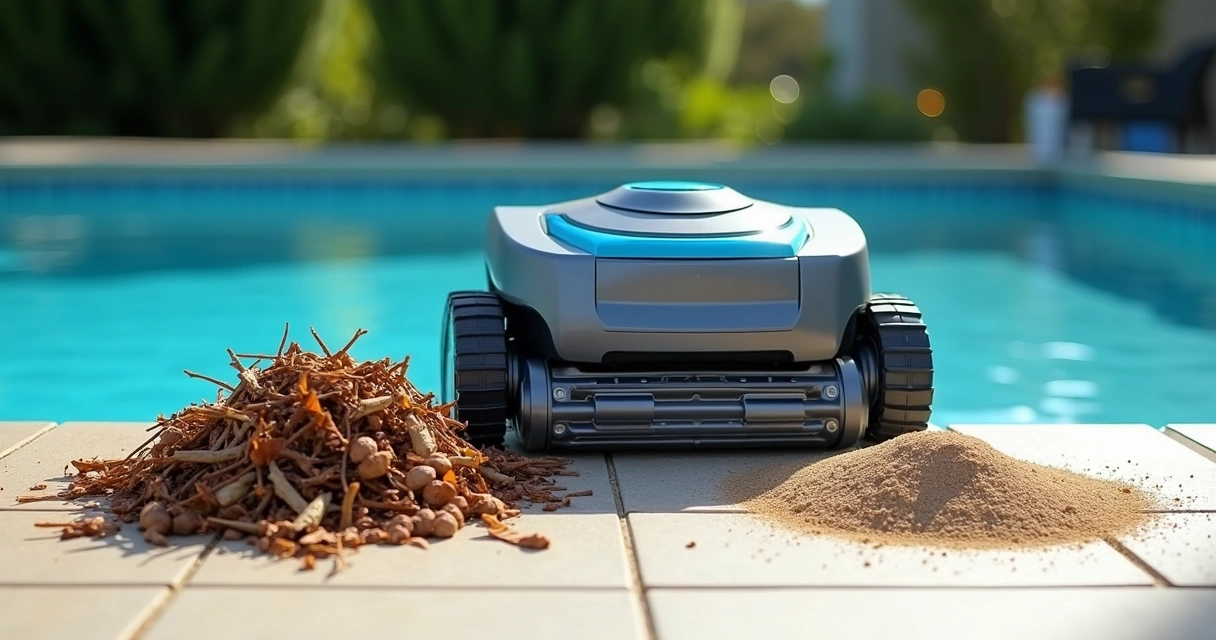
Those pools usually do better with a robot that has a large canister system that is easy to remove, hose out, and put back. On the other hand, some pools mostly collect fine dust, dirt, pollen, and sandy sediment. In that case, I would look for ultra-fine filtration instead.
Surface matters too. Concrete and tiled pools are rougher and tend to hold algae and calcium on walls, steps, and waterlines. Fibreglass pools are usually a bit easier to manage, so they may not need the same level of scrubbing force.
Match the robot to the mess.
Bag or canister filtration?
This is one of the first choices I would make because it affects day-to-day use, not just cleaning results.
Bag style cleaners are usually better for fine dust, dirt, pollen, and sandy sediment.
They can trap very small particles, and some ultra-fine filtration models can filter down to about 2 microns. That is useful when the pool looks dusty even after a standard clean. The trade-off is simple. Bag systems can take a bit longer to empty and wash properly.
Canister style cleaners are often better for leaves, gum nuts, twigs, and heavier debris.
In my view, they are easier for many homeowners because you can pull the canister out, hose it clean, and put it back in quickly. If your pool sits under trees, that ease matters. After a windy day, no one wants a slow cleanup process.
For readers who like learning more about routine care, I suggest browsing practical maintenance resources such as pool maintenance guides and a clear walkthrough on how to clean a pool filter cartridge. I find these topics connect well because a robot helps, but the whole system still needs attention.
Corded or cordless?
I have seen cordless robots attract a lot of attention because they look simple and tidy. And yes, they can be very convenient. There is no cable to manage, and dropping them in the pool feels easy.
Still, battery life matters. In larger pools, or in pools with lots of leaf litter, cordless models may need more than one cleaning cycle to finish the job well. That can be frustrating if you expected one pass and done.
Corded robotic pool cleaners are often the more reliable choice for large pools or heavy debris conditions.
For smaller pools, cordless can be a great fit. One example is the Madimack GT Freedom i30 Cordless Robotic Pool Cleaner, which suits floors, walls, steps, and waterlines. I think that kind of versatility is useful when you want broad cleaning coverage without going too far into high-end extras.
If you are interested in the wider shift toward smart pool gear, there are good reads on pool automation topics and automation for pool owners. It fits nicely with what MyPoolMate does, since smarter choices come from knowing your pool well, not just buying more equipment.
Why wall-climbing matters
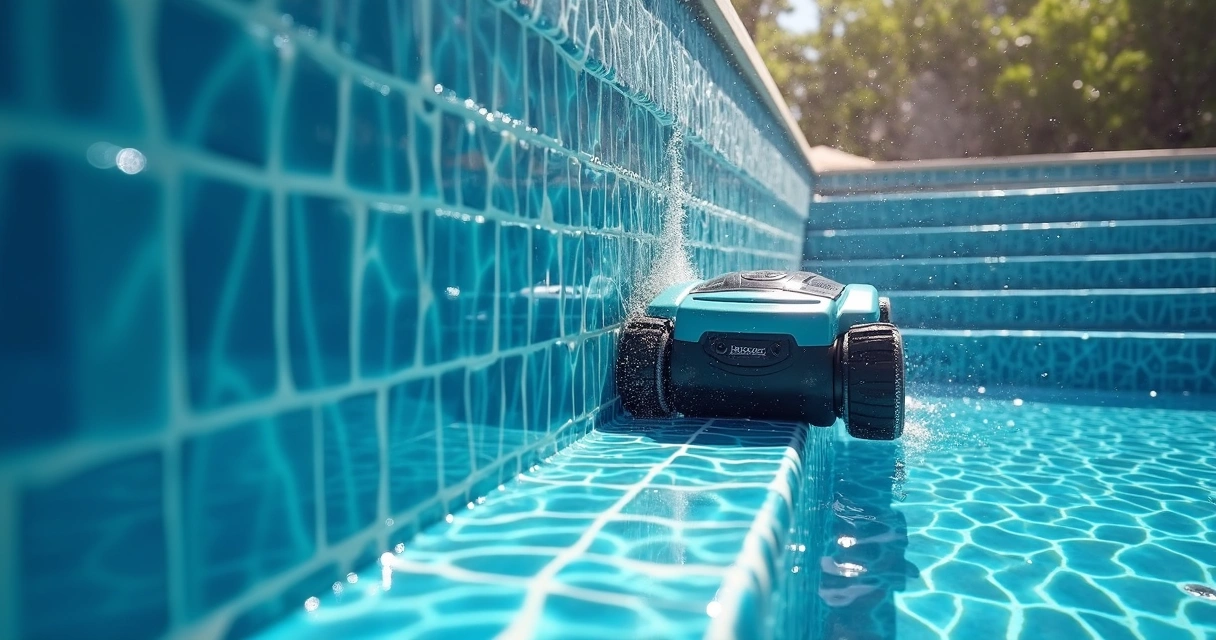
Some floor-only robots can be fine for a small plunge pool. I would not rule them out. But in most family pools, the dirt story is not just on the floor. Grime, algae, and calcium often build up on walls, steps, and the waterline.
That is why I usually lean toward wall-climbing cleaners, especially for concrete or tiled pools. If the robot scrubs those surfaces regularly, you do far less manual brushing.
I once saw a concrete pool that looked fine from a distance, but the steps and tile line had the first signs of algae and scale. The owner was vacuuming the floor and wondering why the water kept slipping toward cloudy. The answer was on the walls. The robot was not reaching them.
Wall-climbing robots help keep pools cleaner for longer because they remove buildup where manual brushing is often skipped.
Regular robotic cleaning also helps stop debris from breaking down in the water. That can reduce the path toward cloudy or green pool water, which is a much nicer outcome than trying to recover the pool later. MyPoolMate takes a similar root-cause approach with water testing, which is why I see good cleaning and good chemistry as a pair.
A simple way to choose
When I want to make the decision less confusing, I use this quick breakdown:
- Small plunge pool with light debris: floor or wall-climbing model, often cordless is fine
- Large family pool: stronger coverage, longer run time, often corded works better
- Pool under trees: canister style filtration for leaves, bark, gum nuts, and easy emptying
- Pool with fine dust or sandy sediment: bag style or ultra-fine filtration for smaller particles
- Concrete or tiled pool: strong wall climbing and active scrubbing brushes
- Fibreglass pool: lighter scrubbing can still work well if debris load is modest
If you want a product example on the lighter and compact side, the BWT COSMY Star Robotic Pool Cleaner is one of the models many pool owners look at for straightforward cleaning. I think examples help, but I still come back to the pool itself first.
Are robotic pool cleaners worth it?
Yes, for most people, they are worth it. They save manual cleaning hours and help keep water clear by removing debris before it breaks down. I think they are especially handy for pools near trees or pools exposed to windblown dust.
Most pools only need the robot running once or twice per week. In summer, after storms, or during heavy pool use, that may need to increase. If the yard drops a lot of leaves, I would not wait too long between runs.
With so many robotic cleaner options online, it can feel hard to compare features that may not matter for your pool. If you want a clearer recommendation, you can browse options online or call 02 9137 8914 for advice. And if you are in Illawarra and would rather hand the whole job over, there is also a professional pool servicing operation available.
I have also found that cost decisions make more sense when you compare them to ongoing care. A helpful starting point is this guide to pool maintenance costs in Australia.
My final view
I think the smartest buy is not the robot with the longest feature list. It is the one that suits your pool, your yard, and the kind of debris you actually deal with. If your pool is concrete, go for strong scrubbing and wall climbing. If your yard drops leaves all week, choose a canister that is fast to clean. If your problem is dust and sandy sediment, go finer on filtration.
If you want to make better pool decisions beyond just the cleaner, I suggest getting to know MyPoolMate. It helps pool owners track test results, spot the real cause of problems, and care for their pools with more confidence.
Frequently asked questions
What is a robotic pool cleaner?
A robotic pool cleaner is a self-contained machine that moves through the pool and collects debris into its own filter system. It can clean the floor, and in some models, the walls, steps, and waterline too.
How to choose the right model?
I would choose based on pool size, surface type, and usual debris. Large leafy pools often suit canister models. Dusty pools often need finer filtration. Concrete and tiled pools usually need stronger wall climbing and scrubbing.
Are robotic pool cleaners worth it?
Yes, for most pool owners they are worth it. They reduce manual cleaning time and help keep water clearer by removing debris before it breaks down and affects water quality.
How much do robotic pool cleaners cost?
Prices vary by size, cleaning coverage, filtration, and whether the unit is corded or cordless. Entry models cost less, while wall-climbing and longer-run models cost more. I think the better measure is whether the cleaner suits your pool and saves regular labour.
What are the top pool cleaner brands?
There are several well-known brands on the market, and many pool owners compare them online before buying. I suggest focusing less on brand reputation alone and more on whether the model fits your pool’s size, surface, and debris load.


