
A self-cleaning saltwater chlorinator is a pool chlorinator with a cell that changes the electrical direction across its plates to slow down scale build-up. I find that many pool owners hear the term and assume it means the unit somehow washes itself. It does not. So it makes sense to wonder how it really works.
First, I like to start with the basic saltwater process. A saltwater chlorinator uses an electric current to convert dissolved salt into sodium hypochlorite. That is the form of chlorine that sanitises the pool water. After doing its job, it breaks down and returns to salt, so the cycle keeps repeating. In normal use, this is why most pools only need salt added once or twice a year, not every week.
A saltwater chlorinator makes chlorine from salt already in the pool water, then repeats that cycle again and again.
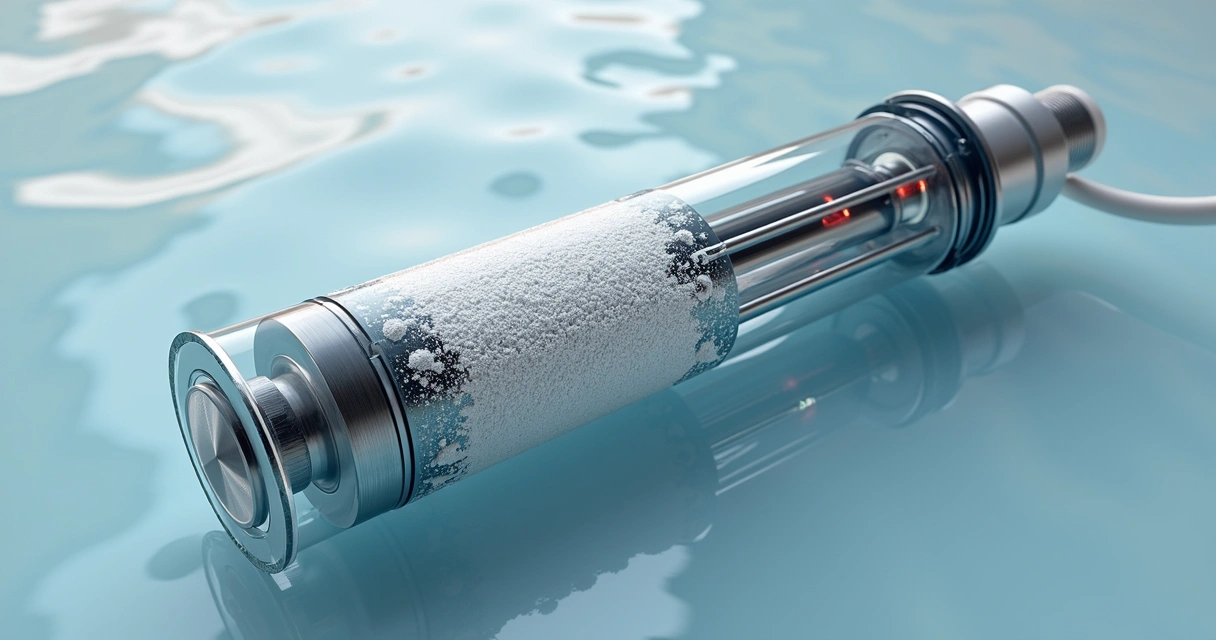
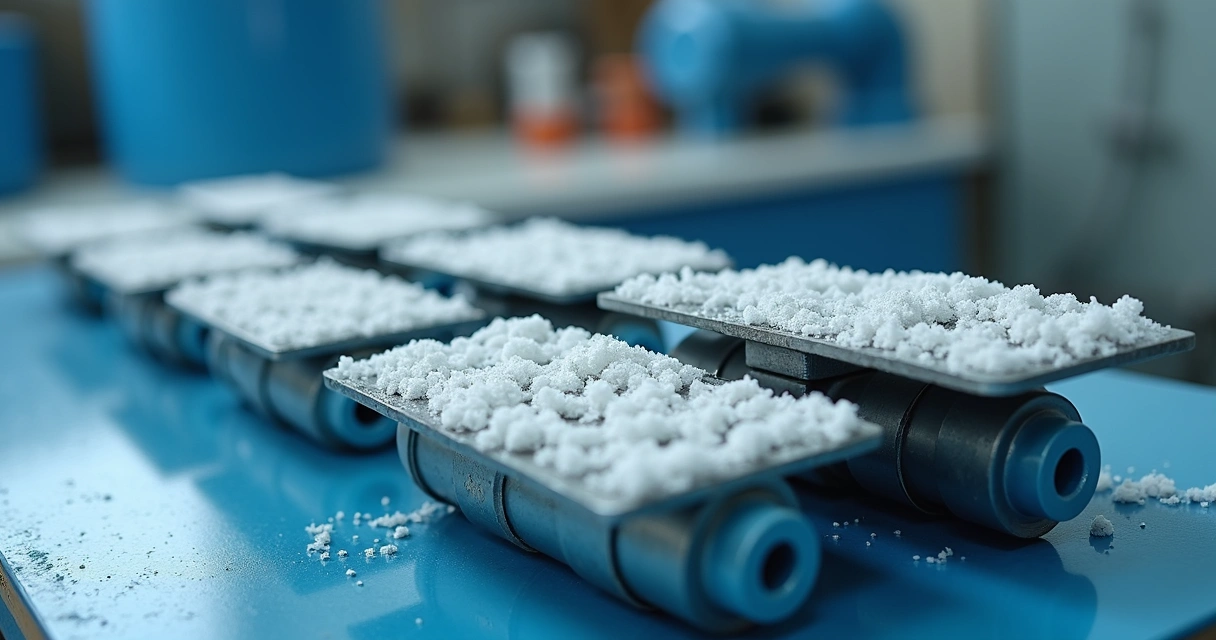
It sounds clean and simple. In many ways, it is. But there is a catch. While the cell is making chlorine, the electrodes also create heat and sodium hydroxide. That local change around the plates encourages dissolved minerals such as calcium, phosphate, silicate, and sulfate to leave the water and attach themselves to the cell. Over time, they form scale.
Why scale causes trouble
I have seen many pool owners ignore a lightly scaled cell because the pool still looks fine. A few weeks later, the chlorinator starts struggling. That is how scale sneaks up on people.
Scale is a problem for three plain reasons:
It traps heat on the electrodes, and that extra heat can damage the cell and shorten its working life.
It acts like an insulator, so electrical flow drops and the chlorinator has to work harder, which creates even more heat.
It blocks water from touching parts of the plates, so chlorine output falls and the pool can lose sanitiser.
Scale reduces chlorine output while also putting more stress on the chlorinator cell.
Less contact. Less chlorine.
That is why cell cleaning matters. If you want a broader look at chlorine systems, I suggest reading this guide to how pool chlorinators work, their types, benefits, and common mistakes. I think it helps make the scale issue easier to understand.
Why minerals stick to the cell
The simple version is charge. Many minerals in pool water carry a positive charge. In regular operation, the chlorinator cell has electrodes with a negative charge. Opposites attract, so those minerals are drawn toward the plates and begin collecting there.
At first, the layer may be so thin that you barely notice it. Then the white crust thickens. I have seen cells that looked almost furry with mineral deposits. Once that happens, chlorine output can drop fast.
Water balance also plays a part. High calcium hardness, high pH, warm water, and poor flow all make scale form faster. This is one reason I like tools such as MyPoolMate. When an app tracks test history and pool conditions together, it is easier to spot the pattern behind repeat scaling instead of guessing each time.
How self-cleaning models slow scale build-up
Self-cleaning chlorinators deal with scale by reversing polarity. In other words, the cell changes which plates are positive and which are negative. This can happen automatically, on a timer, on a set schedule, or manually, depending on the model.
When the polarity reverses, the plates that were attracting positively charged minerals begin repelling them. That change makes it harder for scale to keep building in the same way. Some deposits loosen before they become thick and stubborn.
Self-cleaning chlorinators prevent heavy scale by reversing polarity and disrupting mineral attachment on the cell plates.
I think this is where the name can mislead people. The unit is not scrubbing the plates spotless. It is simply making conditions less friendly for scale to collect quickly.
If you use a brand or system with its own settings, a model-specific setup guide can help. For example, this Axis salt chlorinator guide may help owners understand timing, output, and cleaning checks.
What self-cleaning does not do
Here is the part many people need to hear. Self-cleaning does not mean maintenance-free. The polarity change only helps stop some minerals from collecting if they have not fully set already. It does not erase existing thick scale in one go.
Some scale will always collect. The difference is that it is usually lighter than on a non-self-cleaning chlorinator, and much easier to remove. In many cases, a hose rinse is enough. Only now and then will a cell need an acid soak, and even then it should be done carefully and not too often.
I always tell people to inspect the cell with their own eyes from time to time. Trusting the label alone is a mistake. If your water balance is off for weeks, even a self-cleaning unit can end up with a hard white layer.
Why cleaning intervals are longer
Traditional chlorinators can need frequent cell cleaning, especially in hard water areas or during hot months. Self-cleaning models usually let you go much longer between cleanings because scale does not get the same chance to build into a thick blanket.
That longer gap has a few real benefits:
Less manual cleaning work through the season.
Less need for acid washing, which can wear the cell if overdone.
More steady chlorine output between inspections.
If your chlorinator still shows poor output, low flow, or salt warnings, the issue may not be scale alone. I recommend reviewing these common salt water chlorinator issues and fixes to narrow it down.
Good water balance still matters
Even the best self-cleaning unit works better when the water is balanced. I have found that high pH is one of the biggest reasons scale returns too fast. Salt level matters too. If salt is too high, too low, or measured badly, the system can behave in odd ways. For that, this practical guide to fixing high pool salt levels is a helpful reference.
For ongoing care, I also like to keep general chemistry advice in reach. You can find more maintenance tips in the pool chemistry section, including ways to keep pH, calcium, and sanitizer in a better range. If you want more detail on cleaning steps, check the salt water cell cleaning guide as well. It can help you decide when a simple hose-off is enough and when a deeper clean makes sense. I also suggest keeping an eye out for seasonal offers if you are planning a cell check, replacement part, or wider maintenance review.
My final take
In my experience, self-cleaning saltwater chlorinators are worth the attention because they slow the build-up that causes heat stress, weak chlorine production, and early cell wear. They do this by reversing polarity, not by making scale vanish. That is a practical difference. A very useful one.
If you want fewer cleanings and steadier output, a self-cleaning cell is a smart step, but only when it is backed by good testing and regular checks. That is where MyPoolMate fits naturally. It helps pool owners track results, spot water balance patterns, and make treatment choices based on the pool in front of them. If you want clearer guidance and less guesswork, I suggest getting to know MyPoolMate and using it as part of your pool care routine.
Frequently asked questions
What is a self-cleaning saltwater chlorinator?
A self-cleaning saltwater chlorinator is a chlorinator with a cell that reverses electrical polarity to slow mineral scale from building up on its plates. It still makes chlorine from salt in the water, but it helps reduce the rate at which deposits collect on the electrodes.
How does it prevent scale build-up?
It prevents heavy scale by reversing the charge on the cell plates. Many dissolved minerals are positively charged, so they are drawn to negatively charged plates. When the polarity flips, that attraction is interrupted and some minerals are repelled before thick deposits can form.
Is a self-cleaning chlorinator worth it?
I think it often is, especially if your pool tends to form scale. It usually means longer gaps between cleanings, less harsh cleaning, and more stable chlorine output. It does not remove all maintenance, but it can reduce the amount of work and stress on the cell.
How often do I need to clean it?
That depends on water balance, calcium hardness, temperature, and run time. In many pools, self-cleaning cells need cleaning less often than standard cells. I still suggest regular visual checks. Light deposits may rinse off with a hose, while heavier scale may only rarely need an acid soak.
What maintenance does a chlorinator need?
A chlorinator still needs routine care. I would check the cell for scale, confirm the salt level is correct, keep pH and calcium in range, make sure water flow is good, and watch for warning lights or low output. Keeping test history in a tool like MyPoolMate can also help you catch repeat problems before they grow.