
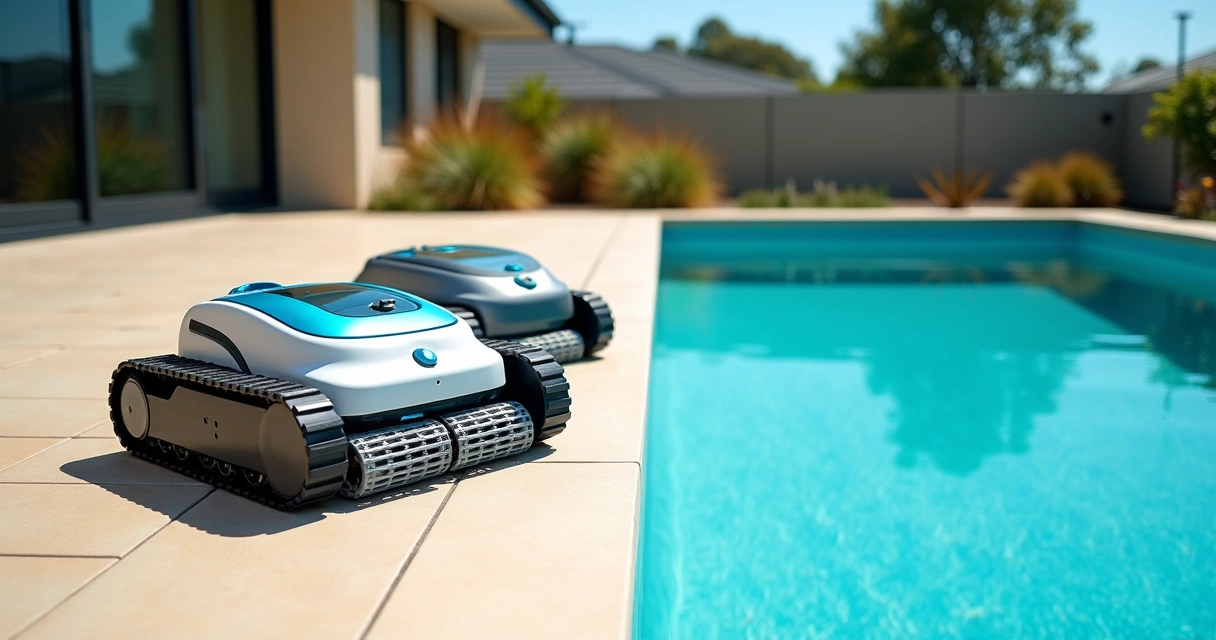
Choosing a pool cleaner shapes how clean and enjoyable my pool will be. I have learned that the right choice depends on the pool itself, not on simple blanket advice. Size, depth, surface type, construction material, shape, and even trees or dust around the pool all change what works best. The best pool cleaner is the one that suits your pool’s real conditions, not the cheapest one on the shelf.
I also think it helps to look past the upfront price. A cleaner that lasts longer, scrubs better, and needs fewer repairs often gives better value over time. When I compare models, I include maintenance, repairs, and replacement parts in the total cost. In Australia, climate matters too. Heat, fine dust, heavy leaf load, storms, and strong sun can wear out weak cleaners fast, so I always prefer models built for local conditions.
When I review options, I read customer feedback and expert reviews because real use tells me far more than marketing claims. I also lean toward well-known brands and proven models, since they usually clean more consistently and need less attention. Warranty terms matter as well. A longer, clearer warranty gives peace of mind. I also like energy-saving, eco-conscious designs, plus smart features such as automation, app controls, and cleaning schedules. Tools like MyPoolMate fit well here, because good cleaner choice works best when paired with data on debris, chemistry, and routine care.
Start with your pool, not the cleaner
I once saw two neighbours buy the same cleaner and get very different results. One had a small concrete pool with a deep end. The other had a larger fibreglass pool under gum trees. Same cleaner. Different outcome. That is why I always start with the pool first.
These are the factors I check before I compare models:
Pool size and water volume
Depth changes and steep walls
Surface type such as concrete, vinyl, or fibreglass
Pool shape, steps, ledges, and corners
Nearby trees, wind, insects, and dust
Saltwater or chlorine setup
A cleaner that struggles on your surface or misses debris in your setting is not a bargain, even if it costs less.
If I am unsure how these details affect my maintenance plan, I like reviewing practical guides in the maintenance section and comparing my pool habits with a local guide like this Queensland pool maintenance article.
Know the main cleaner types
I find it easier to choose when I group cleaners by how they work. Each type suits a different kind of owner and pool.
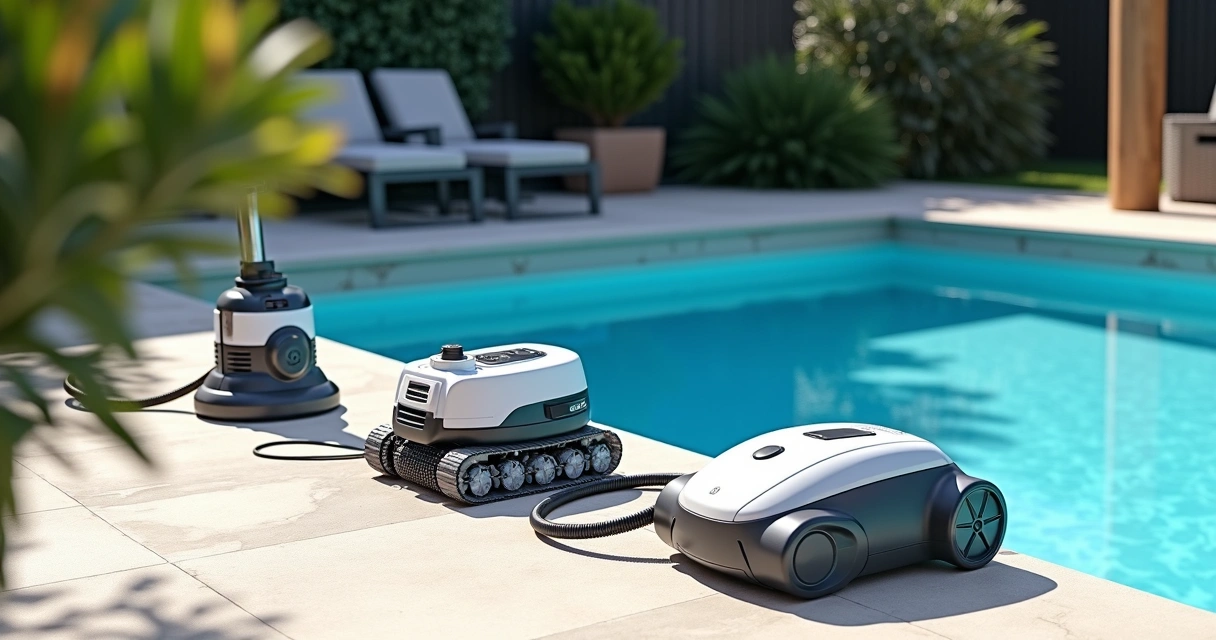
Suction cleaners connect to the pool’s suction line. They are often simpler and can be a good fit for lighter debris loads. Pressure cleaners use return water pressure and usually handle leaves better, especially in outdoor Australian pools. Robotic cleaners run separately from the pool system and often offer better wall climbing, smarter coverage, and easier debris collection.
Match the cleaner to the mess.
If my pool gets fine dust and gum leaves, I usually look beyond basic options. If I want less manual work, robotic models are often more appealing. If I want solid leaf pickup with strong movement, pressure cleaners can be a smart pick.
Compare value over total cost
Price matters, but I never stop there. A cleaner can look affordable at first and then cost more through parts, service calls, or poor performance. That is why I compare the full ownership cost.
I usually look at:
Purchase price
Filter bags, cartridges, or wear parts
Repair frequency and service access
Power use or impact on pump runtime
Expected life in hot Australian conditions
For owners trying to budget more carefully, I think this breakdown of pool maintenance costs in Australia gives useful context. Long-term value comes from durability, dependable cleaning, and lower ongoing costs.
Look for features that save time
I like cleaners that make pool care simpler, not just cleaner. Smart features can reduce the little jobs that add up every week. Remote control, programmable cycles, full-bin alerts, and mapping systems all help. In my experience, automation is most useful when life gets busy and the pool still needs attention.
Good pool care also works better when cleaner use lines up with water testing and routine tasks. That is one reason I see value in MyPoolMate. If I can track the pool’s condition, test history, and recurring jobs in one place, it becomes easier to know whether the cleaner is solving the right problem or just covering it up.
If the cleaner relies on clean filtration to work well, I make sure filter care stays on schedule. This guide on cleaning a pool filter cartridge is a handy reference.
Recommended models to consider
I think a short model list helps, as long as it stays practical and tied to pool needs.
The Polaris 3900 Sport is a strong pressure-side choice for pools that collect heavier debris. The Polaris 360 is another pressure cleaner worth a look if I want solid all-round cleaning without going too far up in cost. The Dolphin X40 Plus suits owners who want robotic cleaning, wall coverage, and modern control features. The Zodiac AX20 Activ is a good option for those who want active suction cleaning with broad compatibility.
I would not call one model perfect for everyone. Instead, I would say each fits a different mix of debris load, pool surface, and budget. That is why I suggest checking a broad range of pool cleaners made for different spending levels and preferences before deciding.
Check reviews, warranty, and support
I trust patterns more than promises. If many owners report the same weak parts or missed spots, I take that seriously. If reviews mention easy servicing and reliable support, that counts too. Warranty details deserve close reading, especially what is covered, how long it lasts, and whether wear parts are excluded.
I also think support after purchase matters more than many buyers expect. A cleaner may be well made, but I still want access to parts and help when needed. For people who prefer smarter, data-based pool care instead of sales-driven advice, this article about a pool care app that does not sell chemicals is well aligned with that approach.
My final view
When I choose a pool cleaner, I try to think beyond a quick sale. I look for a model that suits the pool, handles Australian conditions, offers fair running costs, and comes with strong warranty support. I also prefer cleaners that save time through automation and thoughtful design. Pool Shop has built a strong reputation as a trusted supplier in Australia, with a wide range of products and leading brands, a price match guarantee, fast delivery, and personal service at the shop in Unanderra near Wollongong. If you want a cleaner that matches your pool more closely and a smarter way to manage care after purchase, I suggest getting to know MyPoolMate and seeing how its pool-aware tools can support better day-to-day decisions.
Frequently asked questions
What is the best pool cleaner type?
In my experience, the best type depends on the pool and the debris. Robotic cleaners suit owners who want easier cleaning and smart features. Pressure cleaners are often a good match for heavy leaf loads. Suction cleaners can work well for simpler setups and lighter debris.
How much do pool cleaners cost?
Costs vary by cleaner type, brand, and features. I think buyers should count more than the sticker price. Include replacement parts, maintenance, repairs, and power use. A more expensive cleaner can still be better value if it lasts longer and cleans more reliably.
Are robotic pool cleaners worth it?
I think they often are, especially for busy pool owners. They usually offer better coverage, easier debris handling, and less strain on the main pool system. If time savings and convenience matter to you, a robotic cleaner can be a very good buy.
How to choose for a saltwater pool?
I look for a cleaner built with materials that handle salt exposure well and check the maker’s guidance on saltwater use. It also helps to match the cleaner to the pool surface and debris type. Good warranty terms are a plus, since saltwater pools can be harder on some parts over time.
Where to find the best pool cleaners?
I would start with a trusted Australian supplier that offers a wide range of proven models, clear warranty support, and real help after purchase. I also compare customer feedback, expert reviews, and whether the cleaner suits my pool’s shape, surface, and surroundings before I buy.