

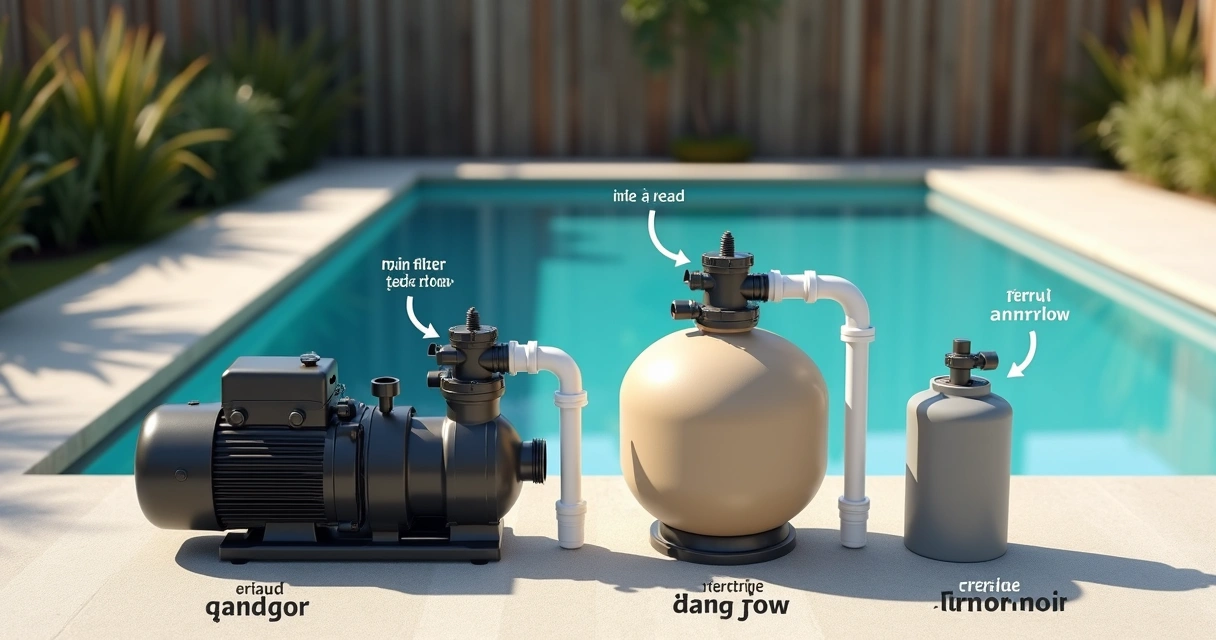
I have seen many pool owners treat pump selection as a simple pool-size decision. In my experience, that is where trouble starts. The right swimming pool pump helps keep water clear, supports pool health, and keeps extras like heaters, chlorinators, cleaners, spas, and water features running the way they should. If the pump and filter do not suit each other, the whole system can struggle.
Choosing a pool pump is really about matching the pump to the filter so the system runs at the correct flow rate.
That flow rate matters more than many people think. When I look at pool setups, I do not just ask how many litres the pool holds. I ask what filter is installed, what features the pool has, and how the owner uses it. That is also why tools like MyPoolMate are useful in the real world. When your pool details, test history, and equipment notes sit in one place, it becomes much easier to make sensible equipment decisions instead of guessing.
Start with the filter, not the pump
If I were helping a pool owner from scratch, I would start with the filter type first. Most home pools use either a sand filter or a cartridge filter, and each one has different flow needs.
Sand filters need special care when you size the pump. They have both a minimum and a maximum flow rate. The minimum flow rate matters because the filter must be able to backwash properly. Without enough water movement, the sand bed will not clean well. The maximum flow rate matters because too much water can tunnel through the sand instead of being filtered properly.
With a sand filter, the pump must stay within the filter’s minimum and maximum flow range.
I always tell people to check the manufacturer guidelines for those numbers. They are not optional. They are the safe working limits of the filter.
Cartridge filters are more flexible. They do not need a minimum flow rate in the same way because they are not backwashed. That gives you more freedom when choosing a pump, especially if you want lower running speeds. Still, the maximum flow rate matters. Push too much water through a cartridge filter and you can reduce filtration quality and place more strain on the system.
Flow rate comes first.
If you want to understand routine care around this part of the system, I suggest reading some broader pool upkeep topics in this maintenance section and the regional advice in this Queensland pool maintenance guide. I have found that climate, debris load, and swim season all affect how well a pump and filter pairing performs over time.
What goes wrong when equipment is mismatched?
I have seen big pools fitted with small filters, and that usually creates a chain of compromises. A common example is a 70,000-litre pool with only a 21-inch or 25-inch filter. In cases like that, the owner often needs a much smaller pump than expected just to stay within the filter’s limits. The result can be longer run times, slower cleanup, and frustration when adding features like heating or automatic cleaning.
On the other side, an oversized pump and oversized filter can waste power and money. Bigger is not always better. Some owners buy the largest pump they can afford, thinking it will solve every problem. I think that idea causes more pain than benefit. High flow can create wear, noise, and avoidable energy bills.
- Small filter plus large pool can lead to weak cleaning performance.
- Pump too strong for the filter can reduce filtration quality.
- Equipment that is too large can raise running costs without giving better water.
This is one reason I like a data-based approach. MyPoolMate, for example, encourages owners to record pool volume, surface type, and equipment details. When that information is clear, choosing the next pump or filter becomes less emotional and more practical.
Energy-saving pump options
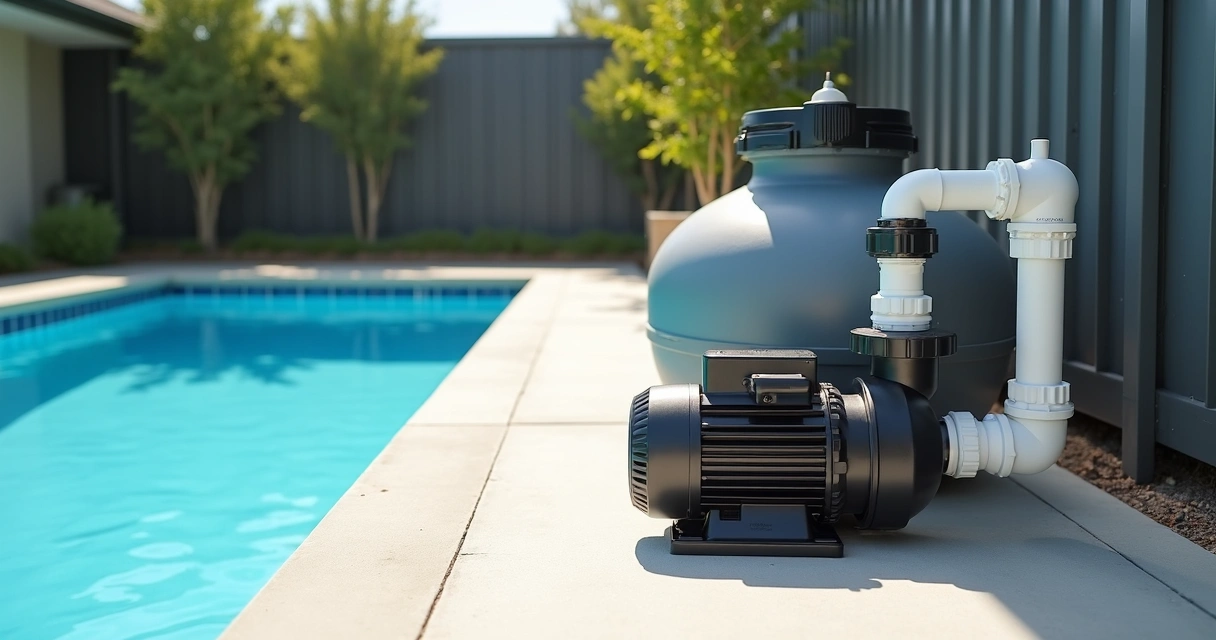
In recent years, I have noticed a strong move toward greener pumps. Newer models often come in a useful spread of power options, from 1Hp to 2Hp. That gives pool owners more choice when trying to match a pump to the filter’s flow range. Even if the filter is large, having multiple pump options can make it easier to balance normal filtration and backwashing needs.
Variable-speed pumps are also worth a close look. They let owners adjust the flow based on the task. Lower speeds can be used for daily circulation. Higher speeds can be used when extra movement is needed.
Variable-speed pumps can lower power use and may help the pump last longer because they do not need to run flat out all the time.
I like this approach because it fits real pool life. A quiet low-speed setting for daily filtering feels very different from an old fixed-speed pump running at full output every day. It is calmer. It is cheaper to run. It often suits cartridge systems very well too.
Why filter size still matters
Even with a good pump, the filter still needs to be the right size. If the filter is too small, it will not clean well and may need more frequent cleaning or backwashing. If it is too big, the water can move too slowly, and energy use may climb depending on how the system is set up.
When I think about filter size, I look at more than litres alone. I also consider:
- How often the pool is used
- Whether the pool has a spa, heater, or waterfall
- How much leaf litter and dirt enter the pool
- How much time the owner wants to spend on cleaning
This is a good point to speak with a pool expert who can review your whole setup. A filter should fit the pool, the pump, and the way you live with the pool. If you want extra help staying organised after installation, I think a platform like MyPoolMate can help keep service notes, tasks, and test trends together so future equipment choices are easier.
Maintenance keeps the system working well
I once visited a pool where the owner was ready to replace the pump, convinced it had failed. The real problem was a dirty cartridge and a neglected pump basket. After a proper clean, the system came back to life. That moment stayed with me.
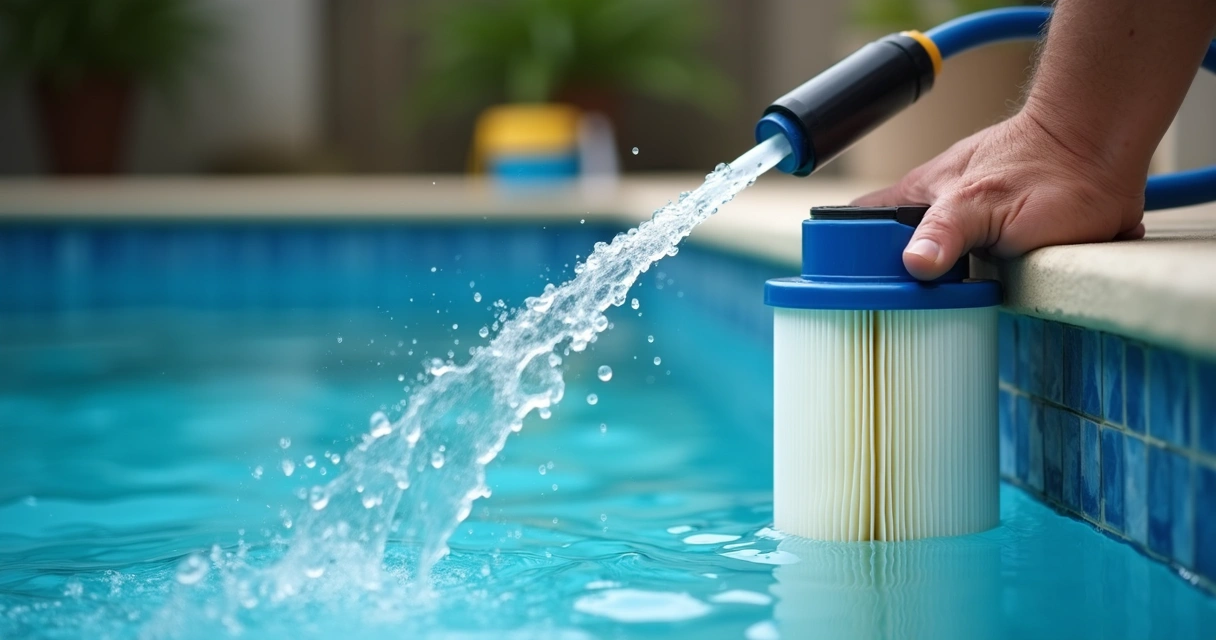
Good equipment still needs regular care. Keep the system tidy. Clean or backwash the filter when needed. Replace worn seals, cartridges, or damaged parts before they cause larger issues.
If you need help with practical upkeep, I recommend this guide on how to prime your pool pump and this article on how to clean a pool filter cartridge. I also found value in the broader reading at this maintenance category for owners who want to build better habits.
Conclusion
When I choose a pump and filter, I do not look at pool size alone. I look at filter type, flow limits, pool features, running costs, and greener options. Sand filters need both minimum and maximum flow rates respected. Cartridge filters give more flexibility, but they still have a maximum limit. A poor match can waste money or leave the water below standard. A smart match can save power, support cleaner water, and make the whole pool easier to manage over time.
I also think it helps to get tailored advice before buying, especially if your pool includes heating, cleaning systems, a spa, or water features. For Australian pool owners who want a clearer view of their pool setup and maintenance patterns, MyPoolMate is a practical place to start. Use it to keep your pool details organised and make better treatment and equipment decisions with more confidence.
Frequently asked questions
What is a pool pump used for?
A pool pump moves water through the circulation system. It pulls water from the pool, sends it through the filter, and helps supply water to heaters, chlorinators, cleaners, and other features. Without the pump, the water would sit still and become harder to keep clean.
How to choose the right pool filter?
I would choose a pool filter based on pool volume, how often the pool is used, and whether the pool has extras like spas or waterfalls. Then I would match the filter to a pump that can deliver the right flow rate. For sand filters, always check the minimum and maximum flow rates. For cartridge filters, stay under the maximum flow rate.
What size pool pump do I need?
The right pump size depends on the filter more than many people expect. I would first check the filter’s rated flow range, then choose a pump that fits within it while still supporting the pool’s features. New pump sizes from 1Hp to 2Hp, plus variable-speed options, give owners more control than older one-size choices.
How much does a pool pump cost?
Pool pump cost varies based on pump size, motor type, and whether it is a fixed-speed or variable-speed model. A basic pump usually costs less upfront, while a variable-speed unit often costs more to buy but may lower running costs over time. I think the better question is total ownership cost, not just the purchase price.
What are the best pool pump brands?
The best pool pump brand for you is the one that suits your filter, pool size, and local service needs. I would focus on build quality, warranty support, energy use, available speeds, and how well the pump matches your existing equipment. A trusted Australian pool supply store can help compare suitable options for your setup.


