
If you’re like me, and you love relaxing by your own backyard pool, you might have wondered if having this luxury is more of a splurge than you first thought. I have spent years breaking down the real expenses of looking after a pool in Australia – and now I want to share what I’ve learned. Pool ownership is not just about the upfront construction cost. The ongoing upkeep can be surprising for many Australians. In this guide, I will show you clear numbers for monthly and yearly costs, help you see what affects those numbers, offer real strategies to lower your spending, and explain when DIY is practical or when it’s best to call in a professional. I’m also excited to show you how tech like MyPoolMate can make all of this a whole lot simpler.
What’s the typical cost to maintain a pool in Australia?
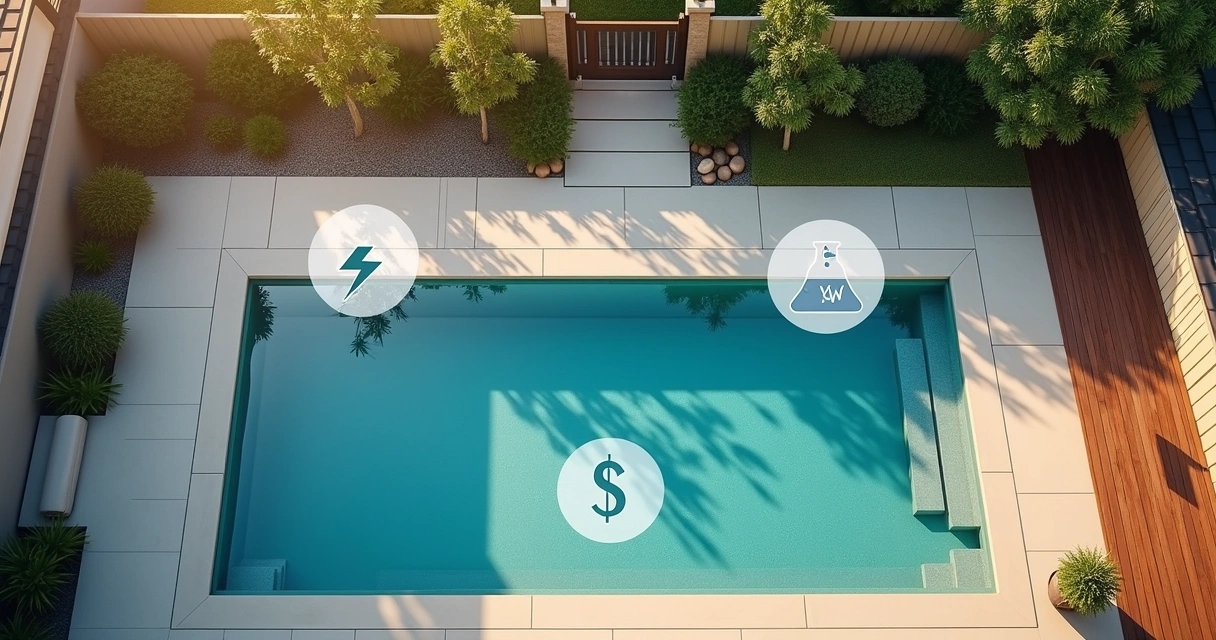
When I started tracking my own spending, I was a little shocked at the yearly amount. Most residential pool owners can expect typical annual pool maintenance to cost between $1,500 and $3,500, with the majority falling closer to the middle of that range. On a monthly basis, this means setting aside anywhere from $130 to $300.
The costs do go up if your pool is larger, heated, gets more use, or you’re hiring someone for regular service. But even for modest backyard pools, there’s a steady outflow: chemicals, electricity, water for top-ups, equipment wearing down and sometimes calling in a technician for unexpected issues.
The pleasure of a sparkling pool is matched only by its ongoing demands.
Here's how those costs usually add up per year:
- Chemicals: $250–$650
- Electricity (pumps, filters, lights, sometimes heaters): $400–$1,400
- Water top-ups and evaporation: $100–$300 (and sometimes more in drought-prone regions)
- Equipment servicing, parts and repairs: $150–$650
- Professional service visits (if used): $650–$2,000
I will break down these numbers in more detail coming up. For now, keep in mind: some of these costs are avoidable, others aren’t. But with a clear understanding of each, you can take control.
Cost breakdown: where does the money go?
Chemicals (sanitiser, balancing chemicals, algaecide, clarifiers, etc.)
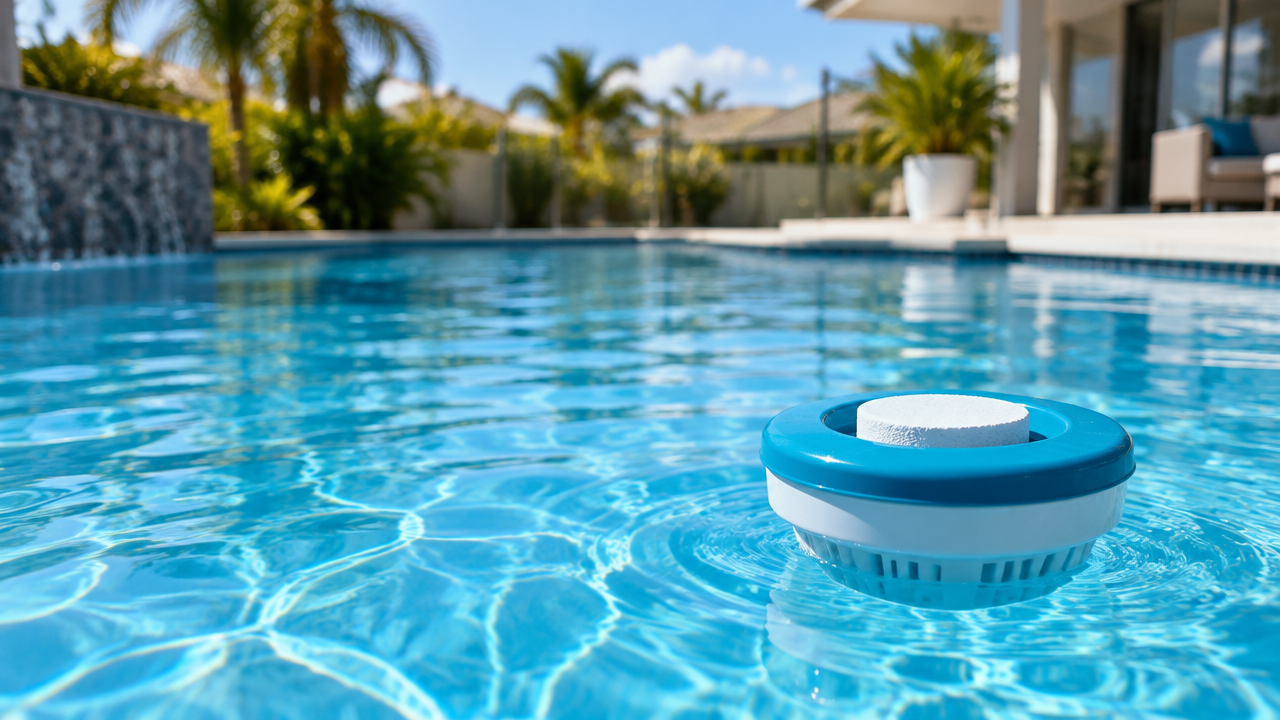
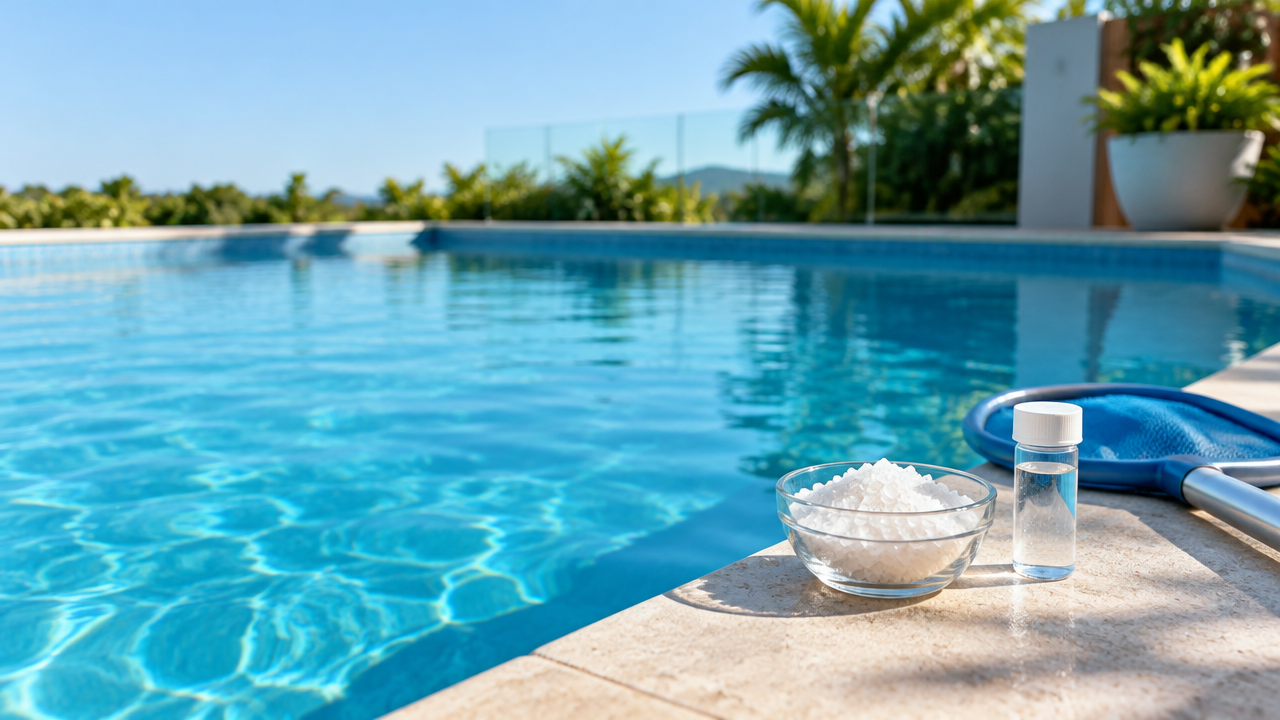
For most Australian pools, chemicals are the most visible recurring cost. These include chlorine or salt (for saltwater systems), pH balancers, alkalinity adjusters, stabiliser, algaecide (especially in summer), and clarifiers. Most homeowners spend $20–$60 per month on chemicals, with peaks during hot weather or after storms.
I've seen that careless or “one-size-fits-all” advice from pool shops can cause major overspending. Tools like MyPoolMate are designed to stop you from buying what your pool doesn’t need by looking at your actual test results, not just average rules.
Electricity (pump, filter, heater, pool lighting)
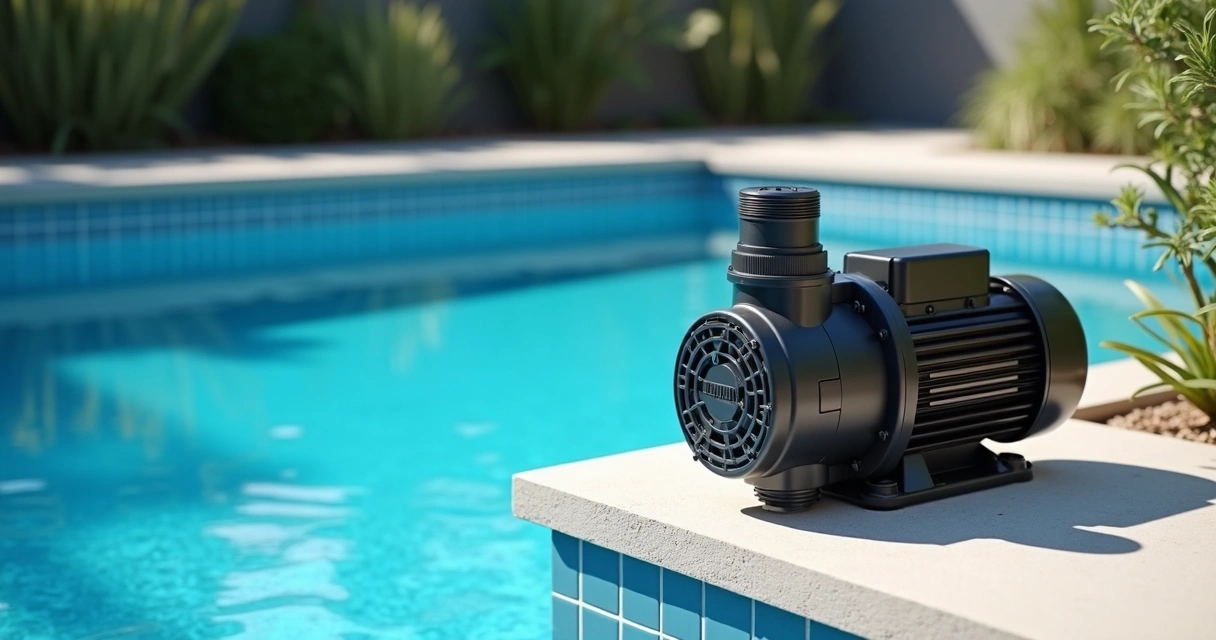
The pool pump alone often adds $400–$900 per year to an average-sized pool’s bill according to Sustainability Victoria studies. Older, inefficient pumps cost more to run and in hot climates, running time stretches longer per day. Heating (gas, electric, or heat pump) quickly multiplies your spend. A solar heater has an upfront cost but very low running costs; however, an electric or gas heater can add $250–$1,500 or more to your annual tally if you use it regularly.
Water top-ups (evaporation, splash-out, backwashing filters, minor leaks)
If you’re in a dry part of Australia, you might not realise how much water your pool loses to evaporation. A standard backyard pool may need anywhere from 10,000 to 20,000 litres topped up each year. In drought-prone areas or with lots of splashing, this cost can be even higher.
Water costs might not be your biggest line item, but if local restrictions hit, top-ups can suddenly get expensive or even subject to fines.
Equipment servicing and repairs
Even with careful maintenance, pool equipment does wear out: replacement filters and baskets, worn O-rings, pump or chlorinator repairs, and vacuum parts. Budgeting $150–$650 per year is smart. Occasionally, major repairs (for example, a burned-out pump or chlorinator) will need hundreds more.
I always recommend regular visual inspections, routine backwashing, and smart, early intervention to minimise big bills. It’s a reason MyPoolMate users tell me they enjoy having a full pool history with photo galleries to spot slow-developing wear.
Service and labour
Many of us do a lot ourselves. But if you call in a monthly professional for cleaning, checks, or recovery, services usually run $75–$150 per visit. That brings annual costs as high as $2,000–$2,500 for pools where every week is handled by a technician.
Some owners prefer “hybrid” care – DIY routine work with the odd check-in or emergency handled by an expert.
How key factors shape your costs
You might be wondering why your friend spends much less (or more) on their pool even if it’s about the same size. I’ve noticed some clear patterns that really shift total spending:
Size and volume
The biggest driver is the pool’s water volume and surface area. Larger pools mean more chemicals, longer pump times, more water loss, and bigger equipment to replace.
Surface material
- Fibreglass: Tends to have lower chemical needs as it’s smoother and less porous. Less chance of algae clinging and a bit easier to keep clean.
- Concrete: Is porous, needs more acid for pH correction, and is at higher risk for black spot algae. This slightly bumps up both chemical and labour costs over time.
- Vinyl liner: Has medium requirements but must be regularly checked for leaks and punctures, or you’ll face costly repairs.
Location and climate
Northern states like Queensland or Northern Territory get more evaporation, longer swimming seasons, and often require the pump to run more hours. Evaporation means more water bills, more chemicals lost, and sometimes increased algae risk. Those in cooler climates (think Tasmania, parts of Victoria and ACT) save on evaporation and chemicals but spend extra if they choose to heat their pool more frequently. It’s helpful to think about this in context with guides like the specific tips for pool care in Queensland.
Pool use patterns
The more the pool gets used – family with kids, frequent parties, pets jumping in – the more water needs topping up due to splash-out, and the more dirt, sunscreen, and debris requiring filtration and chemical adjustment. Heavy usage can even shorten the lifespan of some equipment.
Heated pools (electric/gas vs. solar vs. unheated)
Choosing to heat your pool with electricity or gas can quickly double, or even triple, total annual running costs, particularly in cooler regions. Solar heating carries a higher upfront price, but after that, ongoing costs are mostly limited to keeping the system clean and running.
Chlorine versus saltwater: does it change the bill?
This is one of the most common questions I get asked. Is one system cheaper to run than the other?
Traditional chlorine pools usually cost a little more to maintain in chemical spend per year because you’re buying chlorine more frequently and often need separate pH and stabiliser products.
Saltwater pools make their own chlorine through a process called electrolysis, using salt cells. That means you buy bags of salt at the beginning, and less ongoing chlorine. Maintenance is not zero – salt cells need cleaning and replacement every several years (usually $250–$600 for a cell), and pH still rises, so you have to adjust chemistry. When the salt cell wears out, there’s a larger, but less frequent, equipment charge.
Overall, after several years of tracking my own spending and reading countless stories from other owners, I’ve found that the annual costs of chlorine vs. saltwater pools end up surprisingly close over a 5- or 10-year window. Most differences depend on how well-matched your system is to your pool’s actual volume and bather load.
The most reliable way to avoid over-spending is to fine-tune chemical use and monitor equipment health – something digital tools like MyPoolMate help with by setting targets unique to your setup, not just general best guesses.
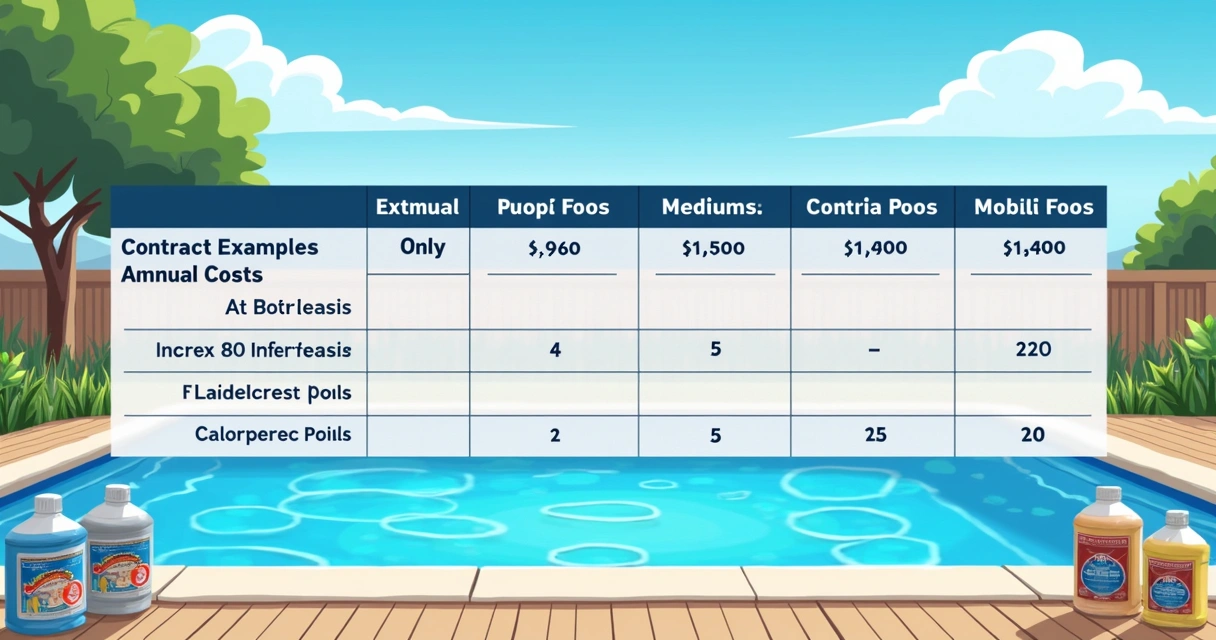
Table: Typical annual cost ranges by pool size and type
I get the most value out of seeing numbers side by side, so here’s a practical guide you can use as a reference:
-
Small Pool (20,000–30,000L, often fibreglass)
- Chemicals: $250–$350
- Electricity: $350–$500
- Water: $100–$180
- Equipment: $150–$200
- Annual Total: $850–$1,250
-
Medium Pool (35,000–55,000L, typical backyard size, concrete or fibreglass)
- Chemicals: $350–$550
- Electricity: $550–$1,100
- Water: $140–$240
- Equipment: $200–$350
- Annual Total: $1,240–$2,240
-
Large Pool (65,000L+, often concrete with heating, heavy use)
- Chemicals: $450–$700
- Electricity: $900–$1,400 (plus up to $1,500 if heated)
- Water: $180–$350
- Equipment: $300–$650
- Annual Total: $1,830–$3,600 (unheated), up to $5,000 (heated heavily)
I based the above figures on what I’ve seen myself, what’s shared in the detailed maintenance guides and user reports, and the latest government-backed estimates from Sustainability Victoria.
How seasonal changes affect pool ownership costs
Pools are often most expensive between November and March, when the water warms and evaporation, bather load, debris, and algae risk all shoot up. For me, summer adds about a third to my usual chemical and electricity bills. This means your annual plan must allow for those spikes – not just flat monthly numbers.
Winter doesn’t mean zero costs. Even covered and unused, a pool needs to be checked, circulated, and (at least in most regions) chlorinated every few weeks to stop it from turning green or damaging the plaster or filter. A tech solution like seasonal presets in MyPoolMate can help automate the changes needed for each time of year.
Ways to lower your pool maintenance spend
Every dollar counts, and over the years, I’ve seen some of the biggest improvements for myself and others in these areas:
- Installing an energy-efficient, variable-speed pump. Even a modest upgrade can cut running costs dramatically, according to extensive case studies from Sustainability Victoria.
- Using a pool cover when the pool isn’t in use. Covers lower evaporation, reduce chemical use, and often keep the pool a few degrees warmer. I’ve seen a 20–40% drop in water top-ups from proper cover use.
- Switching to solar pool heating for regular users. After the upfront purchase, your energy spend drops sharply, and you get more swimming months without high bills.
- Sticking to a steady schedule of brushing, skimming, and scrubbing before algae appears. Routine cleaning is almost always cheaper than chemical recovery after a problem.
- Tracking test results, water balance and tasks digitally. Connected tools like MyPoolMate help catch problems early, especially if you want personalised alerts or AI‑generated treatment plans.
- Reducing pump run time if combined with better filtration, cleaning, and water balance. Many people run their pumps longer than necessary.
- Checking local water authority guidelines for rebates, water restrictions or pool cover programs that can offset your expenses during droughts or high-usage periods.
For a truly deep breakdown of reduction ideas, the detailed analysis of pool care costs in Australia on the MyPoolMate blog includes even more data and tactic examples.
DIY pool care versus professional service: how to choose?
There’s a lot of pride and savings to be had by looking after your own pool, provided you’re comfortable with the work. Many Australians enjoy pool ownership specifically because they can handle weekly cleaning, chemical checks, minor repairs, and occasional big fixes. Routine DIY means a lower annual bill – typically $500–$1,200 less per year by skipping regular professional visits.
But not everyone has the schedule, physical ability, or confidence to handle all tasks. Sometimes, calling for help is better:
- If you experience a sudden algae bloom or a “green pool” disaster.
- When your pump, chlorinator, or filter suddenly loses pressure/starts making noise.
- For heavy stain removal, major acid washes, or repairs involving electrical wiring or pool structure.
- If you're away for weeks and can’t maintain the pool yourself.
I’ve found a hybrid approach works best for most people: DIY for regular easy jobs, and expert help for recovery plans, tricky repairs, or when something unexpected happens. MyPoolMate’s team features can also let you track your personal jobs and grant technician access when needed, without losing oversight of your pool’s records.
Long-term planning for your pool’s running cost
Pools are an investment that rewards careful, long-range thinking, not just short-term fixes.
I urge every owner to track both predictable and surprise costs over the years. This way, you can:
- Budget for chemical and equipment price changes.
- Spot patterns in seasonal or drought-affected bills.
- Plan ahead for large out-of-cycle purchases, like pump or cell replacement every few years.
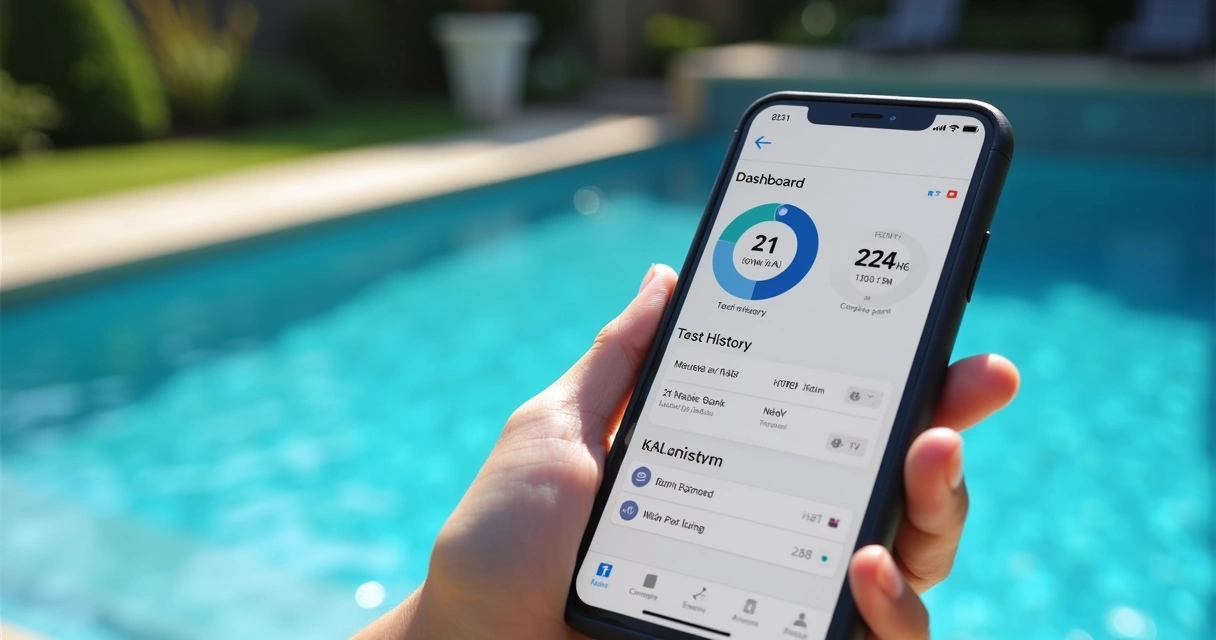
By logging each cost and decision, I’m not just staying on target with my own budget – I’m also creating a knowledge library that helps others, too. This is why MyPoolMate offers a complete test history, calendar and reminder tools, and adaptable recommended ranges, including for those with more than one pool or irregular usage.
How digital pool management is changing the game
One thing I’ve discovered in recent years: technology can personalise your pool plan better than generic advice, helping bring down both routine and “emergency” spending. Features I think stand out:
- AI-powered water testing. MyPoolMate scans and interprets even the trickiest pool shop printouts, reducing over-treating and missed trouble spots.
- Custom, pool-specific target ranges and adjustment recommendations for chemicals, rather than defaulting to average values.
- Automated alerts for unusual test results or missed maintenance, making it easy to take early action with recovery plans and chat-based help.
- Intelligent task lists that update themselves based on past test history and weather, so you’re not wasting money repeating jobs you don’t really need.
Together with detailed guides like these regular maintenance tips or the smart pool care strategies, using modern tools makes pool ownership less stressful, less costly, and far less of a guessing game.
Conclusion: Pool care in Australia is manageable with the right tools and planning
If I could sum up everything I’ve shared: Australian pool upkeep isn’t simply a matter of handing over a set, regular amount of money. It’s shaped by the pool’s size, usage, location, equipment, routines, and whether you want to take the DIY route or prefer professional support. With typical expenses ranging from $1,500 to $3,500 a year (sometimes more if heated or heavily used), it can seem daunting, but there are many chances to trim the number with informed choices.
Whether you want to stop paying more than you need for chemicals, cut your electricity bills, or avoid costly emergencies, I believe the best step is to manage your pool with data and smart support. Apps like MyPoolMate tailor every suggestion to your pool, giving you both a clearer picture and more control. For more details, check the recent in-depth cost breakdowns or join the MyPoolMate community for hands-on advice.
It’s your pool. Make it work for your lifestyle and your wallet, not just for summer, but for every year to come.
If you’re ready to take more control over your pool care, give MyPoolMate a try – get your pool’s budget in line, and keep your water perfect, season after season!
Frequently asked questions
How much does pool maintenance cost monthly?
Monthly pool upkeep for an Australian residential pool ranges from $130 to $300, depending on size, location, frequency of use, and whether you handle chores yourself or hire a service. Chemical supplies, electricity for running the pump, water top-ups, and small repairs are included in this number, but professional cleaning or emergency recovery can increase the total.
What factors affect pool upkeep costs?
Key factors include pool size and volume, water type (chlorine vs saltwater), if it’s heated, local climate and weather, surface finish, and how often the pool is used or cleaned. Heavy usage, pets, frequent storms, and older or less efficient equipment all raise ongoing costs.
Is it cheaper to maintain a saltwater pool?
Saltwater pools aren’t always cheaper, but chemical expenses are often a little lower in typical usage because you’re buying fewer regular chlorine products. However, long-term equipment costs (like replacing salt cells) and pH balancing can balance out savings over several years.
Are professional pool services worth the price?
For owners short on time or confidence, or when complex issues arise, professional services can be worthwhile, preventing bigger problems and extending pool lifespan. However, with easy-to-use apps like MyPoolMate, many people can confidently manage most or all routine jobs themselves with significant yearly savings.
How can I reduce pool maintenance expenses?
Main ways to lower costs are using energy-efficient pumps, reliable pool covers, regular schedule for cleaning, careful water testing, and only adding chemicals as needed for your conditions. Digital tools and smart reminders help catch issues early, lowering both routine and unexpected bills.