
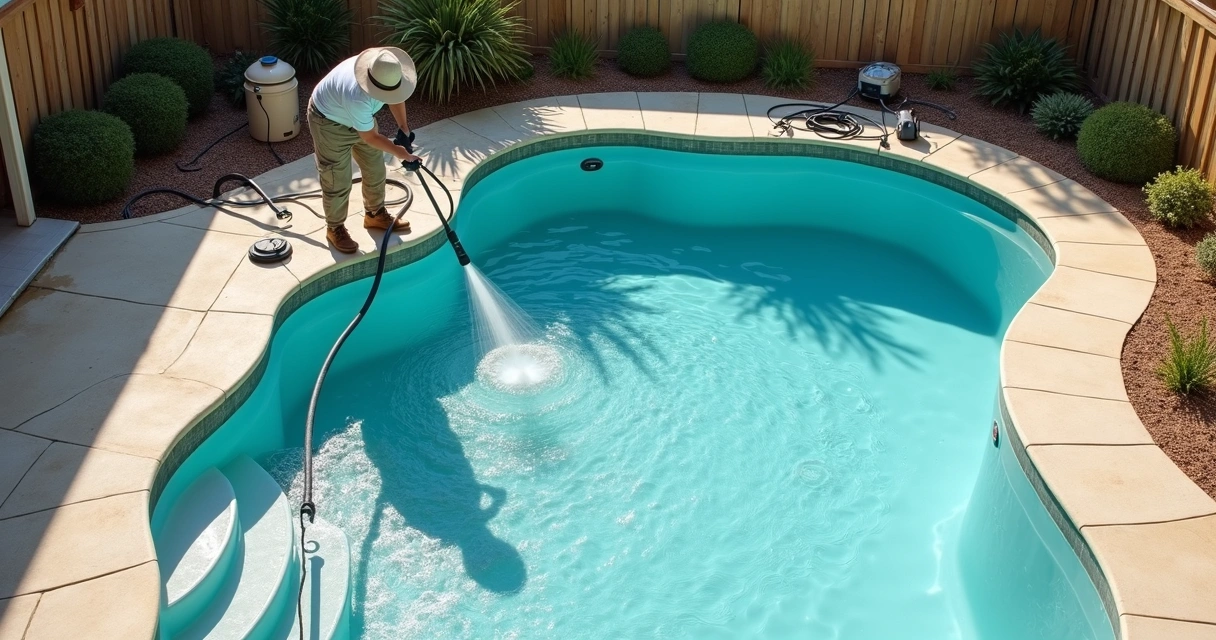
Washing your pool goes a step beyond leaf skimming and the weekly quick brush, it’s a reset for both surface and water quality that every Australian pool owner should understand.
Usually, pool cleaning brings to mind a skimmer net, some chlorine, and perhaps a little vacuuming. But there are times when a deeper, methodical approach is needed. In my years of caring for backyard pools, I’ve seen too many get stained, slippery, or persistently cloudy, just because their owners didn’t keep up with real washing and surface care.
What makes pool washing different?
Pool washing is a planned, targeted process focused on restoring all visible surfaces, removing stubborn contaminants and debris, not just the floating leaves or surface dust.
Routine maintenance usually refers to regular debris removal, filtration checks, and water testing. Pool washing, on the other hand, includes detailed scrubbing, surface cleaning, algae removal, stain lifting, and sometimes partial or complete water replacement. It’s less frequent, but much more involved.
“Think of washing your pool as its seasonal health reset, not just a quick spruce up.”
When and why should you wash the pool surfaces?
Not every week needs a full wash. I recommend it for one of three scenarios:
- Opening the pool after winter shutdown
- After storms, long periods of neglect, or heavy bather loads
- When algae blooms, stubborn stains, or persistent cloudiness won’t budge
Australian pools face unique challenges, from leaf litter and dust to climate-driven algae. If you see green tint, sandpapery walls, brown or white stains, or water that won’t clear, it’s time for a real surface clean.
Pool washing step by step
Here’s how I break down a thorough pool washing process for Australian backyards, based on current best practice and my experience:
- Preparation and safety first.
Start by clearing the deck, putting away toys, and checking the weather, avoid washing on windy days to prevent extra debris. If your pool needs to be drained (rare, and only for severe contamination), confirm safe discharge practices in line with
advice about environmental responsibility for pool discharge. Turn off all equipment at the main power supply. Check for exposed wires or damaged pool lights, since washing gets things wet all over.
- Remove surface debris and vacuum loose material.
Skim leaves and floating dirt with a leaf net. For heavy debris on the floor, use a manual vacuum on the ‘waste’ setting (so it does not clog the filter), especially after algae or big storms. Studies from the Environmental Literacy Council recommend using the filter setting for light, regular vacuums, but switching to waste for heavy-duty clean-ups.
- Scrub all surfaces thoroughly.
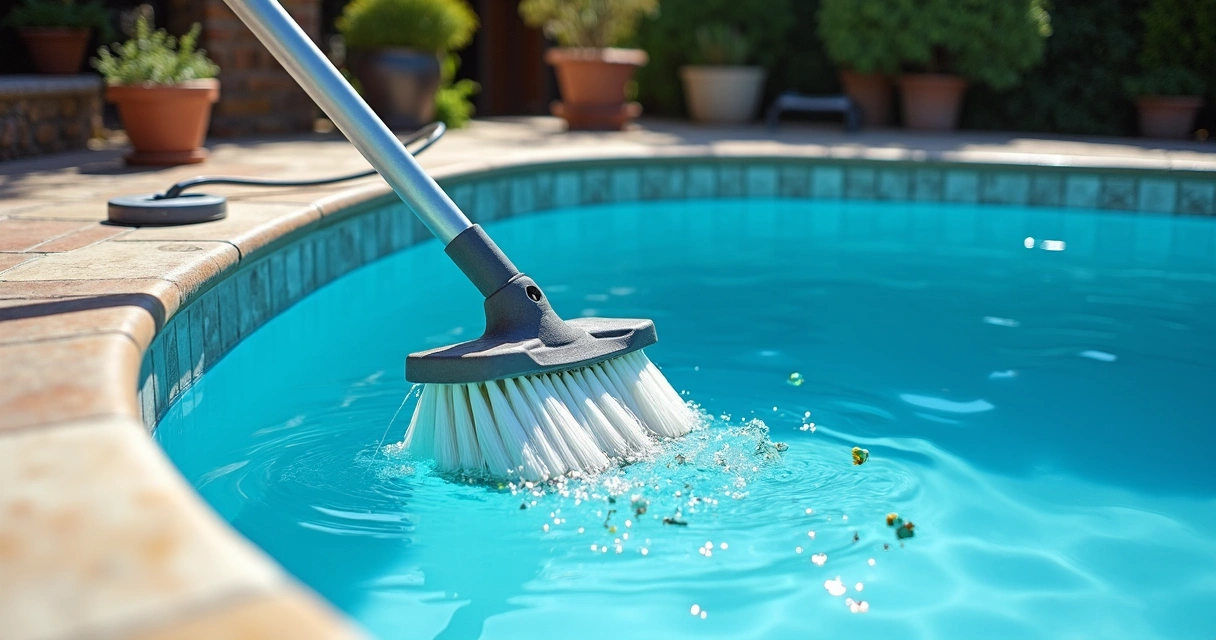
With a telescopic pole and the right brush head for your surface (nylon for vinyl or fiberglass, stainless steel for concrete), scrub every wall, step, and the waterline. This removes algae, prevents slip hazards, and lifts scum lines. I focus on the ladder rungs and behind return jets, where grime often builds up. Let debris settle again, then vacuum a second time on waste.
- Address persistent stains and algae.
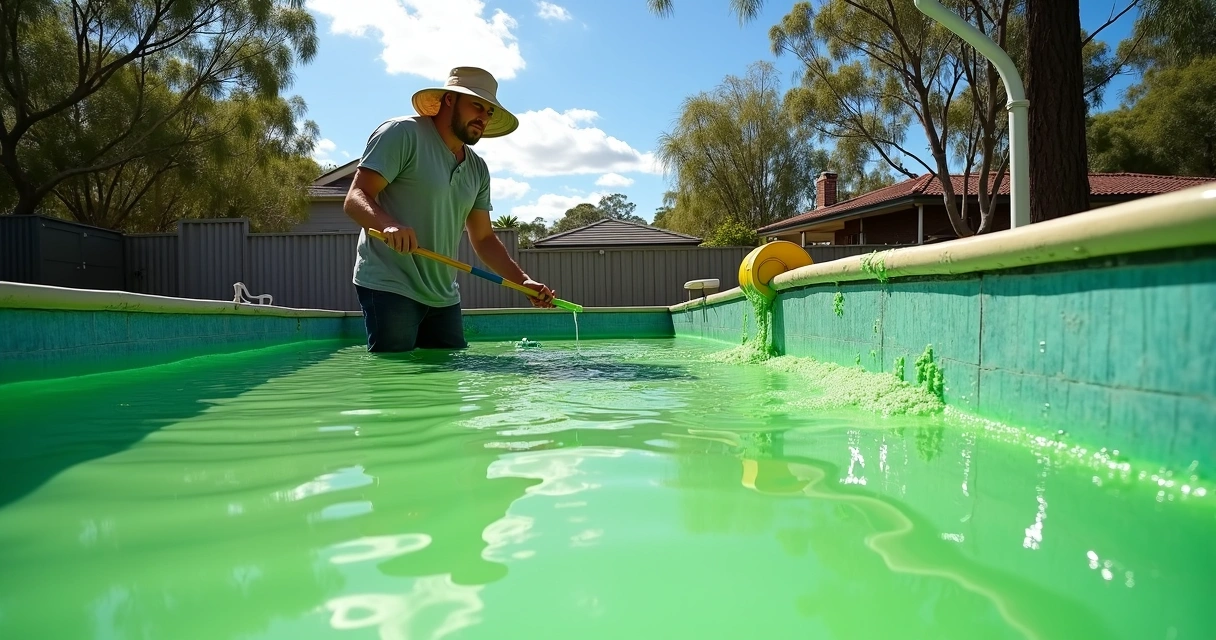
If you have stains (brown from metals, green or black from algae, white from scale), apply specialty stain removers or use a scrub with diluted pool acid, always with gloves and goggles. For stubborn patches, try a vitamin C tablet for metal stains, or a small puck of chlorine for organic marks. Persistently green water may mean an algae shock treatment followed by brushing and vacuuming.
- Clean or backwash your filter.
Any deep pool cleaning puts a big load on the filter. Cartridge filters should be removed and washed with a garden hose (never a high-pressure washer). For detailed steps, I recommend my guide on cleaning pool filter cartridges. Sand or DE filters need a backwash cycle as described in your pool’s manual, following EPA advice on only cleaning filters when necessary to maintain efficiency.
- Inspect all pool equipment while you clean.
Check pump baskets, skimmer weirs, return fittings, and ladders for damage. A thorough wash is the perfect time for this. If your pool uses a salt chlorinator or UV system, open and check those units for debris or scaling.
- Test and rebalance water chemistry.
Once physical cleaning is done, test the water for pH, chlorine, alkalinity, and calcium hardness. According to CDC guidelines, keep free chlorine above 1 ppm and pH between 7.0–7.8 for healthy swimming. Washing can throw these out, so retest even if your water was balanced going in. If you use MyPoolMate, log your readings and let the AI assistant adjust your targets for the season.
- Final rinse and post-wash vacuum.
If any residues or dead algae remain, use a manual vacuum once more to waste, or run your robotic cleaner (if you have one) for a post-clean polish. Skim any floating film. Top up water lost and circulate for several hours before reopening the pool.
Robotic versus manual cleaning: is it worth it?
In my experience, most pool owners find a mix of both best. Manual vacuums let you target spots, control the pace, and work in tough corners. They’re reliable, with less to break. Robotic cleaners are excellent for regular maintenance and for large pools, saving hours of labor and often reaching places a brush can’t.
Still, neither replaces a dedicated wash when algae, stains, or silt take over. Robotic units won’t scrub plaster stains or apply chemicals, but they do a fine job once the pool is already in good shape.
How pool washing fits your maintenance schedule
For most homes, a full pool wash is needed one to four times per year, depending on climate, tree cover, local rainfall, and bather loads. Queensland’s hot, wet summers may call for more regular attention, as I discussed in the Queensland pool maintenance guide. The rest of the year, focus on weekly checks, monthly brushing, and seasonal filter cleans.
Pool care tips for Australians: common challenges and solutions
Algae blooms:Shock with chlorine, brush aggressively, vacuum to waste, and check for dead spots in circulation. Test phosphate levels if algae returns quickly.
Stains:Brown often signals metals (treat with chelators or vitamin C); white means scale (acid washing or pH adjustment); green or black often means organic buildup. Always test stains before choosing chemicals.
Cloudy or dull water:Check filtration first (clean or replace filter media), balance chemistry, and check for high dissolved solids or undissolved clarifiers. Recirculate for at least 24 hours. If this persists, MyPoolMate’s test history graphs can help pinpoint root causes quickly.
Environment and water use:Use a cover to minimize evaporation, keep water below coping to limit splash-out, and never over-clean filters (both help save water, according to EPA guidance).
Protecting your pool’s equipment and your safety
Washing often means water on the deck, chemicals on hands, and power tools near wet areas. I always wear old clothes, closed shoes, gloves, and safety goggles when working with cleaners or pool acids. Never mix chemicals, and always keep children and pets away until the job is finished.
Regular deep cleaning prevents surface damage, helps spot leaks or broken fittings, and extends the life of liners, shells, and pumps.
Automated tools like MyPoolMate make scheduling, tracking water chemistry, and planning recovery tasks much easier, and avoid many classic problems with under- or over-chlorination during washes. Over-prescribing chemicals is common in pool shops, but personalized platforms prevent waste and provide guidance during recovery. For more strategies to keep costs down while maintaining high water quality, the guide to pool maintenance costs is a useful resource.
Conclusion: The role of regular pool washing in long-lasting maintenance
At the end, a true pool wash is an investment in safety, appearance, and equipment health. When done right, it saves money, reduces chemical use, and lets your pool sparkle through even the harshest Australian summer.
Whether you manage the job yourself or use a digital assistant like MyPoolMate, consistency is your best friend. If you’d like tailored help based on your pool’s size, surface, and recent chemistry, you can read more about our personalised approach to pool care or set up a profile with MyPoolMate to simplify the process.
Regular, thoughtful maintenance means you’ll never dread the deep clean, and your pool will always be ready.
Frequently asked questions
What is pool washing?
Pool washing is a deep cleaning process that goes beyond skimming and basic vacuuming, targeting algae, stains, and stubborn debris by scrubbing all surfaces, vacuuming to waste, and cleaning filters.
This process often involves checking water balance, sometimes partial draining, and using specific stain and algae treatments.
How often should I wash my pool?
I find most Australian pools benefit from a thorough wash once to four times per year, more after storms, neglect, or heavy use.
Regular cleaning keeps things manageable, but pay attention to signs like slippery algae, stains, or returning cloudiness.
Can I wash my pool myself?
Yes, almost every pool owner can perform pool washing with basic equipment: brushes, a pool vacuum, skimmer, safe cleaners, and some patience.
If you’re dealing with major algae or structural problems, it’s wise to use a digital guide or local technician for more support.
What do I need to clean a pool?
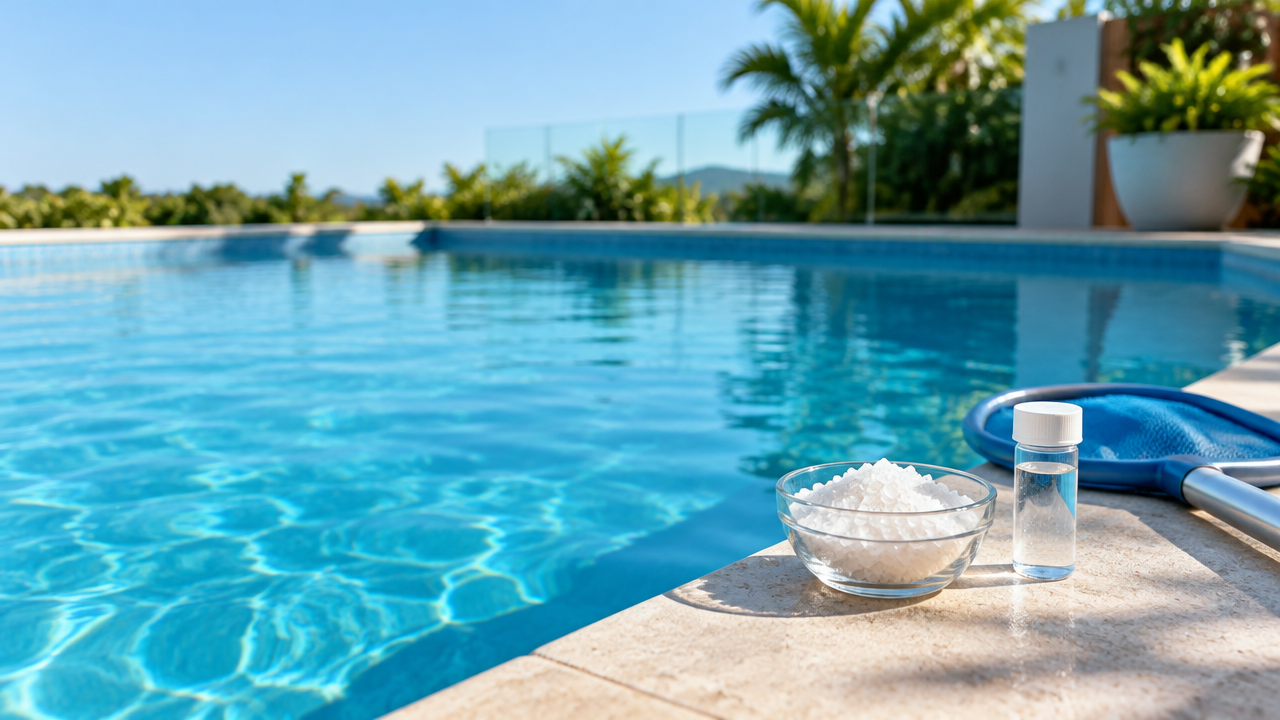
You'll want a telescopic pole and brush, a pool vacuum (manual or robotic), a leaf net, water testing kit, appropriate chemicals, a cartridge or sand filter, and safety gear like gloves and goggles.
For more details on supplies and step-by-step advice, you may benefit from the maintenance tutorials on MyPoolMate’s maintenance blog.
How much does professional pool washing cost?
Professional washing prices vary across Australia, usually ranging from $80 to $300 depending on pool size, location, and the need for draining or shock treatments.
Regular self-washing cuts long-term expenses and avoids last-minute emergency costs associated with severe algae or stains.