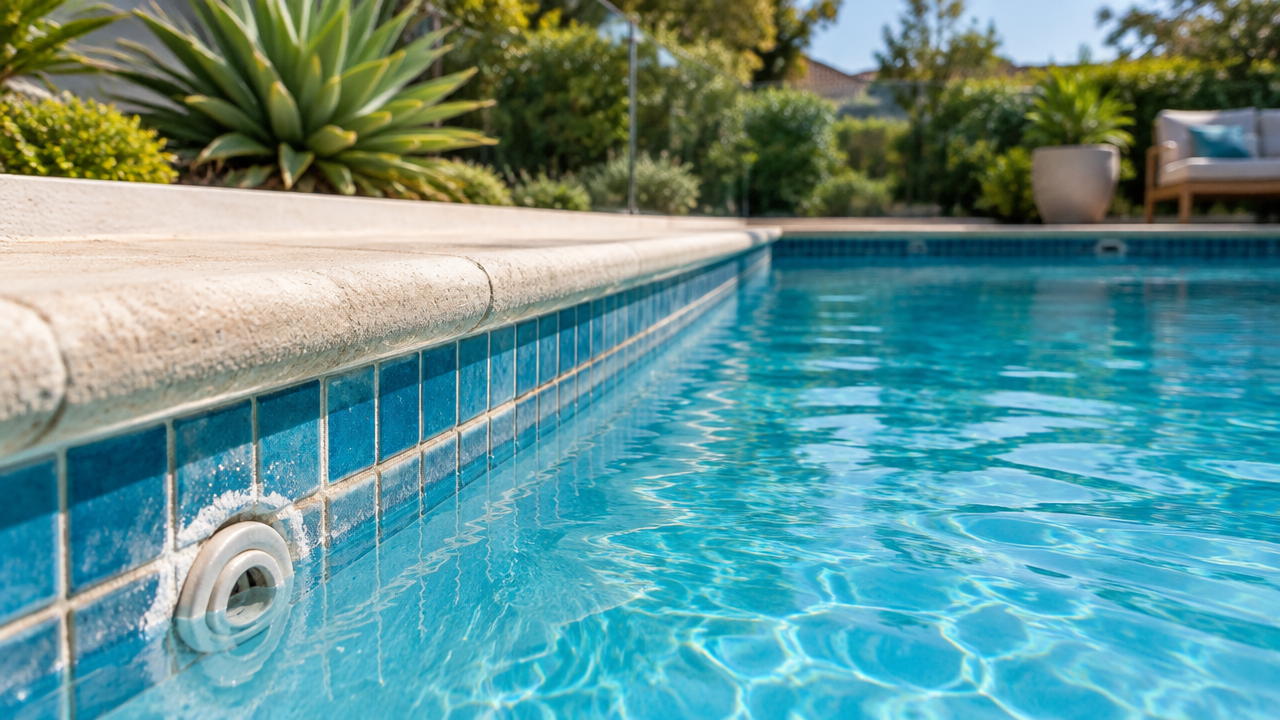

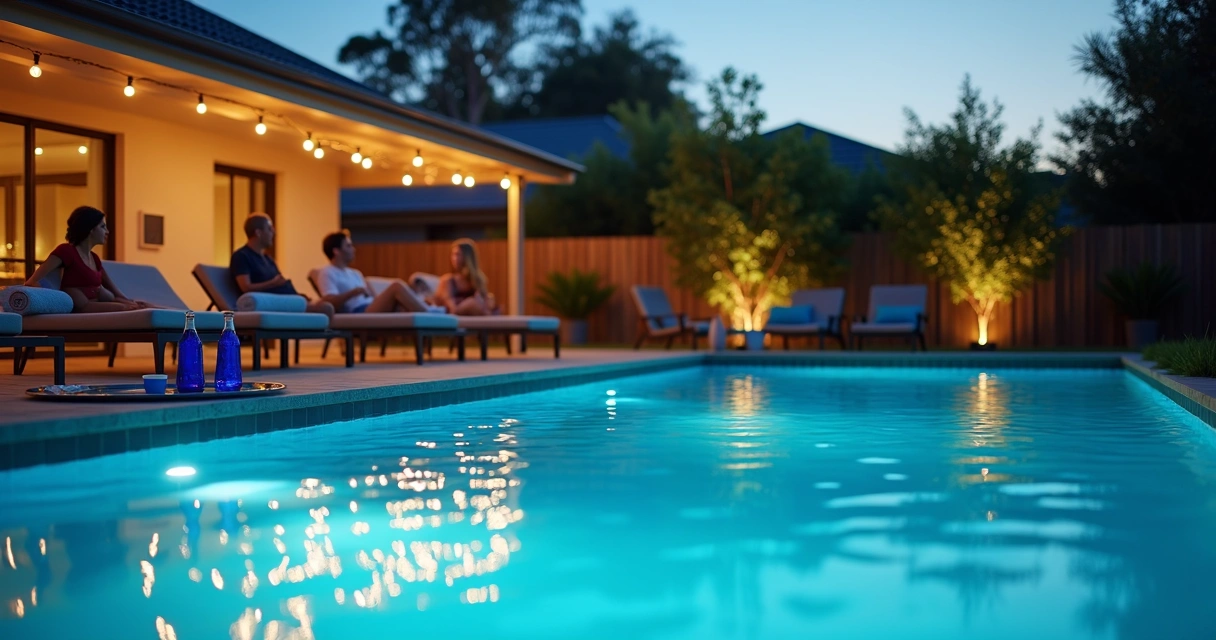
As the air warms up and families gather for afternoons of laughter and swims, the start of pool season always feels like a celebration. There’s something magnetic about clear, sparkling water on a summer morning—the kind that makes everyone want to jump straight in. Yet, I know from long experience that this perfect water doesn't happen by accident. What most people never see is the quiet battle happening under the surface. While everyone else is focused on fun, your pool water and filter are facing a tough season ahead, with swimmer loads ready to challenge water clarity from the very first day.
In my own pool, I can always tell the difference after a crowd has been in the water. Swimmers bring more than just energy—they bring all sorts of tiny particles, sunscreen, body oils, and even invisible debris on their skin. But it doesn't stop there. I've seen pools lose their clean look after a storm when leaves, pollen, and even fine algae spores drift in. Insects sometimes crash-land and can’t get out. Occasionally, animals or birds leave a little “mystery.” Even a spilled drink by an excited child running poolside can leave a surprising mark.
Over the years, I’ve met many pool owners who were tempted to solve these problems by simply covering the pool more often or reducing how much it gets used. I never recommend this route. The heart of a backyard pool is its people—water is meant to be enjoyed. It's not just about making the job easier. It’s about giving everyone the water they want: crystal clear, fresh, and free from that uninspired, cloudy look that is too common now, even in pools with good chemical management.
Cloudy water: Why does it happen so quickly?
I see a lot of pool owners who are surprised by how fast water turns from clear to cloudy, especially after a busy weekend. While pool chemistry is the big player in water clarity, the main triggers—especially early in the season—usually come from:
High bather load (namely, more swimmers than usual)
Pollen, dust, and windblown debris
Algae spores and invisible plant material
Organic build-up from insects, birds, and even pets
Spilled drinks and accidental food debris
With all that going on, filters quickly become overloaded. Tiny particles floating in the water can become so fine that your filter can’t catch them in a single pass. Instead, they just keep going around the system, dulling the water and gradually building up. I see a lot of pool owners shrug this off, assuming it's “just part of pool season.” Many settle for less clarity than they actually want, missing small steps that could restore the water’s brilliance.
Bringing back that “diamond sparkle”
I believe everyone prefers water that looks inviting and nearly flawless. The trick? Don’t wait until cloudiness shows up. Most people turn to clarifiers only as a reaction, pouring in a dose after things look bad, then forgetting about them until the next problem.
But here’s what I’ve learned: Regular clarifier use, as part of a weekly or monthly pool care routine, really is a “shortcut” to consistent, spectacular water clarity. It’s not about working harder or using more chemicals—it’s about treating chemistry and filtration as a complete system, then helping that system deliver the visual results you want.
Water that sparkles isn’t just possible—it’s easy to achieve, if you build clarifier into your habits.
The old way—using clarifiers only for recovery—has led to false beliefs that nothing can fix a cloudy pool except time and luck. But when you build clarifier use into your regular pool maintenance, you turn good water into truly dazzling water, and keep it that way, even during high demand weeks.
How does a clarifier work?
In my experience, explaining clarifier sometimes feels a bit like magic, but there’s real science behind it. Pool clarifiers contain polymers that attract and bind very fine particles—those that filters usually miss—into larger clumps the filter can catch. Instead of stubborn, cloudy swirls hanging around, these particles get removed in the next filter cycle, often within hours.
This simple chemical trick means:
Less strain on your filter
Much clearer water with less effort
Fewer surprises with recurring dullness
For those who want a deeper overview of pool chemistry, I suggest checking out advice found in the pool chemistry section of MyPoolMate’s blog. Understanding the balance of your pool’s water helps you get even better results from clarifiers.
Making clarifiers part of your habit
One of the easiest changes I’ve seen clients make is simply returning to a lost habit: using clarifier before water ever starts to look dull, not after. The best clarifiers on the market, like Lo-Chlor’s Miraclear® Blue (a weekly treatment) and Miraclear® Clarifier Tabs (monthly), deliver what I call the “diamond effect.” That’s the level everyone tries to reach. Following the product label is very important for both safety and results. A little goes a long way.
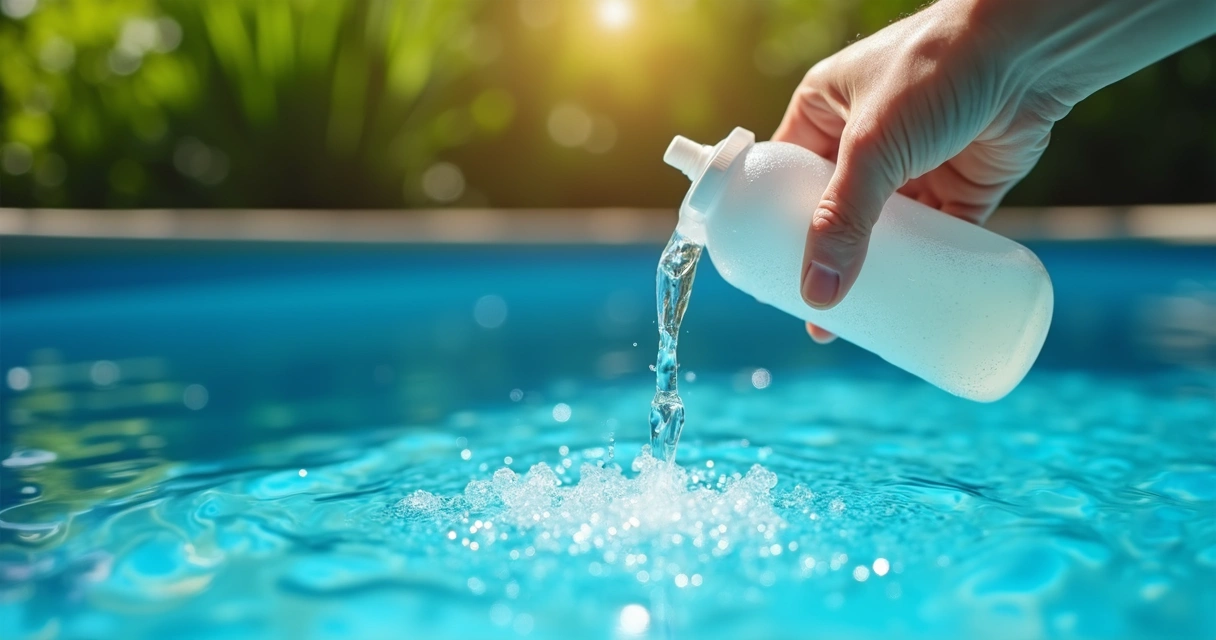
Here’s how I use clarifiers to keep pools sparkling all season:
A weekly light dose with a liquid clarifier if swimmer load or weather conditions warrant
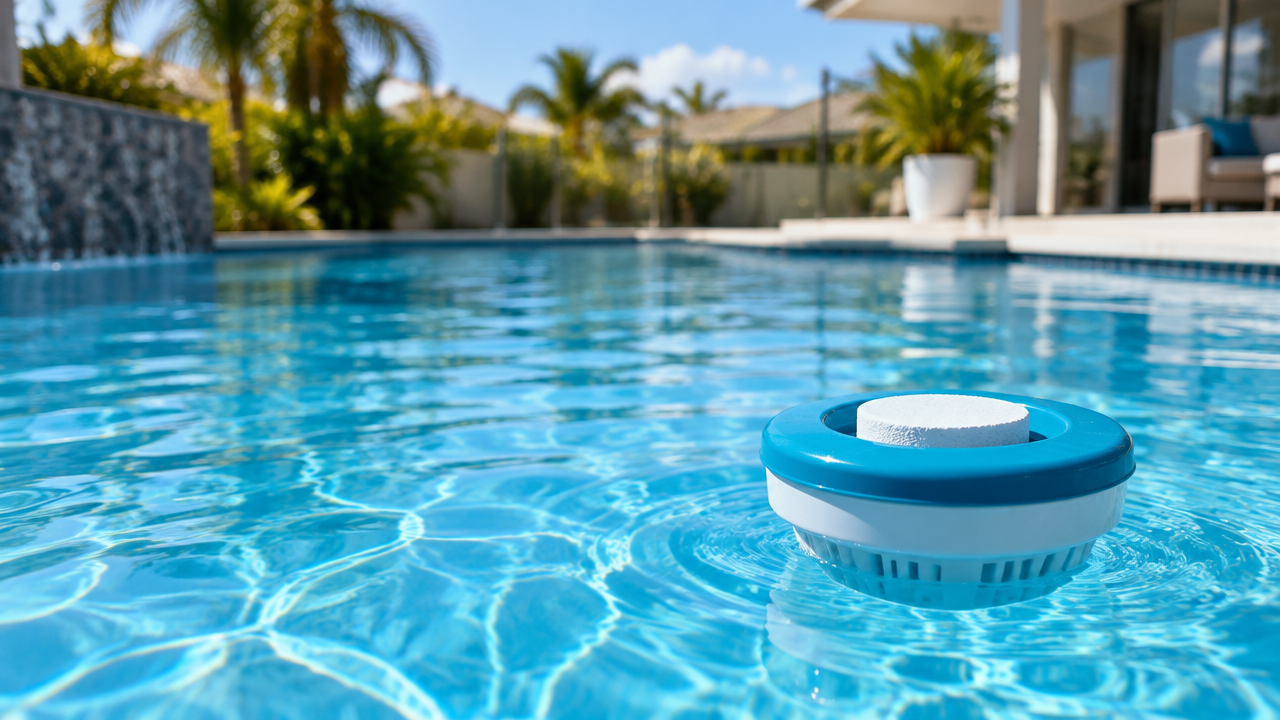
As an alternative, a monthly tab clarifier that works gently in the background
Always brushing the surfaces and checking that the filter is clean so nothing works against the clarifier
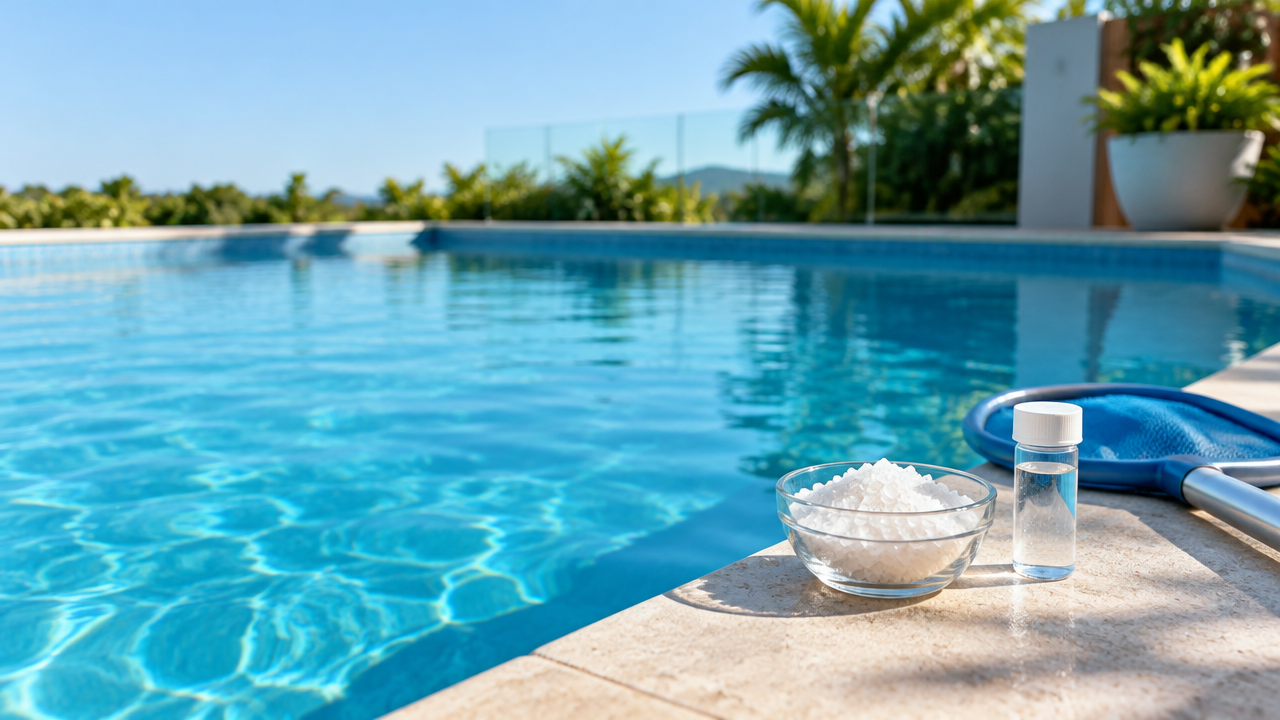
Consistent pool testing to verify balance—tools like MyPoolMate make this step easier for me by tracking trends and giving specific advice
It’s simple, but I find that the payoff is enormous. You get water that makes friends and family pause, smile, and sometimes even ask how you “get it to look like that.”
Clarifier and recurring pool water headaches
One aspect that comes up time and again in my conversations with other pool owners is the frustration of ongoing water issues—even for those who stay on top of basic maintenance. The most common problems I hear about include:
Algae blooms or persistent greenish tint
Tile line scum or oily films on the surface
Sudden loss of water, often after heavy use
Noticeably higher filter pressure (suggesting clogged media)
Stubborn spots on pool surfaces, especially black or dark green
Cloudy or dull appearance that just won’t clear up
Clarifiers directly address the most common cause of dull, unclear water by grouping the smallest offenders so your filter can finally catch them. While clarifier can’t fix every issue, it prevents a whole category of problems from building up and means your filter and chemicals can do their jobs better. If you want more on spotted surfaces, here’s a good overview of when to take action.
Every pool is different, which is where smarter pool management comes in. I found platforms like MyPoolMate, with targeted chemical recommendations, seasonal preset adjustments (like for summer or winter), and detailed water history, are a huge help. AI-powered suggestions take much of the guesswork out of water care, and help avoid generic, one-size-fits-all dosing.
For more targeted tips on water problems caused by organics, check the MyPoolMate blog post on how enzyme pool care tackles organic debris. If you live in Queensland or a similar climate, the Queensland pool maintenance guide includes regional advice that makes routine care easier all year long.
Bringing it all together for a sparkling season
In the end, I think pool care is about more than numbers or perfect test strips—it’s about giving people a place so inviting that every swim feels like a treat. Clarifier isn’t a miracle fix for every problem, but it is the shortcut to the kind of pool water everyone truly wants: the kind that sparkles—like diamonds, as the best clarifiers promise—for family, friends, and even the neighbors to enjoy.
If you’re ready to enjoy water that looks as good as it feels, make clarifier a natural part of your maintenance routine. For ongoing, clear advice tailored to your exact pool, MyPoolMate’s smart tools and AI-driven recommendations are definitely worth a closer look. You’ll spend less time guessing, less time troubleshooting, and more days enjoying that clear, sparkling pool!
Frequently asked questions
What is a pool water clarifier?
A pool water clarifier is a treatment that helps your filter remove very fine particles that cause cloudy or dull water. It works by binding tiny particles together so they become large enough for the filter to catch—leaving your water looking much clearer.
How often should I use clarifier?
The best results come from regular use, typically weekly or monthly, depending on the product used and bather load. For heavy swimmer loads or after storms, weekly doses can work wonders. Some products are designed for monthly application and work slowly over time.
Can clarifier replace pool shock treatment?
No, clarifier and pool shock do different jobs. Clarifier improves water clarity by filtering out fine particles, while shock is used to kill bacteria and break down contaminants. Both are helpful, but you cannot substitute one for the other.
How much does pool clarifier cost?
Prices range depending on brand, formulation, and size, but clarifier is generally affordable and cost-effective. Factors like pool size and how often you need to use it will influence total cost per season. Proper use, as with Lo-Chlor’s trusted products, can stretch a bottle for weeks.
What are the best pool clarifiers?
Proven clarifiers like Lo-Chlor’s Miraclear® Blue for weekly use, or Miraclear® Clarifier Tabs for monthly dosing, are popular choices with a reputation for making pool water "sparkle like diamonds." When choosing, always look for products that match your filter and follow label directions.