
Summer in Australia always feels like a reward. After the cooler months, long days stretch out, the scent of the barbecue drifts through the neighbourhood, and everyone seems to gather around the backyard pool. For me, it’s the season when my pool goes from peaceful blue to the heartbeat of family fun, laughter, and late afternoon swims. But I’ve also come to realise that summer brings its own challenges. Hotter days, more swimmers, heavy sunlight, and rapid evaporation can easily upset pool chemistry. The good news? A simple, reliable routine will keep your pool water clear, safe, and always ready for the next splash. Here’s how I look after my pool through an Australian summer—with no stress, no guesswork, and minimal time out of my weekends.
Step 1: Test water 2–3 times a week
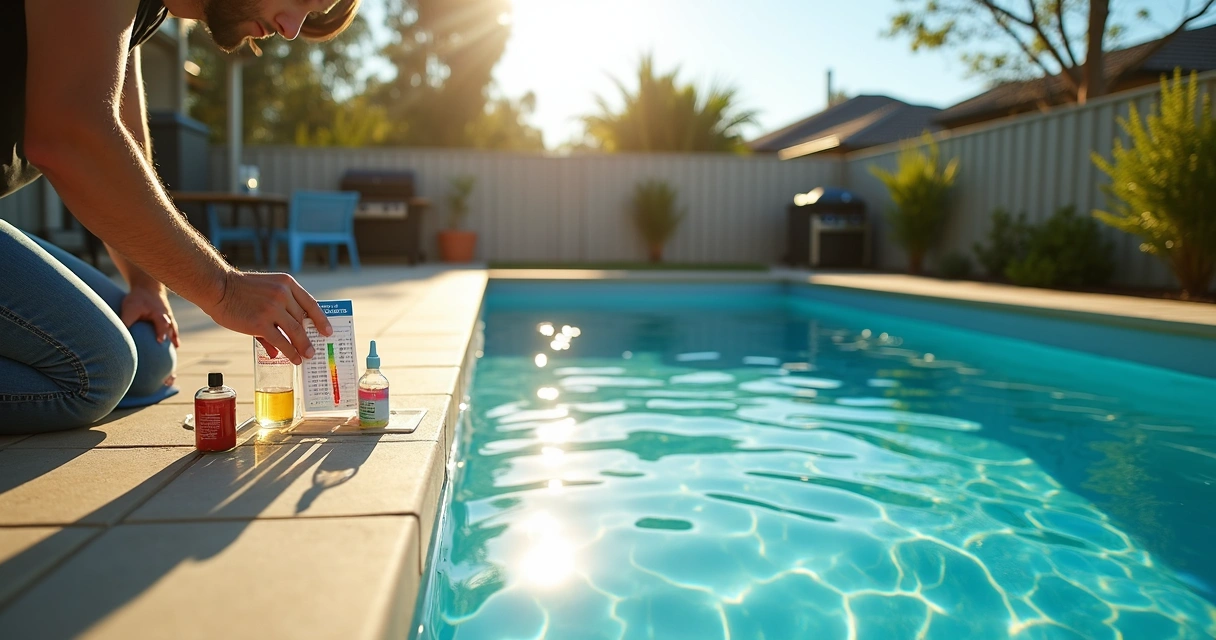
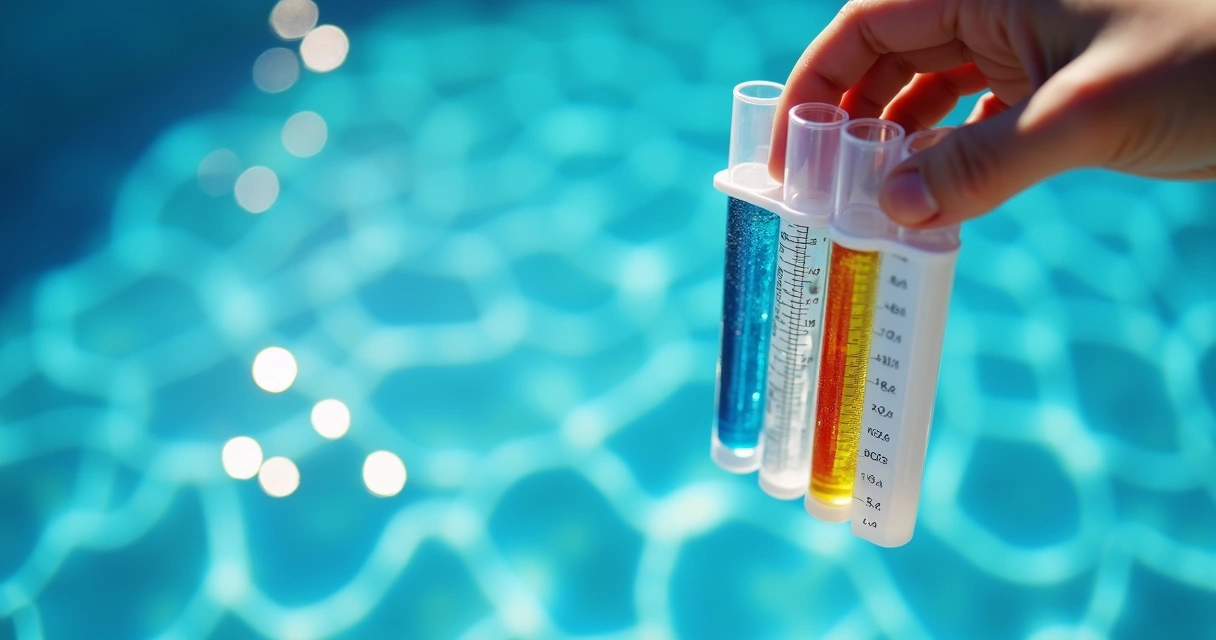
The first thing I recommend is regular water testing during peak summer weeks. With the mercury rising, things change quickly. I have learned to test my pool 2–3 times each week—especially before and after big gatherings. Here’s what I check every single time:
- Free chlorine
- PH level
- Total alkalinity
- Cyanuric acid (stabiliser)
If you prefer something more high-tech, you could use an app like MyPoolMate. It reads your test results and tells you exactly what matters and what doesn’t, which I find saves both time and pool chemicals.
The ideal water ranges I target in an Aussie summer are simple:
- Chlorine: 1–3 ppm
- pH: 7.2–7.6
- Total alkalinity: 80–120 ppm
If my readings drift outside these lines, I never ignore it—fixer sooner always means less effort later.
Step 2: Balance and adjust pool chemicals
Every pool is a little different. The right amount of chlorine, acid, or stabiliser will shift with pool size, swimmers, and weather. I focus on the basics first:
- Add chlorine or run your salt cell as needed to keep your sanitizer steady in the hot sun. If the levels keep dropping too fast, bump up the stabiliser.
- Use acid or buffer to bring pH back within range. High pH makes chlorine less effective. Low pH can damage pool surfaces—and sting swimmers’ eyes.
- If holidays or parties bring in many swimmers, I "shock" my pool. That means adding a heavy dose of chlorine (or a chlorine-free shock if that's my usual routine) once a week. This is my safety net. It zaps contaminants people bring in and finishes off any algae before it becomes a problem.
Tracking what I’ve added and when has become a habit. With digital logbooks from solutions such as MyPoolMate, it's easy to look back and avoid doubling up on chemicals or losing track of my maintenance.
Step 3: Clean the pool inside and out
After years of owning a pool, I’ve seen what happens when I skip my cleaning routine: stains, slippery steps, and a lot more work down the track. Here's how I keep my pool surfaces spotless every week in summer:
- Brush walls, steps, and the waterline tiles at least once a week. This knocks off algae and stops stains before they set in.
- Skim leaves and debris from the surface daily, especially if your pool is near trees. In windy weather, this really makes a difference.
- Vacuum the pool floor or set my robotic cleaner, particularly after storms or heavy use. It keeps the water sparkly and avoids build-up in awkward corners.
I also keep loose toys, pool noodles, and floating devices packed away when not needed. Less clutter means nothing blocks the filter or traps debris.
Step 4: Run and care for your filter and pump
During summer, I always run my pool filter for 8–10 hours a day. If it’s a real scorcher, a bit more won’t hurt. Running the filter in daylight, when chlorine burns off quickest, seems to make a clear difference in keeping the water clean.
If you have a sand or DE filter, backwash when the pressure gauge shows a rise of 20–25 percent above normal. For cartridge filters, I give them a deep clean every 2–3 weeks, which keeps water moving well. I found a detailed step-by-step cartridge cleaning guide incredibly useful my first time.
Every week, I do a quick check of the pool pump:
- Look for leaks around the pump and pipes
- Listen for any strange noises
- Check that the water flow is strong
- Empty the pump basket of leaves and gunk
- Make sure the motor area stays clean and dry
One blocked basket or slow leak can quickly become a headache. A few minutes here pays off, trust me.
Step 5: Manage evaporation and watch water levels
With hot, dry winds and sun, pool water can drop fast in an Aussie summer. Each day, I check the water level. If it dips below halfway up the skimmer box, it’s time to top up.
If the water drops much faster than expected, I run a simple “bucket test” to check for leaks. For tiny leaks, I’ve used a pool-safe leak sealer with success. But anything major needs a quick repair to avoid bigger problems.
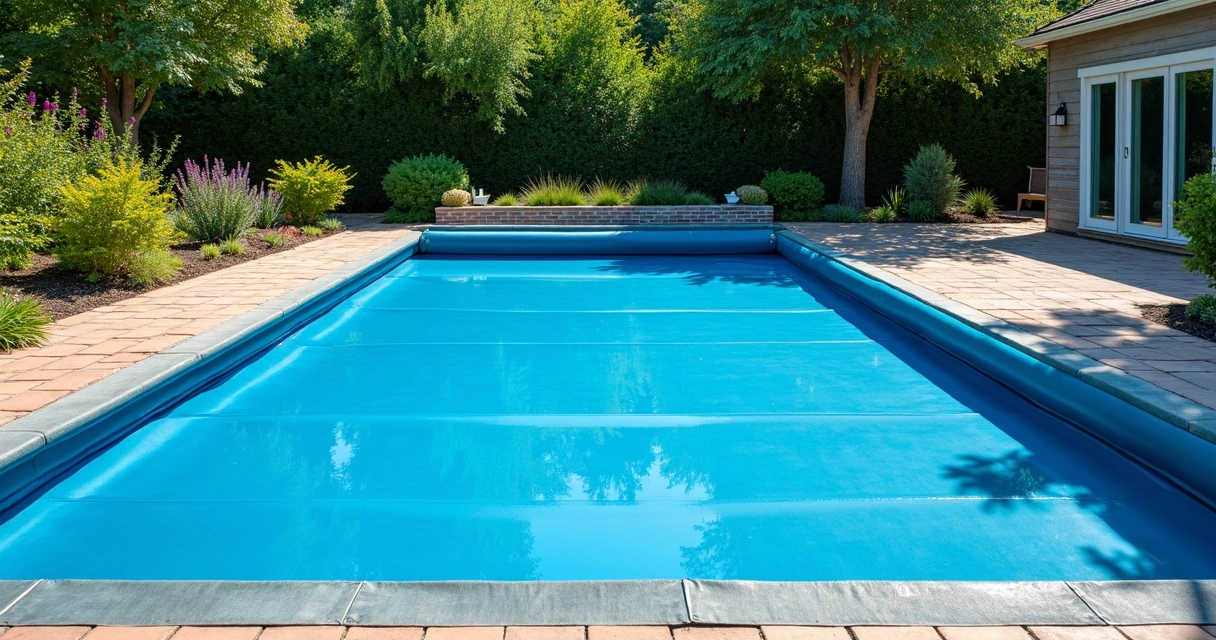
I always try cover the pool with a solar cover when it’s not in use. Here's what I've found it helps with, big time:
- Cuts water loss from evaporation by up to 90 percent
- Keeps out leaves, bugs, and dust
- Retains warmth for late-night swims
Step 6: Encourage swimmer hygiene and shock after heavy use
One thing I always tell friends and family: rinse off before you swim. It’s a small step, but goes a long way in keeping water clear. Increased sun and use mean my chlorine works harder than ever.
After parties or holidays with heavy swimmer traffic, I give my pool a shock treatment. It clears out body oils, sunscreen, sweat, and invisible dirt that regular chlorine sometimes misses. MyPoolMate, for instance, even reminds me when a heavy dose is needed—which helps take out the guesswork.
Pool care starts with good swimmer habits.
Step 7: My quick summer pool maintenance checklist
For those who, like me, enjoy ticking things off, here’s my go-to checklist:
- Test pool water 2–3 times weekly
- Balance chlorine (1–3 ppm), pH (7.2–7.6), alkalinity (80–120 ppm), stabiliser as needed
- Brush walls, steps, tiles weekly
- Skim surface debris daily
- Vacuum floor weekly (or run robotic cleaner)
- Run filter 8–10 hours a day
- Backwash or clean filter as required
- Check/clean pump basket regularly
- Monitor water level and watch for leaks
- Use pool cover when not swimming
- Shock after heavy use or storms
It’s become second nature now, and I rarely face any big problems. If you’re new to pools or want extra detail, the MyPoolMate maintenance guides are a solid place to learn more, including state-specific advice like the Queensland pool maintenance guide.
The benefit of regular care (and saving money long term)
In my experience, a clean, safe pool isn’t just about fun. Consistent care means fewer expensive repairs and keeps your water healthy all summer. If I skip or delay the basics, costs go up fast—from wasted chemicals to equipment breakdown to green water emergencies.
Tracking and understanding pool costs has helped me budget better, and tools like those described in the breakdown of pool maintenance costs show where you can start saving. With MyPoolMate, the fact that there’s no vested interest in selling chemicals changes the advice I get, helping keep my pool healthy for less.
If you ever want extra insight or smart tools (without a sales pitch), see how a pool care app that doesn’t sell chemicals can change the way you look after your pool.
Conclusion: Enjoy your pool, stress-free
With just a bit of planning and regular effort, you can keep your pool sparkling, healthy, and safe for everyone through the long Australian summer. These steps are the foundation of hassle-free pool care. I’ve learned that small, steady habits quickly pay off in less cleaning, clearer water, and more happy memories around the pool. If you want to make your summer even simpler and smarter, explore what MyPoolMate offers for fast, personalised pool management—all made for Aussie backyards. Here’s to many perfect pool days ahead!
Frequently asked questions
How often should I clean my pool?
You should skim leaves and debris daily, brush the walls and steps weekly, and vacuum the pool floor at least once a week during summer. Filters and baskets should be checked and cleaned according to your pool type. Regular upkeep ensures clean water and saves time and effort overall.
What is the ideal pool water temperature?
Most people find Australian pools most comfortable at 26–28°C. Water above 30°C can encourage algae and increase chemical use, while below 24°C is often too cool for many swimmers. Using a cover helps maintain your preferred temperature.
How to prevent algae in summer?
Algae thrive in warm, stagnant water and when chlorine drops too low. In my experience, these steps make a real difference:
- Maintain chlorine between 1–3 ppm
- Brush walls weekly to disrupt growth
- Run your filter daily (8–10 hours)
- Shock dose after heavy use or storms
- Keep phosphates low by cleaning out debris quickly
Apps like MyPoolMate flag when conditions are ripe for algae, making prevention a lot easier.
Which pool chemicals do I need?
In Australian summer, I always keep on hand:
- Chlorine or salt (sanitizer)
- Hydrochloric acid or pH buffer
- Total alkalinity increaser
- Stabiliser (cyanuric acid)
- Shock treatment
- Algaecide for stubborn blooms
I only adjust what’s needed, based on regular tests. MyPoolMate’s reports help me target exactly which chemical (if any!) to use.
Is professional pool maintenance worth it?
Many pool owners save money with do-it-yourself care using reliable guides and smart apps, but hiring a professional is a good idea if you’re short on time, have a complex pool, or want backup for major repairs. With tools like MyPoolMate, even beginners can handle most pool tasks on their own.