

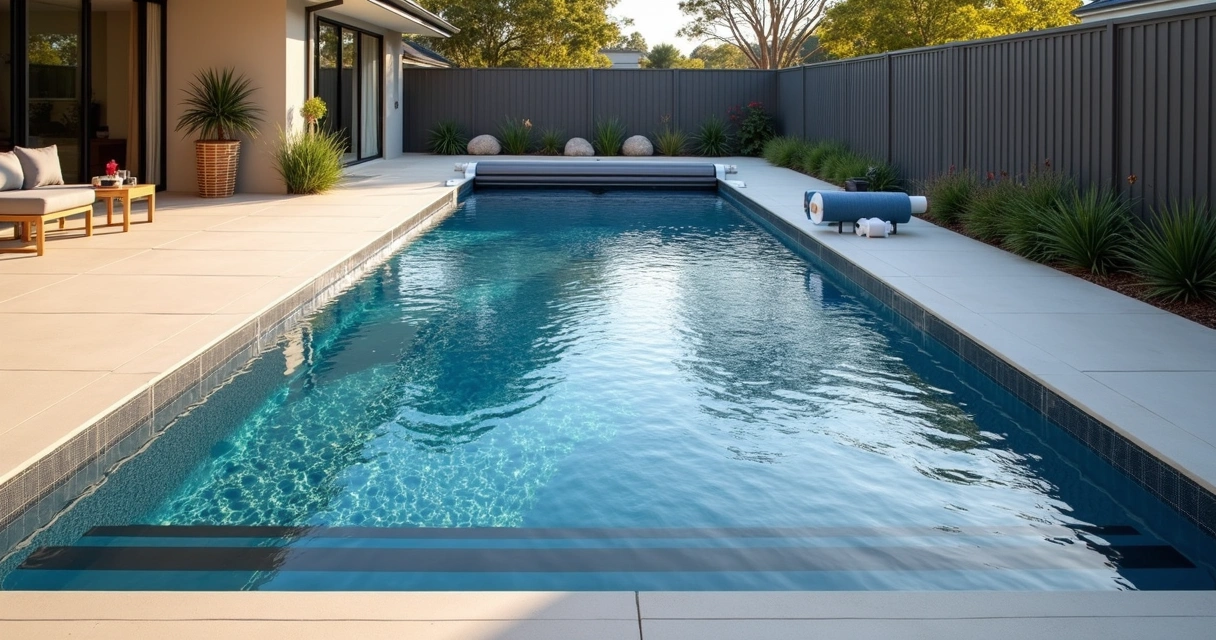
I have seen many pool owners spend time fixing water problems while missing one simple factor sitting right in front of them: the cover. A good pool cover does more than keep leaves out. It can slow water loss, help hold heat, cut down chemical burn-off, and make day-to-day care feel lighter.
When I look at pool care as a whole, I see the cover as part of the system, not just an accessory. That is one reason I like the thinking behind MyPoolMate. It looks at the full picture of a pool instead of giving generic advice. A cover changes how your pool behaves, so it should shape how you manage water balance too.
Small change. Big effect.
Why pool covers matter
A pool is exposed all day. Sun, wind, rain, dust, bugs, and plant debris all affect the water. If I leave a pool open for a week in warm weather, I usually notice the difference fast. The water level drops. Chlorine falls quicker. Debris builds up. Cleaning takes longer.
A pool cover reduces evaporation, which is often the biggest hidden source of water and heat loss.
That one benefit alone can make a real difference in Australia, where strong sun and dry conditions can strip water from a pool faster than many people expect. I also find that covered pools often need less frequent top-ups and less correction after hot days.
Other gains are easy to spot too:
- Less leaf litter and dirt entering the water
- Better heat retention, especially overnight
- Lower chlorine loss from UV exposure
- Less strain on filters and skimmers
- Cleaner pool surrounds from reduced splash and wind-blown debris
If you already track water tests and seasonal changes, like many MyPoolMate users do, a cover can make your readings steadier across the week.
Common types of pool covers
I think the best way to choose a cover is to first understand the main categories. Each type suits a different budget, goal, and pool setup.
Solar covers
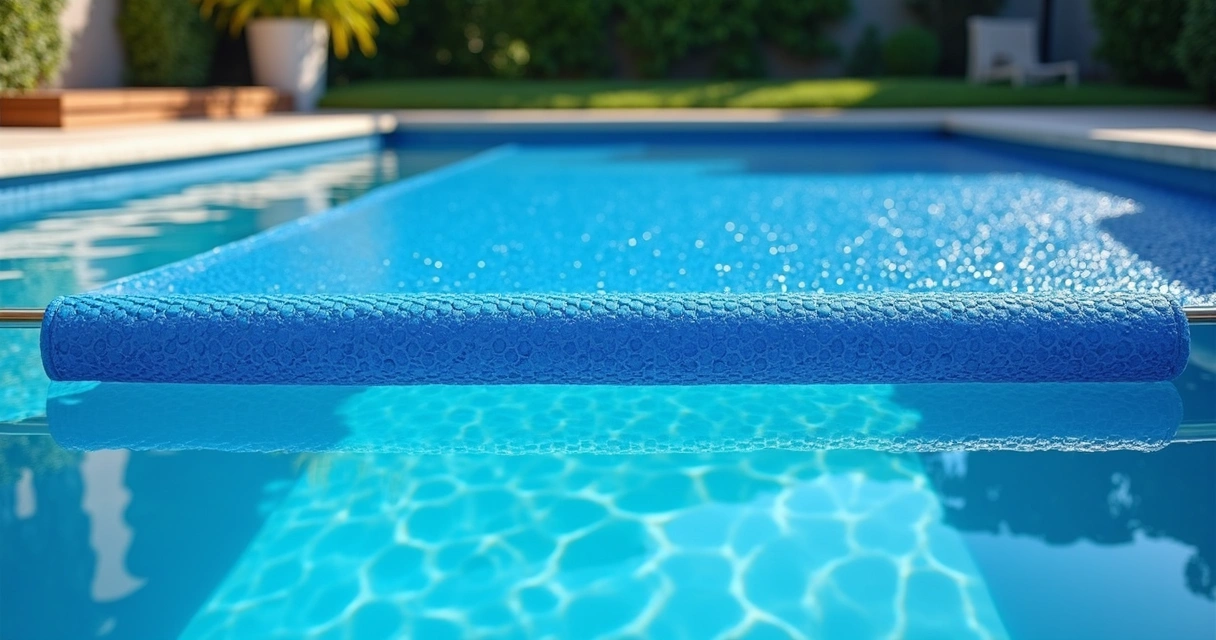
These are the light floating covers, often bubble-style, that sit on the water surface. I see them used a lot on residential pools because they are simple and usually cost less than other options.
Solar covers are mainly used to keep heat in and slow evaporation.
They work well for owners who want warmer water and lower water loss, but they are not designed as safety covers. In my experience, they are practical for regular use if you do not mind removing and replacing them often.
Winter or debris covers
These covers are made to keep out leaves, dust, and larger debris when the pool is not in regular use. Some are stretched across the pool and anchored around the edges.
I find these useful for homes with lots of trees nearby or for periods when swimming is less common. They help reduce cleanup, but the quality and fit matter a lot. A loose cover can sag and collect dirty water on top.
Safety covers
Safety covers are built with strength in mind. They are fixed in place and designed to support weight under specified conditions. For families with children or pets, this type deserves serious thought.
A safety cover should only be trusted if it is properly rated, fitted, and installed for your pool.
I would never treat any standard cover as a safety product unless it is clearly made and installed for that purpose.
Automatic covers
These open and close with a built-in system, often at the push of a button. I like the convenience. That matters more than people think, because the easiest cover to use is often the one that gets used every day.
Automatic covers tend to cost more upfront, but they offer strong convenience, tidy appearance, and regular protection. For some owners, that trade-off makes sense.
How I choose the right cover
I do not start with price. I start with the problem I want to solve. That usually makes the decision much clearer.
Here is the order I would use:
- Set the main goal, such as heating, safety, or less debris.
- Check the pool shape and size, since odd shapes may need custom fitting.
- Think about how often the cover will be removed and stored.
- Look at local conditions, such as wind, tree cover, and sun exposure.
- Match the cover to your budget, including long-term upkeep.
If a pool gets heavy sun and the owner wants to cut water and chlorine loss, I usually lean toward a solar cover. If the bigger issue is leaf drop and off-season mess, a debris cover may be better. If child safety is high on the list, I would focus on a rated safety solution first.
I also think honest habits matter. A cheaper cover that you actually use can beat an expensive one that stays rolled up in the corner.
Things people forget before buying
In my experience, buyers often focus on the cover itself and forget the daily routine around it. That is where frustration starts.
Before buying, I would think about these points:
- Where the cover will go when removed
- Whether one person can handle it alone
- How it will cope with wind
- How long the material is likely to last in strong sun
- Whether the pool has features like steps, curves, or attached spas
I once saw a pool owner choose a cover that looked perfect on paper, but it was too awkward to move. After two weeks, it was barely used. That story stays with me because it shows how practical details shape real results.
If you are reviewing broader care costs, I think this guide on pool maintenance cost in Australia and smart savings helps put cover value into perspective.
How covers affect pool chemistry
This part gets overlooked. A cover changes water chemistry patterns. Less sun can mean slower chlorine loss. Less debris means lower organic load. Less evaporation can also affect how often you top up with fresh water.
That can be good, but it means your treatment habits may need to change. I would not keep dosing the same way if the pool is now covered most days. That is where a personalised tool like MyPoolMate makes sense. It can help pool owners tie together test history, seasonal settings, and real pool conditions instead of guessing.
For ongoing care ideas, I like pointing people to the broader pool maintenance articles and also to this practical Queensland pool maintenance guide. If your cover reduces debris, your filter may still need regular attention, so this step-by-step pool filter cartridge cleaning guide is also worth keeping handy.
Conclusion
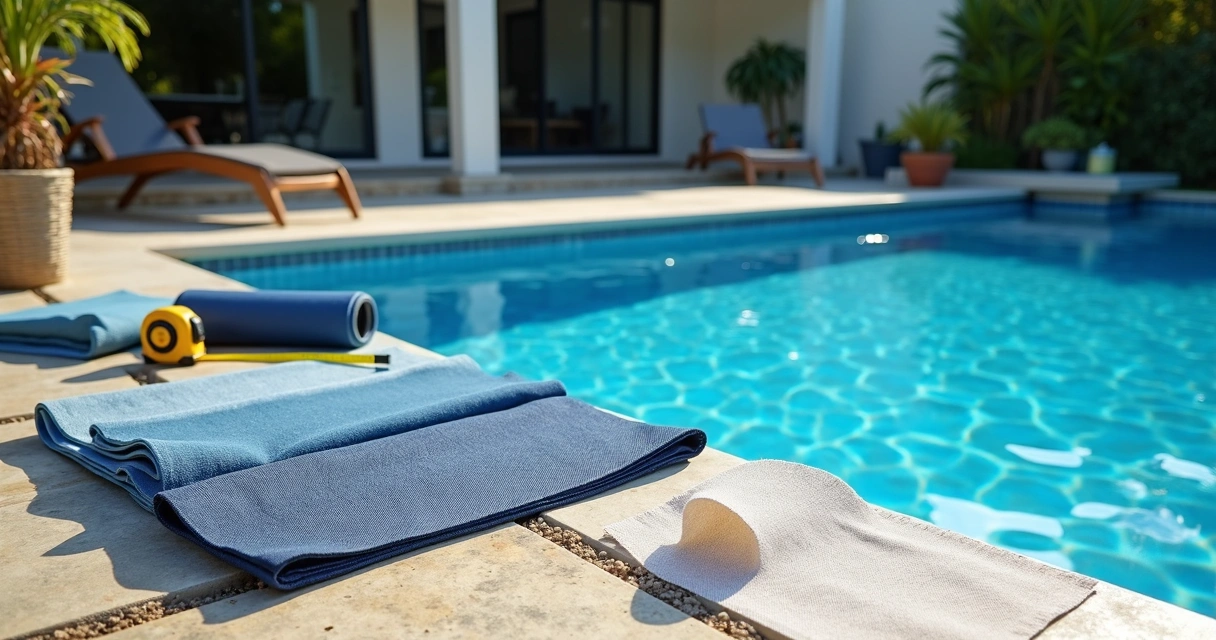
I think the right pool cover is the one that fits your real life, not just your wish list. If it solves the problem you actually have, and if you can use it with ease, it will likely pay you back in cleaner water, lower loss, and less work.
I also believe a cover works best when it is part of a smarter care plan. If you want help matching your pool setup, water test results, and seasonal conditions in one place, have a look at MyPoolMate and its approach to personal pool care. You can also learn more through this article on a pool care app that does not sell chemicals.
Frequently asked questions
What is a pool cover?
A pool cover is a material layer placed over a swimming pool to reduce evaporation, keep out debris, hold heat, and in some cases add a level of safety. Different covers are made for different goals, so one cover will not suit every pool owner.
How to choose the right pool cover?
I would choose based on the main goal first. If you want warmer water and less evaporation, a solar cover may suit you. If you want less leaf litter, a debris cover may work better. If safety is the main concern, look for a properly rated safety cover that fits your pool and is installed correctly.
Are pool covers worth the money?
In many cases, yes. I think they are worth it when they are used often and matched to the right need. They can lower water loss, help keep heat, reduce debris, and make pool care easier over time. The value depends on your climate, pool use, and the type of cover you buy.
What types of pool covers exist?
The main types are solar covers, debris or winter covers, safety covers, and automatic covers. Each has a different purpose. Some focus on heat retention, some on cleanliness, and some on safety and convenience.
How much does a pool cover cost?
The cost varies a lot by size, material, and design. Basic solar covers are usually the lower-cost option, while custom safety and automatic covers cost more. I think it helps to compare not only the purchase price, but also ease of use, lifespan, and the savings you may get from reduced water, heat, and chemical loss.


