

For years, I saw pool owners treat each water problem as if it lived alone. Hazy water got one product. High chlorine demand got another. Tile scum, algae, fouled filters, and water balance issues each got their own fix. It looked neat on paper. In real life, it often meant more chemical cost and more frustration.
What changed my view was simple. Many of these problems start with the same hidden load: organic debris in the water.
When organic waste builds up in a pool, it can cloud water, raise chlorine demand, foul filters, and help form stubborn waterline scum.
This debris comes from swimmers and from the environment around the pool. I mean sweat, skin cells, body oils, lotions, sunscreen, hair products, and tiny bits of fabric. Then add windblown soil, fertilizer dust, insects, leaves, pollen, and plant fragments. A pool may look clean and still be carrying a lot of this material.
Some of it is so fine that the filter does not catch it well. Some of it binds with chlorine, which makes that chlorine less available for disinfection and algae control. Some of it mixes with minerals at the waterline and acts like glue, helping form the greasy, stubborn ring many owners scrub again and again.
One cause. Many symptoms.
Larger organic debris causes trouble too. It clogs filter media faster, raises pressure, and shortens the time between cleanings. That is why a pool can seem to eat sanitizer while also needing more backwashing or cartridge cleaning.
Why enzymes help
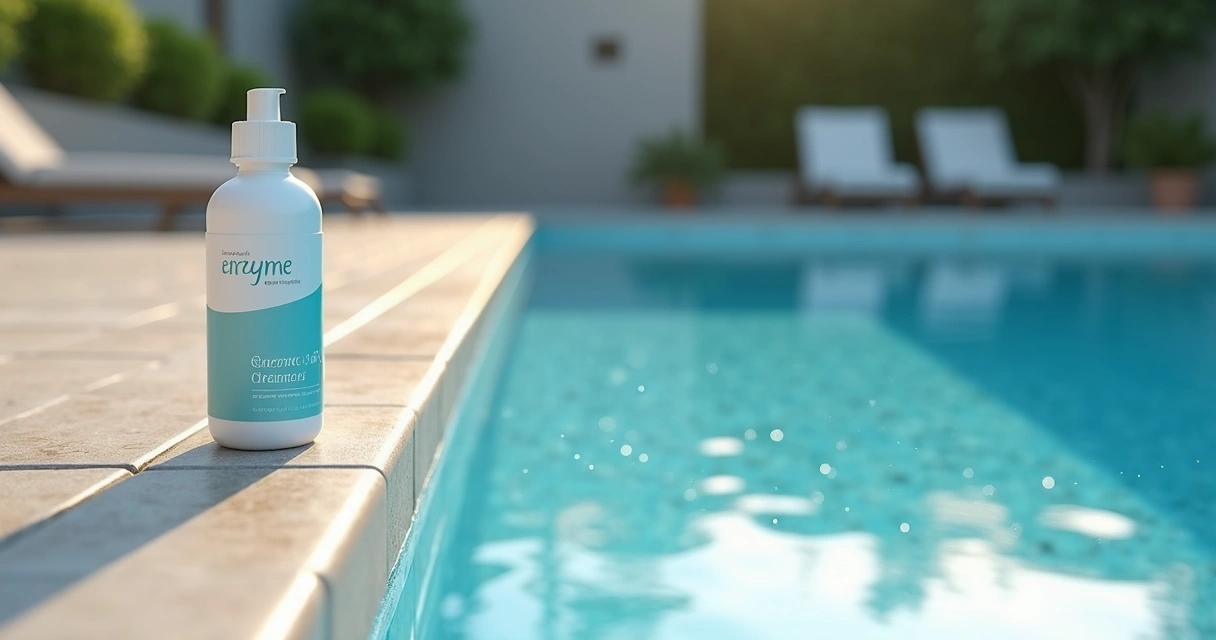
In my experience, enzymes are one of the most misunderstood tools in pool care. They are not magic, and they do not replace chlorine. But they can make chlorine’s job easier.
Pool enzymes are natural proteins that speed up very specific chemical reactions, usually made from yeasts or friendly bacteria.
Because they are selective, they are considered safe for people and animals when used as directed. They target organic matter and help break it into much smaller pieces. I often explain it like this: they turn the pool version of apples into applesauce. The debris becomes easier to process and less likely to sit in the water as a greasy, chlorine-hungry film.
Enzymes are not unusual technology either. They are used in many fields, from drinking water treatment to cleaning oil spills. In pools, their role is focused. They attack the organics that feed scum, haze, and extra sanitizer demand.
If you track water history in a tool like MyPoolMate, this pattern becomes easier to spot. A pool with recurring haze or a repeating tile line ring often shows signs of an organic load problem, even when the owner first thought it was only a balancing issue.
What problems enzymes can reduce
I think the biggest benefit of regular enzyme use is that it connects several problems back to one maintenance step. A good enzyme product can help with:
- Clearer water with less dull haze
- Lower chlorine demand over time
- Less need for heavy shocking
- Reduced tile line and skimmer scum
- Longer filter cycles between cleanings
- Longer life for filter media
This does not mean every stain, every foam issue, or every pressure rise comes only from organics. But in my research, many common pool headaches do link back to this same buildup. Foam on the surface, high filter pressure, recurring scum, some staining patterns, and even suspected water loss complaints can start with conditions made worse by debris and poor filtration performance.
For a deeper look at this topic, I recommend reading this guide on enzyme pool care and organic debris and browsing more pool chemistry posts here. I also like the related article at the MyPoolMate blog on enzyme pool care and the broader pool chemistry section.
How to use them the right way
This is where many owners slip. They add a large dose once, expect instant results, then give up.
Enzymes work best as part of a routine because chlorine destroys them over time and they need contact time to break down organics.
That means regular maintenance dosing usually works better than a one-off treatment. The exact amount depends on pool size, swimmer load, weather, and the product label. In a busy summer pool, the demand can rise fast. After storms or pool parties, I would expect the water to need more support.
A practical routine often looks like this:
- Add enzymes on a regular schedule.
- Keep circulation running long enough for mixing.
- Clean out larger debris so the filter is not overloaded.
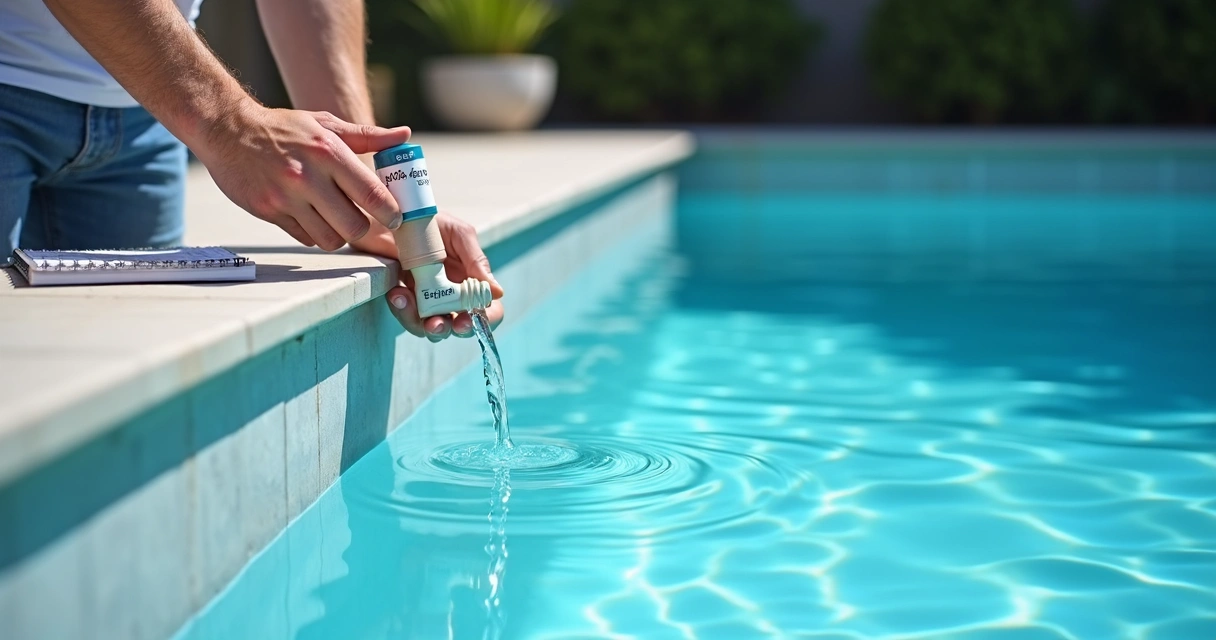
- Retest water and watch chlorine demand and clarity over time.
That last step matters. If you log results in MyPoolMate, it becomes easier to see whether chlorine use drops, whether haze clears faster, and whether filter pressure rises less often.
Product choice matters too. Examples such as Lo-Phos E+ and Ultra Zyme Pro are often used to help with organic waste and related water problems. In heavier-duty settings, especially where lots of people use the water, stronger and more specialized enzyme products may be needed.
When bather load is high
Commercial pools, shared facilities, and even some busy family pools face a different scale of this problem. More swimmers mean more sweat, oils, sunscreen, and personal care residue entering the water every day. Add leaves, dust, and warm weather, and the pool can struggle to stay balanced.
In those cases, I have seen enzyme programs make more sense as a planned part of water care, not just a reaction to visible scum. Stronger products can help reduce chlorine waste, keep filters from loading up as fast, and support more stable water conditions.
This idea also fits with a broader lesson I often share: not every pool needs every product a shop counter suggests. If you want another view on that, the MyPoolMate blog has a useful post on whether you really need all the chemicals often recommended for pools.
My closing view
I think pool enzymes are most useful when you stop seeing them as a rescue bottle and start seeing them as preventive care. They do not replace sanitizer, brushing, or filtration. They support all three by reducing the organic debris that gets in their way. That can mean clearer water, less scum, lower chlorine demand, better filter cycles, and fewer repeat problems.
If your pool keeps showing haze, greasy tile buildup, high filter pressure, or chlorine that disappears too fast, I suggest looking at the organic load first. If you want a simpler way to track that pattern and get pool-specific guidance, get to know MyPoolMate and see how its water history, AI reports, and maintenance planning can help you treat the cause instead of chasing symptoms.
Frequently asked questions
What are pool enzymes?
Pool enzymes are natural proteins that break down organic waste such as oils, lotions, sweat, and fine debris. They help reduce the material that clouds water, feeds scum, and ties up chlorine.
How do enzymes prevent tile scum?
They break apart the oily and sticky organic material that collects at the waterline. When that film is reduced, it is harder for mineral deposits and grime to cling to the tile and form a stubborn scum ring.
Are pool enzymes worth using?
In my opinion, yes, especially for pools with recurring haze, scum, or high chlorine demand. They can help water stay clearer, reduce shock demand, improve filter cycles, and lower buildup in skimmers and along the tile line.
How often should I use pool enzymes?
Most enzyme products work best on a regular maintenance schedule rather than as a single large dose. Weekly use is common, but the right interval depends on the product label, pool size, swimmer load, and how much debris enters the water.
Can enzymes lower high chlorine demand?
Yes, they often can. By breaking down organic contaminants before chlorine has to fight them, enzymes help leave more chlorine available for sanitizing the water and controlling algae.


