
If there’s one thing I’ve noticed in my years of owning and writing about pools, it’s that safety and peace of mind go hand in hand. For those of us living in Victoria, swimming pool safety isn’t just a matter of personal responsibility, it’s set down in law. If you own a pool or spa in Victoria, let me tell you about pool safety inspections, how much they cost, and how to make the process simple (and maybe even less stressful).
Why pool safety inspections matter in Victoria
Swimming pools and spas can be the highlight of a home. But they also come with serious risks, especially for kids. In Victoria, pool safety inspections are not just recommended, they’re legally required under the Building Regulations 2018. This law is there to protect families and visitors, and it focuses mostly on the physical barriers: fences, walls, and gates around your pool or spa.
From what I’ve seen, many pool owners (myself included at first) don’t always realize how strict or specific these rules are. If you’re planning to buy, sell, or already own a pool, staying compliant is non-negotiable. Inspections make sure your barriers are doing their job, stopping accidental access and keeping everyone safe.
What is a pool safety inspection?
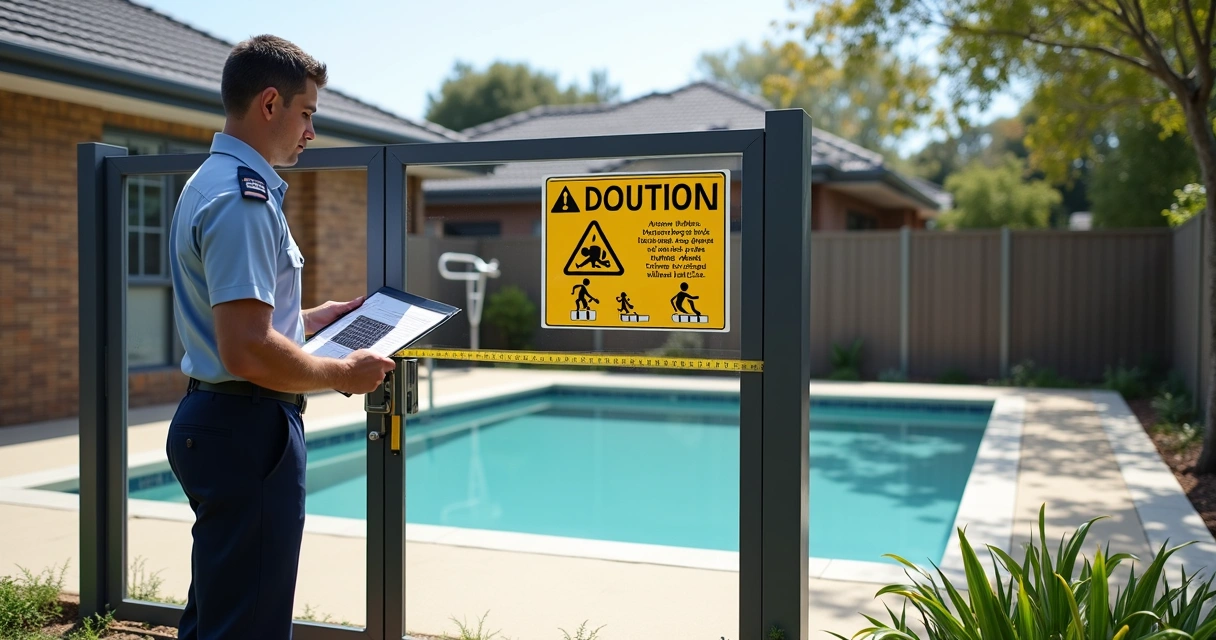
A pool safety inspection in Victoria is a formal, detailed check of your pool, its surrounding barriers, and related equipment. The goal? Identify any safety risks, structural problems, or legal issues that might be hiding in plain sight.
During the inspection, the inspector will look for:
- The strength and height of the fence or barrier around your pool
- The positioning and reliability of gates and latches
- Whether barriers are free from climbable objects (think large pots, bench seats, taps, power points, steps, or retaining walls nearby)
- Any changes or damage to the surrounding path, deck, or ground level that might create new risks
It’s worth pointing out: electrical systems are not part of this inspection. Those require a separate check from a licensed electrician. This focus is strictly barriers and physical safety.
By the end of the process, you get a written report. That will clearly outline any problems, unsafe areas, and suggestions for repairs or changes, so you know exactly what needs fixing.
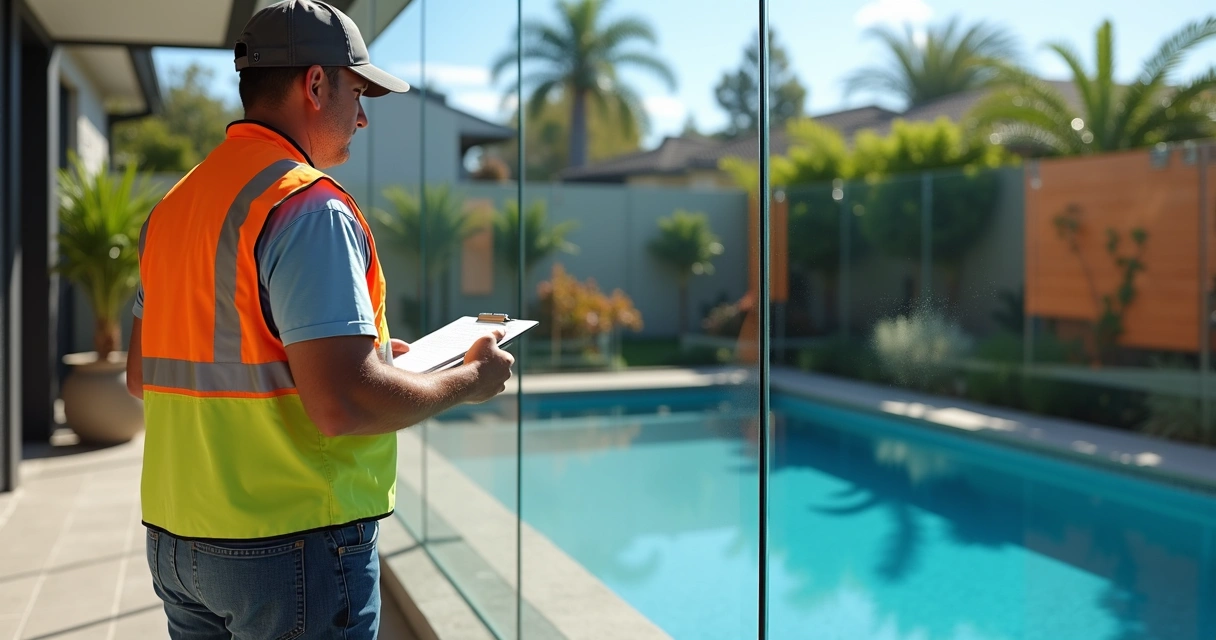
The real cost of a pool inspection in Victoria
Let’s talk numbers. In my own experience, and from what I’ve learned talking to other pool owners, the typical price for a pool safety inspection falls between $250 and $500 in Victoria. That can change, though, depending on several factors:
- Your location, metropolitan areas can differ in price from rural communities
- The size and type of your pool or spa
- How accessible your pool is, or if there are obstacles
- How soon you need the inspection (urgent bookings may cost more)
- If there are extras, like spa barriers, or complicated boundary fences
I always check for hidden fees, too. Many times, there’s an extra charge if the inspector needs to return for a reinspection (which is common if you have to do some fixes first). Sometimes, travel costs or admin fees can sneak in. It pays to get a clear, all-inclusive quote up front and ask about any possible extra charges.
Tips for paying less and getting more from your inspection
I’ve picked up a few helpful tips over years of owning pools and learning from mistakes. Here’s what I recommend to make sure your inspection is worth every dollar:
- Understand why you need the inspection. It’s about safety, avoiding fines, and keeping your pool open and legal.
- Always ask for proof of VBA registration and experience before you book. Qualified inspectors should have these, and don’t be afraid to ask.
- Request several quotes. Compare not just the price, but reviews and what services are actually included.
- Clarify if the quote includes extra fees, like travel, after-hours, or admin costs. Ask if they offer minor fixes during inspection or know good local trades for bigger jobs.
- Talk to the inspector before the visit. Ask about the inspection process, timeline, what they’ll need access to, the written report, and if they offer follow-up support.
- Don’t be tempted by the very cheapest prices. A rushed or sloppy inspection can miss issues that cost much more down the track, or worse, leave your family at risk.
The legal process, step by step
I often get asked what the official breakdown is for pool inspection compliance in Victoria. Here’s how it works:
- Register your pool or spa with your local council. This usually costs $45–$79 and should be done as soon as possible, before you can book an inspection.
- Book a VBA-registered inspector. You are responsible for choosing and hiring the inspector. Councils don’t send them automatically.
- Organize the inspection. After registration, inspections must be carried out within strict timelines set by your council (usually 30 days for new pools, with regular follow-ups required every four years for existing pools).
- Fix what’s needed. If the inspector finds immediate safety risks, these must be fixed before reinspection. Other non-compliance issues usually give you up to 60 days.
- Get your safety certificate. Once all issues are resolved and your pool passes, you get a certificate usually valid for four years. You must then submit this to the council, and you’ll need a new one if you sell or rent out your property.
My personal suggestion: stay organised with records and dates. I’ve found that using tools like MyPoolMate’s pool management system can make it easy to store reports, photos, and inspection schedules digitally, so nothing gets lost and I’m always ready for the next step.
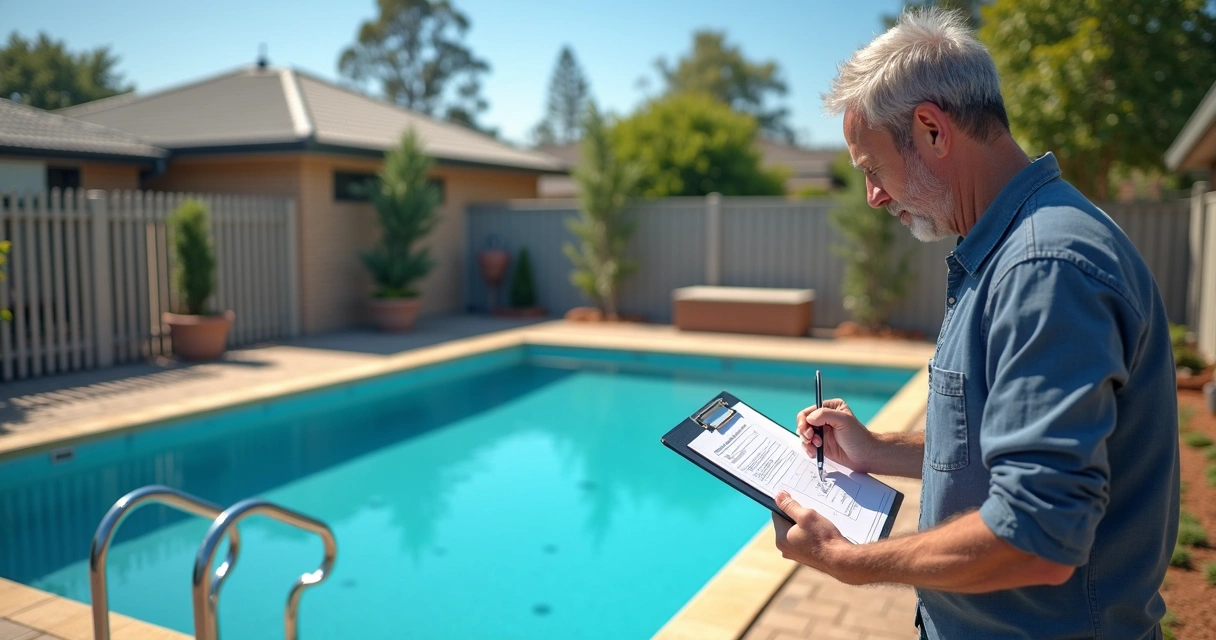
The pool inspection checklist: what gets checked?
Not all inspections are the same, but here’s what inspectors look for most often in Victoria:
- Is the pool or spa fence tall and sturdy enough, with no gaps under or between panels?
- Does the gate swing outward and close/lock automatically every time?
- Is the latch at the required height (usually 1.5m or more above ground)?
- Are there no climbable items within 900mm (the “non-climbable zone”) on both sides?
- Is the area free from damage, holes, or major wear that could make it easy to get over or under?
- For spas, are lockable covers or special barriers in place if required?
Based on these findings, inspections usually end in one of three ways:
- Immediate risk detected, urgent repairs needed, often with an immediate non-compliance notice
- Other non-compliance, issues must be fixed within 60 days, then reinspected
- Full compliance, you get your certificate and can relax
It’s on the owner to handle the fixes and keep records for future reference. The safety certificate is key if you’re selling or changing tenants, since it can be transferred and shows you’re meeting your responsibilities.
Why good inspections save money and worry
In my experience, the inspection fee is a small investment compared to what it can save in the long run. Spotting problems before they turn into emergencies avoids expensive repairs, council fines, or (worst of all) accidents. Plus, up-to-date inspections mean you can sell, rent, or enjoy your pool without disruption.
The real secret is ongoing maintenance. A sudden failed inspection can be stressful, but if you keep up with small repairs, checks, and stay alert to changing laws, you’ll never be caught off guard. For tips on daily and seasonal pool care, you can read more on articles like this maintenance guide or learn about managing pool maintenance costs to keep everything under control.
I always recommend using apps like MyPoolMate to track your test results, schedule upkeep, and store inspection records, just one log-in for all your pool’s details, saving time and reducing stress. That way, the next inspection is never a nasty surprise.
Final thoughts: is the cost of a pool safety inspection worth it?
Safe pools are happy pools.
When I look back on all the years I’ve owned pools, paying for regular inspections has always been worth it. The cost of an inspection is small compared to the value of safer swimming, fewer repairs, and fewer worries about hidden problems or council visits.
If you want to keep your pool fun, safe, and always on the right side of the law, make inspections part of your routine, and keep track of everything with digital tools like MyPoolMate. Ready to take your pool management to the next level? Learn more about personalised pool care, powerful monitoring features, and smart safety reminders by exploring MyPoolMate’s full web app suite.
Frequently asked questions
What is a pool safety inspection?
A pool safety inspection is a detailed assessment of your pool or spa’s barriers and entry points to check for potential safety risks and ensure your setup complies with Victoria’s current regulations. The inspector checks the fence, gate, latch, and nearby objects, but not the pool equipment’s electrical components.
How much does a pool inspection cost?
Most pool safety inspections in Victoria cost between $250 and $500. The final price depends on location, pool size, complexity, and any extra services or repeat visits needed. Always ask for an all-inclusive quote so there are no surprises.
How often do I need an inspection?
After your first certificate is issued, pool owners in Victoria need a new inspection and certificate every four years. Inspections are also mandatory before a property sale or if the council requests a reinspection after repairs or changes.
Where to find licensed pool inspectors?
Look for inspectors registered with the Victorian Building Authority (VBA) and check their credentials, registration number, and reviews from other pool owners. It’s smart to get recommendations or ask your local council if you need help finding a reputable pro.
Is it worth it to get inspected?
Absolutely. Pool safety inspections protect your family and guests, keep your pool legal, and can prevent expensive fines or repairs. Plus, regular inspections mean you have the documents you need to sell or rent your home without delays. For more on recognising pool problems before they grow, you can read about warning signs on this guide to pool treatment signs or deepen your knowledge with topics such as how pool chlorinators work.