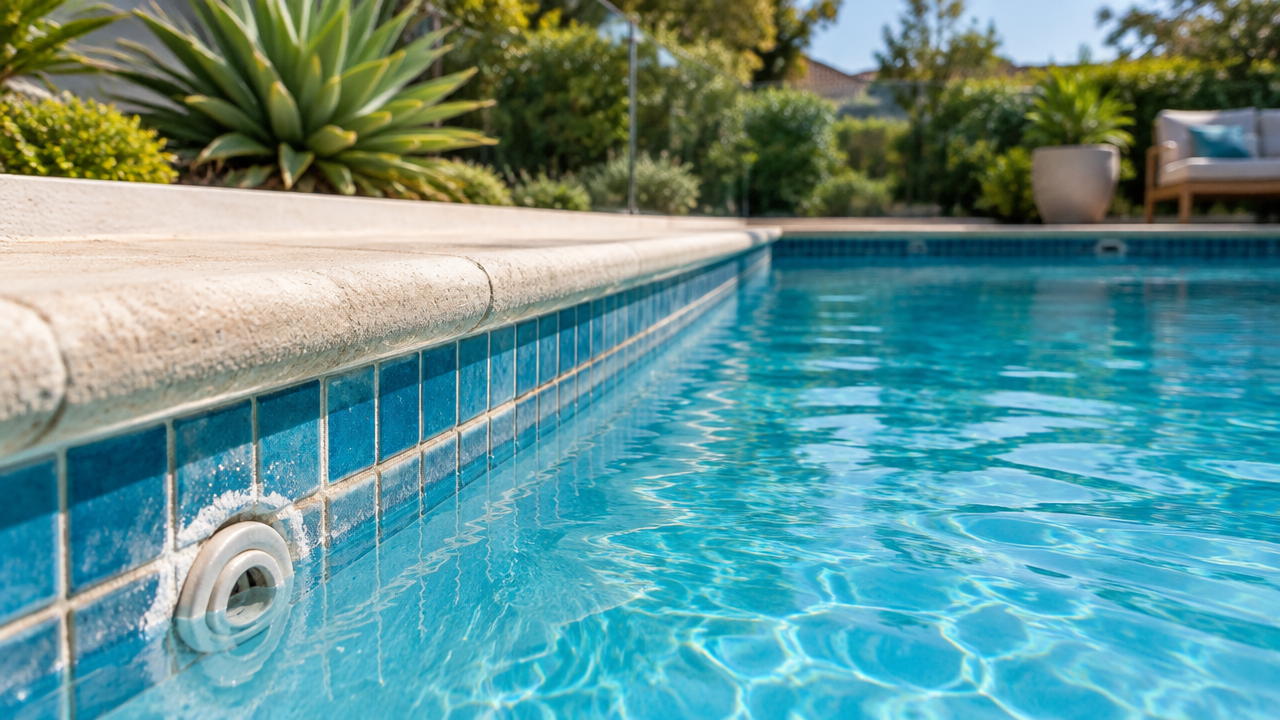

One morning, I walked out to my backyard and felt an uneasy twist in my stomach. The pool water, usually just below the tile, had dropped. Not by much, but enough for me to notice. My mind started to race—was it a leak, or just a hot spell and a bit of wind? I've seen this happen to many pool owners. Let’s pause here: a sudden drop in your pool’s water levels can mean a leak, wasted water, increased bills, and, if you’re unlucky, even damage to your pool structure itself.
Before panic sets in, run through a logical leak check. Not every water loss is a disaster.
Is it a leak or just evaporation?
Australian summers can be brutal. Water evaporates and splash-out happens, especially if you have kids or regular parties. But not every decrease in water means a leak. Here’s my trusted first step:
- Turn off your pool system (pump, filter, etc.).
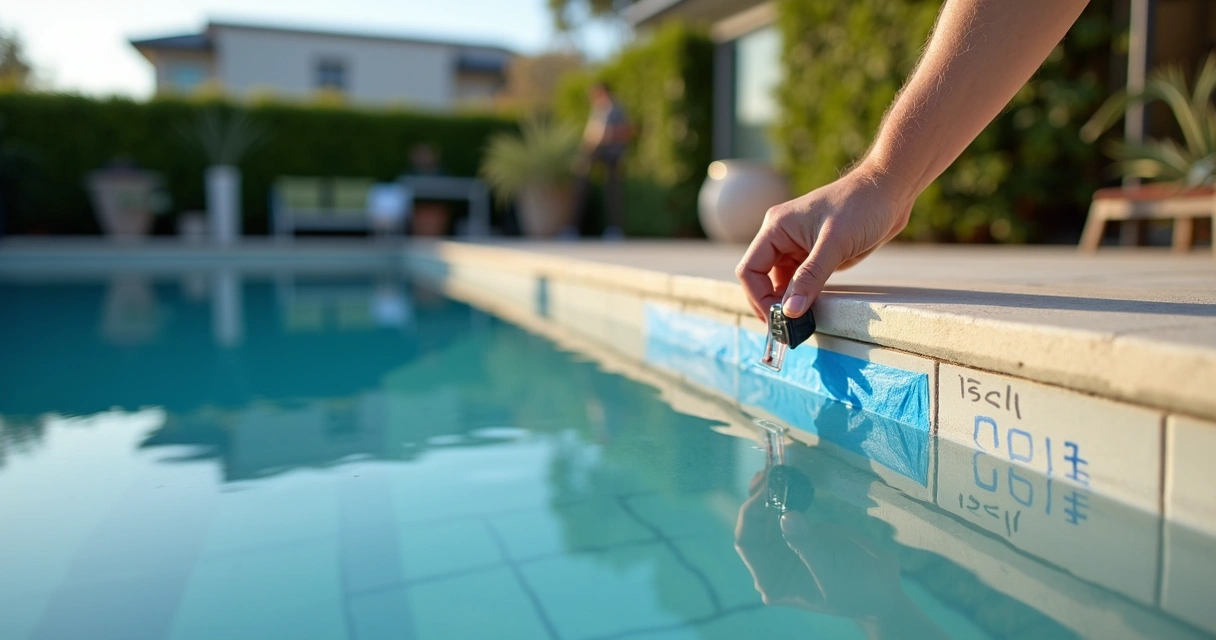
- Mark the water level on the pool’s tile or skimmer with a piece of tape or wax pencil.
- Wait 24-48 hours with the system off. Don’t use the pool.
- Return and check the water mark. If it’s dropped more than expected—say, more than a centimetre or so per day in summer—then you may genuinely have a leak rather than just evaporation.
This method, often called the “bucket test,” gives a clear start to your detective work. Not sure about water loss expectations where you live? There’s a helpful guide to Queensland pool maintenance that offers some tips on evaporation rates too.
Does the leak worsen when the pump is on?
I always say: leaks can sometimes hide, especially in the plumbing. Run this simple check:
- First, do the water mark test with the pump off.
- Refill if needed, then run the pump as you usually would and repeat the test.
- If water loss speeds up when the system is on, the leak is likely in the filtration plumbing or equipment.
- If not, the pool body is a stronger suspect.
Small detail, but it helps direct where to search first. This distinction is especially helpful when using projects like MyPoolMate, which tracks pool history and patterns over time to spot unusual trends.
10 checks to find a pool leak before calling for help
Sometimes, what you need is a good, practical checklist. Here’s what I do, step by step, when I suspect a pool leak at home or for clients. Don’t just skim—actually walk around and get your hands dirty.
- Walk the perimeter: Look for wet patches, soft ground, or eroded soil around the pool. If you find swampy earth where it should be dry, you could be standing right over the leak. Press gently with your shoe.
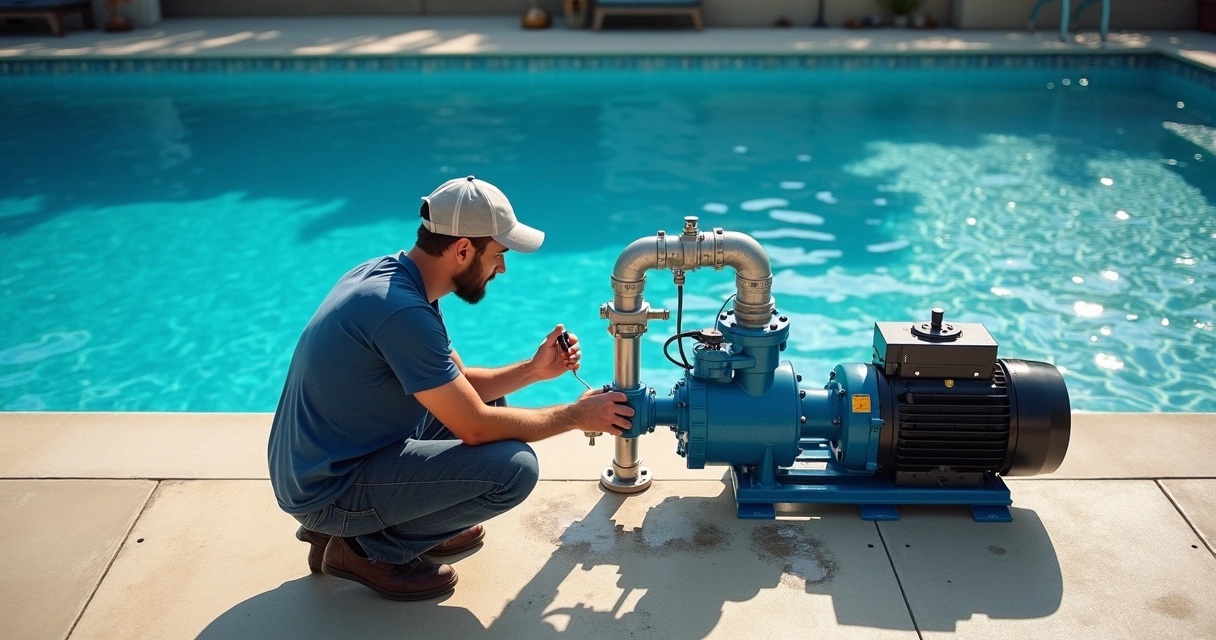
- Inspect equipment and connections: Turn off the pump. Carefully check all visible valves, PVC pipes, filter housings, and O-ring connections for dampness, drip lines, or small puddles. Sometimes a slow trickle goes unnoticed for weeks.
- Examine recent water bills: Compare your latest bill to the same period last year. A sudden spike in water usage often points to a leak.
- Watch the waste/backwash line: With the system running, check if water flows steadily (not just during backwash). If it does, a faulty multiport valve might be bleeding water straight to waste.
- Check tile line and skimmer area: Turn everything off, then look closely for hairline cracks where tiles meet coping or cracks in the skimmer box. Dried residue, white minerals, or greenish lines may also hint at slow leaks.
- Examine the light conduit: Pool lights often have a plastic pipe (the “conduit”) that runs back under decking. If water pulls away from this spot, it could be leaking out through an old, shrunk conduit. Never open up electrical areas yourself—this is for the pros to confirm.
- Inspect the liner (if you have one): For vinyl pools, look for rips, small tears, or spots where the liner pulls away from the corner. Wrinkles, unusual sagging, or a soft spot underfoot may mean a slow liner leak.
- Review for soil movement: Around the outside of the pool, check for shifted pavers, gaps forming under the coping, or subsided decking. These are warning signs that escaping water is moving earth below.
- Test return jets and fittings: Gently touch return inlets or other plastic fittings (especially older ones). If they feel loose, cracked, or you spot water behind the fitting, the leak may be here.
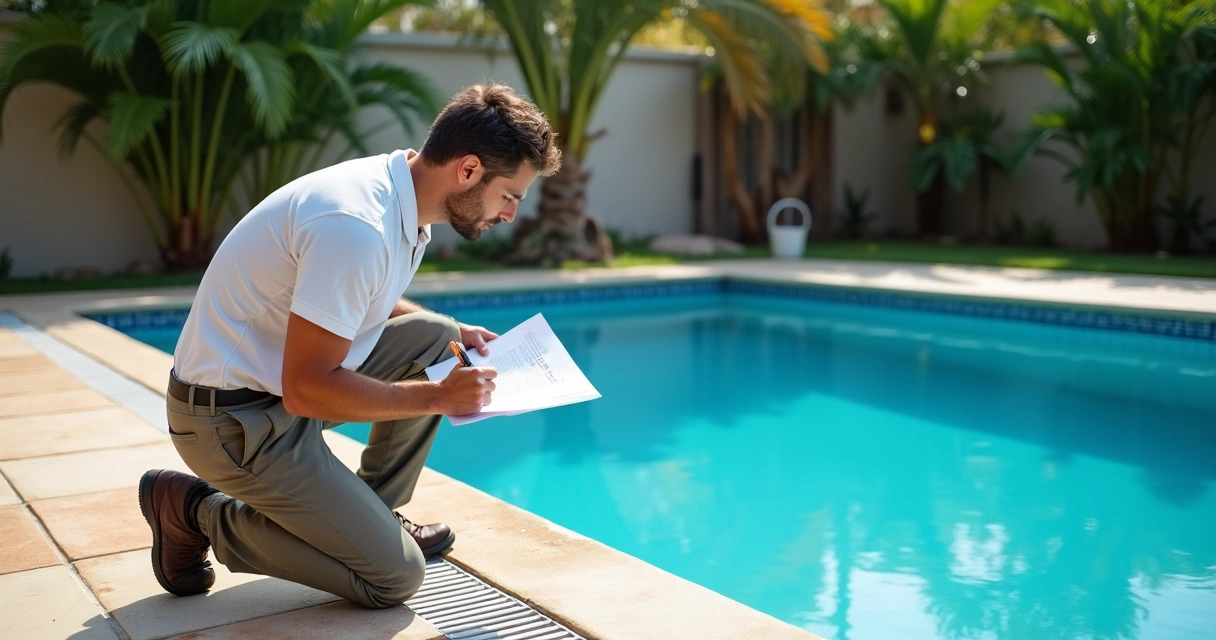
- Record everything: Take photos as you go and document what you find and when. Apps like MyPoolMate let you keep photo logs and attach test results, so nothing is forgotten. If you call for help, you’ll have everything ready.
What now if you can’t find the leak?
If you’ve run through these steps and come up empty, that’s when it’s time to call a pool leak expert. Some leaks are sneaky—hidden under concrete, behind interior finishes, or within buried plumbing. Pros have the equipment to find what the eyes miss.
Until then, avoid topping up daily. A persistent leak can eat through your wallet fast. Stay safe—water plus electricity plus digging is no place for beginners. If your pool is showing other problems, such as water chemistry swings, you can also consult resources like this pool maintenance guide collection.
Extra tip: Pool maintenance, recovery, and monitoring
Keeping an eye on leaks is only one piece of smart pool ownership. Over the years, I’ve seen that a well-kept routine, scheduled cleaning, and water testing helps catch issues before they grow. Tools like MyPoolMate help pool owners by providing a personalised track record—think water test logs, treatment calculators, reminder apps, and even AI-based photo checks to look for trends in your pool’s behaviour over time. This is especially handy before the heat of summer when evaporation can quickly mask signs of a real leak.
If you want more details about typical pool maintenance costs and what regular upkeep involves, I suggest recent information like the full breakdown of pool maintenance costs in Australia. This helps you budget for water, chemicals, repairs, and more—leak checks included.
When is it time to call in the professionals?
If you reach the end of this checklist with no clear answer, trust your instincts. A true leak often hides below ground or under concrete—places only specialists can check without damage. Do not wait too long, as ongoing leaks get worse over time and repairs get more expensive.
Plus, sudden leaks can stress your pool’s surfaces and equipment, leading to other issues. If you notice problems like algae blooms, odd stains, or rapid chemical loss, it may be time for a pool recovery plan. You can read more about urgent pool treatments in this guide about signs your pool needs urgent attention, along with step-by-step advice for dealing with trouble fast.
Conclusion: Smart pool care prevents bigger problems
After years of helping others and dealing with my own pool headaches, I find the same thing: early checks and detailed logs can catch most problems before they cost you real money. Projects like MyPoolMate are built to make this easy—offering monitoring, checklists, personalised reminders, and AI-powered support in one spot. If you need to review your filter too, you might enjoy this step-by-step pool filter cleaning guide.
Before calling a pro, always run through these ten simple checks. And if you want to make routine maintenance painless, try out MyPoolMate or keep reading on the maintenance tips blog—because a good pool should be a joy, not a chore.
Frequently asked questions
How to tell if my pool is leaking?
If you find your pool losing more than a centimetre of water per day in calm, warm weather, do the bucket test by marking the water line and checking it over 24-48 hours. Compare the loss to a bucket of water set next to your pool (both exposed to the same conditions)—if the pool drops more, you likely have a leak.
What are common causes of pool water loss?
Common causes include evaporation, splash-out, backwashing, overflows from rain, and leaks. Leaks may be found in the pool shell, plumbing, liner, fittings, or equipment connections. In my experience, plumbing leaks and cracks near fittings are among the most frequently overlooked.
How much water loss is normal?
It’s normal for pools to lose up to 2-3 centimetres per week due to evaporation and splash-out. This can increase in hot, windy, or dry climates. If you see more, especially with cool weather and low use, you may have a leak.
Can evaporation cause significant pool water loss?
Yes, especially in hot or windy locations. Evaporation rates can rise with high sun, dry air, and strong breezes. Still, evaporation alone rarely exceeds 2-3 centimetres per week for most Australian pools. If your loss is above that, check for leaks.
When should I call a pool leak professional?
If you’ve completed the leak checks with no clear cause, or if water loss is rapid and ongoing despite your efforts, it’s time to call an expert. Call a pro promptly to prevent further damage and higher water bills. If electrical equipment is involved, never risk DIY—get specialist advice.