

I have seen many clean pools ruined by one ugly detail. It sits right at eye level. A chalky, greasy, stubborn ring around the waterline. It makes the whole pool look tired, even when the water is clear.
Pool tile scum is the line that forms at the water level when minerals, oils, lotions, and debris build up over time.
In my experience, this line starts small and then becomes annoying fast. Water evaporates and leaves minerals behind, especially calcium. At the same time, body oils, sunscreen, dust, and floating debris collect where the water meets the tile. The result is a scum line that can feel hard, greasy, or both. It is frustrating to clean, and the longer I leave it, the harder it gets.
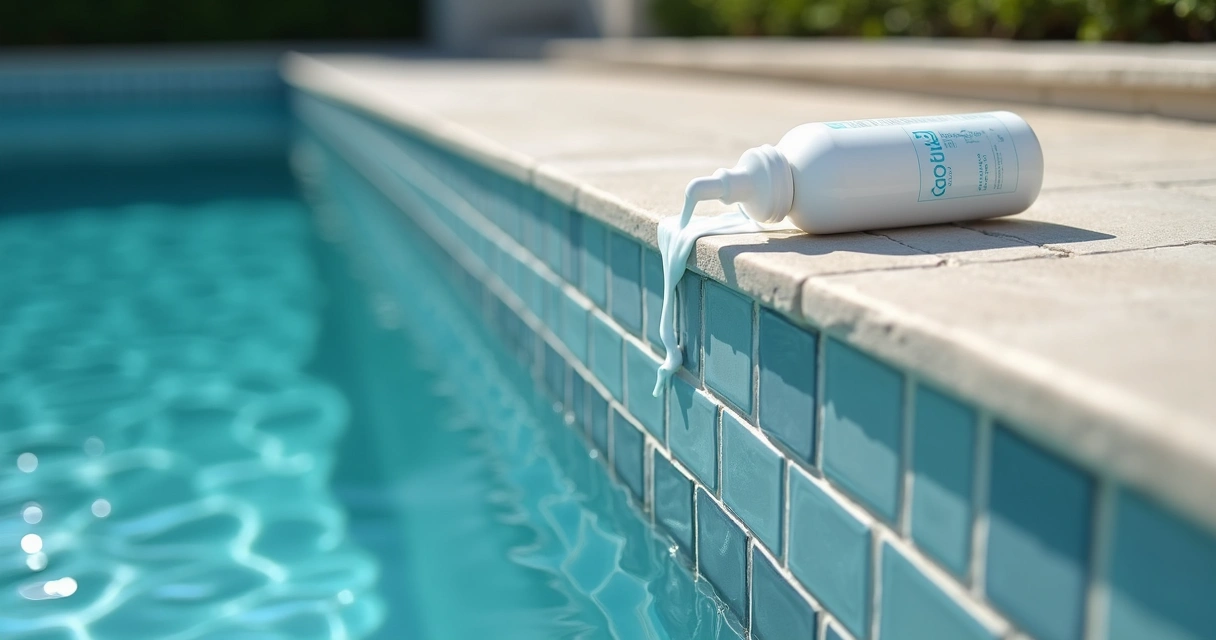
That is why I like using a thick gel cleaner such as Tough Tile. It clings to the wall instead of sliding off right away. That simple change gives the cleaner more time to work, which means less scrubbing for me and a faster result.
Clean tile changes the whole pool.
Why scum lines get so stubborn
I think many pool owners expect the waterline mark to wipe away with a brush. Sometimes it does not. The line keeps building in layers. One part is mineral scale. Another part is oily residue. Add a bit of sun, heat, and time, and that mess bonds to the surface.
Scum makes pool cleaning annoying and frustrating because it is right where everyone can see it, and it often needs more effort than people expect. It also does not care if the pool is concrete, fibreglass, vinyl, or tiled. The waterline still collects residue.
Pool care rarely has just one problem. Along with scum lines, I often see owners dealing with algae, poor water clarity, stains, heavy filter loads, and changing seasonal weather. In Australia, a pool can shift a lot between summer heat and cooler months. That is one reason I like tools such as MyPoolMate. Good maintenance starts with knowing what is really happening in the pool, not guessing.
Why a gel cleaner works faster
Thin liquid cleaners can run down the wall too quickly. A gel cleaner acts differently. Tough Tile is thick, so it stays where I put it. That gives it more contact time on the dirty line.
A gel cleaner removes scum faster because it clings to vertical surfaces and keeps working where the buildup sits.
That extra dwell time matters. I do not have to rush. I can apply it, let it sit briefly, and then scrub with less effort. I have found that this also helps stop the scum from returning as fast, since the surface gets cleaned more fully instead of only being rubbed on the top layer.
Tough Tile also has a few practical benefits that many pool owners like:
It works on any pool surface.
It does not give off fumes.
It is biodegradable.
It is suitable for home pools and commercial settings.
That makes routine care feel easier and safer, especially when I am cleaning in a tight pool area or doing regular upkeep.
How I use Tough Tile
I like simple steps, especially for jobs that already feel messy. The method depends on how bad the buildup is.
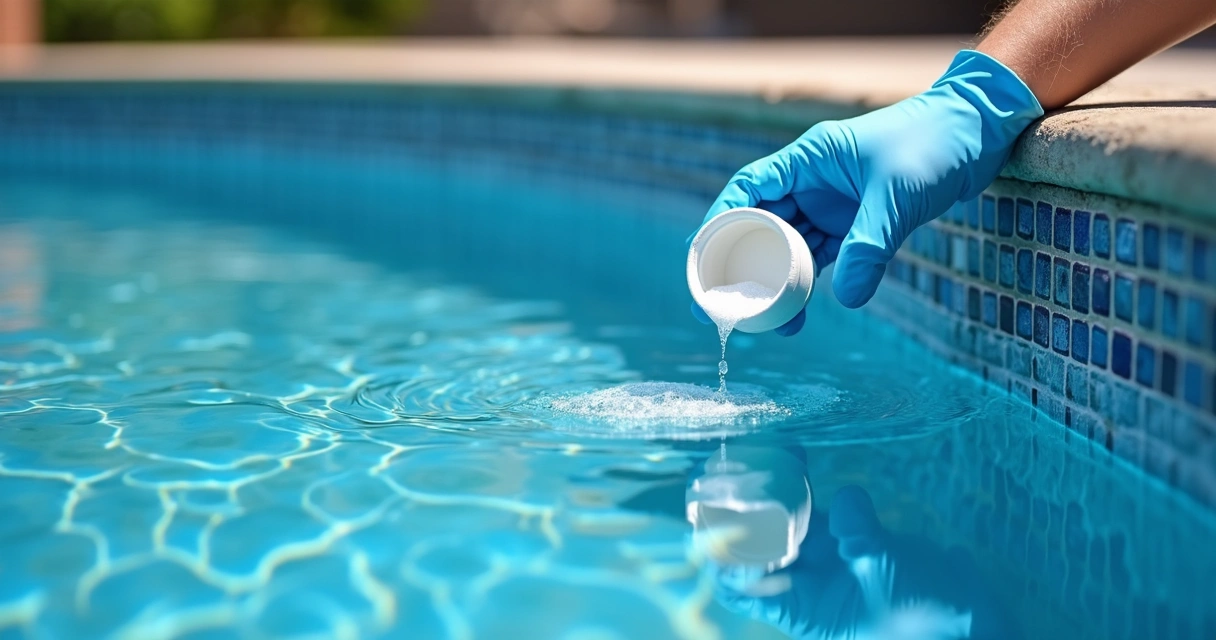
For tough jobs, I apply Tough Tile straight from the container.
For more stickiness on tiles and other vertical areas, I can thicken it a little more by adding muriatic acid.
For lighter jobs, I dilute the cleaner with water.
I scrub the area with a suitable pad or brush and then rinse well.
For heavy waterline buildup, using the gel undiluted gives the cleaner the best chance to break down the scum.
I always take care with muriatic acid and handle it with proper safety gear and careful measuring. A small adjustment can improve cling, but more is not always better. If the scum line is light, dilution with water can make the job easier and more economical.
Once the line is clean, the pool looks better right away. That instant visual change is one of the most satisfying parts of pool care. I have had days where the water chemistry was fine, but the pool still looked dull because of the tile ring. Cleaning that band fixed the whole look in one session.
How I keep the line from coming back too soon
After cleaning, I try to reduce the causes of buildup. No method stops it forever, but a few habits help.
Keep calcium and water balance in a sensible range.
Brush the waterline during regular cleaning.
Remove floating debris before it sticks to the edge.
Stay on top of oils and lotions during heavy swim periods.
That is also where MyPoolMate fits in nicely for me. If I can track test results, seasonal changes, and maintenance notes in one place, I am less likely to miss the small shifts that lead to buildup later.
If you want broader care tips, I suggest looking through MyPoolMate articles on pool maintenance topics and pool chemistry issues. I have found that scum lines often connect to bigger care patterns, not just one dirty edge.
Other pool issues that often show up at the same time
In my experience, a dirty tile line is rarely the only sign of trouble. Sometimes there is also cloudy water, rising filter pressure, water loss, or dark spots that hint at algae or staining. One issue can hide another.
If you are working through a full cleanup, these MyPoolMate blog posts can help with related tasks:
For filter care, I like this guide on cleaning a pool filter cartridge step by step.
For location-based upkeep, this Queensland pool maintenance guide is useful.
For working out doses, the metric pool chemical calculator guide can save guesswork.
I also like that pool owners can often find posts about scum lines, water loss, high filter pressure, black or dark green spots, and cloudy water, along with swimming pool care tips in English and Spanish. That makes the blog more useful for mixed households or service teams.
Conclusion
When I want fast results on a waterline ring, I reach for a gel cleaner because it stays put and gives me more cleaning power with less effort. Tough Tile makes sense for this job because it clings well, works on any pool surface, gives off no fumes, and is biodegradable. Used full strength for hard buildup, slightly thickened with muriatic acid for extra cling, or diluted for lighter marks, it gives me a practical way to get the tile line clean and make the whole pool look better straight away.
If you want a cleaner pool with less guesswork, get to know MyPoolMate and see how it can help you track maintenance, understand water problems, and keep your pool looking its best all year.
Frequently asked questions
What is pool tile scum line?
Pool tile scum line is the buildup that forms around the pool at the water level. It usually contains calcium and other minerals left behind by evaporation, along with body oils, lotions, and floating debris.
How does gel cleaner remove scum?
Gel cleaner removes scum by sticking to the pool wall and staying in contact with the buildup longer. That helps break down the residue so I can scrub it away with less effort.
Is gel cleaner safe for tiles?
Yes, a good gel cleaner such as Tough Tile is made for pool surfaces and can be used on tiles and other pool finishes when applied as directed. I still recommend following label directions and using proper care if adding muriatic acid.
How often should I clean tile scum?
I think light cleaning during regular pool maintenance works best. If the pool gets heavy use, strong sun, or high mineral content, checking the waterline weekly can stop thick buildup from forming.
Where to buy the best gel cleaner?
I suggest choosing a thick gel product designed for pool tile scum removal, such as Tough Tile, from a trusted pool supply source. If you also want better long-term care, MyPoolMate can help you manage the water and maintenance habits that lead to less scum in the first place.


