
I have seen many pool owners hesitate when a salt cell starts failing. The usual thought is simple: should I pay more for a genuine replacement, or can I trust a generic one? In my experience, this is one of the most practical pool buying decisions a homeowner will make, because the salt cell has a direct effect on chlorine output, water balance, and day to day pool care.
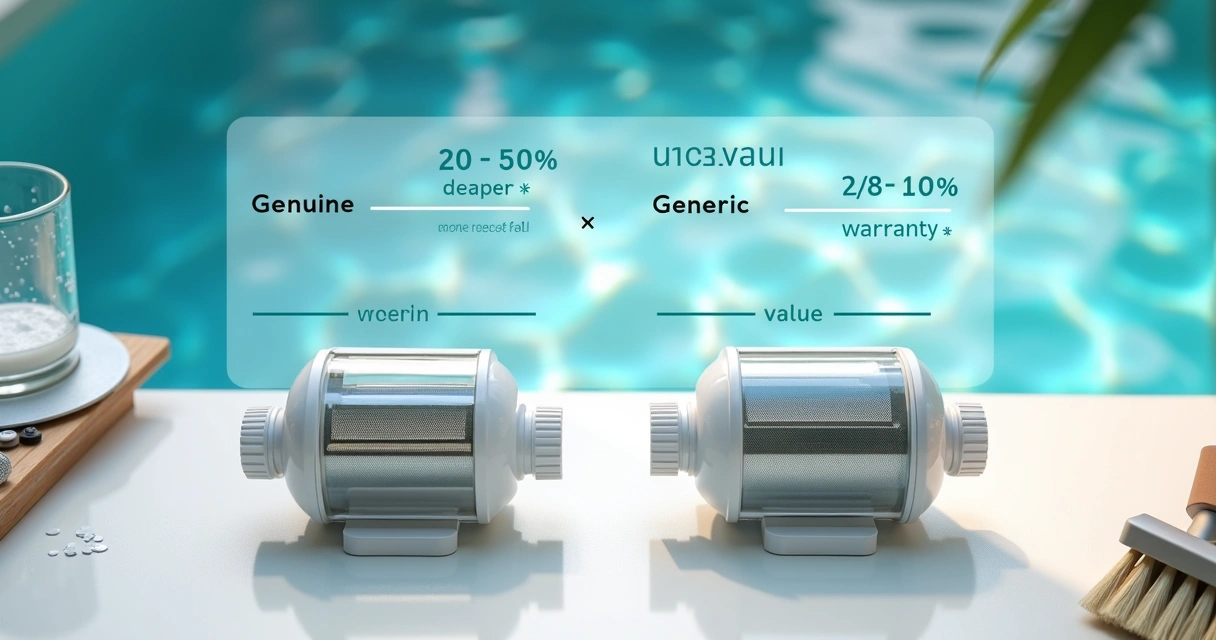
Generic salt cells are often 20% to 50% cheaper than genuine ones, and many still match them for quality, fit, and warranty.
That price gap gets attention fast. Sometimes the saving is close to half the cost. And yet, what I have found is that lower price does not always mean lower value. In many cases, a well-made generic salt cell offers better value for money, especially when it meets manufacturer specs, installs without extra changes, and comes with warranty cover.
What really separates genuine from generic?
At the basic level, both genuine and generic cells are built to do the same job. They convert salt into chlorine through electrolysis. If you want a broader refresher on system design and common mistakes, I suggest reading this guide on how pool chlorinators work, their types, pros, and mistakes.
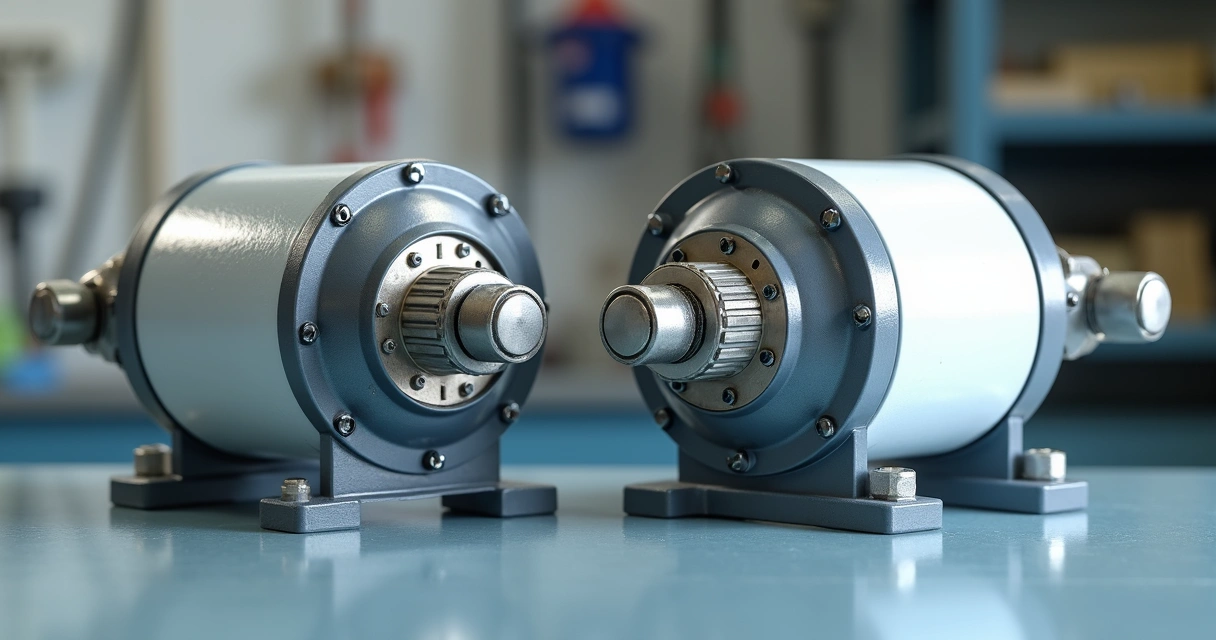
The difference usually comes down to branding, construction style, and price. Genuine cells are sold as the original match for a chlorinator. Generic cells are made as compatible replacements. That sounds risky to some people at first. I understand that reaction. But many generic replacements are designed to meet the same operating specs, so swapping out an old cell for a new generic one often needs no extra adjustments at all.
Fit matters more than the label.
Many generic cells also come with a two-year full warranty, though this can depend on where they are purchased. That is one reason I do not dismiss them. If the maker or seller is willing to stand behind the product for two years, that says a lot.
Why generic cells can be better value
I think this is where the real showdown happens. A lot of pool owners assume the dearer option must last much longer. In practice, both genuine and generic salt cells usually last between three and five years. Water balance, run time, cleaning habits, and calcium buildup often affect life span more than the logo on the box.
Both genuine and generic salt cells commonly last about three to five years in normal pool conditions.
Some generic models are also built with heavy-duty, chemical-resistant materials and solid plates instead of perforated plates, which are common in many genuine cells. That solid plate design can mean a longer working life because there are fewer thin sections exposed to wear.
From what I have seen, good generic cells offer value in a few clear ways:
- They are typically 20% to 50% cheaper.
- They often include a two-year full warranty.
- They usually install as direct replacements.
- They can use solid plate construction for strong durability.
- They often match the quality and warranty of genuine options.
That makes the decision less emotional and more practical. If a generic cell gives me the same fit, solid reliability, and a fair warranty, I pay close attention.
Signs your salt cell may need replacing
I once checked a pool that looked fine on the surface, but the water kept slipping out of balance. The owner had added chemicals twice in one week and still had poor chlorine. The salt cell was the real problem. That is why I always tell people to watch the warning signs early.
The main signs a salt cell needs replacing include:
- A no-flow or low-salt indicator that keeps appearing
- Mineral and scale buildup on the cell plates
- A chlorine drop that leaves the pool water unbalanced
- The chlorinator not making chlorine
- A check salt light that stays on
If the chlorinator is not making chlorine or the check salt light is on, I would inspect the electrode carefully. Look for cracks, chips, or visible wear. The electrodes take the brunt of daily use, so when they break down, chlorine output drops fast.
If the electrode shows cracks, chips, or heavy wear, replacement is often the simplest fix.
For more fault-finding steps, I recommend this salt water chlorinator troubleshooting guide with 12 common issues and fixes. If your system is an Axis model, this Axis salt chlorinator guide can also help narrow things down.
How I clean and maintain a salt water pool cell
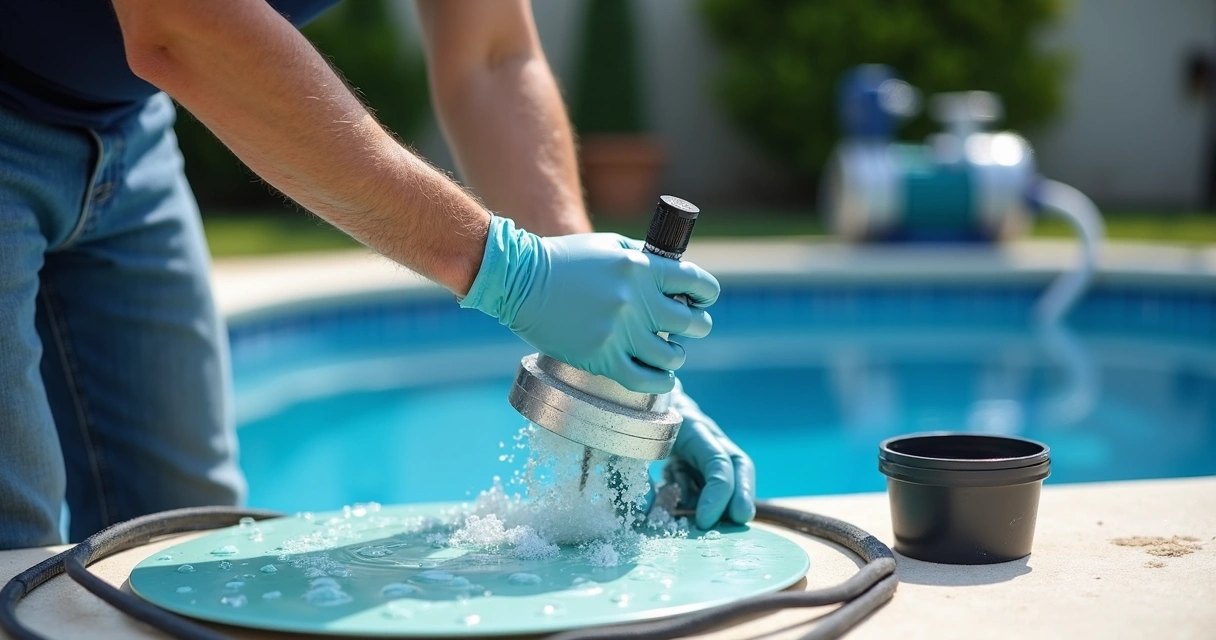
Before replacing a cell, I always check whether it just needs cleaning. A dirty cell can act like a failing one. The good news is that maintenance is simple if done with care.
Here is the step-by-step process I follow:
- Turn off the pump and chlorinator at the power source.
- Remove the salt cell from the housing.
- Inspect the plates for white scale, mineral crust, cracks, or chips.
- Rinse the cell with a garden hose to remove loose debris.
- If scale remains, use a cleaning solution approved for salt cells and follow the label directions.
- Do not scrape the plates with hard metal tools.
- Rinse again, refit the cell, and restart the system.
- Retest chlorine and salt levels after the unit has run.
If your pool has a salt reading problem after cleaning, I suggest checking these simple steps for fixing high pool salt levels with accurate testing. In my experience, many cell complaints start with poor salt readings or scale caused by imbalanced water.
For pool owners who want fewer guesswork moments, MyPoolMate can help track test history, spot chlorine trends, and flag water issues before they become expensive hardware problems. I like that approach because it focuses on the root cause, not just adding more product.
What about special pool types?
Not every pool behaves the same way. Surface type, water chemistry, sanitising method, and climate all affect salt cell wear. I have noticed this even more with alternative mineral setups. If that is relevant to your pool, this magnesium pools vs chlorine guide for Australian homes is worth reading.
That is also why I like tools that store pool-specific details. MyPoolMate, for example, lets owners keep records for pool volume, surface, sanitisation method, and seasonal test patterns. When I compare that to generic one-size-fits-all advice, the difference is clear. Better data usually leads to better decisions.
My final view
If I were choosing today, I would not reject a generic salt cell just because it is cheaper. Many generic replacements meet manufacturer specs, offer solid reliability, and include warranties for peace of mind. When they are 20% to 50% cheaper, built from heavy-duty chemical-resistant materials, and fitted with solid plates, they can be the smarter buy.
A well-made generic salt cell can deliver better value than a genuine one without asking you to change your setup.
If your cell is showing no-flow alerts, low-salt warnings, scale buildup, or falling chlorine, inspect the electrode and act early. Replace it if needed to keep pool care simple. If you also want smarter help with test results, maintenance tracking, and pool-specific treatment advice, get to know MyPoolMate. And if you are shopping for parts, join The Pool Club for a $15 discount on orders over $149, plus updates on sales, exclusive offers, and DIY tips. You can unsubscribe at any time.
Frequently asked questions
What is a salt cell for pools?
A salt cell is the part of a salt chlorinator that converts dissolved salt in pool water into chlorine. It helps sanitise the water without the need for regular manual chlorine dosing.
How do genuine and generic cells differ?
Genuine cells are original branded replacements, while generic cells are compatible replacements made to match the same operating specs. In many cases, generics cost less, fit straight in, and still offer good build quality and warranty cover.
Is it worth it to buy generic?
In my view, yes, many times it is. If the generic cell matches your chlorinator model, meets the right specs, and comes with a proper warranty, it can offer very good value for money.
How long do salt cells usually last?
Most salt cells, whether genuine or generic, usually last between three and five years. Actual life depends on water balance, scale buildup, cleaning habits, and how many hours the system runs.
Where to find the best salt cell deals?
I would look for sellers that clearly list model compatibility, warranty length, and material quality rather than focusing on price alone. A good deal is one that combines fair pricing, reliable support, and the right fit for your chlorinator.