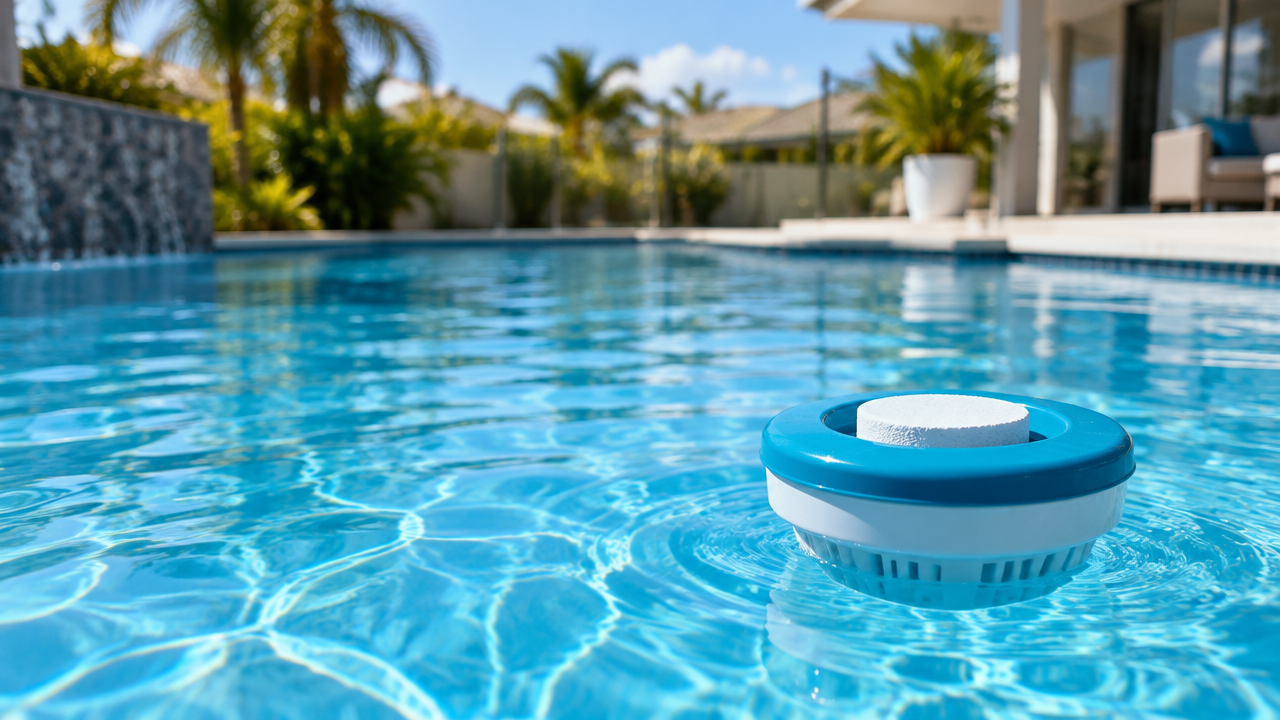


I remember the first time I tried to balance the chemicals in my backyard pool. I stood there with strips, bottles, and not a clue as to what those colors really meant for the health of my water. Pool care felt like guesswork. There were cryptic pool shop printouts, constant upsells, and never an answer for why things went wrong. I wished there was something—or someone—that actually understood my pool. Today, I’ve seen first-hand how smart technology and artificial intelligence have rewritten the pool chemistry playbook, opening a new chapter for every residential pool owner who just wants water that's healthy, comfortable, and safe.
In this guide, I’ll share how AI-driven pool water testing works, what makes it so different from manual routines, and why personalised recommendations matter more than ever. If you’re tired of generic advice or wasting money on unnecessary chemicals, it’s time to discover what AI pool water analysis can do.
Why pool water balance matters
When it comes to keeping a swimming pool both pleasant and safe, water balance is the first priority. As research on the CDC site explains, maintaining the proper levels of sanitiser (like chlorine), pH, and other parameters prevents algae, bacteria, and other pathogens from making the water unsafe to swim in.
A well-balanced pool also protects your investment. Off-balance water can corrode heating systems, damage pool surfaces, and shorten the life of expensive equipment. Nobody wants red eyes, itchy skin, or a green, murky pool. I've also seen families steer clear of their own backyard oasis simply because water care became too complicated or costly.
Water chemistry keeps your pool safe for everyone.
How traditional pool testing really works—and why it’s tricky
Most pool owners I’ve met started out with familiar tools: test strips, reagent kits, and a few printed guides. These manual methods have their place. Still, as I experienced, they come with plenty of pain points:
- Test strip results can be subjective—in other words, how you see color may not match what someone else sees.
- Reagent kits require precision. It’s easy to miscount drops or mix up bottles.
- Results are often compared against a “universal” chart that rarely matches your pool’s real conditions or local weather.
- Manual logs are hard to track. I often misplaced my notes, making trends invisible.
- Many pool shops give one-size-fits-all advice—not accounting for differences in pool volume, finish, or recent weather.
More than once I found myself guessing about next steps. Even worse, a quick online search or store visit rarely took my pool’s age, shape, or unique needs into account.
Common pool water problems—and their root causes
After a few summers of owning a pool, these are the most frequent issues I’ve run across (and seen in others’ experiences too):
- Algae blooms: Often a result of inadequate sanitiser, poor filtration, or imbalanced water. They can appear suddenly and rapidly worsen.
- Cloudy water: Typically down to pH swings, not enough sanitiser, or the build-up of debris and fine particles.
- Corrosion and scaling: Caused by water that’s too acidic (low pH), too alkaline (high pH), or has improper calcium hardness.
- Overuse or misuse of chemicals: Pool shop reports commonly recommend chemicals “just in case,” leading to unnecessary expense and even possible injury. As found in data from the MMWR report, improper handling and overdosing can cause thousands of accidents per year.
More than anything else, I believe that most pool problems start with unclear or generic advice. Every pool is a little different—by shape, location, weather, volume, surface, or history. Generic treatments miss the root cause and often make things worse.
What does AI-powered pool water analysis mean?
AI-driven pool water analysis combines software and (sometimes) connected hardware to make pool care more accurate, faster, and tailored to you. At its heart, it’s about bringing together your pool’s own test data, usage, climate, and even photos to help you understand exactly what your water needs.
Instead of following a chart or standard table, AI-powered apps analyse the very specific numbers and details you provide (like your pool surface, sanitiser type, water test results, and even the season). Then, they use advanced algorithms—trained on thousands of real life data points—to recommend exactly the right treatment, with no guesswork involved.
No more one-size-fits-all chemistry.
How does AI pool testing actually work?
Here’s a simplified walkthrough, based on what I’ve learned from using modern tools like MyPoolMate as well as industry research:
- You enter your pool’s details: type, shape, volume, sanitizer, finish, year built, and more.
- Regular water tests are performed—these can be entered manually, scanned with an app from a test strip or store printout, or collected via smart sensors.
- The AI instantly analyses your historic and current data, comparing it against established guidelines and its own, more nuanced algorithms.
- The system takes into account your pool trends, weather, and how your water readings shift throughout the year.
- It provides you with step-by-step advice that’s tailored to your actual water needs—not what’s generic to all pools.
- You receive maintenance guides, alert notifications, targeted recovery steps, and clear records.
In the best tools, I can scan in a photo of a pool shop printout, and the app understands everything for me. Or, connect a water sensor that syncs with my pool profile and interprets the results.
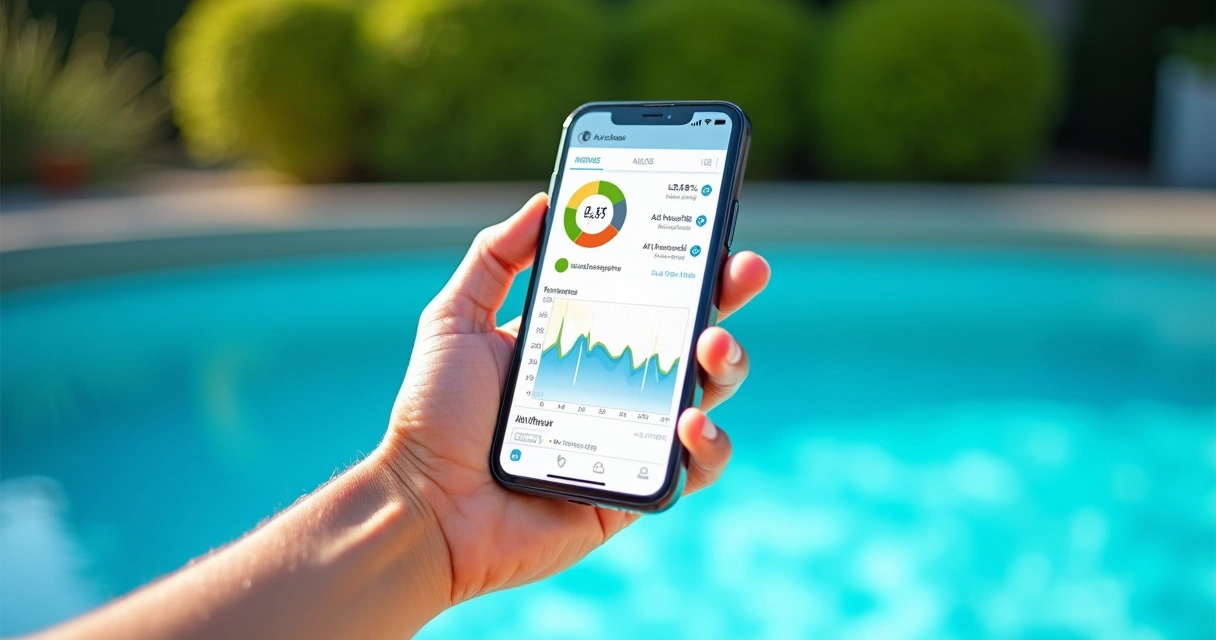
Parameters monitored by AI pool analysers
Accurate pool water management starts with tracking specific parameters, the same ones highlighted by sources like ChemistryViews and CDC guidelines:
- pH (aiming for 7.0–7.8, as recommended here)
- Chlorine (free and total) (at least 1 ppm for pools, 3 ppm for hot tubs)
- Total Alkalinity (often targeted at 80–120 ppm for stability)
- Calcium hardness (for surface and equipment protection)
- Cyanuric acid (stabiliser, to prevent fast chlorine loss)
- Other parameters as required (e.g., salt for saltwater systems, phosphates, metals)
An AI pool dashboard tracks all these and alerts you when something slips out of range. The better platforms also let you track seasonal presets—like Australian summer or winter—and custom goals for your unique pool.
If you want to know more about how to monitor and manage alkalinity in practice, there's an insightful guide on controlling pool alkalinity for safer water that breaks down the process in detail.
Benefits of AI pool water analysis over manual routines
Having lived through both manual and AI-based approaches, here’s what stands out to me:
- AI tailors advice to your pool size, build, age, and surface—not a generic average.
- It prioritises root causes, not symptoms, preventing overcorrecting and chemical overuse.
- The software keeps all your water test history together, tracking patterns and trends visually.
- Alerts notify you before problems spiral—catching issues like dropping chlorine before algae appears.
- Recovery protocols guide you step-by-step through urgent problems with picture or file attachment support.
- Personalised, recurring maintenance schedules are suggested and updated based on your pool’s real conditions.
- If you work with a technician, you can share selective access (with clear role-based permissions) for trusted help.
AI analysis makes pool care less reactive and more proactive, giving you confidence even if you’re a new pool owner.
As the Wisconsin Department of Health Services and other agencies note, most pool accidents happen through poor chemical handling. With better guidance and clear digital logs, I feel safer working with any pool chemical.
Saving money (and headaches) with precise dosing
I have lost count of how many times I’ve heard pool owners complain about being “sold the shelf” at pool stores. AI-powered recommendations are focused only on what’s necessary for your pool at a given time. That means no more buying stabiliser if your level is already perfect, or shocking the water when you only need a tiny chlorine top-up.
The pool chemical calculator guide shows how precise dosing—adjusted for your gallons or litres—both improves safety and keeps your wallet happier.
The end result? Less wasted product, fewer emergency store trips, and water that’s comfortable, not harsh.
You only add what you really need.
From paper logs to a living pool profile: The real impact of smart monitoring
What surprised me most in recent years is the sheer convenience when AI-powered apps become the record keeper. Instead of dozens of paper notes or photo albums, a tool like MyPoolMate gives each pool its own profile—including:
- Type, finish, volume, and sanitisation method
- Historic and current test data—graphed for visibility
- A gallery of photos to track wear, stains, or surface changes
- Guest access for technicians
- Manual entry, photo scanning, or connected device integration
It is a single source of truth. And it grows smarter over time as more data is added.

Features to look for in an AI pool management app
If you’re curious about adopting AI in your pool care, here’s what I’d look for based on my own experience:
- Ability to create detailed pool profiles (including photos and build info)
- Support for multiple pools or users within one account
- Manual, photo-based, or automated water test entry supported
- Personalised chemical target ranges and seasonal presets
- AI-powered maintenance scheduling with smart suggestions
- Clear visual history of water tests and chemical adjustments
- Proactive alerts (for out-of-range readings, upcoming tasks, or emergencies)
- Recovery plans with live chat and the option for file/photo uploads in urgent scenarios
- Customisable access for professionals or family members
Modern solutions like MyPoolMate tick all of these boxes. If you want to know how several leading pool-management tools stack up by feature and ease of use, check the thorough comparison at pool management tool comparison.
AI guidance for seasonal shifts—why one size never fits all
Australian summer can be rough on pools, while winter brings its own surprises. I’ve found that “set and forget” isn’t an option with water chemistry. The best AI solutions allow you to set different presets, so your pool stays healthy even when things change fast—extended heatwaves, heavy rain, or long closures.
Having a smart assistant automatically switch your dosing and alerts to match the season means fewer shocks, stains, or wintergreen surfaces when you open up.
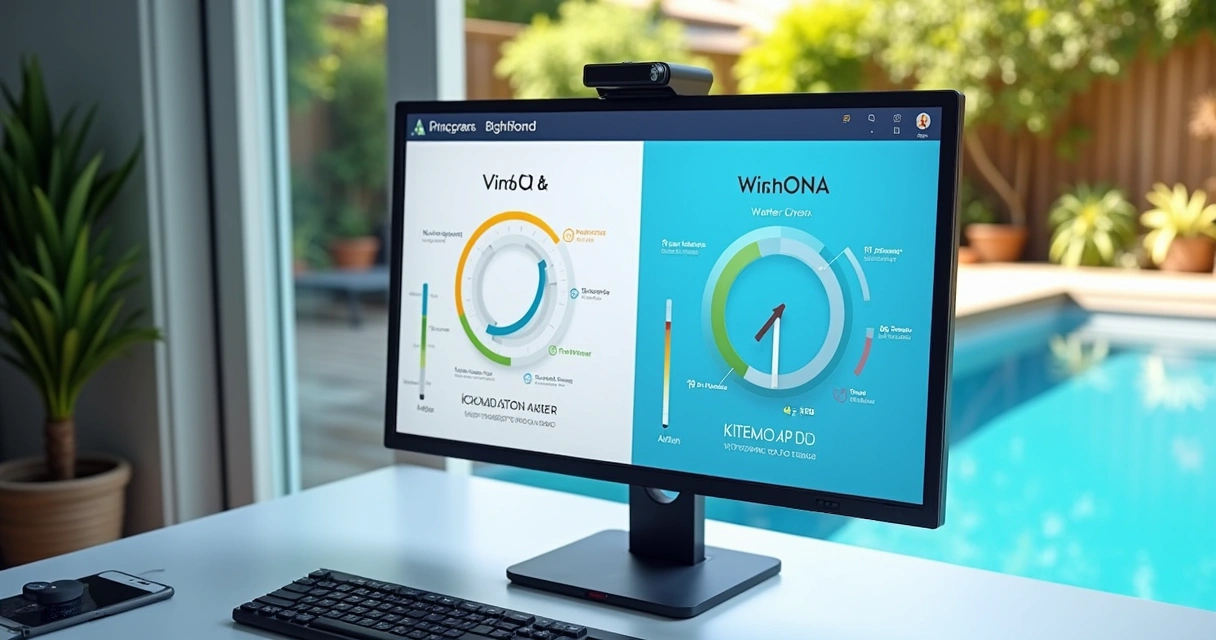
Empowering both residential owners and pool technicians
One of the best surprises for me has been seeing how both DIYers and professionals gain from smart pool care. Homeowners finally have data they can trust, visual records, and step-by-step plans they understand. But, as someone who’s worked with and talked to technicians, I see even the pros benefit. With clear access to each client’s detailed pool profile, past readings, and photos, a technician can make better calls and avoid errors.
When the owner and professional see the same facts, there’s no confusion.
Role-based permissions let pool pros manage several clients, with full transparency. Homeowners decide exactly who accesses what and when. This means more collaboration and better outcomes for everyone.
Practical tips: Getting the most from an AI pool analysis tool
Here’s what I recommend for anyone starting their smart pool chemistry journey:
- Start by creating a complete pool profile—details matter for tailored advice.
- Be honest and thorough when logging test results, even if something looks “off.”
- Upload pictures of problem areas—it really helps both AI and technicians spot trends.
- Review your trend graphs from time to time. You’ll start noticing seasonal or usage patterns.
- Set your notification preferences so you catch problems (like low chlorine) fast.
- Share access only with professionals you trust—and control what they can see or change.
- Don’t ignore recovery plan recommendations if you do run into an urgent issue like algae—AI will guide you, step by step.
- Keep up with the latest changes in AI pool care by following dedicated resources, such as the AI category of the MyPoolMate blog.
Current limits and areas for improvement
While AI-powered pool management has moved quickly, I must acknowledge a few limitations I still notice:
- Manual test entry still requires care—automation is growing, but not everything is sensor-driven yet.
- Some regional chemical brands or exotic pool finishes may not be perfectly covered by all databases.
- AI cannot physically check systems for leaks, filter issues, or broken equipment.
- The best results come from regular, honest entry of data—skipped readings create blind spots, even for AI.
- Connected sensors can still be expensive, though prices are improving each year.
Even with these gaps, I find that AI-driven advice outperforms generic store advice any day of the week—especially for unique or aging pools.
For more insights on specific chemical processes, the dedicated pool chemistry section on the MyPoolMate blog has great resources to deepen your knowledge.
Conclusion: AI pool water analysis is the smarter way forward
Reflecting on my journey from “eyeball the strip” to letting smart AI monitor and guide my pool care, the change is profound. MyPoolMate, among other advanced solutions, puts control back in your hands with true personalisation, helpful reminders, and actionable advice. Most of all, it strips away the mystery and stress of water balance—making a healthy, sparkling, and inviting pool normal, not wishful thinking.
AI-powered analysis doesn’t just make maintenance easier, it makes it smarter, cheaper, and safer—something that benefits every residential pool owner and professional technician alike.
If you’re ready for advice that fits your pool like a glove and want to enjoy stress-free swimming all year long, I invite you to try out MyPoolMate and see what smarter pool chemistry feels like.
Frequently asked questions
What is AI pool water analysis?
AI pool water analysis refers to using artificial intelligence tools to interpret your pool's water test data and then provide targeted, personalised recommendations for treatment and maintenance. Instead of generic advice, these systems compare your pool’s specific parameters—like volume, salt levels, pH, and alkalinity—against smart algorithms trained on real pool data. You’ll get advice based on your own history, current readings, and real-life trends.
How does AI improve pool chemistry?
AI improves pool chemistry by taking into account your pool’s unique details, historic issues, and local conditions, then recommending only exactly what’s needed to keep your water balanced and safe. This approach prevents unnecessary chemical usage and catches developing issues before they become expensive problems. You can also rely on AI to adapt for different seasons and provide data visualisations to spot trends or recurring trouble spots.
Is smart pool water testing accurate?
When you follow instructions properly, AI-powered pool testing is usually more consistent and accurate than manual logs or visual guesses. Some tools use connected sensors for continuous monitoring, while others scan printed test results or scan strips with your phone. The AI then cross-checks your readings with your own pool’s unique setup for precise advice. As with any method, accuracy improves with careful measurement and routine entry.
How much does AI pool monitoring cost?
Costs can vary, depending on whether you use an app alone, pair it with smart sensors, or get premium features like technician collaboration and recovery chat support. Many web apps offer free versions with basic features, while premium plans range depending on what you add—generally much less than manual pool shop dosing errors or emergency fixes. The price for separate smart water sensors has been dropping each year, making entry affordable for most pool owners.
What are the best AI pool analyzers?
For Australian pool owners, I always mention MyPoolMate—it’s built locally to suit our conditions and offers features like photo-based scanning, detailed pool profiles, tailored reports, visual history, and technician access. It fits the needs of both new owners and busy professionals wanting streamlined management. For an independent comparison of popular pool management tools, there’s a helpful and regularly updated guide at pool app comparison.