

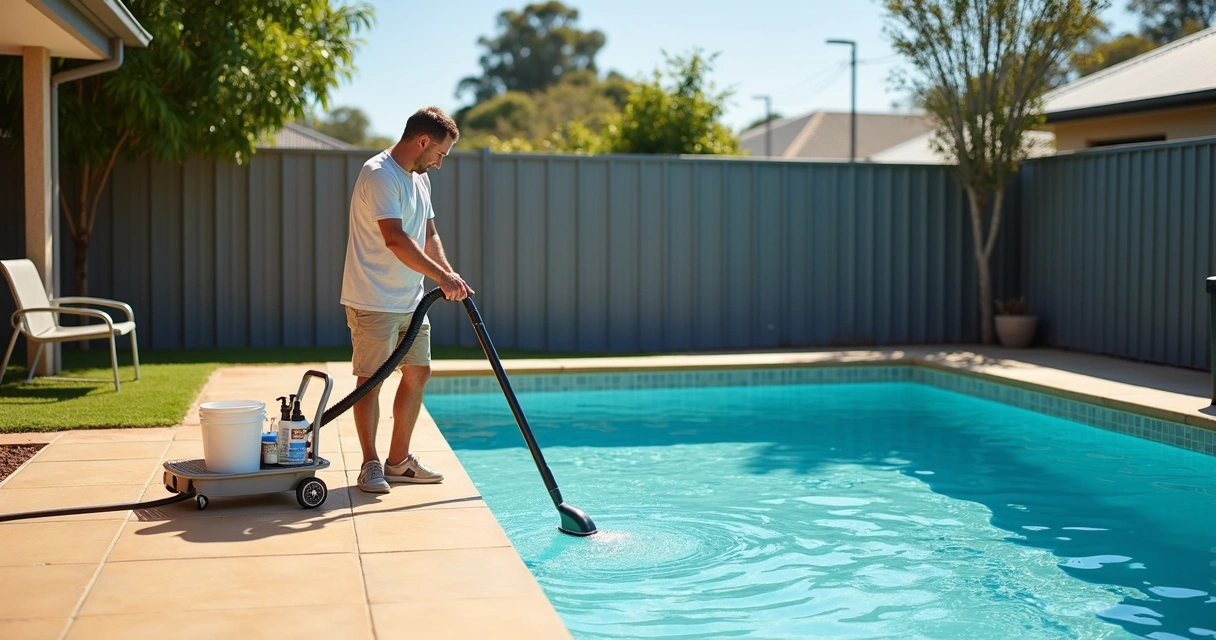
I have seen many pool owners ask the same thing in different ways: can I maintain my pool without a pool shop? My answer is yes, in most cases, you can. With the right tools, clear habits, and good records, I think a homeowner can manage water balance, cleaning, and routine care with confidence.
You do not need constant shop visits to keep a pool clean, safe, and balanced.
What you do need is a method. That is the part many people miss. I learned that pool care becomes much easier when I stop reacting to random problems and start following a simple routine. That is also why tools like MyPoolMate make sense. They help turn test numbers into pool-specific advice instead of broad guesses.
Why home pool care works
Pool shops can be helpful for supplies, but day-to-day care happens at home. Your pool changes with weather, swimmers, leaves, sunlight, and rain. If I only check it when I visit a shop, I am already behind.
Small checks prevent big fixes.
Doing your own maintenance gives me, and other owners, three clear benefits:
- Lower ongoing chemical costs because I add only what the pool needs.
- More convenience because I can test and treat the water on my schedule.
- Better accuracy because I know my pool’s volume, surface, equipment, and recent issues.
If you live in Australia, this matters even more. Heat, storms, and long sunny periods can change chlorine demand fast. I found that a fixed one-size approach rarely works well through all seasons.
What I need to look after a pool myself
Before I talk about the step-by-step process, I want to keep the tool list simple and practical. Most homeowners do not need a huge storage shelf full of products.
These are the items I would keep on hand:
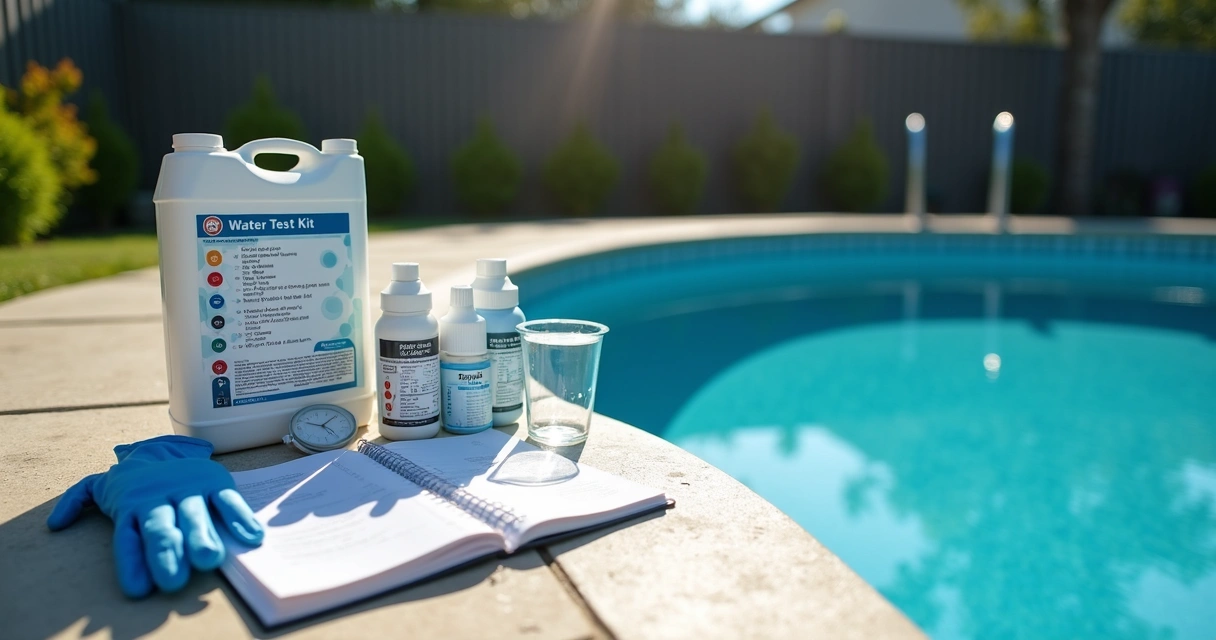
- Test kit or test strips for chlorine, pH, total alkalinity, and stabiliser.
- Pool brush for walls, steps, and corners.
- Leaf skimmer net for surface debris.
- Manual or robotic vacuum for dirt on the floor.
- Telescopic pole and hose attachments.
- Measuring jug or scoop for chemical dosing.
- Protective gloves and eye protection.
- Basic chemicals such as chlorine, acid, alkalinity increaser, and calcium product if needed.
The best pool tool is a reliable test routine, not a bigger chemical collection.
I also like keeping notes. Water test history helps me spot patterns. This is where MyPoolMate is useful because it stores results, tracks trends, and adjusts targets based on pool details and season.
My step-by-step pool routine
I prefer a weekly rhythm with short checks in between. It feels manageable, and it works.
1. Test the water
I start by checking free chlorine, pH, total alkalinity, and stabiliser. For some pools, I also watch calcium hardness and salt if a salt system is installed.
If I do not test first, I am only guessing.
I test at the same time of day when possible. Early evening often gives me a clearer picture after a hot day. If the water has changed colour, smells strong, or looks dull, I test right away.
2. Balance in the right order
When numbers are off, I do not throw in several products at once. I work in order:
- Adjust total alkalinity if it is far out.
- Adjust pH.
- Set chlorine to the right level.
- Check stabiliser and calcium only when needed.
In my experience, this order reduces confusion. pH often behaves better once alkalinity is in range. Chlorine also works better when pH is right.
If you want a clearer look at whether every chemical recommendation is really needed, I suggest reading this guide on whether you need all the chemicals a pool shop recommends.
3. Clean the pool surfaces
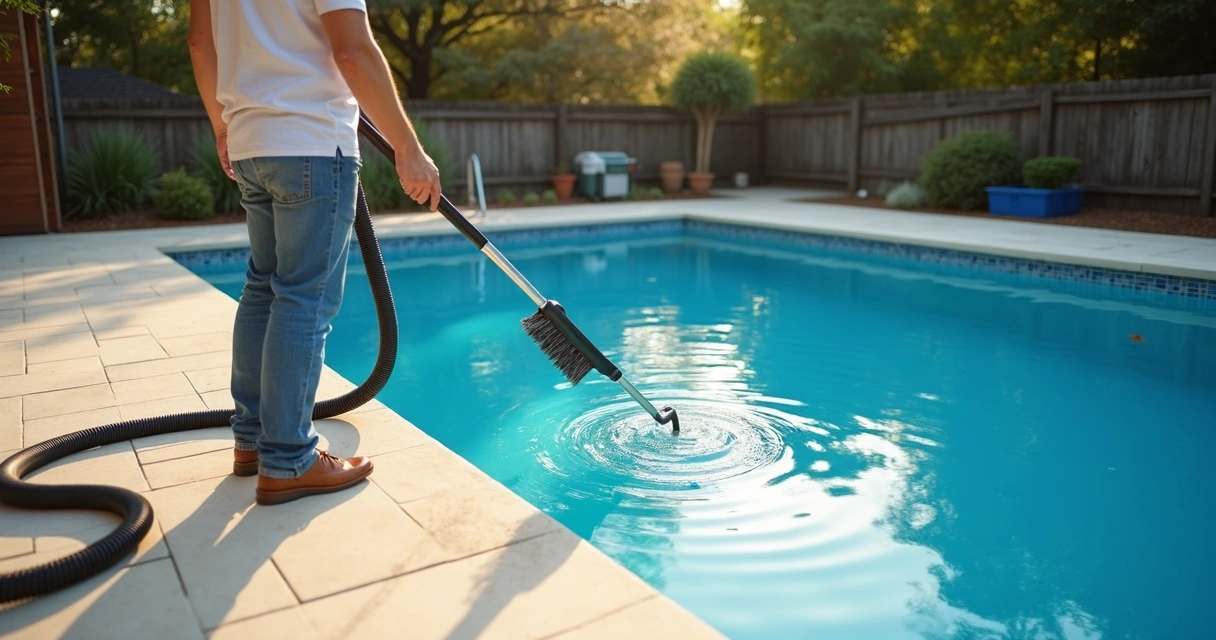
I skim the surface first, then brush walls, steps, and the waterline. Brushing matters more than many people think. It breaks up early algae growth and moves settled debris into suspension so the filter can catch it.
After that, I vacuum the floor. If I have had windy weather or lots of swimmers, I spend more time on corners and dead spots.
4. Run the filter and check circulation
A pool can have good chemistry on paper and still go cloudy if circulation is poor. I check that return jets are moving water properly and that the skimmer is pulling debris well.
Clear water depends on chemistry and circulation working together.
I also clean the skimmer basket and pump basket often. A blocked basket can reduce flow fast.
How I keep the filter system healthy
The filter is where much of the real work happens. If it is dirty, damaged, or neglected, the pool will show it.
I inspect for three things:
- Reduced water flow at the returns.
- Pressure changes on the gauge if the system has one.
- Fine dirt returning to the pool after vacuuming.
For cartridge filters, regular cleaning makes a real difference. If that is your setup, I recommend this step-by-step cartridge filter cleaning guide. I like practical instructions because poor cleaning can leave trapped oils and debris behind.
In warmer Australian months, I usually run the system longer because chlorine demand rises and organic matter builds faster. In cooler months, I scale back, but I do not stop monitoring.
Common problems and how I fix them
Most pool problems start small. I have found that early action saves money and stress.
Cloudy water
When water turns cloudy, I check chlorine, pH, and filter condition first. Many times, the cause is low sanitiser, poor filtration, or a mix of both. I brush the pool, clean the filter, and bring chlorine back to target.
Algae growth
Algae often begins on walls, steps, and shady spots. I do not ignore faint green patches. I brush hard, test the water, raise chlorine to an appropriate recovery level, and keep the pump running long enough to clear dead material.
If the issue is larger, such as a full bloom or zero chlorine event, a structured recovery plan helps. This is one area where MyPoolMate can guide owners with a more tailored response based on current readings and pool type.
Organic debris and dull water
Sometimes the water is not green, but it still looks tired. After storms, leaf drop, or heavy use, organic waste can build up. In cases like that, I think it helps to understand how enzyme pool care can help with organic debris and water issues.
Seasonal pool care in Australia
Australian pool care changes with the season, and I think this is where many owners either over-treat or under-treat the water.
In summer, I test more often because UV, heat, and swimmer load can drain chlorine quickly. I also watch water level after splashing and evaporation. In winter, the pool may look quiet, but algae can still start if chlorine drops too low.
After rain, I always retest. Dilution and added debris can shift pH and chlorine demand. If you are in a warmer state, this Queensland pool maintenance guide gives a good seasonal frame.
DIY care versus relying on a pool shop
I do not think this is only about money, though savings are real. It is also about speed and control.
When I manage the pool at home, I can respond the same day. I do not need to carry in a sample, wait for a printout, then buy products before treating the problem. That delay can turn a minor issue into a recovery job.
Cost matters too. If I add chemicals based on my own test results and actual pool volume, I am less likely to over-dose. Over time, that can cut spending in a very noticeable way.
For owners who want advice without sales pressure, I like the idea behind a pool care app that does not sell chemicals. It keeps the focus on the pool’s needs.
When I would still call a professional
Some jobs should not be a DIY project. I would get qualified help for electrical faults, major pump failure, cracked plumbing, structural damage, or persistent stains that do not respond to normal treatment.
I would also ask for expert support if water chemistry stays unstable after repeated testing and correct dosing. Sometimes the root cause is hidden, such as bad equipment, wrong volume estimates, or an unseen contamination source.
Homeowners can manage most routine pool care, but safety and equipment repairs still need trained hands.
Conclusion
Yes, I believe most homeowners can maintain a pool without depending on a pool shop for every test and every decision. A simple routine, the right tools, and careful dosing go a long way. If I test often, clean weekly, protect circulation, and act early on algae or cloudy water, the pool usually stays stable and cheaper to run.
If you want a smarter way to do that with less guesswork, I suggest getting to know MyPoolMate and seeing how its pool-specific tracking, AI reports, and recovery support can help you care for your pool with more confidence.
Frequently asked questions
Can I clean my pool without a shop?
Yes. I can skim debris, brush walls, vacuum the floor, clean baskets, and maintain water balance at home with basic tools and a test kit. For most residential pools, regular home care is enough for day-to-day cleanliness and safe swimming.
What tools do I need for pool care?
I would keep a water test kit or strips, a leaf net, a pool brush, a vacuum or cleaner, a telescopic pole, measuring tools for chemicals, and safety gloves. If your pool has a cartridge filter, cleaning supplies for that system also help.
How do I check pool water at home?
I test free chlorine, pH, total alkalinity, and stabiliser with a home test kit or strips. I compare the result to the target range for my pool type, then adjust one item at a time. Recording the results makes it easier to spot trends and avoid random dosing.
Are DIY pool chemicals safe to use?
Yes, if I follow label directions, measure carefully, store products well, and never mix chemicals together directly. I also wear gloves and eye protection. Most problems happen from overuse, bad storage, or adding products without testing first.
Is it cheaper to avoid a pool shop?
In many cases, yes. I usually spend less when I test at home and add only what the pool needs. I also save time and fuel by not making repeated trips. The biggest savings often come from catching small issues before they become expensive cleanups.


