

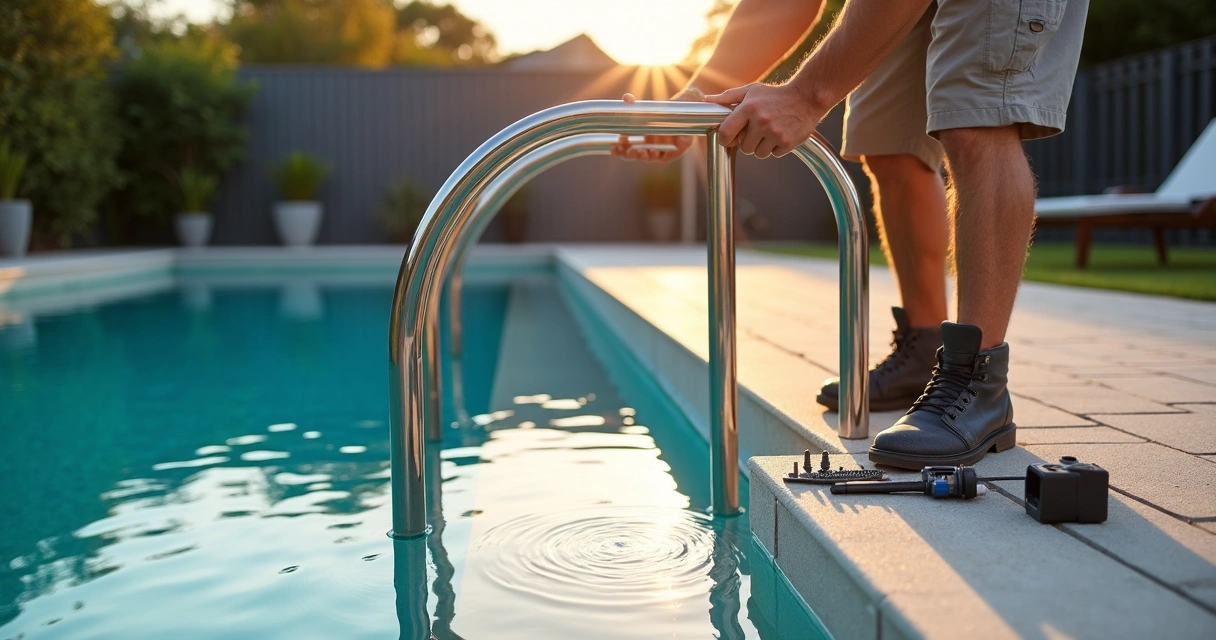
I have seen many pool owners spend money on water care, covers, and lighting, but leave entry and exit points almost untouched. Then one day someone slips, struggles to climb out, or simply avoids the pool because access feels awkward. That is when handrails and steps stop looking like extras and start looking like smart upgrades.
Pool handrails and steps make swimming safer, easier, and more comfortable for people of all ages.
In my experience, the best pool upgrades are often the simple ones. A well-placed rail can help a child steady themselves. A wide step can help an older swimmer enter without stress. Even strong swimmers benefit from better footing. Safety often looks plain at first. Later, it feels obvious.
Why this upgrade matters
I think many people notice handrails only in public pools, but residential pools can benefit just as much. Safety is the first reason, but not the only one. Better access can also improve how often the pool gets used and who feels comfortable using it.
When I look at older pool designs, I often see steep ladders, narrow ledges, or surfaces that are hard to grip when wet. Those features can work, but they do not always suit families, guests, or anyone recovering from injury.
- Handrails provide balance when entering and exiting.
- Steps create a more gradual and relaxed entry point.
- Both can reduce strain on knees, hips, and ankles.
- They also make the pool feel more welcoming.
If you already track your pool setup in MyPoolMate, this is the kind of physical upgrade worth noting beside water chemistry and routine care. Pool use patterns often change after access gets easier.
Safe access changes everything.
Choosing between handrails, ladders, and steps
I usually tell people to think about who uses the pool most. The answer often makes the choice clearer. A compact stainless steel handrail may be enough for a plunge pool. A broad entry step may suit a family pool far better.
Steps are better for gradual entry, while handrails are better for stability and support.
Some pools need both. In fact, that is often the best result. Steps give the foot a stable path, and rails give the hand something firm to hold.
Before buying anything, I would check these points:
- Pool shape and wall construction.
- Available deck space for anchors or fixings.
- Surface type, such as concrete, fibreglass, or vinyl.
- Main users, including children, older adults, or people with limited mobility.
I also like to consider cleaning. Some oversized step units can collect debris if they are badly placed. This matters more than people expect. If you already follow seasonal care advice such as the tips in pool maintenance articles, you will know that good design makes day to day upkeep easier too.
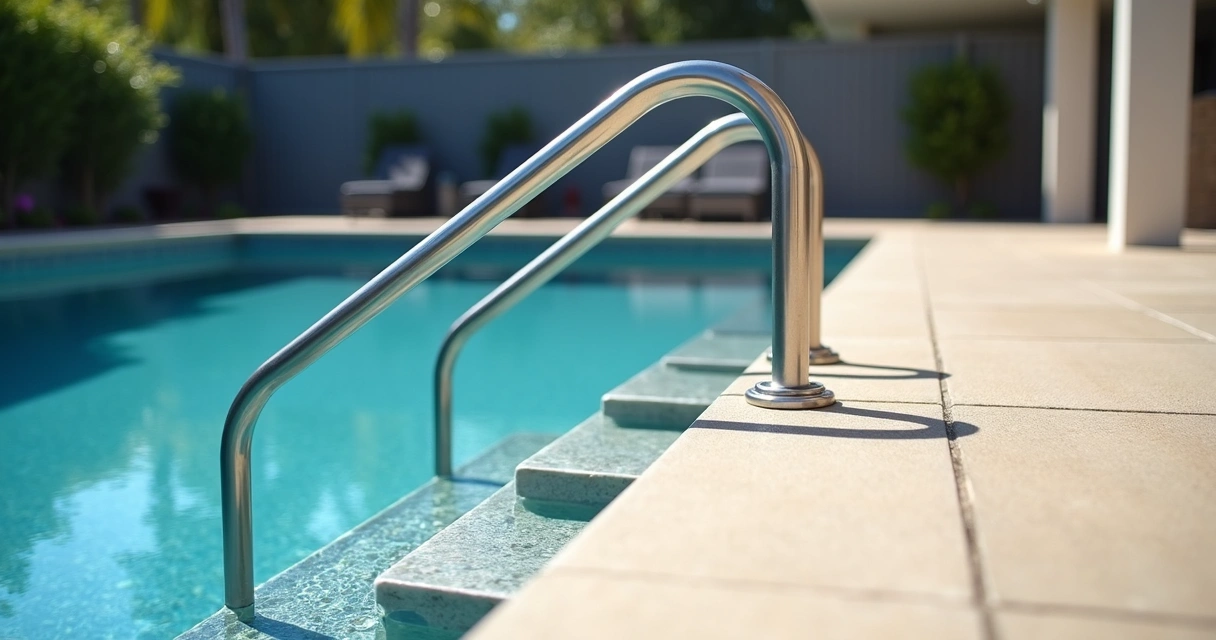
Planning the installation
I have learned that installation goes well when planning is slow and careful. Rushing creates bad alignment, weak anchoring, or rails that feel awkward in the hand. Measurements matter. So does placement.
For handrails, the deck or pool edge must support the anchors. For steps, you need to know whether you are adding built-in masonry steps, retrofitting moulded units, or attaching ladder-style steps. Each option has its own fixing method.
My usual planning checklist looks like this:
- Measure deck width, water depth, and wall thickness.
- Confirm the pool material and approved fixing method.
- Mark entry points based on normal walking paths.
- Check local rules or building requirements in your state.
- Choose corrosion-resistant materials suited to pool water.
Salt pools need extra thought because metal fittings face harsher conditions over time. I would not treat all stainless components as equal. Marine-grade materials are often the safer pick near saltwater systems.
If your pool care records live in MyPoolMate, I think it helps to keep notes on equipment changes there as well. Small details, like when anchors were fitted or when rust first appeared, are easy to forget later.
Doing it yourself or hiring a pro?
I like practical DIY work, but I also know when a project affects safety too directly. A rail that comes loose is not a cosmetic problem. It is a hazard. The same goes for steps that shift under load.
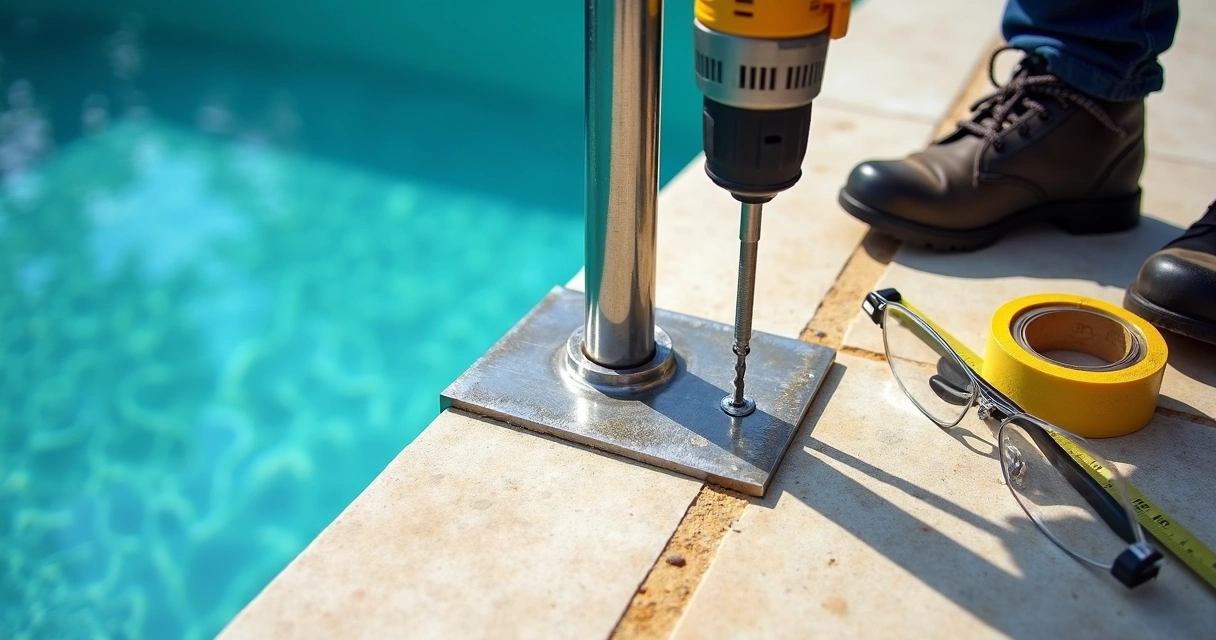
If the installation requires drilling into structural concrete, pool shells, or sealed surfaces, I would usually hire a qualified installer.
A simple deck-mounted rail kit may be manageable for a skilled homeowner with the right tools. But built-in steps, fibreglass modifications, or waterproof sealing work often need professional help. That is not just about skill. It is also about warranty, finish quality, and compliance.
I have seen people save a little on installation and then pay more to fix cracks, leaks, or poor alignment. That is frustrating, and avoidable.
Budget planning helps here. If you are weighing costs across several upgrades, I suggest reading this breakdown of pool maintenance costs in Australia. I find that owners make better upgrade choices when they see the full picture, not just the price tag of one item.
What makes a good result?
To me, a good installation feels natural the first time someone uses it. The rail sits where the hand expects it. The steps have enough width and grip. Nothing wobbles. Nothing pinches the foot. It just works.
That means paying attention to finish details:
- Smooth edges and comfortable grip diameter.
- Non-slip step surfaces.
- Correct rail height above the deck.
- Secure anchors with neat cover plates.
- Enough clearance to move without bumping elbows or knees.
I also think visual balance matters. A handrail should not look like an afterthought. When matched well to the pool style, it can lift the whole area. Clean metal, pale stone, and clear water create a tidy, calm look that many owners want.
Maintenance after installation
I think many people assume rails and steps are fit and forget items. They are not. They need checks, cleaning, and a quick look for movement, staining, or worn grips. The good news is that this is not hard.
I would inspect them during normal pool care. If you already follow a routine like the one in this Queensland pool maintenance guide, just add access points to that schedule.
My simple routine is:
- Rinse and wipe rails to limit mineral buildup.
- Check anchor covers and bolts for movement.
- Look for rust spots, cracks, or loose step pads.
- Brush around steps where debris can settle.
For pool owners who want advice without a sales push, I also like the thinking behind a pool care app that does not sell chemicals. It fits the same practical mindset as choosing upgrades based on need, not pressure.
And if you manage a spa as well, access and safe entry matter there too. I found useful crossover ideas in this hot tub maintenance guide, especially when thinking about slippery surfaces and routine checks.
Conclusion
I believe installing pool handrails and steps is one of the smartest upgrades a pool owner can make. It improves safety, supports daily comfort, and helps more people enjoy the water with confidence. Good planning, the right materials, and proper fitting make all the difference. If you want a clearer view of how pool upgrades fit into overall care, I suggest getting to know MyPoolMate and using it to track your pool setup, maintenance habits, and long-term decisions with more confidence.
Frequently asked questions
What are pool handrails used for?
Pool handrails are used to provide support and balance when entering or leaving the pool. I think they are especially helpful for children, older adults, and anyone who feels unsteady on wet surfaces.
How to install pool handrails?
I would start by measuring the location, checking the deck or pool edge material, and confirming the right anchor system for that surface. Then the rail is positioned, anchor holes are drilled, fittings are secured, and the rail is tested for stability. If structural drilling or waterproof sealing is involved, I would hire a qualified installer.
Are pool handrails required by law?
Rules vary by location and pool type, so I would always check local building and safety requirements in your state or council area. In many residential cases, handrails may not be mandatory, but they are still a wise safety addition.
How much do pool steps cost?
The cost depends on the type of step, the pool material, and the installation method. Simple add-on steps can be relatively affordable, while custom built-in steps cost more because of labour and construction work. I have found that prices rise quickly when structural changes are needed.
Is it worth adding pool handrails?
Yes, I think it is worth it for many pools. Handrails improve safety, help users feel more secure, and can make the pool easier to enjoy every day. For households with children, older swimmers, or frequent guests, the value is often clear very quickly.


