
Living in Australia means enjoying long, sun-soaked days and backyard pool moments that turn into cherished memories. But I’ve also seen—both in my own experience as a homeowner and my years writing about the topic—that a clear, healthy swimming pool doesn’t happen without regular care.
Over the years, I’ve spoken with pool professionals, researched public health requirements, and experimented with many routines. The main thing I’ve learned is: good pool upkeep in Australia isn’t just about what you put in the water, but how you adapt to our unique climate and busy lifestyles.
This guide brings together practical steps, schedules, technology upgrades, and key safety points to help you maintain a sparkling, inviting, and safe swimming pool at home.
Why pool care is different in Australia
I’ve found that Australia’s climate and regulations require a tailored approach to home pool maintenance. Our warm summers, sudden storms, and variable water supplies all play a part. Plus, as the New South Wales Ministry of Health requires, the chemicals and methods we use must be approved for safety and effectiveness.
Australian pools deal with:
- Intense UV from long summers, breaking down chlorine faster
- Seasonal temperature swings, affecting algae and bacteria growth
- Heavy rain, bushfire ash, pollen, and dust, which upset water balance
- Vigorous pool use during school holiday periods
These aren’t just minor nuisances. They mean I need a system that's reliable and flexible, which has led me to rely on smart routines, simple checks, and, increasingly, personalised tools like MyPoolMate.
Key elements of pool maintenance in Australian homes
All the advice I give starts with a few basic pillars. In the Australian context, the big five are:
- Water testing and balancing (sanitiser, pH, and more)
- Regular cleaning—surface and equipment
- Algae prevention and treatment
- Adapting routines throughout the year (summer/winter)
- Using technology to simplify and personalise the work
Let me tell you how I put these into practice day-to-day, so you can do the same.
Simple, consistent water testing really works
One of the most memorable mistakes I made early on was skipping weekly pool tests because the water “looked fine.” The algae invasion that followed taught me my lesson. Regular water testing is the only way to confirm that your chemistry is on track—by the time water turns cloudy, problems are already developing underneath.
Test at least weekly in summer, and every two weeks in winter.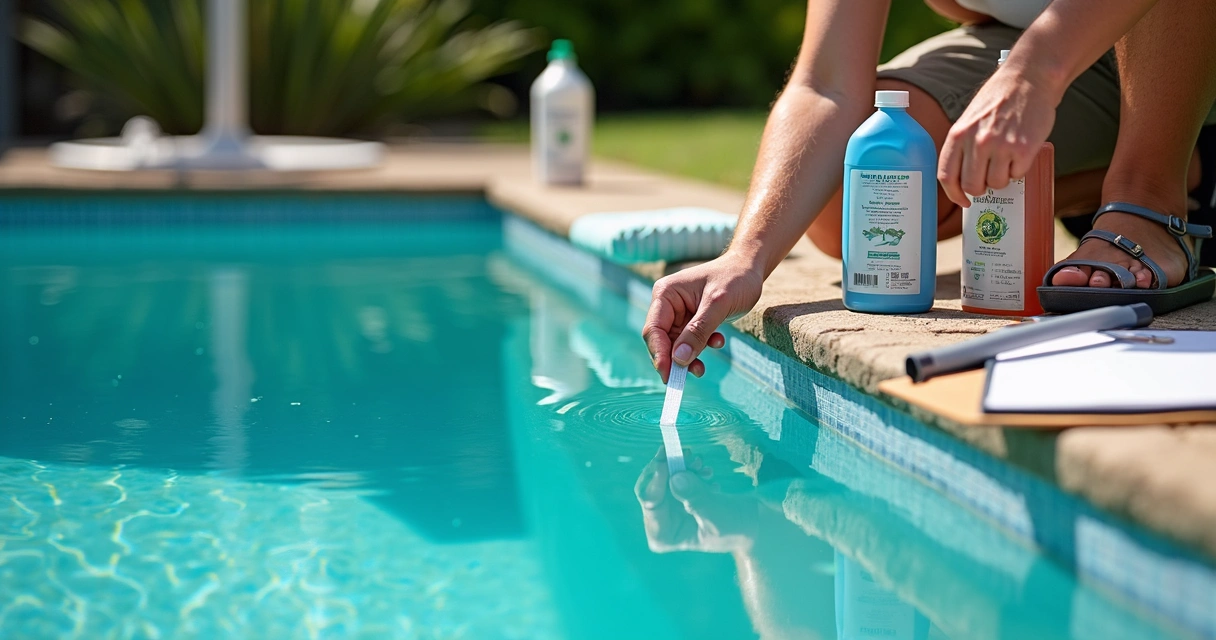
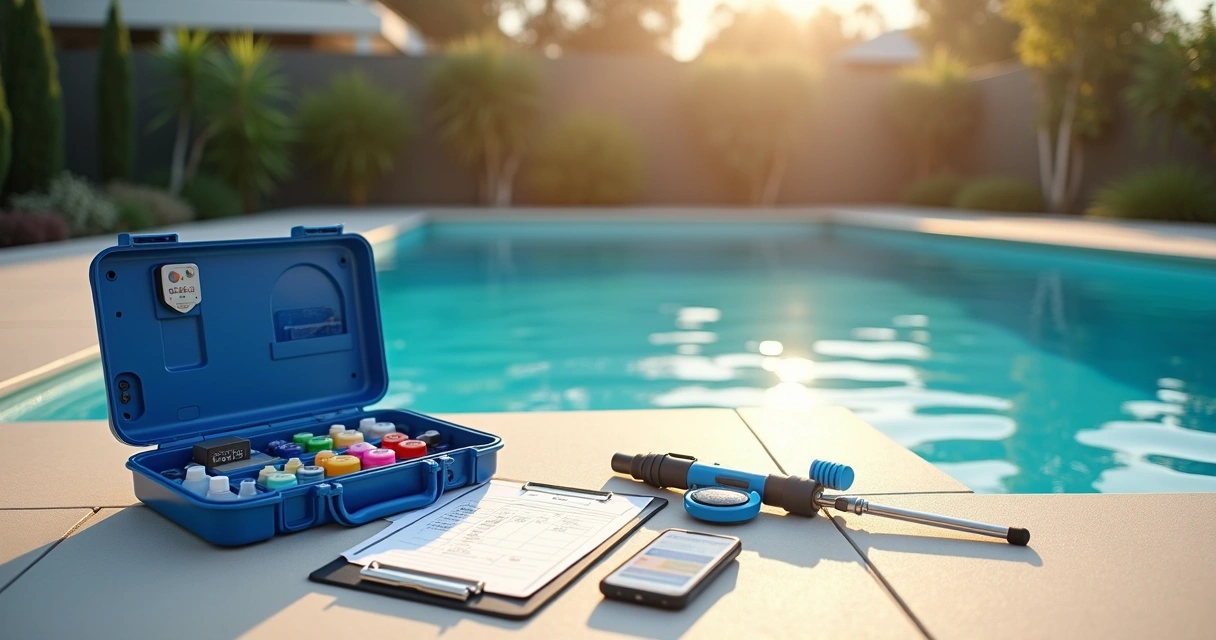
I use simple test strips for quick looks and liquid drop kits for detailed checks. These help me monitor:
- Free chlorine or salt (depending on system)
- PH (where WA health regulations suggest 7.0–7.8 for safe use)
- Total alkalinity
- Stabiliser (cyanuric acid for salt or chlorine pools)
- Calcium hardness
During heavy storms or heatwaves, I check chemistry more often. I learned the hard way that weather can shift my levels overnight.
How technology helps me here
Tracking test results by hand got messy. I now use MyPoolMate to snap photos of test slips or pool shop reports, automatically logging the results and seeing them plotted on a simple timeline. This keeps me one step ahead, especially when juggling a busy family schedule.
Balancing chemicals the smart way
Getting the right chemical levels is not a guessing game—especially with children or pets using the pool. Over my years of research, and supported by local authority guidelines, I always pay most attention to:
- Sanitiser: Chlorine or salt (for typical backyard pools, stick with 1–3 ppm chlorine, and more for heavy use or after rain)
- pH balance: Should remain between 7.2 and 7.6 for comfort and effective chlorine action
- Stabiliser: If high, it weakens chlorine. If low, sunlight quickly destroys chlorine
I use modest amounts of chemicals and adjust only when the data shows I need to. I learned to ignore generic pool shop “sales talk.” That’s why the personalised recommendations from MyPoolMate have saved me money and reduced overuse.
Adapting for different sanitisation systems
Australians use many kinds of pool systems—salt chlorinators, liquid chlorine, mineral blends. I make sure to always follow the guidelines for my specific setup and check the label of any chemical for Australian certification (for instance, APVMA approval as required by NSW health).
If you ever find your salt levels creeping up unexpectedly, this step-by-step guide to fixing high pool salt levels has helped many pool owners avoid headaches.
Cleaning routines made easy
The next part of home pool care is old-fashioned cleaning. I stick with a simple schedule:
- Skim surface daily to remove leaves, insects, and debris
- Brush pool walls and floor weekly to break up algae
- Vacuum weekly (manually or with a robot cleaner)
- Clean skimmer basket weekly
- Backwash or clean the filter every month (or as required)
If your pool filter is a cartridge type, this guide on cleaning pool filter cartridges covers all you’ll need.
A quick daily skimming habit prevents bigger clean-ups later.
Many busy friends I know rely on robotic pool cleaners. I use one myself when life gets hectic. But I always follow up with manual brushing at least each fortnight to avoid missed algae spots.
Filters and pumps: often overlooked but essential
I can’t stress enough how much clean filters and working pumps support the whole system. In my research and personal experience, a dirty, clogged filter can ruin the water in less than a week.
I check the pump basket every week (especially after storms), and deep clean my media or cartridge filter every 1–2 months depending on use, water clarity, and what gets caught. Regular checks stop cloudy water before it starts.
Adapting for Australian seasons
Caring for your pool means changing your approach as temperatures shift across the year:
During summer
- Test and adjust water chemistry 2–3 times weekly due to UV breakdown of chlorine
- Run filtration longer, usually at least 8 hours daily for heavy use (or as your pool size/system requires)
- Skim and brush more often—algae loves warm water
- Consider a pool cover to reduce evaporation and debris
During winter
- Test water every 2–3 weeks and keep levels within the normal range
- Reduce pump/filter run times (often to 4–6 hours daily)
- Lower chlorine output, but don’t stop adding sanitizer altogether
- Keep pool clean to avoid “green pool” outbreaks as spring arrives
This maintenance resource has useful seasonal checklists that I’ve bookmarked for quick reference.
How to prevent and treat algae growth
Few things can ruin a summer weekend like a pool suddenly turning green. I’ve been there, and I know the frustration. Here’s the routine that worked for me and for many others:
- Keep chlorine in recommended range for your pool system (consult your manual, or WA government advice)
- Scrub dead spots (steps, corners, under ladders)
- Shock (superchlorinate) if you see any green or slimy patches
- Keep skimmer and pump baskets clean at all times
- Run filter extra hours after heavy summer storms or high use
If things get out of hand—with a full algae bloom or zero chlorine—fast intervention is key. I’ve used MyPoolMate’s Recovery Plans guide in these moments. AI protocols can show what to adjust first, and support photo uploads, which helps show the actual problem and get tailored solutions.
Scheduling: Setting up a routine that really works
One thing Australian pool owners often tell me is they “run out of time” or forget regular care. I’ve been guilty of this myself. My approach now combines reminders with flexible routines, especially when work and family get busy.
Here’s the schedule that’s worked for me:
- Daily: Skim leaves, quick pH/chlorine check during school holidays
- Weekly: Deep brush, vacuum, detailed chemical test, skimmer clean
- Monthly: Check / clean filter, review water balance history
- Seasonally: Adjust chemical dosages, update AI or app-based targets
I let MyPoolMate’s AI scan my pool’s condition and suggest (or drop) maintenance tasks when the situation changes, which saves me hours over the year.
Smart equipment and technology for easier pool care
When I started owning a pool, everything was on paper or down to memory. These days, pumps with time clocks, robotic cleaners, and AI-powered web apps offer genuine time and cost savings.
- Automatic timers on pumps/filters to run at cheap electricity times
- Robotic or suction pool cleaners that work while you’re busy
- App-based pool tracking for multiple properties
- Digital reminders for safety checks or chemical top-ups
This breakdown of Australian pool maintenance costs shows that using smart products and tracking tools can reduce chemical waste and energy costs over time.
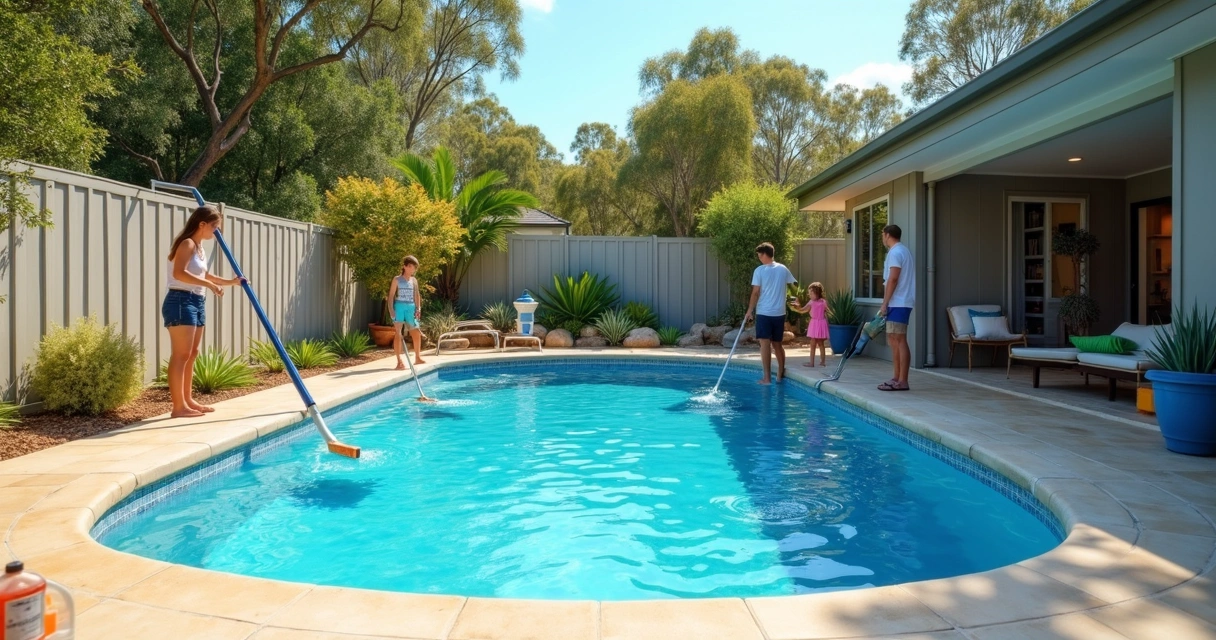
But no technology should replace safety or regular checks—these “set and forget” solutions are helpers, not a substitute for human oversight.
Safety practices for Aussie pools
Australian pool laws are strict for good reason. I always keep self-latching fences and gates closed, with CPR signage in sight. I teach children to stay away from pool chemicals, and keep them in locked storage.
I also have my pool’s electrical components checked by a licensed electrician each year. Safety isn’t just rules—it’s peace of mind, especially knowing that qualified swimming pool technicians assess equipment safety and water quality as part of their professional role in Australia.
How AI and apps make pool care more personal
In my early years of pool care, I made lots of avoidable mistakes—adding the wrong chemical at the wrong moment, or missing a slow leak because I never kept proper records. Technology now makes this much easier.
With AI-powered apps like MyPoolMate, I create a tailored profile for each of my pools, track history visually, and get root-cause diagnosis for water problems. I’ve used its chat assistant, Splash, to upload photos of cloudy water and receive precise suggestions, right down to small chemical tweaks.
For anyone who manages a pool at a distance, like a holiday home or as part of a team, I can confirm that team access and remote logs are lifesavers. No more “who did what last?” confusion.
If you want even more region-specific strategies, check out this Queensland pool care guide which covers local climate factors in detail.
Conclusion: Practical pool care, made simple
If you’ve ever felt overwhelmed by pool tasks or lost track of what to do next, you’re not alone. What’s worked for me—and for so many pool owners I’ve helped—is:
- Testing water with a regular schedule and adjusting for the season
- Following measured, not generic, chemical adjustments
- Using cleaning routines (and helpers, like robots or apps), but never skipping filtration or brushing
- Keeping records digitally, not just in your head
- Prioritising safety at all times, both for equipment and around water
I encourage you to try a digital solution that suits your pool and lifestyle. MyPoolMate can build a personalised care plan—so your pool stays ready whenever you need to cool off or make family memories. Try MyPoolMate today and discover how easy great pool care can feel.
Frequently asked questions
What are essential pool maintenance steps?
The main steps for home pools in Australia are: regular water testing, balancing sanitizer and pH, cleaning pool surfaces weekly, emptying skimmer and pump baskets, and running the filter system enough hours each day for your pool size. Seasonal adjustments and safety checks round out a good maintenance plan.
How often should I clean my pool?
During summer, I clean my pool surface daily and do a full brush and vacuum weekly. In winter, cleaning can shift to handling debris as needed and deep cleaning every two weeks. More frequent cleaning is best after storms or heavy usage.
What chemicals do Australian pools need?
Most Australian pools need a safe sanitizer (chlorine or salt), balanced pH, stabiliser (if needed), and regular checks for calcium and alkalinity. It’s smart to follow label instructions and local regulations on all chemicals.
How to keep pool water clear?
Keep up with weekly testing, vacuum and brush the pool, run your filter daily, and adjust sanitizer and pH as needed. Rapidly address any cloudiness with shock treatment and manual filtration. Using an app or AI tool for tracking can help spot trends before water clarity drops.
Is professional pool cleaning worth it?
Professional cleaning makes sense for those without time or confidence to manage the pool themselves, or for problem-solving large issues. But with smart technology and scheduled care, most homeowners can achieve great results solo, saving money in the long term.