

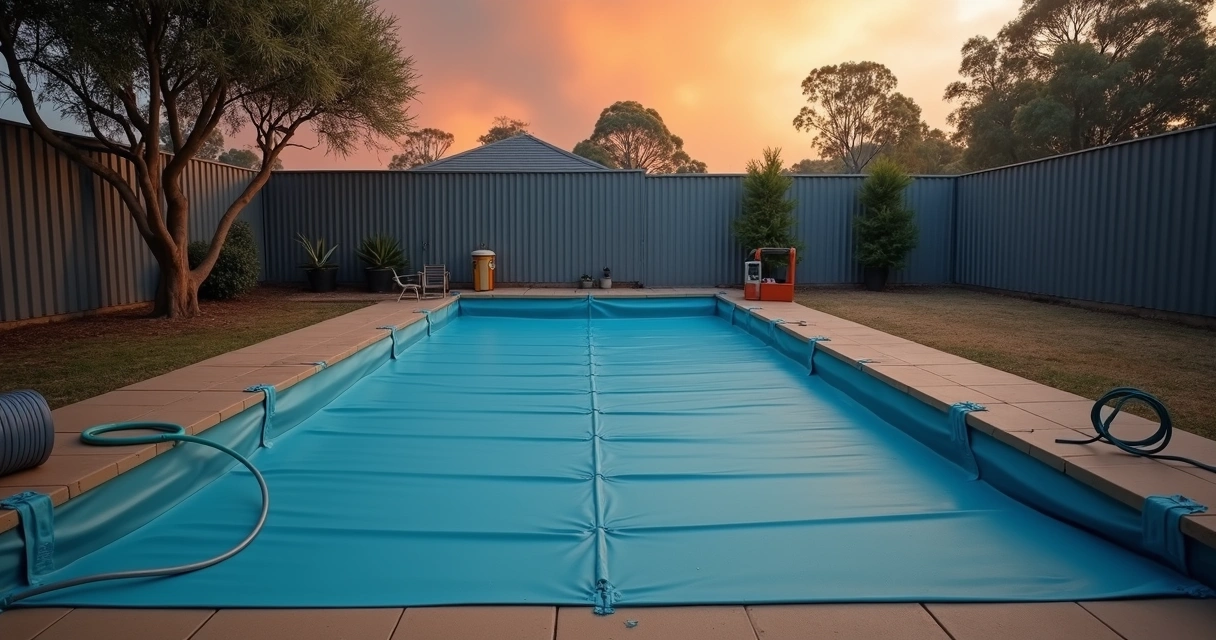
I have seen many pool owners think about bushfire season only when smoke is already in the air. By then, the pool is at risk from ash, leaf litter, power loss, damaged equipment, and fast water imbalance. A pool can still help during a fire season, but only if I prepare it early and keep it stable through the hotter months.
Preparing a pool for bushfire season means protecting water quality, keeping equipment safe, and making the pool easier to use in an emergency.
In my experience, the smartest approach is simple. I get the pool clean, test the water often, clear the area around equipment, and make a plan for smoke and ash fallout. Tools like MyPoolMate fit well here because they help track test history, pool conditions, and the exact treatment needed for a specific pool instead of broad advice.
Why bushfire season affects pools so much
Heat, wind, and dry debris create a rough mix for pool water. Even if flames are nowhere near my property, smoke can carry fine ash into the water. Trees drop more leaves and bark. Strong winds push dirt into skimmer baskets and filters. If power cuts happen, circulation stops and chlorine can fall fast.
Small debris becomes a big water problem.
When that debris sits in the water, it adds organic load. That means sanitiser gets used up faster. I have also noticed that ash can shift pH and leave staining risk on some surfaces if it is ignored too long.
If I already follow a regular routine from the pool maintenance articles, bushfire prep becomes far less stressful because the basics are already under control.
Start with a clean and balanced pool
I never wait for peak fire season to fix neglected water. A clean pool handles stress better than a dirty one. Before summer heat and fire alerts rise, I do a full check of water balance, circulation, and surface cleanliness.
I usually work through these steps:
Skim out leaves, insects, and visible debris.
Brush walls, steps, and the waterline.
Vacuum the floor or run the cleaner.
Test chlorine, pH, alkalinity, and stabiliser.
Correct only what the pool actually needs.
A well-balanced pool is less likely to turn cloudy or lose chlorine quickly after ash or debris enters the water.
I prefer not to guess with chemicals. MyPoolMate is useful at this stage because it can log the pool profile, test results, and seasonal targets, which makes treatment decisions more precise.
Check your filtration and circulation
During bushfire season, the filter works harder. Fine ash and burnt organic matter can clog filter media faster than many owners expect. If the filter is already overdue for cleaning, the pool may struggle after just one smoky day.
I pay close attention to:
Skimmer baskets and pump baskets
Filter pressure readings
Return flow strength
Leaks around pipes and valves
If I run a cartridge filter, I make sure I know how to clean it properly before summer. This guide on how to clean pool filter cartridge step by step is a good refresher to have on hand.
Longer pump run times may help during periods of smoke or ash, but only if the system is in good order. If the water is already struggling, more runtime alone will not fix the root cause.
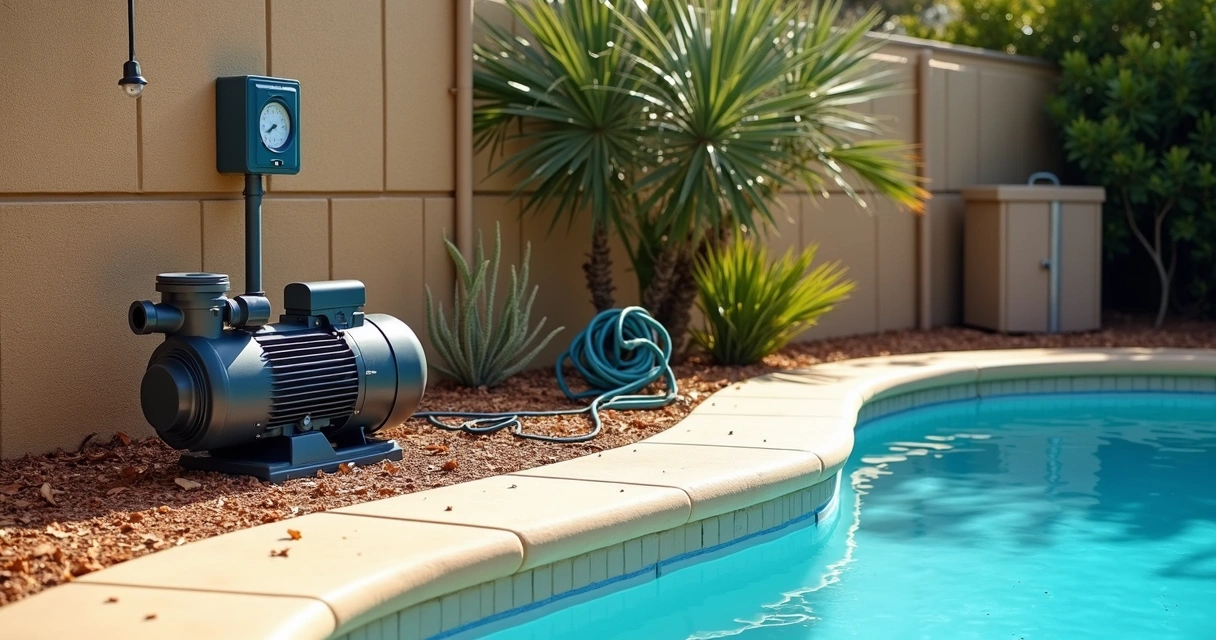
Reduce fire risk around the pool area
I do not think of bushfire prep as water care only. The space around the pool matters too. Pool equipment often sits beside fences, garden beds, timber storage, or piles of dry leaves. That can raise risk if embers travel into the yard.
So I clear the area before the season gets worse. I remove loose fuel sources and keep access open. This includes:
Dry leaves around the pump and filter
Dead plants near fences and pool sheds
Cardboard, chemicals, or clutter near electrical gear
Overgrown shrubs that block access paths
Keeping the equipment zone clean and open can lower fire risk and makes emergency access easier.
I also check that hoses are usable and that gates open freely. If local advice in my area supports pool water access for fire response, that access should be practical, not blocked by storage or tangled lines.
Plan for ash, smoke, and sudden water changes
One thing I have learned is that a pool can look fine from a distance and still be drifting out of range after a smoky day. Ash is often light, but its effect builds if I leave it there. I skim the surface early, empty baskets, and test again instead of waiting.
If organic contamination is high, I may need extra oxidising treatment. In some cases, enzymes can help break down oils and organic residue left by heavy debris loads. This article on enzyme pool care for organic debris and water issues gives a useful overview.
For owners in hot regions, local weather patterns matter a lot. I have found that seasonal pool habits can differ, so reading location-based advice like this Queensland pool maintenance guide helps frame what to expect in warmer months.
Protect your water level and equipment access
In my view, it is wise to keep the pool filled to a normal operating level going into bushfire season. Water that is too low can damage circulation and make skimming less effective. Water that is too high can also reduce skimmer performance during storms or heavy cleaning.
I also make sure I can reach basic gear fast. That means test kit, leaf net, vacuum hose, and backwash or cleaning supplies are all easy to find. If I use a digital tool like MyPoolMate, I also like having the latest test results and treatment notes saved in one place, especially when conditions change quickly.
Think about recovery before you need it
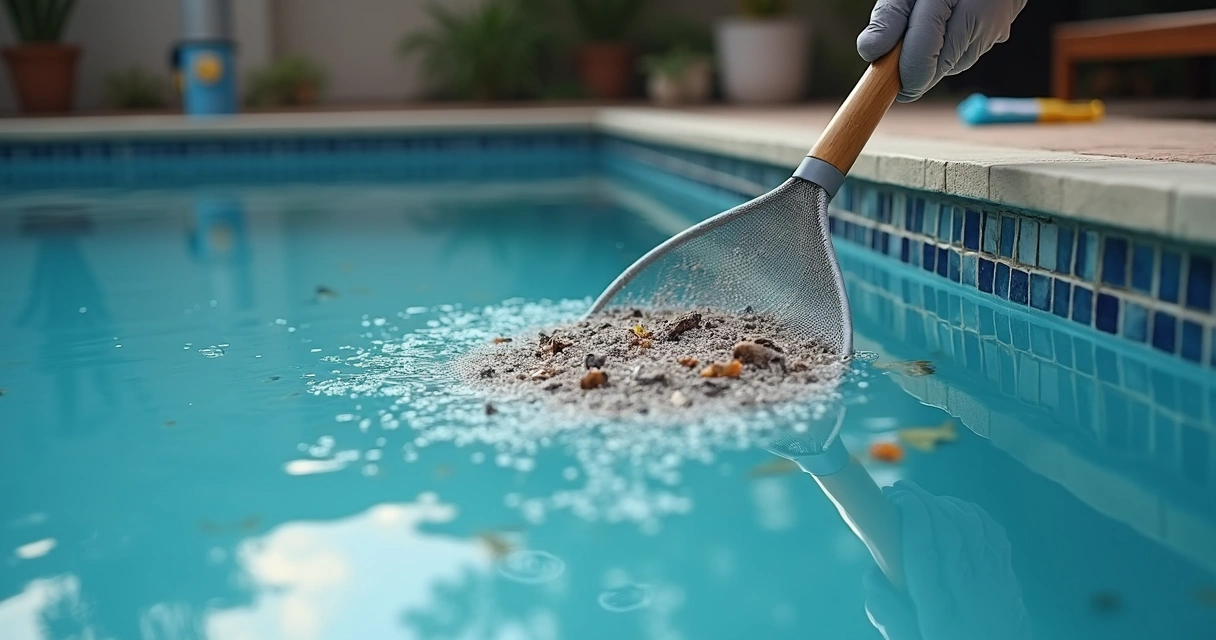
If a bushfire event brings heavy ash, blackened debris, or a full chlorine crash, I act in stages instead of throwing in random chemicals. First I remove debris. Then I test. Then I correct the water based on the results. That avoids waste and helps prevent surface or equipment problems.
I also keep the running cost in mind. Cleaning up after contamination can get expensive if I over-treat the pool. That is why I like to review realistic care costs ahead of time with resources such as this pool maintenance cost breakdown for Australia.
Good prep lowers the chance of a full recovery job. It also helps me stay calmer when the season turns rough.
Conclusion
Bushfire season puts pressure on every part of a pool, from water balance to filter performance and equipment safety. I get better results when I prepare early, clean often, and treat problems based on real test data instead of assumptions. If you want a simpler way to track your pool, spot chemical issues, and get pool-specific guidance during the fire season, I suggest taking a look at MyPoolMate and seeing how it can support your pool care plan.
Frequently asked questions
What is pool fire protection cover?
A pool fire protection cover is a cover made to protect the pool surface from debris and, in some setups, to support access to stored water during fire season. I see it mainly as a way to reduce ash, leaves, and contamination entering the pool. Not every cover is suitable for firefighting use, so I would always check the product details and local fire advice before relying on it for that purpose.
How to keep pool water during bushfires?
I keep pool water in better condition by maintaining normal water level, running filtration when safe, skimming ash and leaves quickly, and testing the water after smoke events. Fast debris removal and prompt water testing help stop a minor issue from becoming a full recovery problem. If power fails, I remove debris by hand and test as soon as circulation returns.
Can I use pool water for firefighting?
In some areas, pool water may be used for firefighting, but I would only treat that as part of a wider fire plan if local rules, pump setup, and fire authority guidance allow it. Access matters just as much as water volume. The pool needs a safe and usable method for drawing water, and the area around it should stay clear.
What pool equipment needs fireproofing?
I focus on protecting the pump area, filter, exposed pipework, electrical control boxes, and nearby storage spaces. Most pool gear is not fully fireproof, so I aim to reduce ember risk by clearing dry fuel, shielding vulnerable parts where suitable, and keeping the area tidy. The best first step is often to remove flammable debris and clutter from around the equipment.
How to clean pool after bushfires?
I clean a pool after bushfires in a clear order. First, I skim out ash and large debris. Next, I empty baskets and clean the filter if needed. Then I brush, vacuum, and test the water before adding any treatment. I never add chemicals blindly after bushfire fallout because ash and organic debris can change what the pool actually needs. If the pool is badly affected, a staged recovery plan is the safest approach.


