
I have seen many pool owners do one of two things. They either ignore the water until it turns cloudy, or they add whatever chemicals they were told to buy and hope for the best. Neither path works well. Good residential pool maintenance is less about guesswork and more about routine, observation, and small corrections made at the right time.
A healthy pool usually comes from steady habits, not dramatic fixes.
In my experience, that is also why tailored digital tools have become so useful. A pool is not just a body of water. It is a system made up of a pump, filter, skimmer box, return jets, chlorinator, surface, and local weather conditions. MyPoolMate was built around that reality, which makes sense to me because no two backyards in Australia behave quite the same way.
What a normal maintenance routine looks like
When I think about caring for a home pool, I break it into three repeating jobs. Clean the pool, test the water, and check the equipment. If one part slips, the others usually follow.
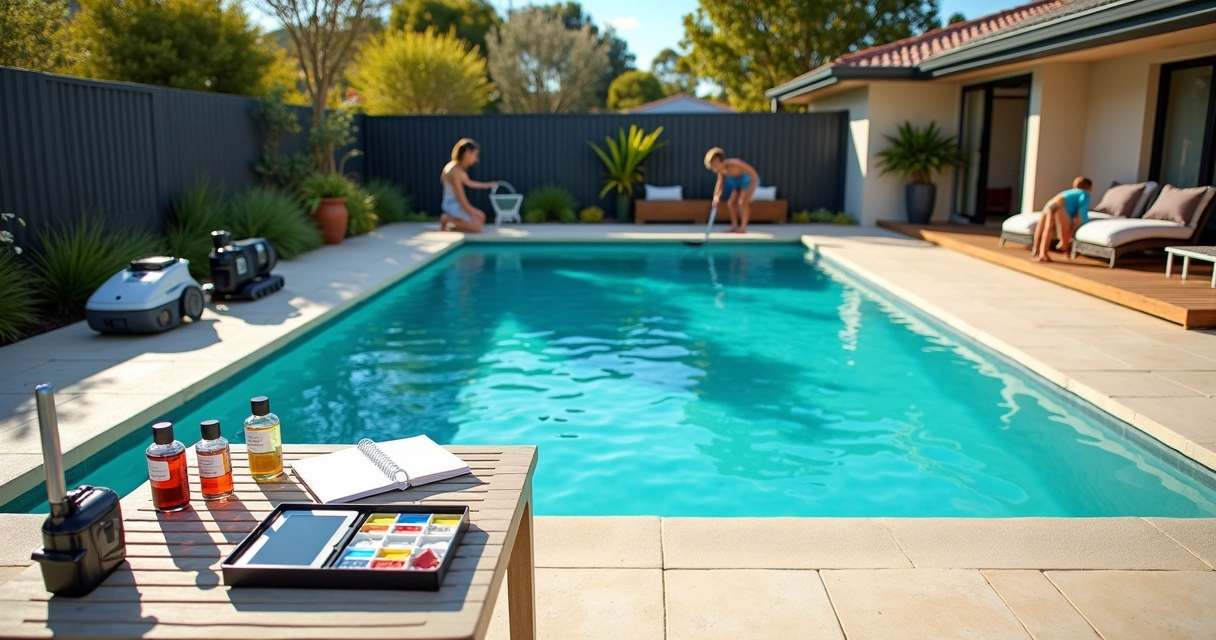
A simple weekly routine often includes:
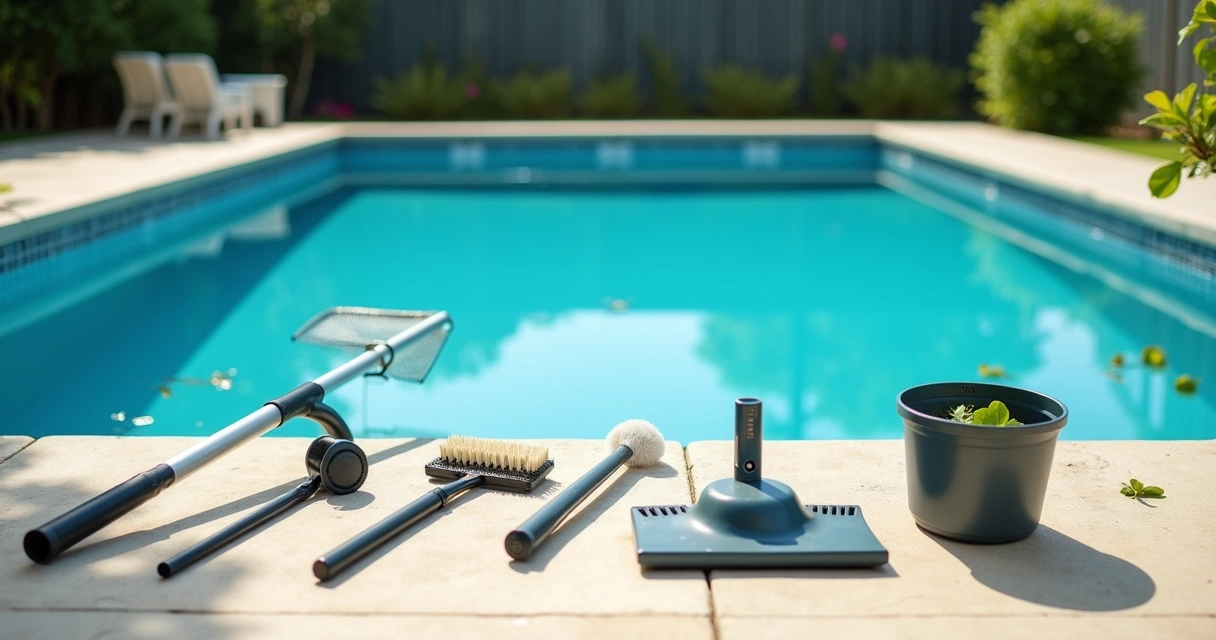
- Skimming leaves, insects, and floating debris
- Emptying skimmer baskets and pump baskets
- Brushing walls, steps, corners, and the waterline
- Vacuuming the floor or checking the cleaner
- Testing chlorine, pH, alkalinity, and other key levels
- Looking for leaks, odd noises, or low flow from return jets
If I keep debris out and water balanced, I usually prevent bigger problems before they start.
That sounds basic, but it works. I have found that a neglected skimmer basket alone can reduce circulation enough to create dead spots. Those spots invite algae. It starts small. Then it spreads.
Cleaning the pool without overdoing it
Physical cleaning matters because chemicals cannot remove leaves, dirt, or gum nuts. They only react to what is in the water. Organic debris uses up sanitiser, stains surfaces, and can block circulation. The guidance in pool and spa maintenance advice from Western Australia also points to regular debris removal, vacuuming, and keeping chemical levels in range for safe water.
For most households, I suggest this rhythm:
- Skim the surface two or three times a week, or daily in heavy leaf season.
- Brush walls and steps once a week, with extra care around corners and ladders.
- Vacuum weekly, or more often after storms or parties.
- Clean the waterline as soon as oils or scum appear.
The filter deserves attention too. Cartridge, sand, and media filters all collect fine waste over time. If they clog, water flow drops and treatment gets harder. I like practical guides that keep this simple, so a step-by-step look at how to clean a pool filter cartridge is useful when pressure rises or clarity starts to fall.
Clear water starts with movement.
Testing water and balancing chemistry
This is where many owners feel unsure. I understand that. Numbers can look intimidating at first. Still, once I learned what each reading meant, pool care became much easier.
The core tests I watch are:
- Free chlorine or bromine, depending on the system
- PH
- Total alkalinity
- Calcium hardness
- Stabiliser, also called cyanuric acid, in outdoor chlorine pools
- Salt level, if the pool uses a salt chlorinator
Water balance is about keeping sanitiser effective while protecting the pool surface and equipment.
If pH drifts too high, chlorine loses strength. If alkalinity is unstable, pH swings become harder to control. If calcium gets out of range, I may see scale on tiles or damage to finishes. This is why random chemical dosing often ends badly.
One point I keep coming back to is this: pool treatment should match the actual pool. Volume matters. Surface type matters. Season matters. MyPoolMate takes these details into account, which I like because it cuts down the old habit of treating every pool as if it were identical. The article on whether you need all the chemicals being recommended explains this problem well.
I prefer testing at least once a week in normal conditions. In summer, after heavy rain, during heatwaves, or after high swimmer use, I test more often. Those are the moments when water chemistry can shift fast.
Salt pools and chlorine pools are not the same
People often say a salt pool has no chlorine. That is not true. A salt pool still relies on chlorine. The difference is how that chlorine is produced.
In a standard chlorine pool, I add chlorine directly in liquid, granular, tablet, or other approved form. In a salt pool, the chlorinator cell converts salt in the water into chlorine. That changes the routine a bit.
For chlorine pools, I pay close attention to:
- How much sanitiser is being consumed by sun, debris, and swimmer load
- Stabiliser level in outdoor pools
- Safe storage and measured dosing
For salt pools, I also check:
- Salt concentration
- Chlorinator output setting
- Cell scaling or build-up
- Whether the cell is reaching the end of its working life
A salt pool can still have low chlorine, green water, or algae if the chlorinator is dirty, undersized, or set too low.
I have seen owners assume the machine is doing all the work. Then they stop testing. Weeks later, the water tells the truth.
Checking the equipment before it fails
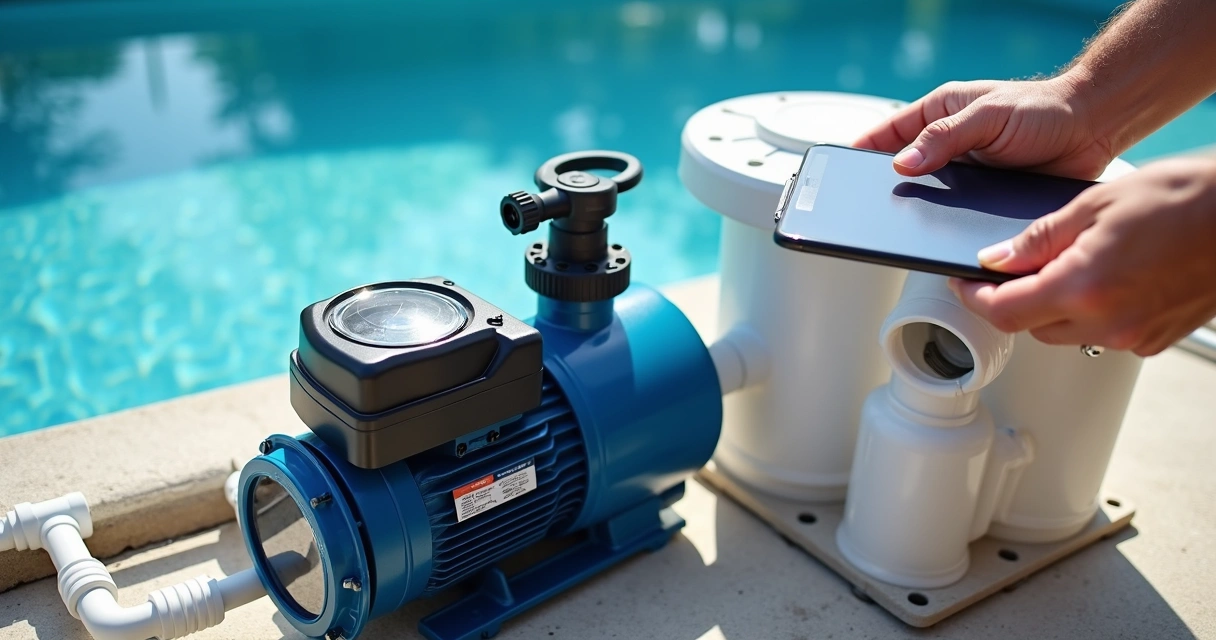
A pool system gives warnings if I pay attention. A louder pump, weak return flow, air bubbles under the lid, a wet patch near pipework, or rising filter pressure can all signal trouble.
My own inspection list usually covers:
- Pump lid O-ring and housing for air leaks
- Filter pressure gauge readings
- Skimmer weir movement
- Return jet strength
- Chlorinator cell condition
- Timer settings and run times
- Pool lights, handrails, and visible fittings
When I keep a short history of readings and photos, patterns become easier to spot. This is one reason I see value in tools like MyPoolMate, especially for households with more than one pool or owners who want a record of test results, surface condition, and recurring tasks.
How I try to prevent algae
Algae prevention is easier than algae recovery. I learned that the hard way after a hot week, heavy rain, and poor circulation turned a clean pool dull and green almost overnight.
To lower the risk, I focus on four things working together:
- Keep sanitiser in range.
- Brush surfaces so spores cannot settle undisturbed.
- Run the pump long enough for the season and pool load.
- Remove leaves and dirt before they break down.
Algae usually appears when low sanitiser, warm water, and weak circulation meet each other.
If I spot early signs such as slippery walls, a faint green tint, or cloudy water, I act fast. I test, correct pH, raise chlorine based on the problem, brush thoroughly, and clean the filter. Waiting rarely helps.
Seasonal care in Australian conditions
Australia makes pool care more varied than many people expect. Summer heat, UV exposure, storms, and leaf load can change water fast. In cooler months, demand drops, but it does not disappear.
In summer, I usually increase my attention to:
- More frequent testing
- Longer pump run times
- Higher chlorine demand
- Faster evaporation and topping up water
- Storm clean-up after wind and rain
In winter, I scale back, but I do not shut my eyes to the pool. I still test regularly, brush surfaces, and make sure the system runs enough to keep water moving. A neglected winter pool often becomes a spring repair job.
For owners in warmer states, local routines may differ a bit, and the guidance in this Queensland pool maintenance guide reflects how climate can shape the schedule.
One thing I like about AI-supported pool care is seasonal adjustment. MyPoolMate can work with summer, winter, and custom settings, which feels practical because treatment needs in January and July are rarely the same.
Safety is part of pool care too
People often separate cleaning from safety, but I do not. A well-kept pool should also be a safe one. That includes visible water, clear access, secure barriers, and no ignored hazards around the equipment area.
Pool maintenance also means checking the space around the water, not just the water itself.
I pay attention to gate latches, self-closing action, broken panels, trip hazards, loose coping, and damaged drain covers. Child safety is not a box to tick once. It needs review. Recent findings on overdue pool barrier checks in Western Australia show why regular compliance checks still matter.
Safe access matters every day.
Common problems and what I do first
When something goes wrong, I try not to guess. I look for the cause.
If the water turns green, I check:
- Free chlorine level
- PH
- Filter condition
- Pump run time
- Recent weather and debris load
If chlorine keeps reading low, I consider:
- High sun exposure and low stabiliser
- Heavy swimmer load
- Organic contamination in the water
- A weak chlorinator cell or poor dosing
- PH being too high
If the water looks cloudy, I inspect circulation, filter cleanliness, and water balance before adding more products. Cloudiness often comes from fine particles, poor filtration, or chemistry that has drifted off target.
The best troubleshooting starts with fresh test results and a quick equipment check.
How digital tools make the work easier
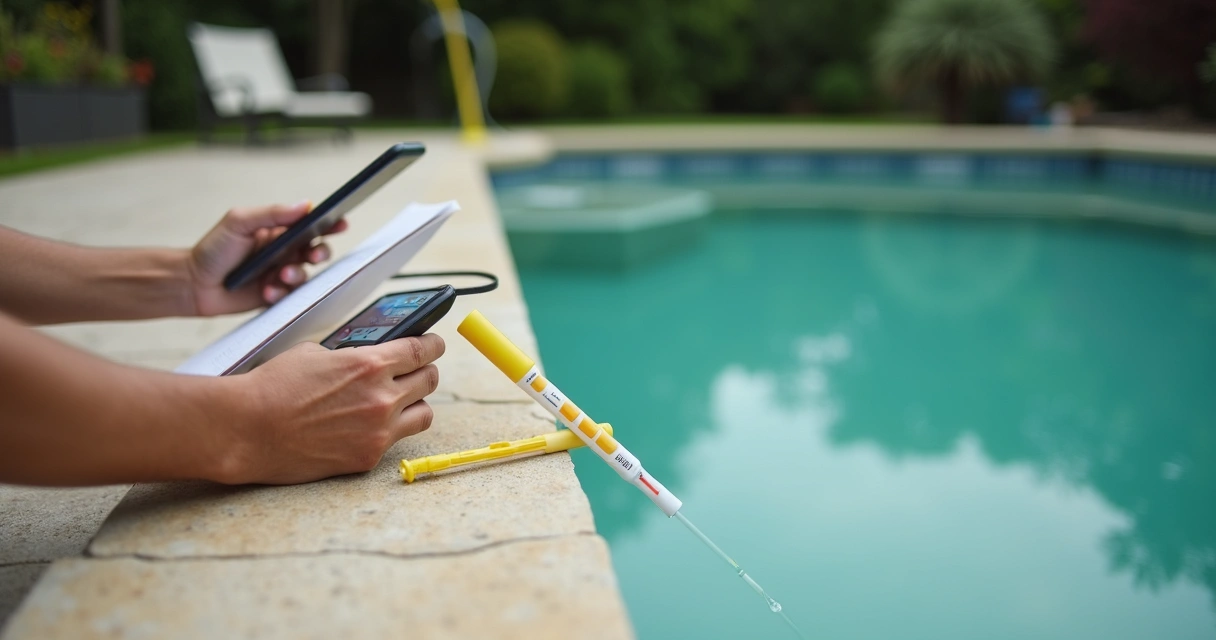
I do not think pool owners need more noise. They need clearer decisions. That is where digital support can help. Instead of generic treatment advice, a smart system can track the pool’s size, finish, sanitiser type, test history, and season, then suggest what fits that specific setup.
For me, the useful parts are simple:
- Storing test history in one place
- Comparing trends over time
- Getting pool-specific target ranges
- Keeping recurring tasks on schedule
- Reviewing photos when surface issues appear
MyPoolMate stands out in this part of the routine because it does not stop at storing data. It can read printed test results, support recovery planning, and keep a pool-aware assistant ready for follow-up questions. That makes regular care feel less scattered and more grounded in the actual condition of the pool.
What this all means for day-to-day care
I think the best approach to residential pool maintenance is calm, regular, and informed. Skim before debris sinks. Test before guessing. Check the pump before flow gets weak. Adjust for heat, rain, and swimmer load before the water turns.
If I had to sum it up in one line, it would be this: small checks done on time usually cost less than big corrections done late.
That is why I like structured support. If you want a simpler way to track tests, understand the real cause of water issues, and avoid adding more chemicals than your pool needs, get to know MyPoolMate and see how a pool-specific approach can make your routine clearer.
Frequently asked questions
What does regular pool maintenance include?
Regular pool care includes skimming debris, brushing walls and steps, vacuuming the floor, emptying skimmer and pump baskets, testing water, adjusting chemistry, and checking equipment such as the pump, filter, chlorinator, and return jets. I also include safety checks around barriers, gates, and surfaces.
How often should I clean my pool?
I suggest light cleaning several times a week and a fuller clean once a week. Surface skimming may be needed more often in summer, during windy weather, or when trees are nearby. Brushing and vacuuming are commonly weekly jobs, though heavy use may require more attention.
What chemicals are needed for home pools?
Most home pools need a sanitiser such as chlorine, plus products that adjust pH, alkalinity, calcium hardness, and sometimes stabiliser. Salt pools also need the right salt level for the chlorinator to work well. The exact mix depends on the pool type, finish, equipment, and current test results.
How much does pool maintenance cost?
The cost varies with pool size, local climate, equipment type, water balance issues, and whether you manage the work yourself. Ongoing costs usually include chemicals, power, water top-ups, replacement parts, and occasional repairs. For a clearer breakdown, I recommend this guide to pool maintenance costs in Australia.
Is it worth hiring a pool cleaning service?
It can be worth it if you have limited time, travel often, or are dealing with repeated water problems. Still, many owners can handle routine care themselves if they follow a clear process and use the right records. I think a smart middle ground is to stay involved in testing and monitoring, while getting outside help only when repairs, recovery work, or time pressure make it sensible.